A Crossroads for Earth: Escalating Climate Extremes Collide with Renewable Ambitions and Legal Accountability
As global average temperatures touch historic thresholds and ecosystem indicators flash red, international environmental efforts are being defined by landmark climate litigation, clean-energy records, and fierce debates over conservation funding.
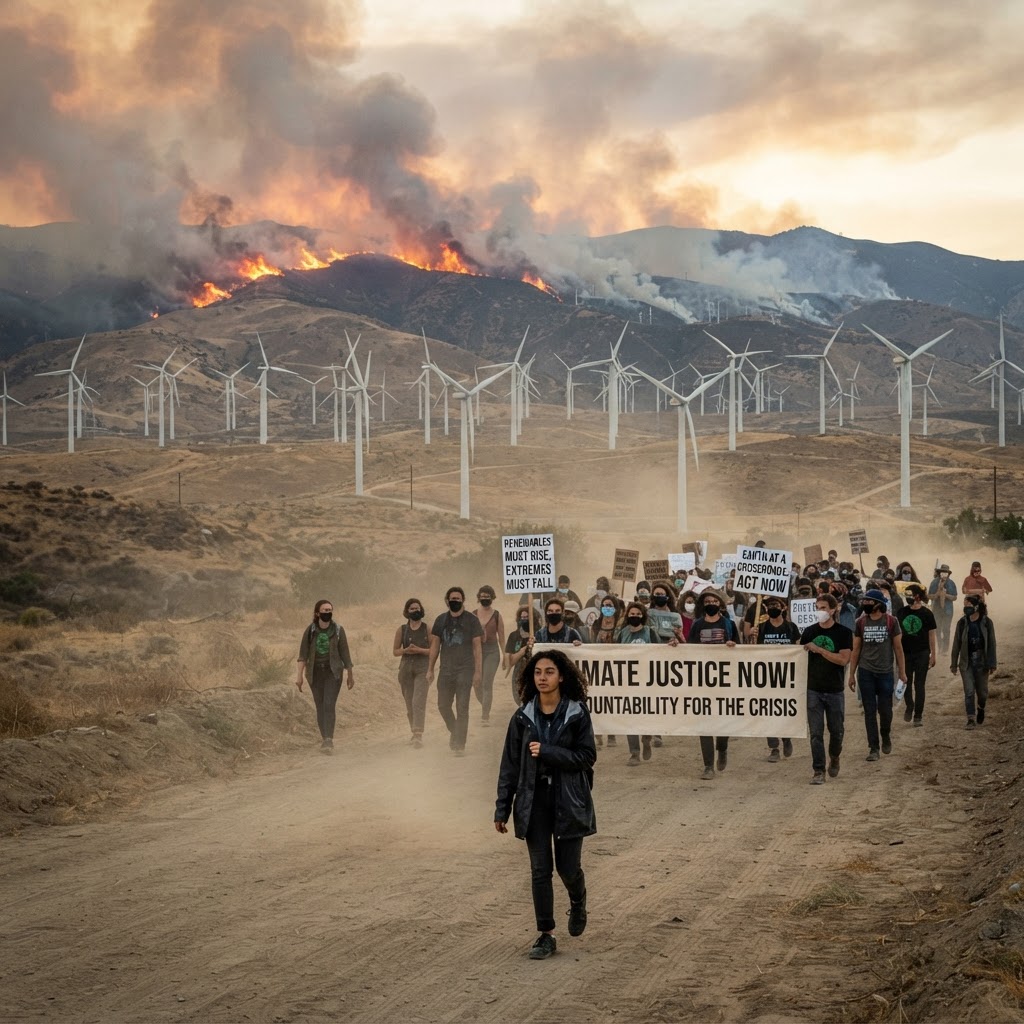
The Escalating Strain on Earth's Ecological Thresholds
Global environmental monitoring systems are registering unprecedented stress across fundamental ecological indicators. Analysis synthesized by independent scientific assessments and reported by institutions such as ABC News underscores that multiple primary indicators of planetary health have moved firmly into danger zones. Marine and atmospheric data confirm that critical warming guardrails—most notably the 1.5°C pre-industrial threshold outlined in the 2015 Paris Agreement—face relentless pressure, leading to direct downstream impacts on communities worldwide.
Extreme weather patterns reflect this shifting baseline. According to evaluations published by Earth.Org, human-driven emissions have sharply expanded the frequency of hazardous heat events, exposing populations to dozens of additional days of dangerous high temperatures. Concurrently, elevated sea surface temperatures in major basins have supplied supplementary kinetic energy to severe weather events, demonstrably intensifying maximum wind speeds and precipitation rates during tropical storms. The systemic nature of these shifts demonstrates that global warming is no longer an impending projection, but an active, compounding force reshaping weather patterns, agriculture, and ocean ecosystems in real time.
The Clean Energy Surge Confronts the Limits of Pledges
In response to volatile weather and reliance on fossil fuels, clean energy deployment has established historic benchmarks. The global power transition has seen renewable power generation surpass thirty percent of the global electricity supply, underpinned by rapid solar and wind installations across leading economies. Projections indicate the world is currently on track to deploy more than 5,500 gigawatts of additional renewable capacity by the close of the decade, surpassing many individual domestic targets. The bulk of this expansion continues to be anchored by robust manufacturing and rollout programs in China, alongside substantial accelerations across the European Union, India, and the United States.
However, energy policy analysts caution that these achievements, while record-breaking, still risk falling short of the ambitious multilateral goal agreed at COP28 to triple total renewable generation capacity by 2030. The persistent combustion of coal, oil, and gas remains the primary contributor to atmospheric greenhouse gas concentrations. Furthermore, emerging computational technologies, heavy industrial manufacturing, and expanding urban centers are dramatically driving up baseline energy demand, creating a structural dynamic where renewable additions often race merely to satisfy growing power consumption rather than wholly displace existing fossil-fuel infrastructure.
The Crisis in Biodiversity and Flawed Conservation Realities
Parallel to the climate fight is an equally urgent crisis in biodiversity loss, where formal governmental commitments continue to diverge from ground-level outcomes. A comprehensive evaluation by the Yale Center for Environmental Law and Policy and Columbia University, highlighted in the Yale School of the Environment EPI Report, points to fundamental shortcomings in global conservation targets. Despite international treaties urging the expansion of protected areas on land and at sea, empirical research shows that designating protected territory frequently fails to secure natural habitats.
The Yale assessment revealed that across numerous sovereign jurisdictions, extensive commercial agriculture and urban structures actively operate within officially demarcated conservation zones. At sea, the disparity is starker: in dozens of surveyed nations, marine protected zones paradoxically experience higher rates of commercial fishing and destructive bottom trawling within their limits than the open, unprotected waters surrounding them. Analysts observe that developed economies frequently permit commercial activity inside designated reserves, while lower-income countries struggle with critical shortages of financial resources, surveillance infrastructure, and field personnel needed to enforce environmental protections against illegal extraction and logging.
Finance Gridlock and the Turn Toward Legal Accountability
Multilateral environmental diplomacy has increasingly bogged down around the issue of climate finance. Recent global summits have highlighted stark divisions between vulnerable developing nations and historically industrialized emitters. High-level treaties have struggled to deliver sufficient grant-based funding mechanisms, with low-income states rejecting finance packages primarily composed of market-rate loans that threaten to deepen existing debt distress. Debates also persist regarding voluntary versus binding contribution structures for high-emitting emerging economies, stalling meaningful progress on climate adaptation and loss-and-damage funds.
With political negotiations advancing incrementally, civil society groups and vulnerable populations have pivotally redirected their strategies toward the courtroom. As documented by the United Nations Environment Programme (UNEP), global climate litigation has more than doubled in recent years, producing ground-breaking rulings from domestic supreme courts and international tribunals. Legal bodies are increasingly ruling that national authorities carry an explicit legal duty of care to protect citizens from environmental destabilization by aggressively curbing emissions and preserving natural sinks.
Charted Pathways Forward
The modern environmental landscape is marked by a fundamental dichotomy. On one side lies undeniable momentum: surging clean technology deployment, judicial accountability, and unprecedented public vigilance. On the other side sits a systemic implementation gap, evidenced by compromised conservation parks, escalating extreme weather impacts, and contentious negotiations over climate finance. The trajectory of global sustainability over the remainder of the decade hinges not simply on declaring protective zones and signing non-binding declarations, but on delivering transparent governance, resilient enforcement, and equitable international investments capable of keeping planetary systems viable.
Recommended for you
Similar to “Environment”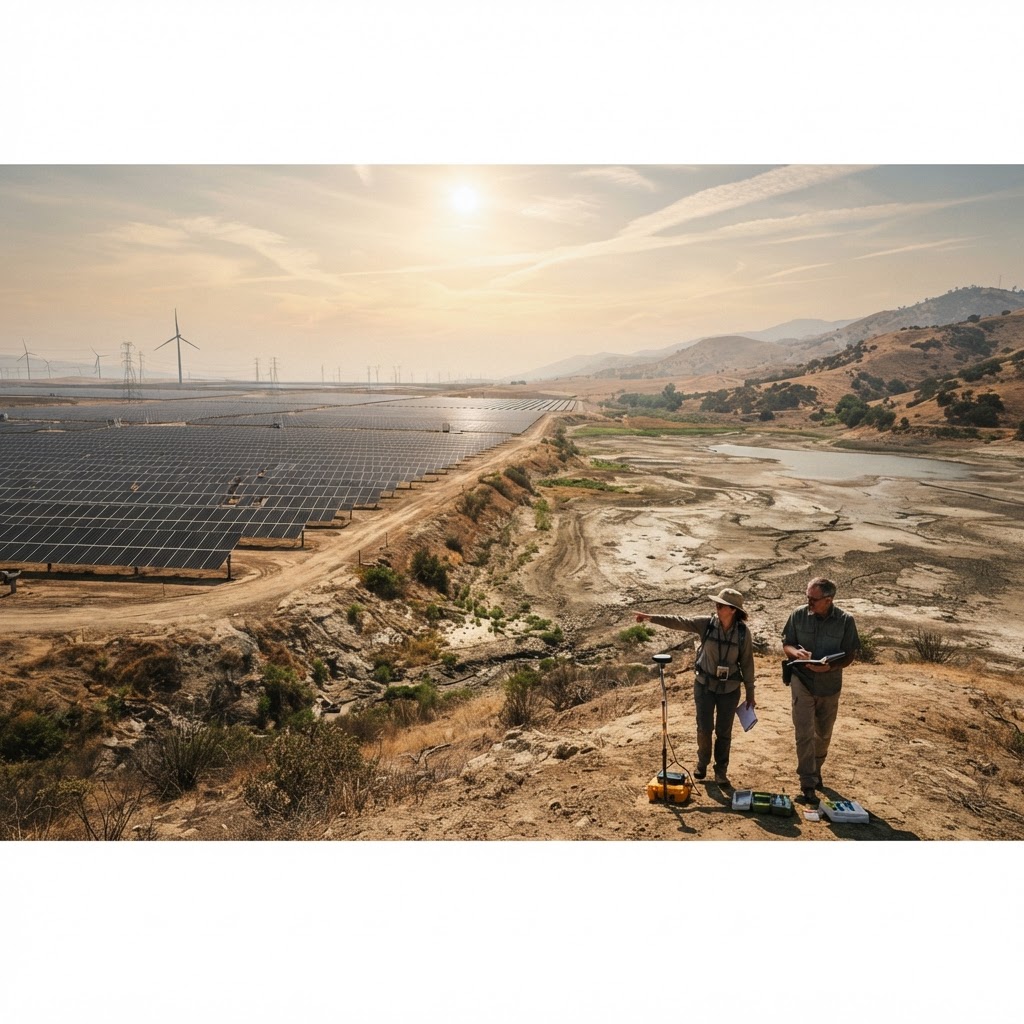
Navigating the Climate Threshold: Surging Clean Energy and Strained Conservation in an Overheating World
As global average temperatures touch historic thresholds and renewable installations reach record highs, world leaders and scientists face growing disputes over environmental financing and biodiversity enforcement.
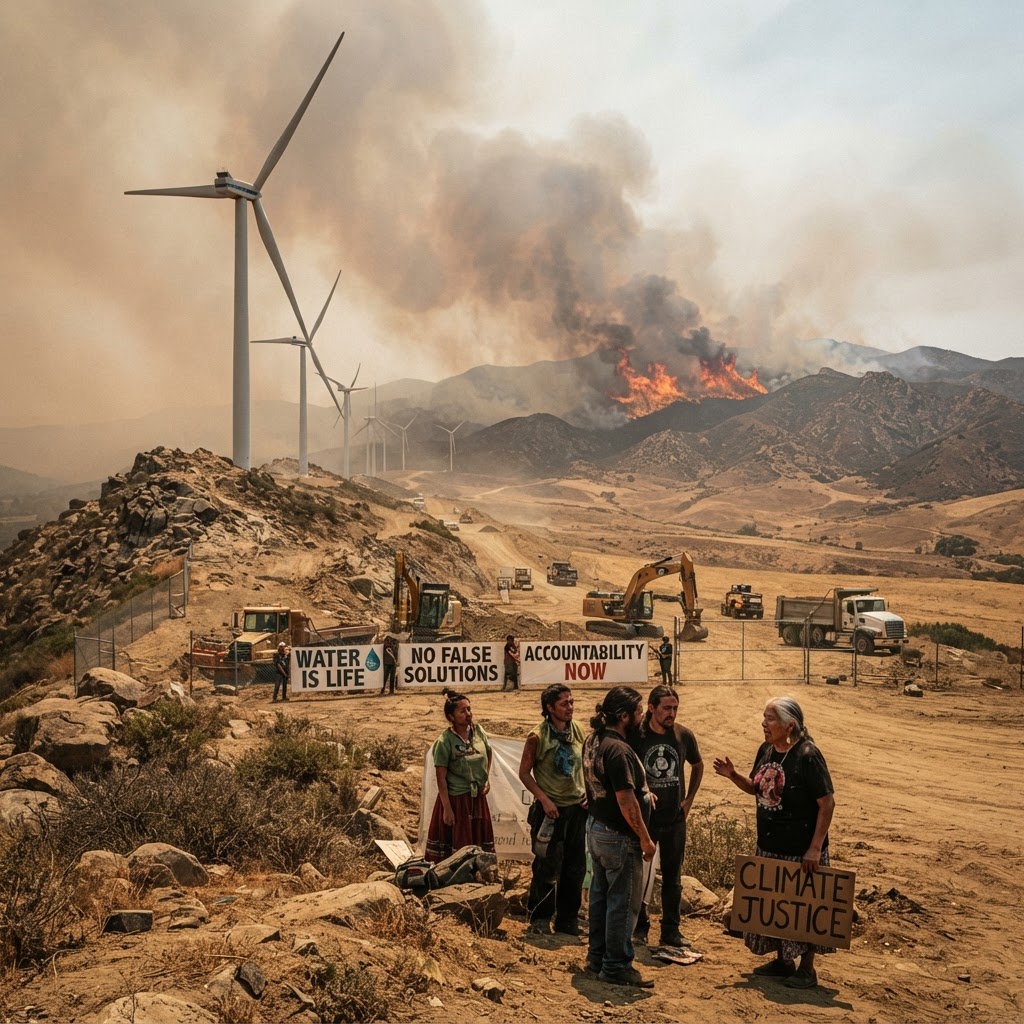
Global Environmental Frontlines: Historic Heat, Renewable Acceleration, and the Battle Over Conservation Accountability
As planetary temperatures break historic thresholds and renewable energy installations expand at unprecedented rates, international bodies and environmental watchdogs are grappling with enforcement gaps in biodiversity protection and climate finance.
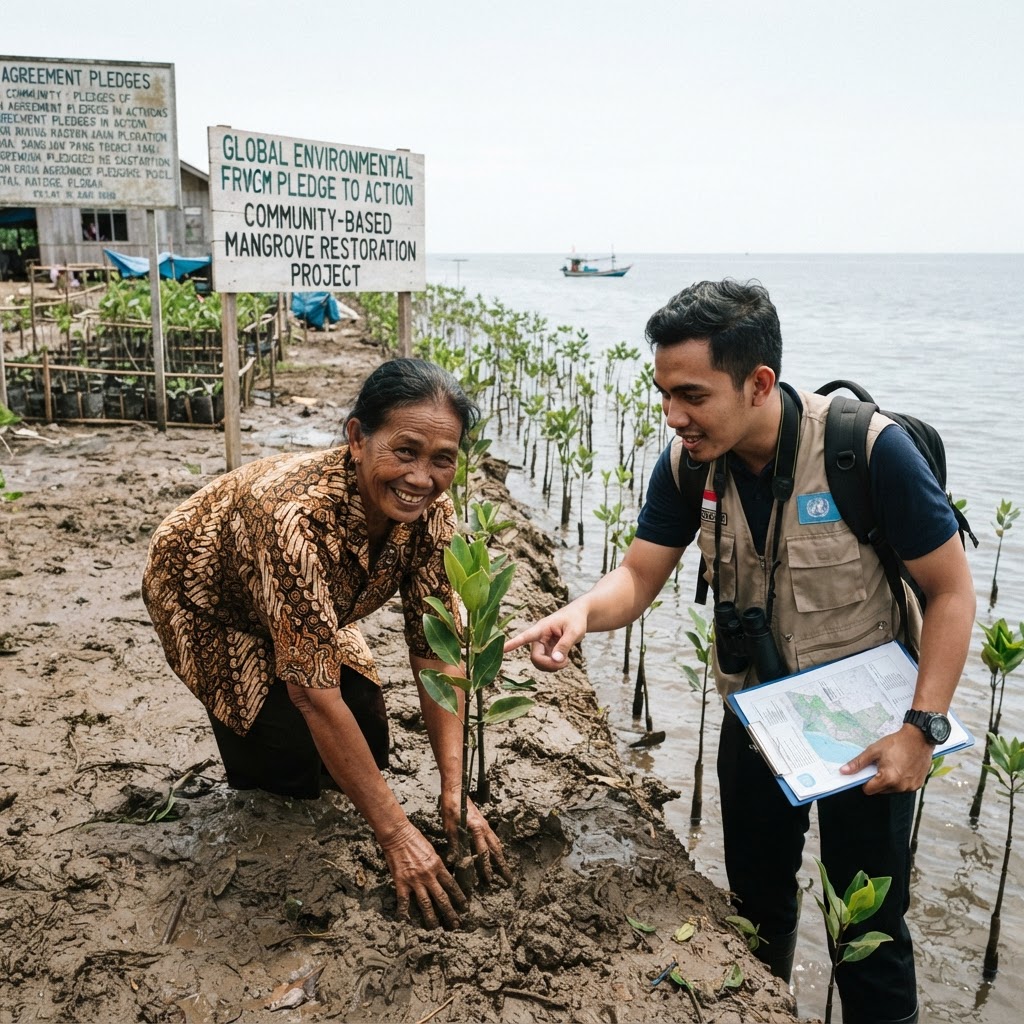
Bridging Paper Promises and Tangible Action: The Evolving Frontlines of Global Environmental Governance
As global average temperatures continue to challenge historic thresholds, international policymakers face rising scrutiny over conservation accountability, climate finance deficits, and enforcement across vulnerable ecosystems.