Bridging Paper Promises and Tangible Action: The Evolving Frontlines of Global Environmental Governance
As global average temperatures continue to challenge historic thresholds, international policymakers face rising scrutiny over conservation accountability, climate finance deficits, and enforcement across vulnerable ecosystems.
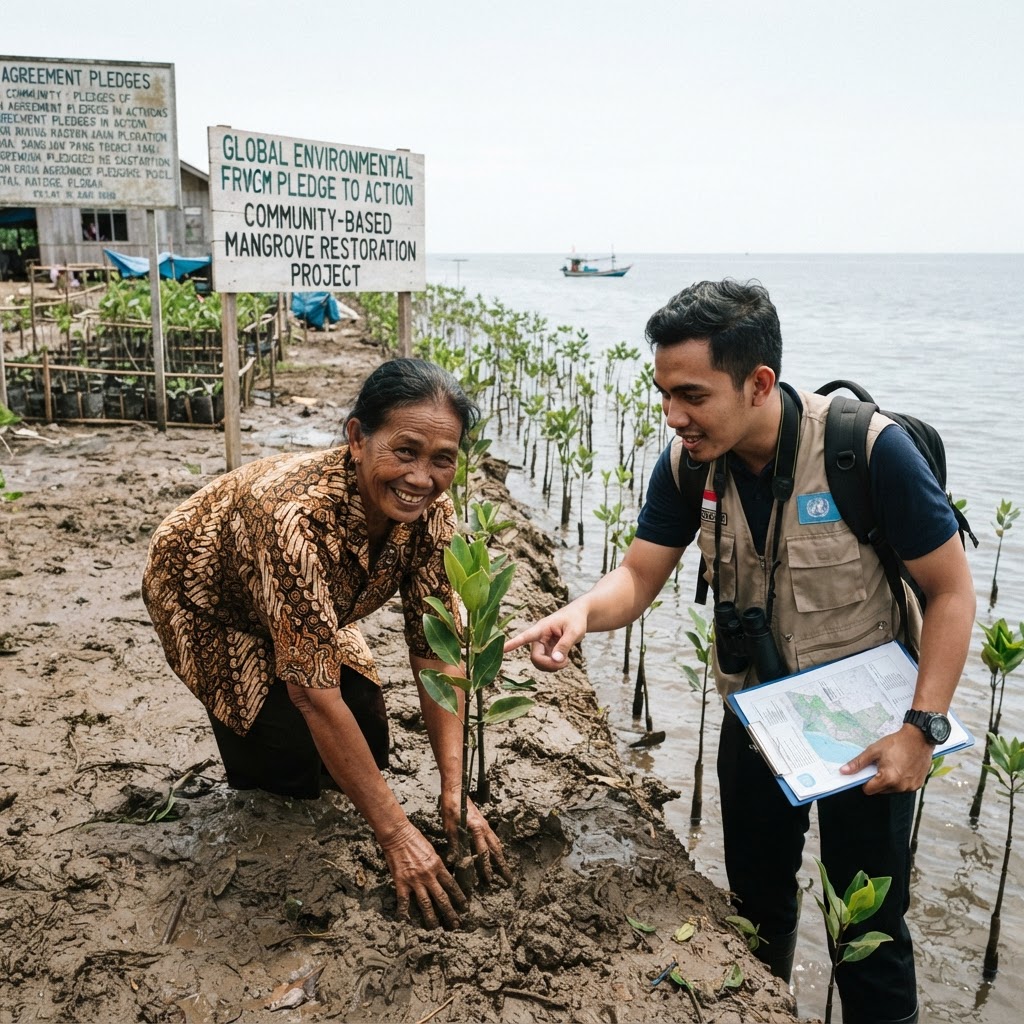
The Accountability Deficit in Global Conservation
International environmental agreements have long relied on ambitious targets to drive multilateral cooperation, but researchers and policy observers are increasingly identifying a sharp divergence between official conservation statistics and ecological realities on the ground. When governments rallied behind the Kunming-Montreal Global Biodiversity Framework to protect 30 percent of the world’s terrestrial and marine ecosystems by 2030, the pledge was hailed as a generational breakthrough. Yet assessments, including findings synthesized in the 2024 Environmental Performance Index (EPI) published by Yale and Columbia researchers, indicate that designated protected regions frequently amount to little more than 'paper parks.'
In dozens of countries, activities with high ecological costs—such as intensive mechanized trawling, commercial clearing, and industrial mining—continue uninterrupted within borders officially classified as sanctuaries. Lead authors note that in numerous jurisdictions, fishing intensity remains paradoxically higher inside designated marine protected zones than in adjacent open waters. Resource constraints in developing nations leave park authorities unable to inspect or penalize breaches, while industrial nations often carve out regulatory loopholes that permit existing extractive practices to persist under bureaucratic exceptions. As environmental monitoring becomes more dependent on granular satellite tracking and unbiased data, the gap between designated protected hectares and functionally conserved wilderness has emerged as a central challenge in environmental diplomacy.
Litigation Emerges as an Enforcement Lever
In response to legislative inertia and implementation gaps, civil society networks, indigenous groups, and municipalities have turned in unprecedented numbers to domestic and international courts. Insights compiled by the United Nations Environment Programme (UNEP) reveal that global climate and biodiversity litigation has expanded rapidly, reshaping how obligations are defined across borders.
Recent rulings by international tribunals and national supreme courts have established that unchecked carbon pollution and degraded biodiversity present concrete human rights infringements. Rather than regarding emission goals as voluntary political guidelines, judicial bodies are beginning to treat treaty benchmarks and scientific thresholds as legally binding benchmarks. This strategic shift is altering risk calculations for multinational financial institutions and high-emitting sectors, which now face courtroom liabilities alongside evolving regulatory policies.
The Strained Nexus of Climate Finance and Equitable Decarbonization
Simultaneously, the debate over how to finance systemic transitions remains one of the sharpest fractures across international forums. While cleaner energy technologies continue to see record deployment across developed economies—where nations like Estonia have shown rapid progress in decommissioning fossil energy infrastructure—developing economies face mounting debt loads and punitive capital costs that hinder their green transition plans, a tension widely debated across multilateral summits documented by Earth.Org.
Developing nations point out that financing packages predominantly structured around loans exacerbate broader fiscal vulnerabilities, leaving resource-limited states struggling to fund climate resilience, seawall infrastructure, and wildfire mitigation. Furthermore, unresolved discussions over historical accountability and voluntary contributions by major emerging economies underscore deep mistrust in the funding architectures meant to safeguard climate security. Without equitable and accessible capital deployment mechanisms, the pace of global mitigation will remain fragmented, leaving vulnerable ecosystems exposed to structural breakdown.
Beyond Symbolic Declarations: The Road Ahead
As communities worldwide grapple with escalating weather extremes, acute water stress, and accelerating biodiversity collapse, public patience for symbolic declarations is fading. Real progress will depend less on expansive proclamations and more on verifiable enforcement, transparent monitoring protocols, and durable financing frameworks. The coming months represent a decisive testing phase for whether multilateral institutions can move beyond declarative milestones and establish verifiable, resilient protection for the planet's remaining living systems.
Recommended for you
Similar to “Environment”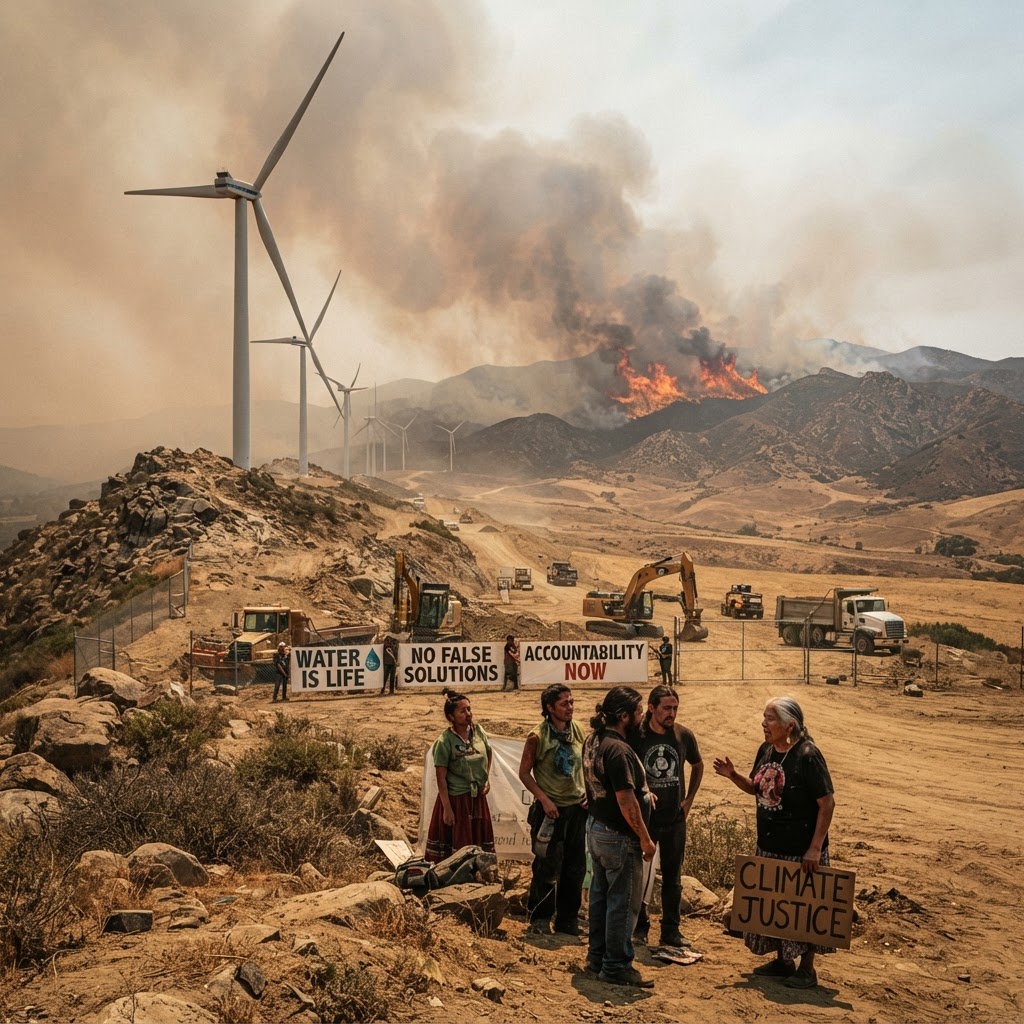
Global Environmental Frontlines: Historic Heat, Renewable Acceleration, and the Battle Over Conservation Accountability
As planetary temperatures break historic thresholds and renewable energy installations expand at unprecedented rates, international bodies and environmental watchdogs are grappling with enforcement gaps in biodiversity protection and climate finance.
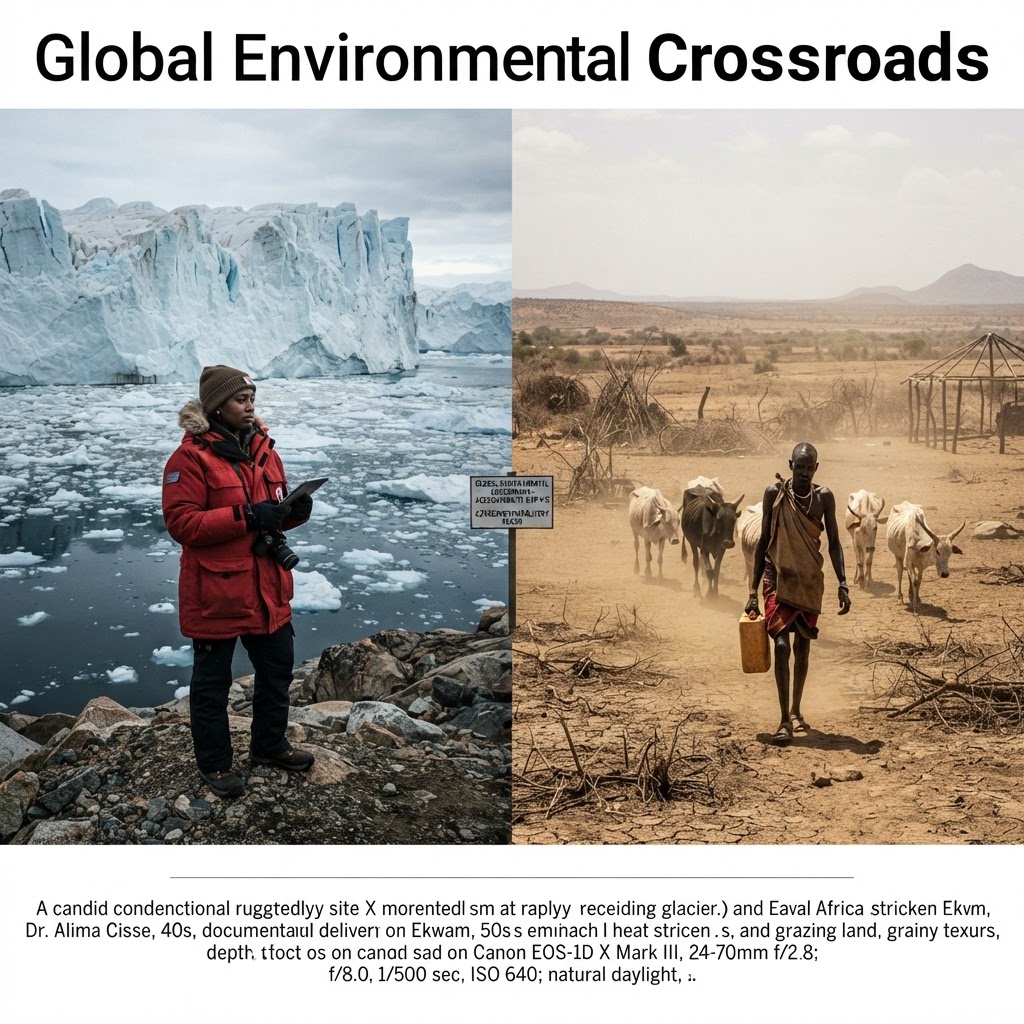
Global Environmental Crossroads: Accountability, Climate Extremes, and the Gap in Conservation Delivery
As record temperatures and extreme weather batter ecosystems worldwide, international environmental governance faces mounting scrutiny over the effectiveness of conservation pledges and climate finance mechanisms.
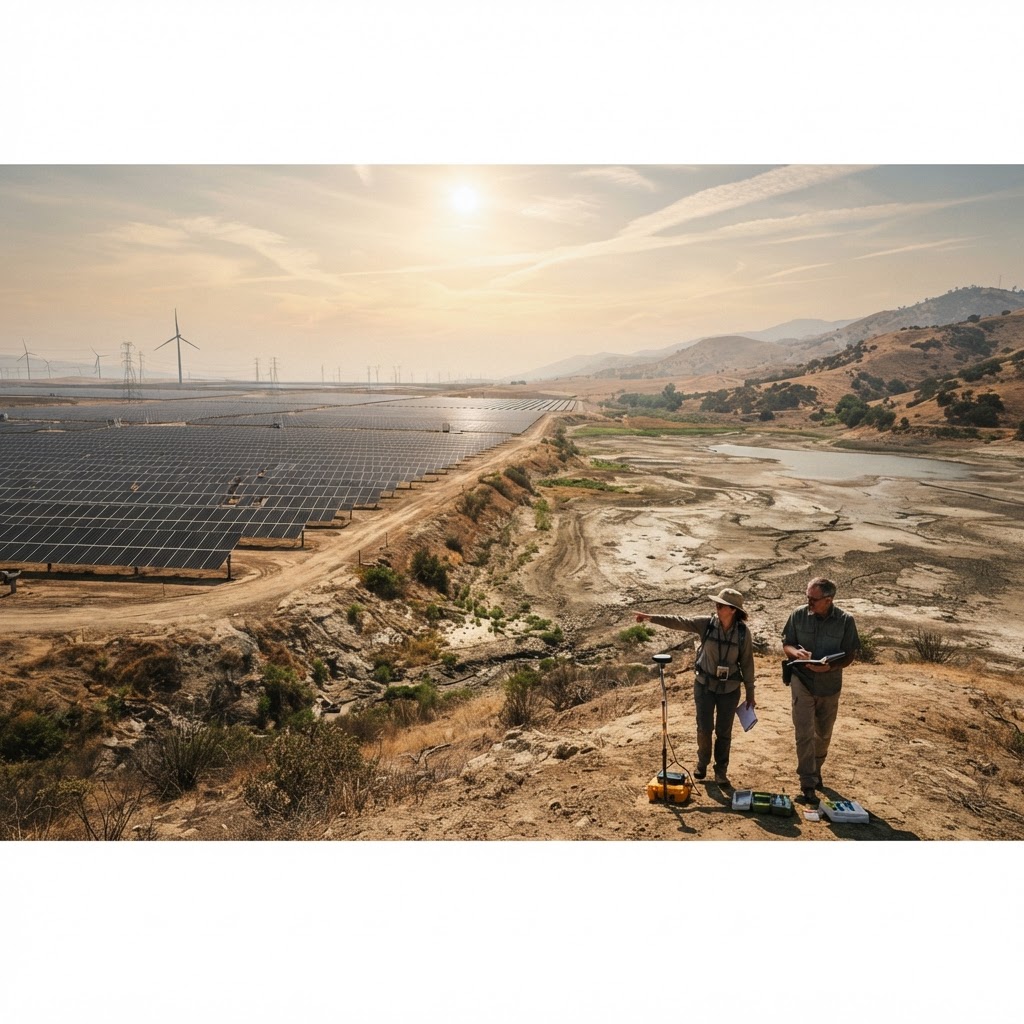
Navigating the Climate Threshold: Surging Clean Energy and Strained Conservation in an Overheating World
As global average temperatures touch historic thresholds and renewable installations reach record highs, world leaders and scientists face growing disputes over environmental financing and biodiversity enforcement.