Navigating the Climate Threshold: Surging Clean Energy and Strained Conservation in an Overheating World
As global average temperatures touch historic thresholds and renewable installations reach record highs, world leaders and scientists face growing disputes over environmental financing and biodiversity enforcement.
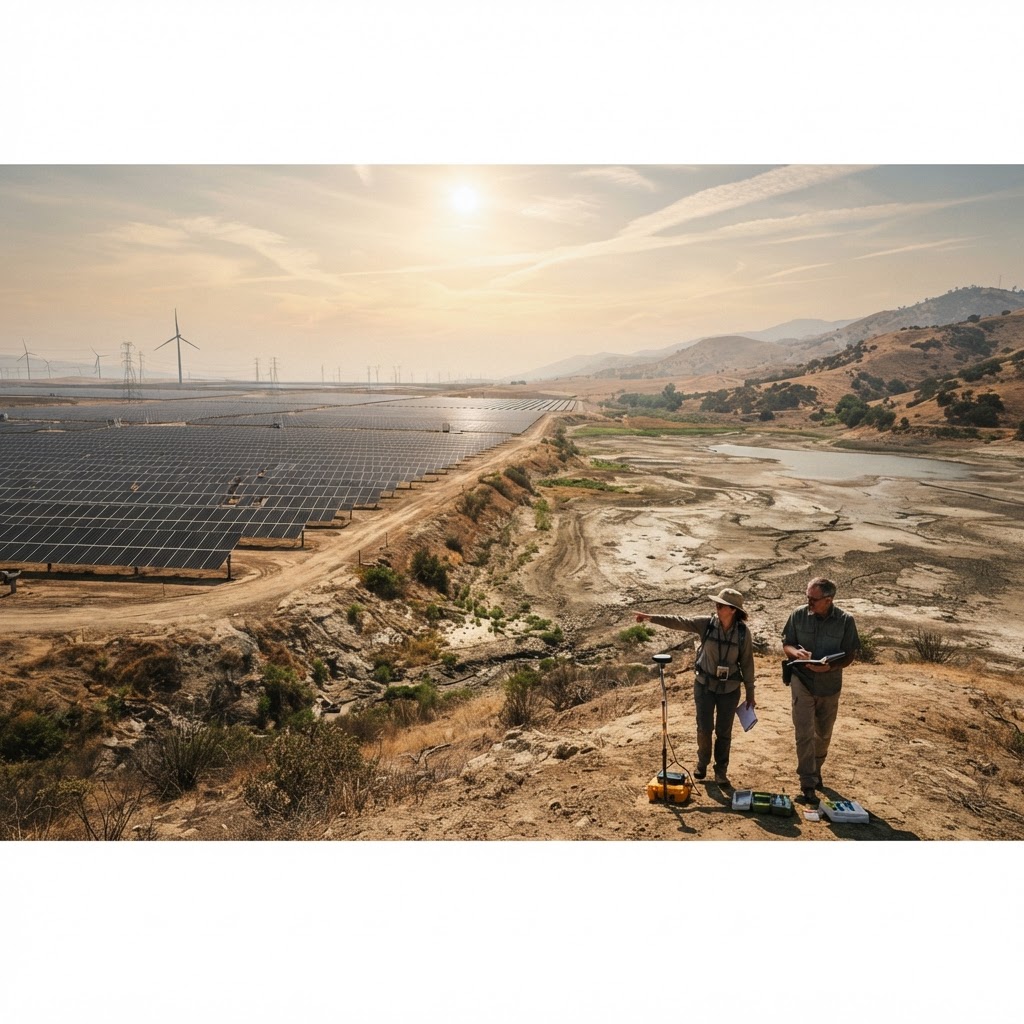
The Pressure of Consecutive Global Temperature Milestones
The international environmental landscape is experiencing unprecedented strain as recent climate data underscores how close humanity is drifting toward sustained breaches of the Paris Agreement's 1.5-degree Celsius threshold. Observations compiled by agencies including the European Union’s Copernicus Climate Change Service and NASA indicate consistent spikes in surface and ocean heat. These temperature shifts have intensified extreme weather across multiple hemispheres, exacerbating cyclonic winds, driving localized droughts, and adding dozens of dangerous heat days to the lives of billions worldwide.
Scientists stress that the primary driver remains the continuous combustion of fossil fuels for power and heat, which pumps billions of tons of greenhouse gases into the atmosphere every year. The compounding effects have reached marine ecosystems, where oceanic warming has supplied record thermal energy to tropical storms and accelerated the degradation of coral reefs. In response, global bodies are confronting the realization that temporarily overshooting agreed temperature targets may become a reality unless systemic reductions accelerate immediately.
The Dual Dynamics of Renewable Acceleration
Amid the alarming ecological indicators, the energy transition has posted historic numbers. Global installations of solar and wind generation are outstripping national targets, propelled by massive capital outlays in China, Europe, and North America. Current trajectory estimates project the addition of more than 5,500 gigawatts of capacity over the coming years, bringing the share of renewables in global electricity supply well beyond the thirty percent benchmark.
Yet, industry analysts note that these milestones are still insufficient to satisfy international commitments aiming to triple renewable capacity. The transition also creates friction over the sourcing of critical transition minerals—such as lithium, cobalt, and copper—vital for batteries and clean grids. Developing guidelines to curb ecological destruction and human exploitation in open-pit mining has evolved into an urgent multilateral endeavor, as policy leaders attempt to prevent green energy supply chains from mirroring the destructive practices of conventional extractivism.
Financing Rifts and Sovereign Accountability
The widening divergence between climate vulnerability and available capital remains one of the sharpest diplomatic sticking points. Developing countries, already grappling with heavy debt burdens and the destruction wrought by recurrent climate shocks, argue that proposed funding arrangements are insufficient and overly reliant on loans. Tensions surrounding voluntary contributions by major emerging economies further complicate negotiations, leaving small island developing states and lower-income nations struggling to secure necessary resources for adaptation and loss relief.
With diplomatic agreements moving slowly, civil society and grassroots campaigners are turning to judicial mechanisms. Recent years have seen a surge in litigation, with international courts and national judiciaries delivering precedent-setting judgments that affirm legal duties on the part of governments to mitigate greenhouse gas emissions. Climate lawsuits against carbon-intensive corporations and non-compliant states have multiplied, signaling that legal liability may increasingly drive policy where voluntary accords falter.
Biodiversity Deficits and the Enigma of 'Paper Parks'
While target declarations to safeguard thirty percent of global lands and waters advance politically, ground-level conservation faces critical hurdles. Assessments from academic bodies, including Yale University’s Environmental Performance Index, highlight that formal designations frequently mask commercial activities such as industrial bottom trawling and mining within declared sanctuaries. Many preserved zones act merely as 'paper parks,' suffering from deficient monitoring, underfunded management, and regulatory loopholes that permit intensive agriculture within reserve borders.
Meanwhile, parallel efforts to establish dedicated science-policy frameworks to curb toxic pollution and chemical waste are advancing under United Nations auspices, driven by findings that environmental contamination claims millions of premature lives each year. As global institutions confront the overlapping crises of warming, species loss, and industrial waste, the consensus among researchers is unmistakable: declarations on paper are inadequate without immediate capital deployment, community inclusion, and verifiable enforcement.
Recommended for you
Similar to “Environment”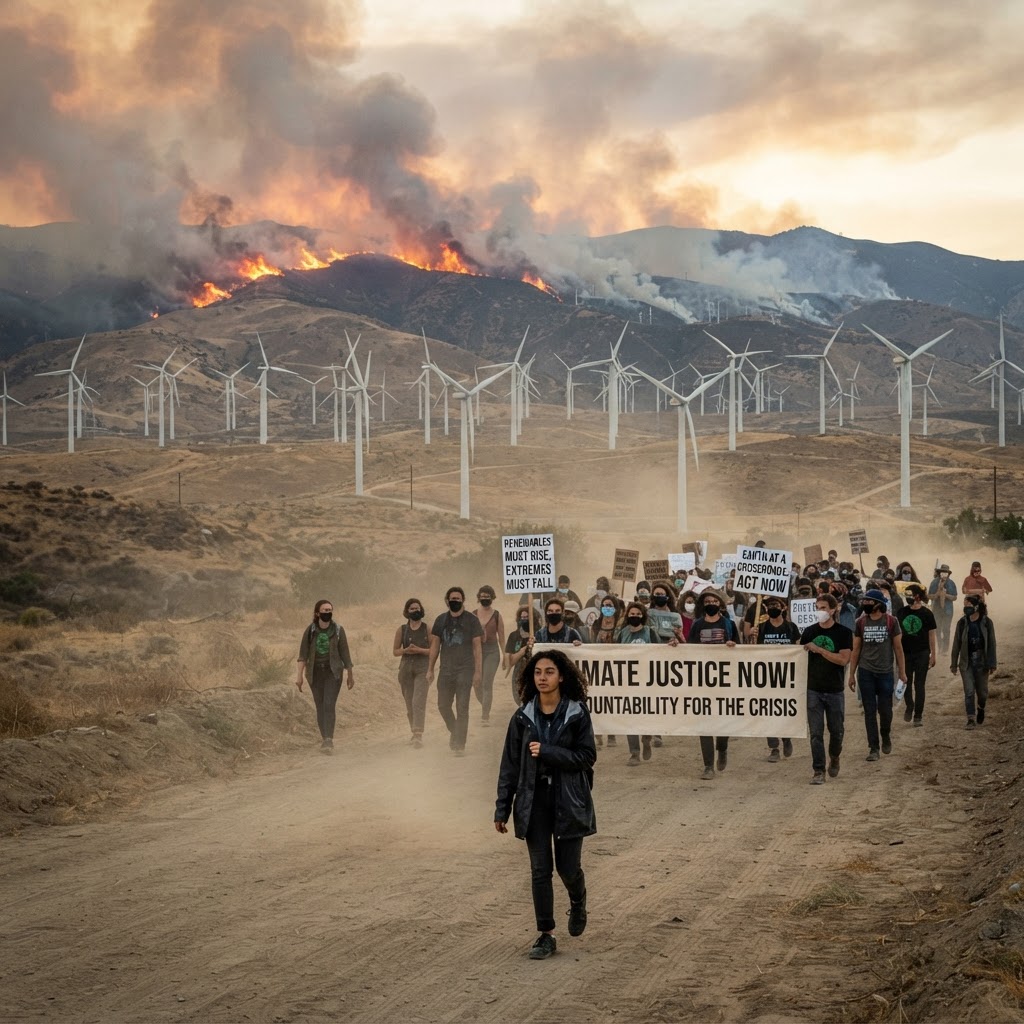
A Crossroads for Earth: Escalating Climate Extremes Collide with Renewable Ambitions and Legal Accountability
As global average temperatures touch historic thresholds and ecosystem indicators flash red, international environmental efforts are being defined by landmark climate litigation, clean-energy records, and fierce debates over conservation funding.
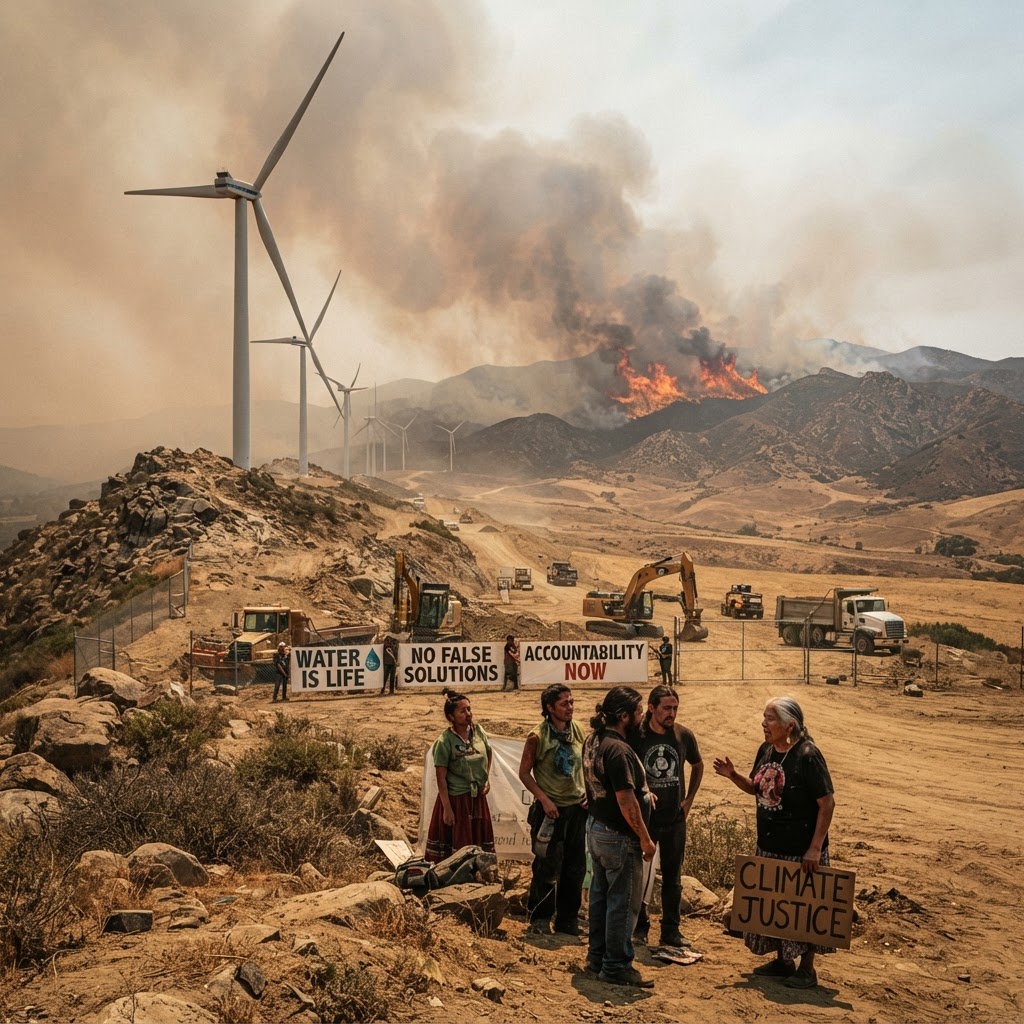
Global Environmental Frontlines: Historic Heat, Renewable Acceleration, and the Battle Over Conservation Accountability
As planetary temperatures break historic thresholds and renewable energy installations expand at unprecedented rates, international bodies and environmental watchdogs are grappling with enforcement gaps in biodiversity protection and climate finance.

Bridging Paper Promises and Tangible Action: The Evolving Frontlines of Global Environmental Governance
As global average temperatures continue to challenge historic thresholds, international policymakers face rising scrutiny over conservation accountability, climate finance deficits, and enforcement across vulnerable ecosystems.