Global Environmental Crossroads: Accountability, Climate Extremes, and the Gap in Conservation Delivery
As record temperatures and extreme weather batter ecosystems worldwide, international environmental governance faces mounting scrutiny over the effectiveness of conservation pledges and climate finance mechanisms.
The Escalating Pace of Planetary Warming
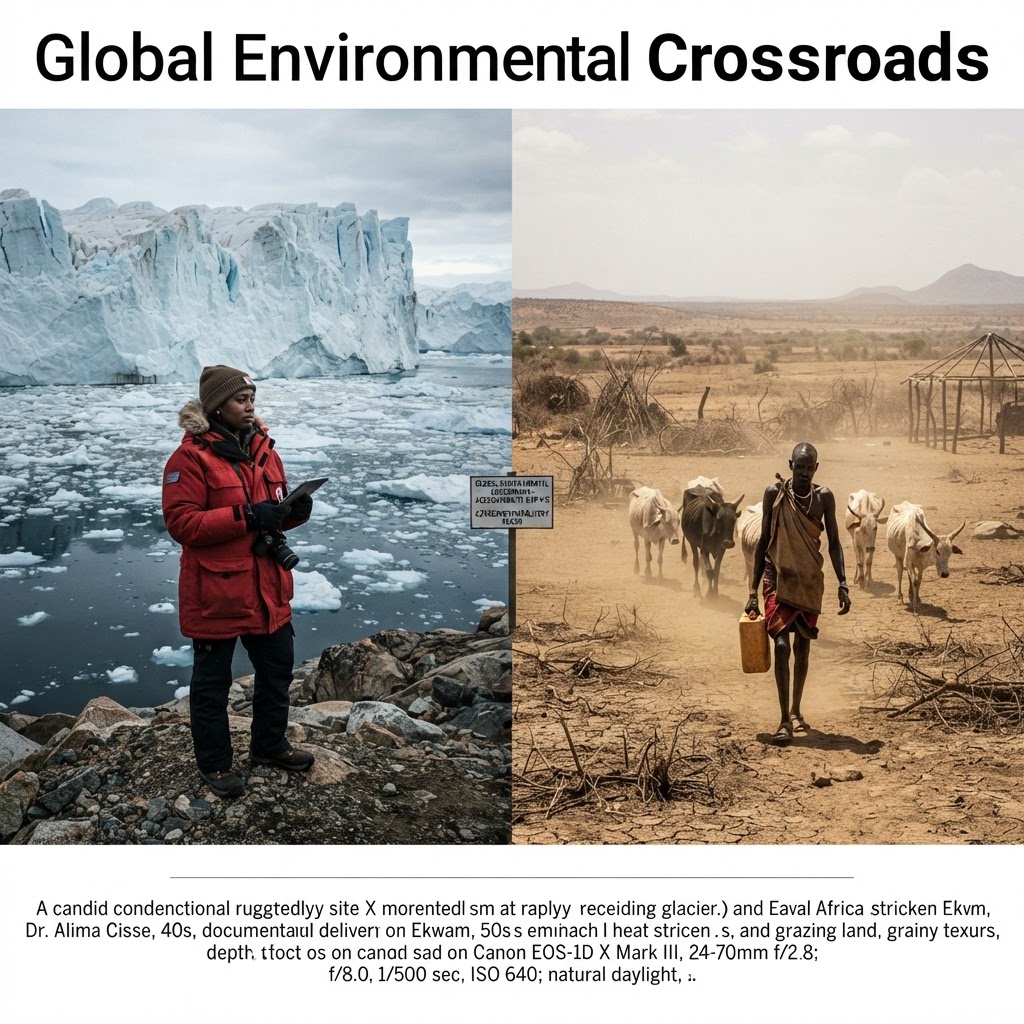
The global climate landscape has entered territory marked by unprecedented temperature extremes and accelerated environmental stress. Recent climate monitoring indicates that global average surface temperatures have repeatedly strained the thresholds established by the Paris Agreement. Analysis from international tracking networks and observational programs highlights how warming atmospheres are fundamentally destabilizing weather patterns, contributing to extended periods of dangerous heat, disrupted precipitation regimes, and severe storm intensification.
Earth observation networks, including orbital instruments managed by space agencies, reveal cascading shifts across marine systems, terrestrial forests, and polar cryospheres. Warming ocean waters have notably intensified tropical cyclone wind speeds and destabilized critical marine ecosystems. Beyond baseline temperature anomalies, these changes are translating directly into human vulnerability, raising food security concerns through agricultural disruptions and exposing urban centers to prolonged, life-threatening thermal extremes.
The Conservation Deficit: 'Paper Parks' and Global Commitments
While international bodies continue to celebrate diplomatic frameworks—such as the landmark Kunming-Montreal Global Biodiversity Framework, which targets protecting thirty percent of planetary land and oceans by 2030—independent empirical evaluations reveal a deep divergence between policy declarations and ecological realities. Research from environmental assessment bodies and universities highlights the widespread prevalence of so-called 'paper parks.'
These designations reflect geographic areas designated as protected reserves that nonetheless experience extensive industrial disruption. Large-scale analyses show that numerous recognized reserves remain heavily compromised by commercial fishing, agricultural encroachment, and resource extraction, occasionally hosting higher rates of disruptive activity than adjacent unprotected waters and forests. In higher-income regions, regulatory exemptions frequently permit industrial bottom-trawling and intensive crop cultivation inside protected boundaries. Conversely, developing nations often face severe shortfalls in technical capacity, funding, and enforcement personnel, rendering formal designations largely ineffective against illegal timber harvesting and habitat fragmentation.
Diplomatic Tension and the Unresolved Battle Over Finance
International environmental negotiations are increasingly dominated by disputes over financial responsibility and equitable burden-sharing. Multilateral discussions surrounding climate finance goals have created sharp divisions between vulnerable nations—disproportionately facing the acute costs of environmental damage—and industrialized economies historic for significant greenhouse emissions.
Delegates from emerging economies argue that proposed financial packages fall far short of the trillions required for comprehensive climate adaptation and biodiversity preservation. Furthermore, the structural nature of provided finance—heavily reliant on loans rather than outright grants—threatens to worsen existing sovereign debt crises in climate-vulnerable states. Debates regarding voluntary financial contributions from major contemporary emitters continue to challenge multilateral consensus, hindering the rapid mobilization of resources essential for global ecological stability.
Shifting Frontlines: Climate Litigation and Science Governance
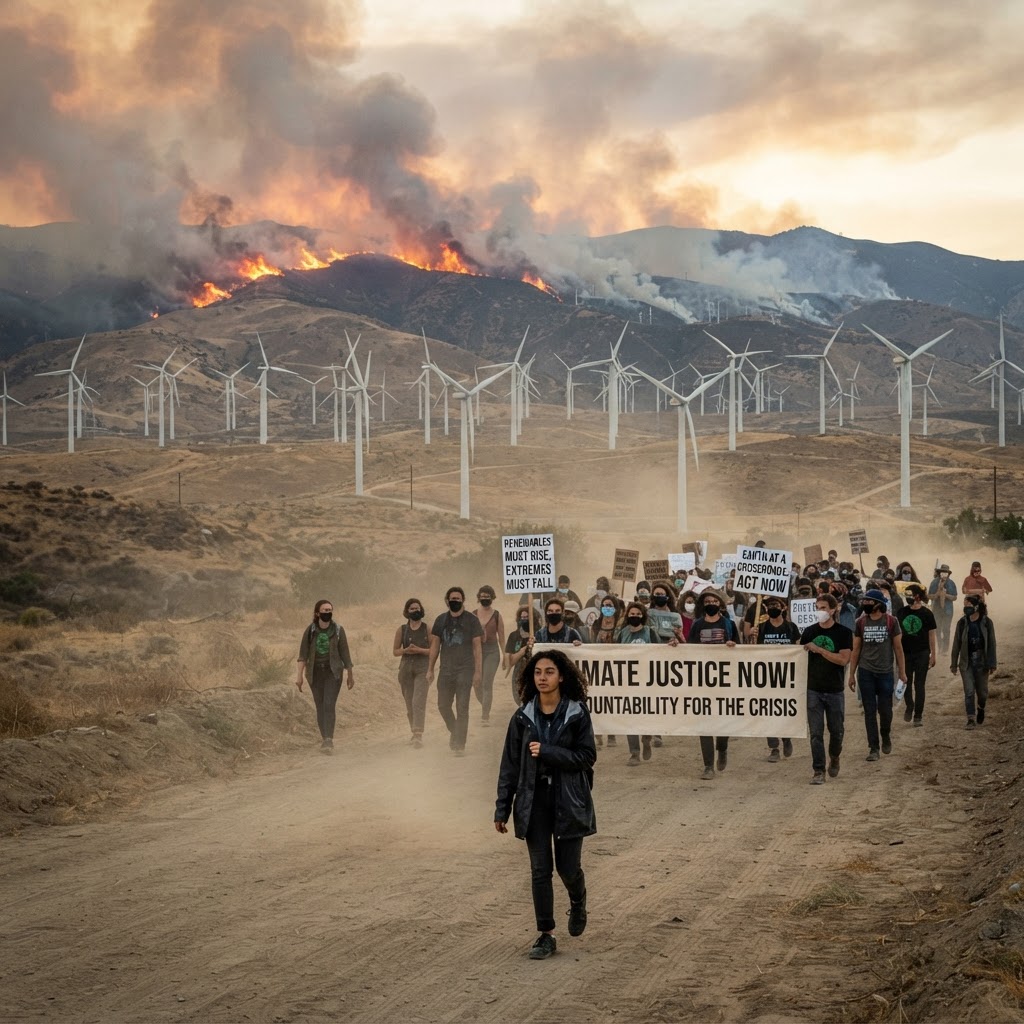
Faced with systemic inertia in political forums, civil society groups and regional communities are pivoting aggressively toward legal arenas. Strategic climate and environmental litigation has multiplied rapidly, with domestic courts and international tribunals establishing landmark precedents. In a growing series of adjudications, judicial authorities have ruled that states possess a clear legal obligation to curb greenhouse emissions and preserve ecosystem health for present and future generations.
Concurrently, multilateral agencies are advancing science-policy architectures aimed at addressing pollutants, chemical toxins, and industrial waste streams that claim millions of lives prematurely every year. By formalizing scientific panels to advise policymakers on ecological toxicity and habitat restoration, international institutions hope to replicate the rigorous evidence-driven frameworks that have informed global climate science. Yet, as grassroots forest defenders and Indigenous communities continue to bear the brunt of local environmental conflicts, the ultimate test for global environmental policy remains whether high-level legal victories and treaty texts can translate into measurable protection on the ground.
Recommended for you
Similar to “Environment”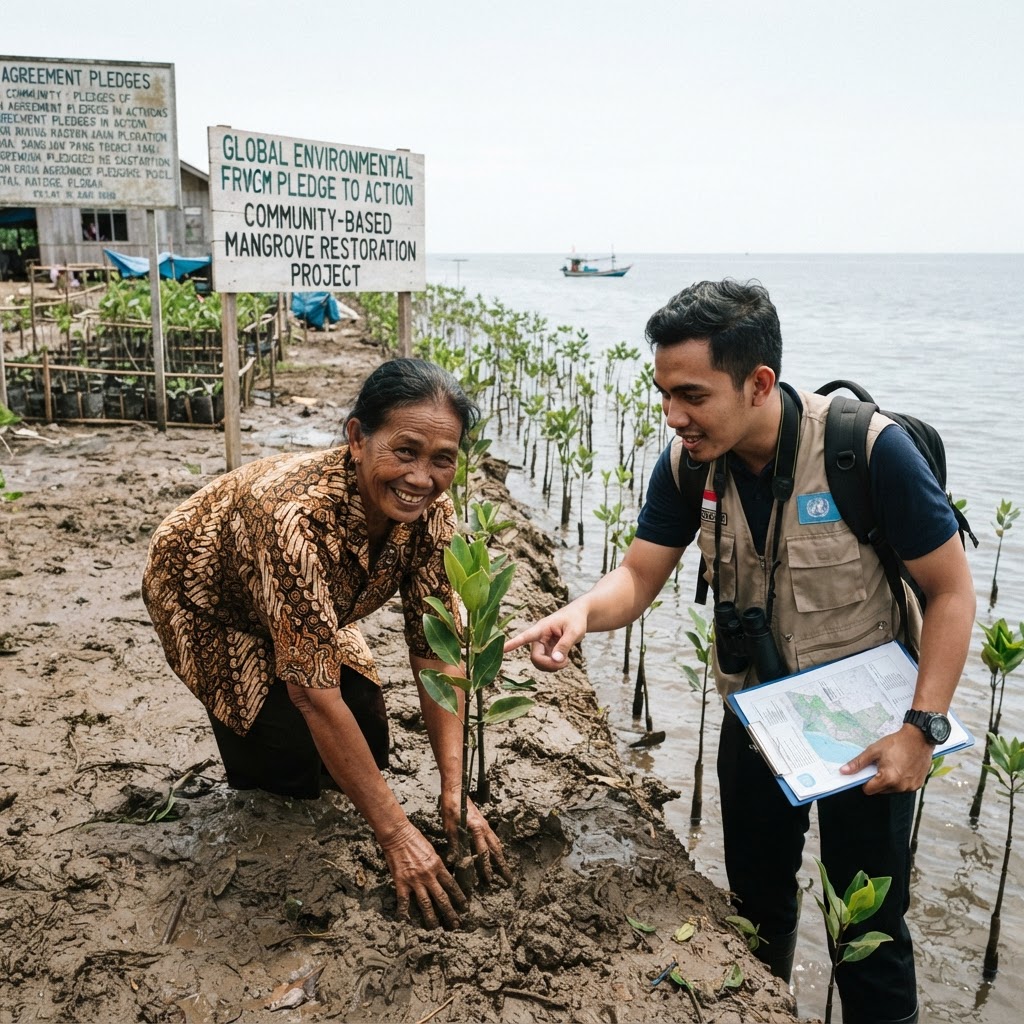
Bridging Paper Promises and Tangible Action: The Evolving Frontlines of Global Environmental Governance
As global average temperatures continue to challenge historic thresholds, international policymakers face rising scrutiny over conservation accountability, climate finance deficits, and enforcement across vulnerable ecosystems.

Global Environmental Governance at a Crossroads: Finance Fractures, Ecological Strain, and the Scramble for Accountability
As international climate finance disputes intensify and extreme weather disasters escalate globally, nations struggle to balance fragile conservation commitments against systemic enforcement hurdles.
A Crossroads for Earth: Escalating Climate Extremes Collide with Renewable Ambitions and Legal Accountability
As global average temperatures touch historic thresholds and ecosystem indicators flash red, international environmental efforts are being defined by landmark climate litigation, clean-energy records, and fierce debates over conservation funding.