A Fractured Renaissance: How Tech Incursions, Heritage Reclamations, and Live Touring Are Reshaping Global Culture
From high-stakes debates over artificial intelligence in literature and music to landmark diplomatic moves over ancient antiquities and shifting live-entertainment models, global culture is undergoing a dramatic realignment.
The Looming Frontier of Artificial Intelligence and Creative Integrity
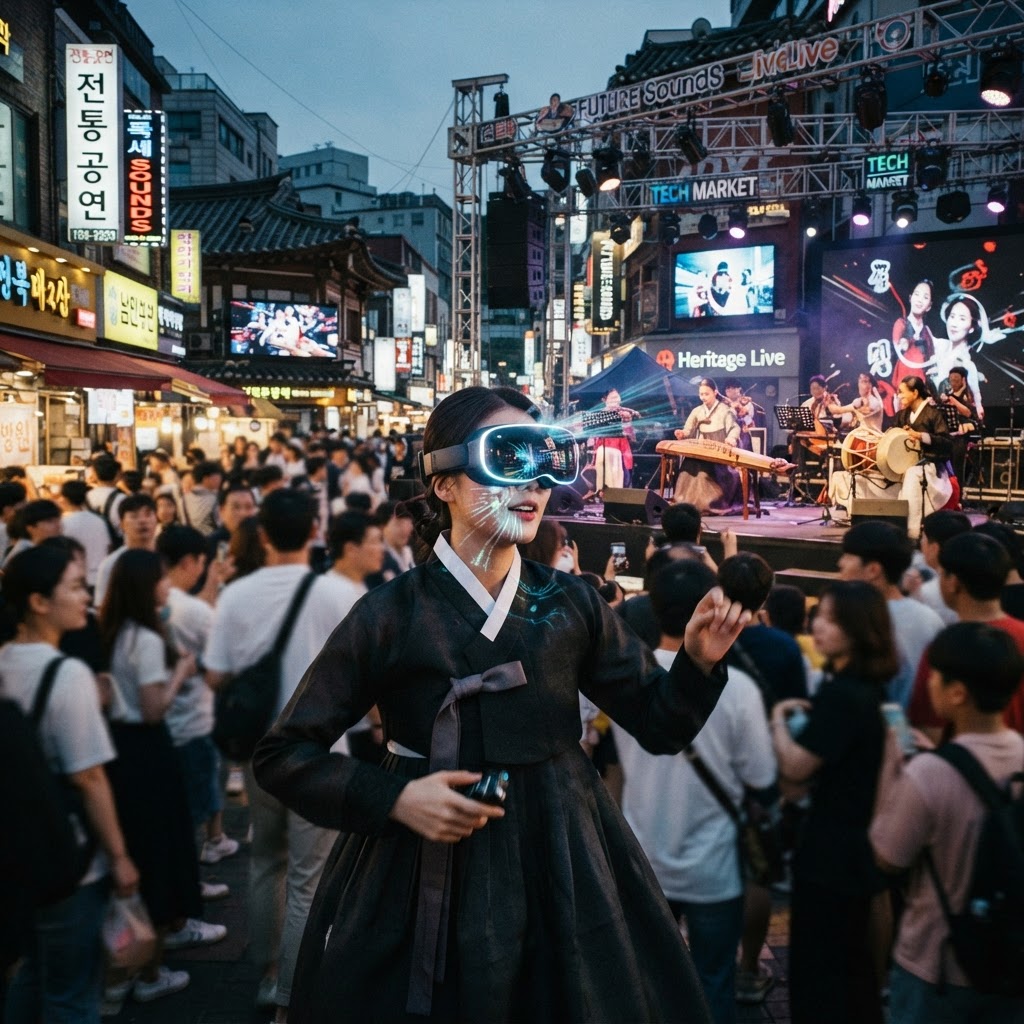
The cultural sphere is wrestling with an existential friction between computational innovation and traditional creative expression. As documented across international media including Euronews Culture, the debate over artificial intelligence is shifting from theoretical risks to active flashpoints across the arts. In literature, contemporary authors face heightened scrutiny and accusations regarding algorithmically assisted prose, prompting heated discussions around authorial authenticity and originality. At the same time, leading human rights advocates and artists, such as Chinese dissident creator Ai Weiwei, have cautioned that expanding digital surveillance and generative technology risk eroding essential human individuality and creative autonomy.
This friction extends deeply into the music landscape. Emerging data indicates that a notable proportion of contemporary commercial tracks incorporate algorithmic generation, sparking fierce resistance from legacy performers and labor groups even as tech platforms adopt synthetic alternatives. Concurrently, veteran legacy artists facing health barriers or travel constraints have openly explored avatar-based digital performances, signaling that the line dividing flesh-and-blood creativity from machine replication continues to blur.
Reclaiming the Past: Repatriation and the Politics of Heritage
Beyond technology, cultural diplomacy has seen a flurry of activity centered on national heritage and archaeological restitution. Several historic negotiations over ancient artifacts have reached critical turning points. European authorities, notably in Greece and neighboring Balkan nations, have engaged in renewed discussions concerning the ethical return and display of ancient treasures, emphasizing sovereign ownership over classical legacies and resisting loan agreements that skirt full repatriation.
Simultaneously, unexpected archaeological breakthroughs are challenging long-held assumptions regarding ancient civil structures. Major excavations across historical European hubs, as well as sites across Latin America, have unearthed previously undocumented civic centers, ceremonial pathways, and ritual offerings. These discoveries continue to rewrite archaeological narratives about continuity after catastrophic conflict, illustrating how classical settlements adapted through cultural transitions rather than immediate abandonment.
The Changing Dynamics of Spectacle and Audience Economics
Live entertainment is experiencing an unprecedented structural pivot. The explosive popularity of localized performance residencies across major metropolitan centers has created lucrative windfalls for promoters, but watchdog groups and industry observers warn of an unsustainable burden shifting onto everyday attendees. Rising prices for long-distance travel, dynamic ticketing premiums, and inflated hospitality packages have raised pressing concerns about the socioeconomic accessibility of live cultural events.
To navigate these logistical hurdles, major performers and global distributors are increasingly turning to free, synchronous digital broadcasts that attract record-breaking international audiences across streaming networks. By transforming stadium performances into accessible live-stream events, rights holders are discovering that decentralized viewing models can capture hundreds of thousands of concurrent viewers while partially mitigating the exclusivity of the live concert circuit.
Linguistic Shifts and Grassroots Digital Expression
At the grassroots level, everyday vernacular and creative expression reflect the rapid tempo of online culture. Annual language observatories, including those affiliated with premier continental book fairs, are spotlighting the ascendancy of youth colloquialisms born from viral video ecosystems. Terms encapsulating online exasperation, viral conflict, and expressive performance have transitioned rapidly from internet niches to mainstream conversation.
Similarly, competitive social phenomenons centered around charisma, style, and playful movement have migrated off smartphone screens and onto public streets, where younger demographics turn viral online challenges into physical spectacles. In synthesizing ancient preservation battles with digital modernity, the current cultural epoch demonstrates that whether preserving millenary stones or shaping algorithmic music, humanity remains fiercely committed to interrogating what defines creative expression.
Recommended for you
Similar to “Global Culture”
A Fractured Renaissance: How Heritage Battles, Live Spectacle, and Linguistic Shifts Define Modern Culture
From high-stakes diplomatic disputes over museum antiquities to the soaring economic costs of stadium residencies, the cultural ecosystem is grappling with rapid transformation across public and private spheres.

Between Heritage and Innovation: How Global Culture Navigates Technological Disruption and Shifting Frontiers
From generative artificial intelligence scandals in literature to the diplomatic restitution of antiquities, recent events highlight a dynamic cultural landscape balancing heritage preservation with modern technology.

Between Sacred Roots and Digital Disruption: Cultural Heritage Meets Modern Anxieties
From historical commemorations in Assisi and renewed Parthenon diplomacy to controversies over artificial intelligence in literature and music, global culture navigates a delicate tension between heritage and high-tech evolution.