A Fractured Renaissance: How Heritage Battles, Live Spectacle, and Linguistic Shifts Define Modern Culture
From high-stakes diplomatic disputes over museum antiquities to the soaring economic costs of stadium residencies, the cultural ecosystem is grappling with rapid transformation across public and private spheres.
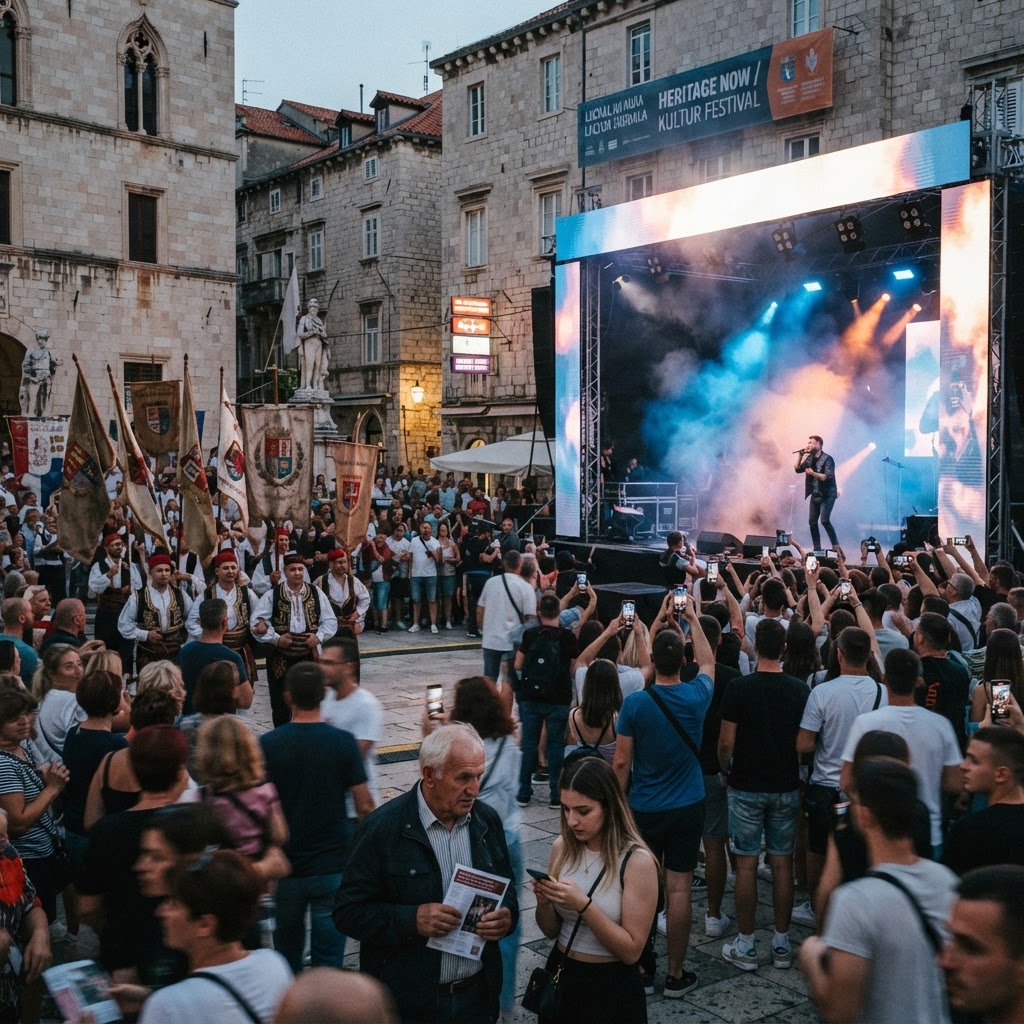
The Shifting Battlegrounds of Heritage and Restitution
The global art and cultural heritage landscape is navigating a tense reckoning over provenance, ownership, and national identity. Long-standing disputes regarding imperial-era acquisitions have gained fresh momentum as source nations adopt more assertive postures. Rather than accepting traditional loan agreements or temporary exchanges, cultural authorities are demanding outright repatriation, arguing that nations should never have to borrow what is fundamentally their own heritage. Bilateral dialogues, such as ongoing negotiations across European capitals regarding classical antiquities and cross-border collections, highlight a growing departure from past museum diplomacy.
This insistence on true restitution reflects a broader transformation in how civic institutions manage memory. Museums and heritage bodies face rising expectations from audiences and governments to redress historic imbalances. The renewed emphasis on returning cultural treasures underscores an emerging global consensus that national legacy cannot be separated from historical accountability.
The Economics and Evolution of Live Spectacle
Simultaneously, the live entertainment sector is undergoing a profound structural shift. Extended concert and performance residencies—historically associated with specific casino districts or traditional theater centers—have expanded across major international metropolitan hubs. Renowned artists and major international performers increasingly opt for multi-night city stands over sprawling, grueling global travel routes. These engagements deliver high production value, immersive technical staging, and concentrated commercial attention in selected urban capitals.
Yet, this boom in live entertainment comes with escalating challenges for the public. Escalating dynamic ticket prices, coupled with high lodging and transport expenses, have sparked criticism from consumer advocacy networks. Critics warn that live cultural participation is swiftly becoming a luxury restricted to affluent travelers. In response, media conglomerates and live-streaming partners have begun experimenting with simultaneous global digital broadcasts to maintain broad accessibility, attempting to bridge the gap between premium in-person events and a broader audience wanting democratic access to artistic performances.
Linguistic Innovation and Digital Generation Gaps
Beyond traditional institutions and entertainment economics, contemporary culture is being reshaped in real time by the rapid evolution of everyday language. Online forums, social platforms, and digital vernacular continue to accelerate linguistic turnover, driving expressions born in niche web communities straight into mainstream consideration. Terms emerging from confrontational digital behaviors, online content dynamics, and viral media are increasingly contending for official institutional recognition, such as youth word-of-the-year honours.
This accelerated linguistic churn demonstrates the friction between established lexicographical traditions and high-velocity internet culture. As younger demographics adopt and discard idioms at unprecedented speeds, conventional arbiters of language—from publishing houses to educational entities—are forced to reconsider how they document living speech. The resulting interplay illustrates that the cultural boundaries between internet subcultures and formal linguistic traditions have effectively disappeared, leaving behind an adaptable, fluid landscape where public discourse is continually rewritten.
Recommended for you
Similar to “Culture”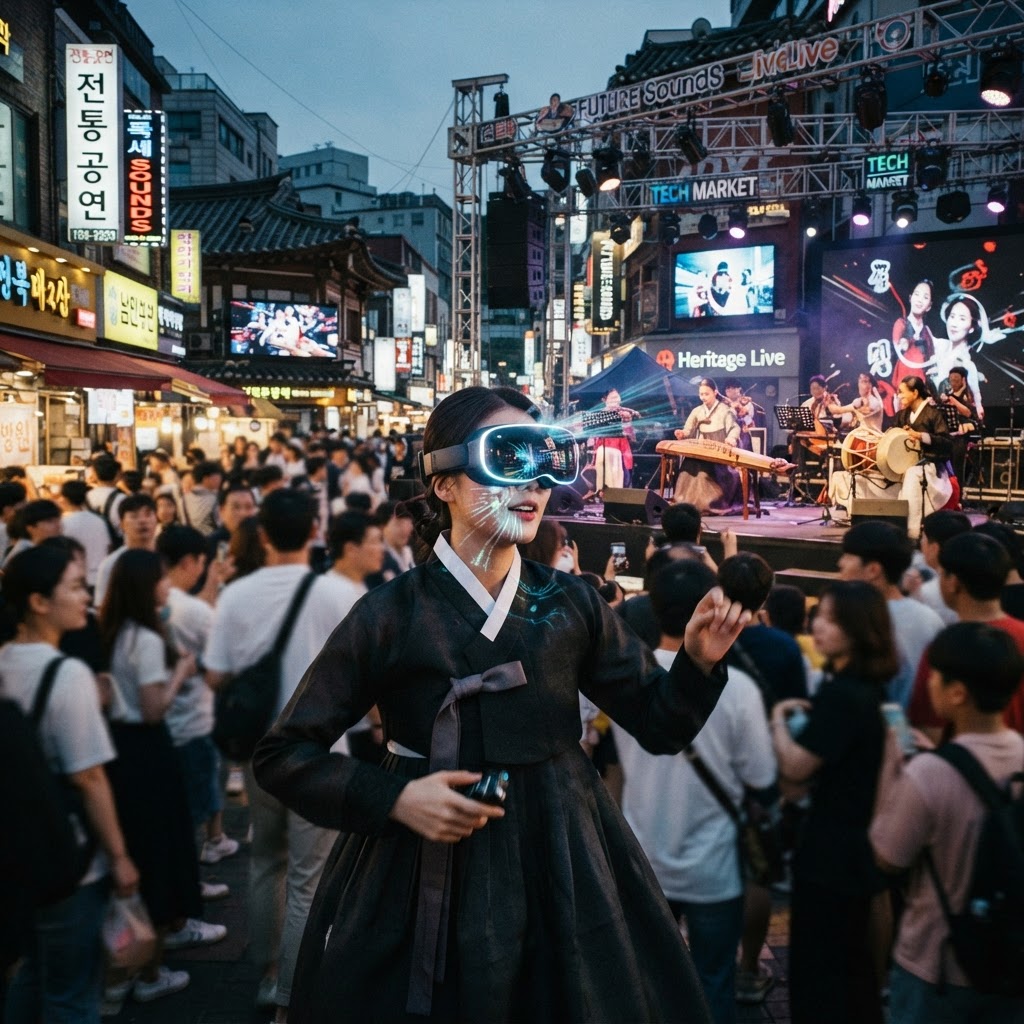
A Fractured Renaissance: How Tech Incursions, Heritage Reclamations, and Live Touring Are Reshaping Global Culture
From high-stakes debates over artificial intelligence in literature and music to landmark diplomatic moves over ancient antiquities and shifting live-entertainment models, global culture is undergoing a dramatic realignment.
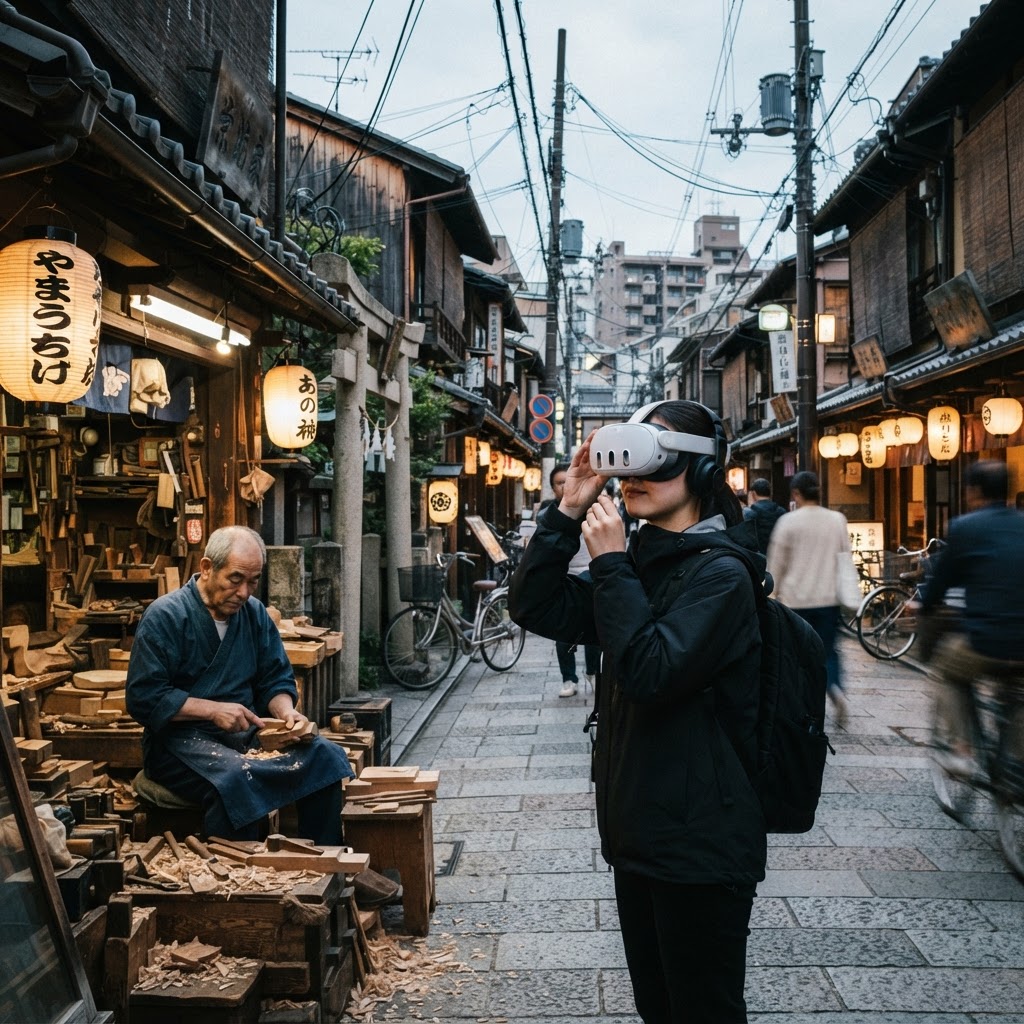
Between Heritage and Innovation: How Global Culture Is Navigating Modern Shocks
From digital streaming milestones and museum thefts to shifting youth vernaculars and disputes over artificial intelligence in art, the global cultural arena is grappling with dramatic transformations.
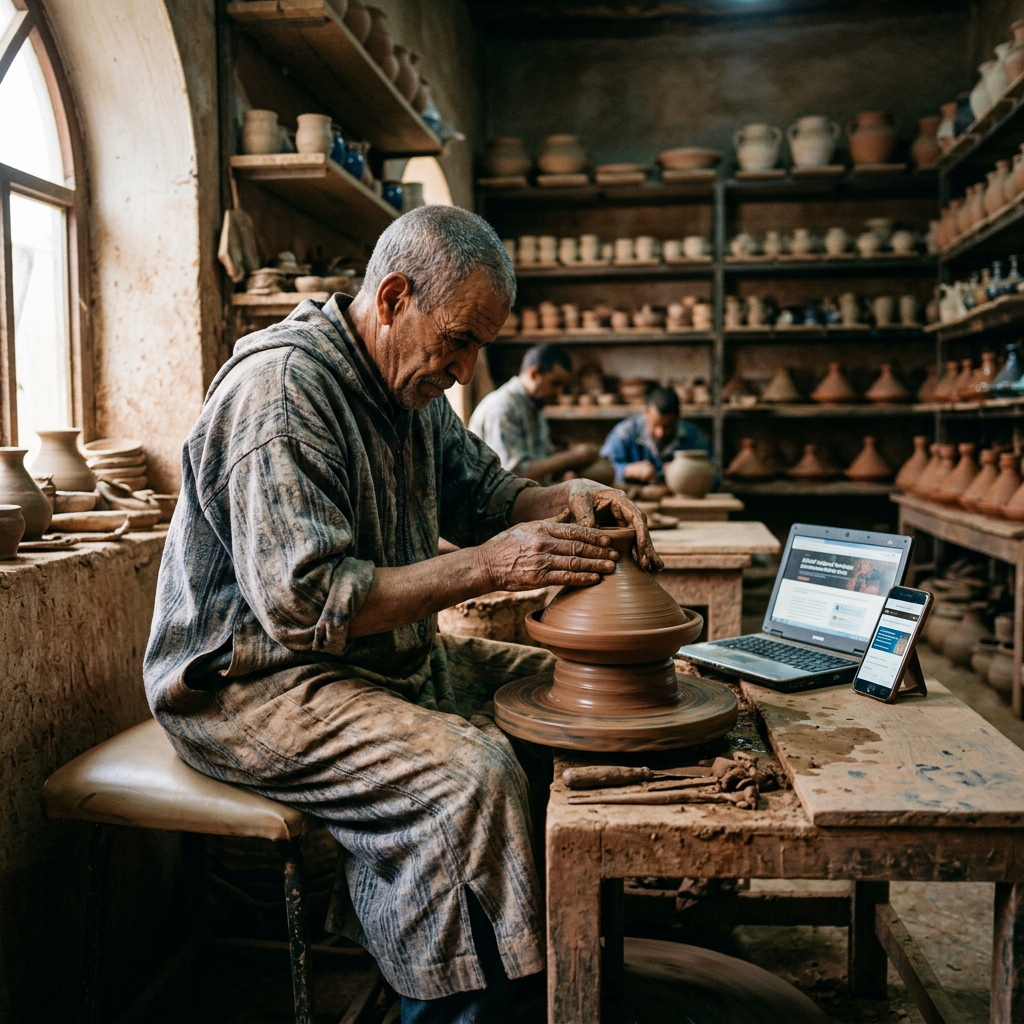
Preserving the Human Touch: Global Culture Confronts Technological Shifts, Economic Realities, and Heritage Diplomacy
Recent developments across the cultural landscape reveal a sector navigating profound dualities, from the complex rise of artificial intelligence in the arts to innovative heritage diplomacy and economic challenges confronting live performance.