Global Diplomacy at a Crossroads: Security Crises, Shifting Alliances, and Civil Dissent Reshape International Politics
From escalated friction in the Middle East and Eastern Europe to dramatic political demonstrations in Asia, the international order is confronting a critical wave of systemic tests. As middle powers adapt to evolving multipolarity, multilateral frameworks and state institutions face intense pressure worldwide.
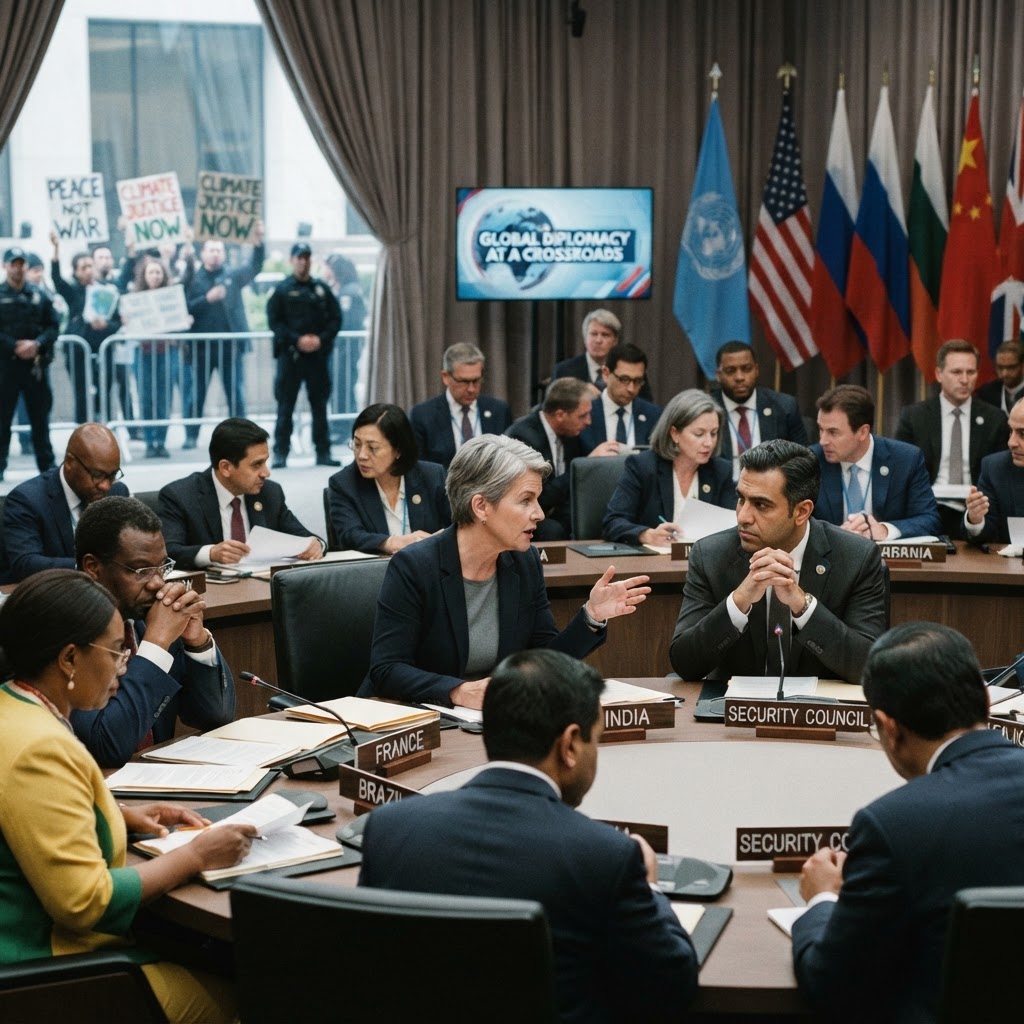
A Complex Convergence of Geopolitical Pressures
The contemporary international system is operating under unprecedented strain as acute security friction, shifting state leaderships, and expanding civil unrest intersect across multiple continents. Observers of world affairs are tracking simultaneous tremors in the traditional corridors of diplomacy, where longstanding alliances are adapting to emergent regional architectures, and where domestic political volatility increasingly spills across borders.
In key flashpoints spanning Eastern Europe and the Middle East, military realignments continue to dominate strategic agendas. As observed in recent international coverage from NBC News, sustained conflicts in Ukraine and tensions surrounding Iranian operations remain focal points for Western allies and international organizations alike. The technological and kinetic evolution of these conflicts has underscored the reliance on satellite communications, international legal accountability, and coalition-building to manage risks that threaten global trade arteries and regional stability.
The Middle East and the Rule of Law
Developments involving Middle Eastern security dynamics continue to reverberate across the broader diplomatic arena. The ripple effects of cross-border actions and strikes have renewed debate over the durability of customary humanitarian standards and the reach of international legal mechanisms. Analysis published by World Politics Review highlights how diplomatic fallout from regional strikes has placed multilateral legal institutions back at the center of state-level debates, forcing both great powers and regional actors to re-examine the legal underpinnings of force projection.
These confrontations do not merely destabilize regional perimeters; they carry immediate domestic repercussions for governing coalitions worldwide. Electoral dynamics in major democratic capitals, as reported by political outlets like POLITICO, increasingly mirror citizen anxiety over foreign engagement and defense spending. When foreign policy dilemmas begin directly affecting legislative campaigns and public approval, leaders often face constrained room for maneuver on the global stage, limiting their capacity for extended international commitments.
Civil Mobilization and Democratic Friction in Asia
Concurrently, the domestic political landscape in several pivotal nations is experiencing heightened volatility. In South Asia, mass movements and opposition mobilizations have placed fresh scrutiny on administrative authority and civil liberties. Reporting from national and international outlets, including NPR's News Roundup, points to sustained demonstrations that have challenged governance norms and provoked sweeping security interventions in key metropolitan centers.
In India, large-scale rallies and clashes surrounding electoral oversight and civil freedoms have captured international concern. The government's preemptive transport closures, detentions, and strict assembly controls have drawn sharp scrutiny from rights organizations and global monitors. These events signal that domestic stability inside key emerging powers can no longer be decoupled from broader questions of democratic resilience and regional geopolitical alignments.
The Ascent of Middle Powers and Strategic Autonomy
Beyond traditional conflict zones, a notable restructuring of global influence is underway through the proactive diplomacy of middle powers. Caught between the friction of established superpowers, mid-sized nations across Europe, Latin America, and East Asia are building targeted multilateral coalitions to secure their economic, technological, and cultural interests. Instead of relying solely on comprehensive historic alliances, states are opting for bilateral and mini-lateral pacts designed to protect specialized industrial supply chains, clean energy investments, and technological sovereignty.
Recent reporting on European and Asian bilateral negotiations illustrates this shift clearly. Diplomatic initiatives between European capitals and Asian partners—ranging from cooperative creative industry protections to green transition treaties—reflect a desire to construct resilient, non-hegemonic frameworks. By pooling resources and standardizing technical policies outside traditional multilateral paralysis, middle powers are carving out spheres of autonomous decision-making that challenge binary geopolitical assumptions.
Institutional Resilience in an Era of Volatility
As state leaders, regional bodies, and international organizations navigate this interconnected web of challenges, the core architecture of world affairs is undergoing significant recalibration. Whether addressing humanitarian emergencies, regulating advanced battlefield technologies, or managing the domestic repercussions of economic integration, international governance mechanisms are being tested to their limits.
The events unfolding over recent days demonstrate that conventional balance-of-power models are insufficient on their own. In a world defined by distributed influence, grassroots civil activism, and tactical mini-lateralism, the international order must develop more agile and responsive diplomatic tools to prevent localized flashpoints from cascading into systemic crises.
Recommended for you
Similar to “World Affairs”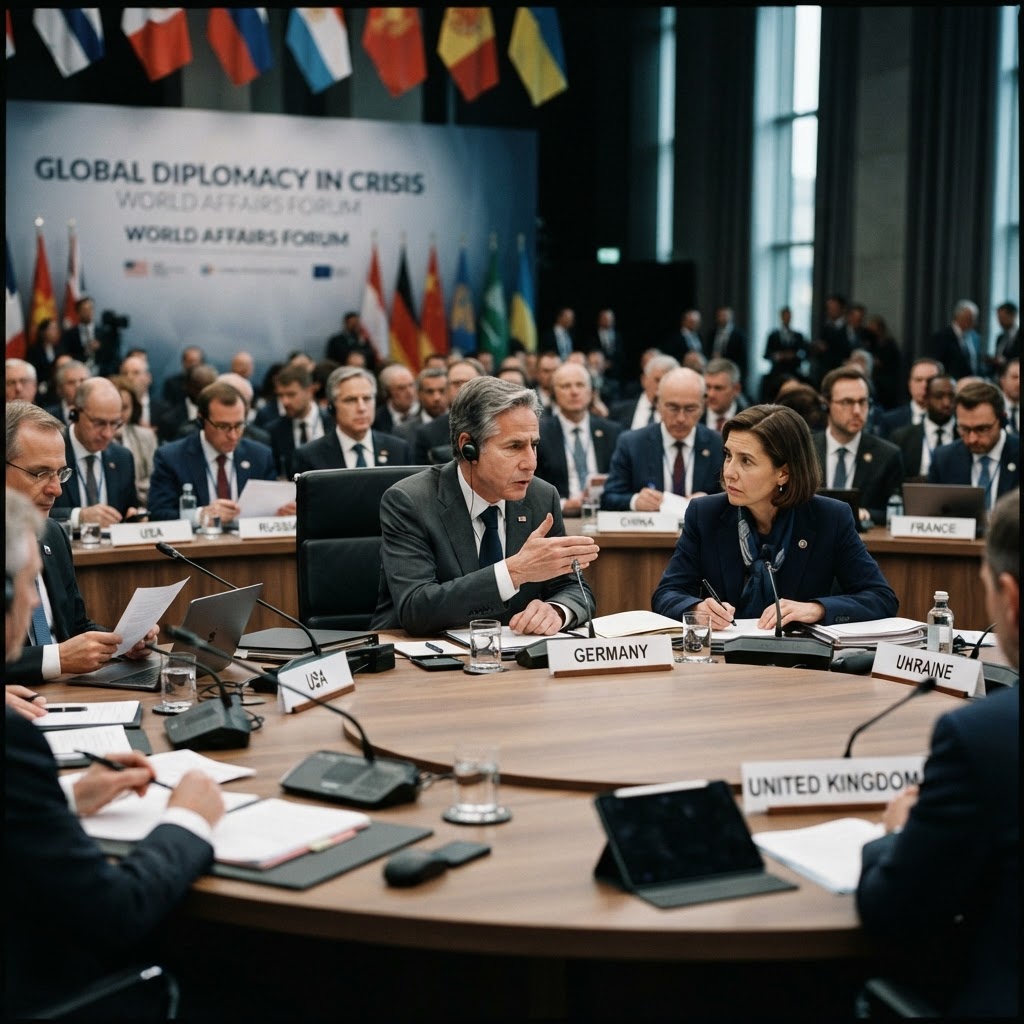
Global Diplomacy Strained as Energy Pacts, Weapon Shortages, and Political Fractures Reshape World Order
Recent diplomatic realignments, shifting energy agreements between major powers, and escalating regional tensions across Eastern Europe, the Middle East, and Asia are testing long-standing geopolitical alliances.
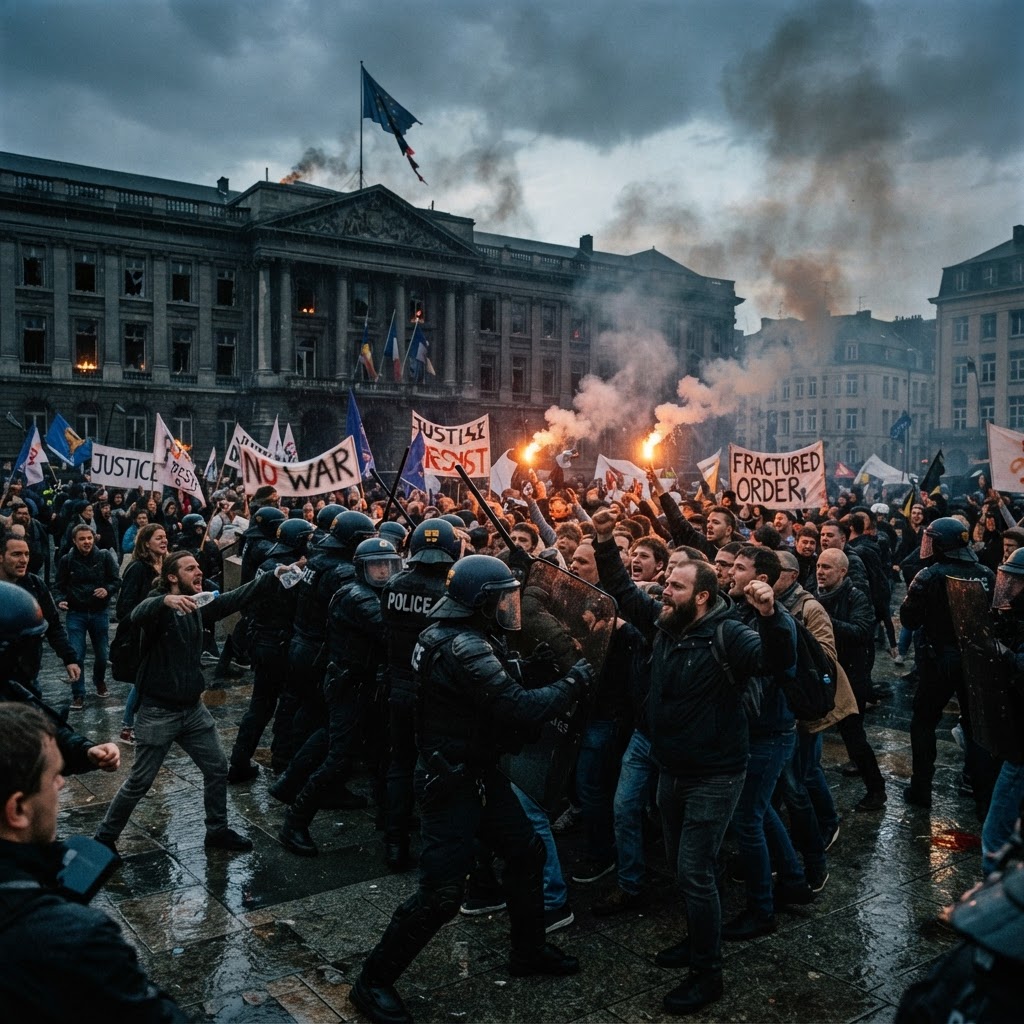
A Fractured International Order: Mounting Geopolitical Pressures and Domestic Unrest Reshape Global Affairs
Escalating military friction in Eastern Europe and the Middle East intersects with widespread civil unrest and shifting Western alliances, underscoring growing fragility across the international system.
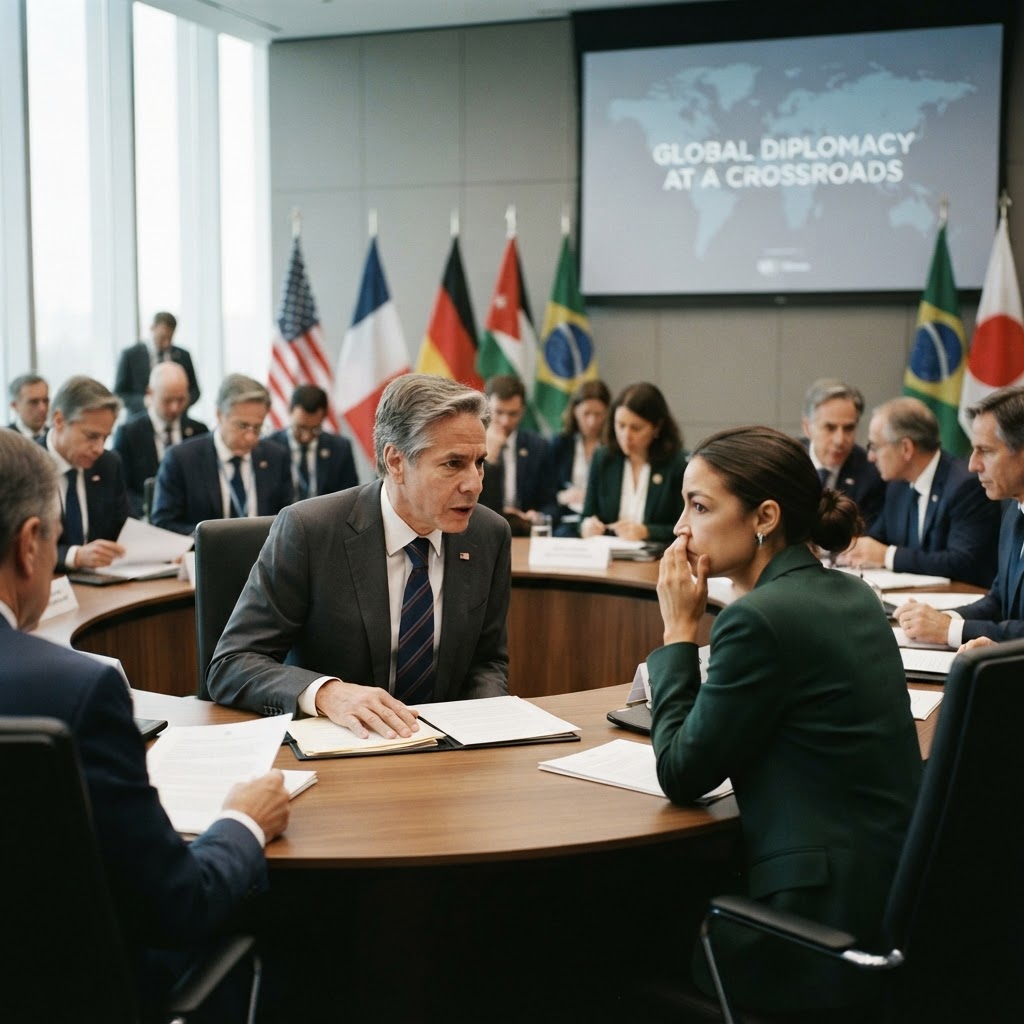
Global Diplomacy at a Crossroads: High-Stakes Summits, Escalating Middle East Tensions, and Climate Reckonings
As world powers prepare for rare trilateral leadership talks amid continuing regional conflicts in Eastern Europe and the Middle East, international negotiators face mounting geopolitical strain and fractured multilateral consensus.