A Fractured Accord: Shifting Public Sentiments and the Erosion of Institutional Trust
Recent commentary and opinion research reveal an escalating crisis of confidence in public governance alongside deep re-evaluations of international alliances. As domestic institutions face plummeting approval, global opinion indicates an increasingly wary and fragmented populace.
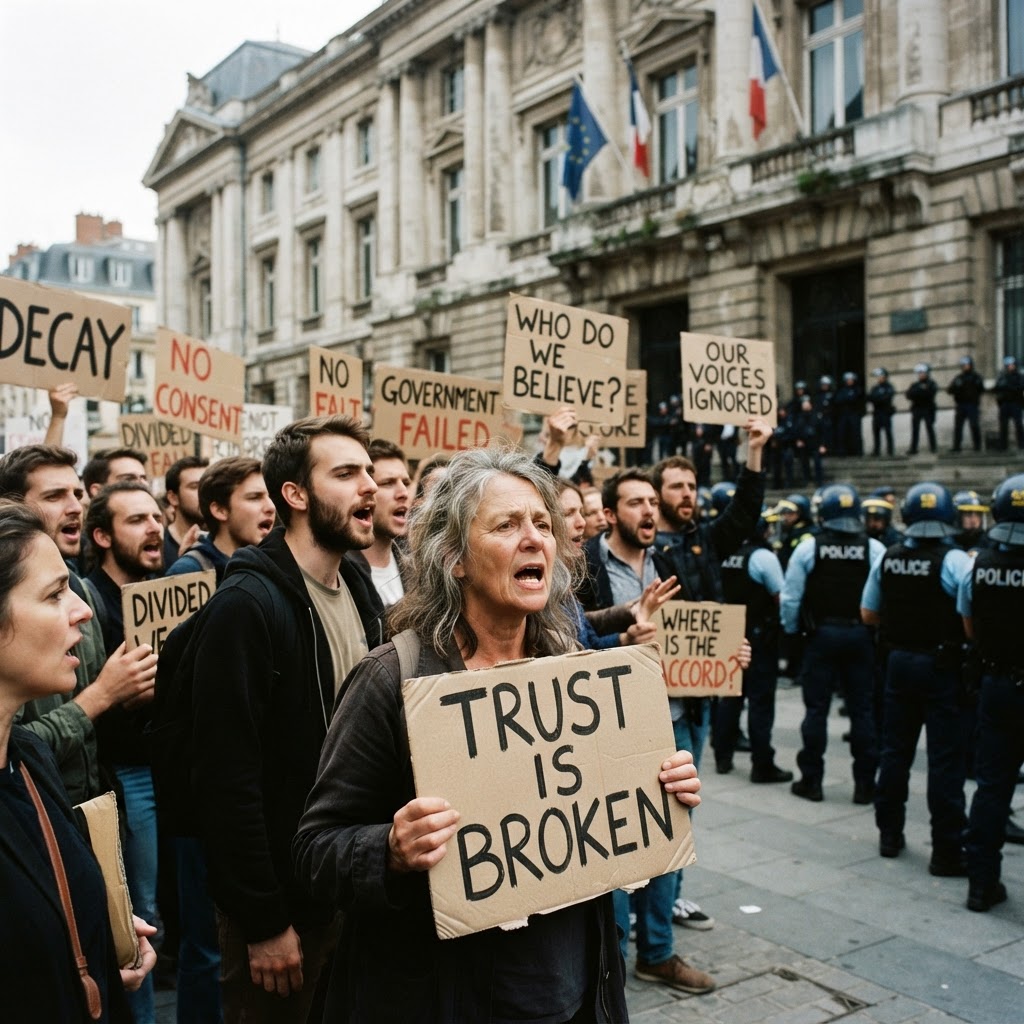
The Deepening Crisis of Institutional Legitimacy
Across modern democracies, the tacit agreement between governing bodies and the citizens they serve is enduring unprecedented strain. Editorials and contemporary public research paint a striking picture: civic faith is not simply stagnating, but deteriorating across foundational public bodies. According to long-term demographic and tracking indicators published by Gallup News, public confidence in federal governance and core executive departments has reached concerning depths. Where citizens once assumed baseline administrative competence, widespread skepticism now shapes everyday perceptions of institutional capability.
This erosion is not limited to political leadership alone. Broad sectors of domestic oversight, from regulatory bodies down to basic administrative functions, are facing historically depressed public evaluations. The societal fallout of this trend is multifaceted. As the perceived reliability of central governance diminishes, the public square becomes increasingly reactive, vulnerable to polarization, and susceptible to ideological retrenchment. Opinion commentators have increasingly warned that when voters lose foundational faith in bureaucratic impartiality and executive efficacy, traditional policy debate quickly devolves into partisan antagonism.
Re-evaluating Foreign Commitments and Alliances
Concurrently, the global geopolitical architecture is confronting an equivalent reassessment from ordinary citizens. Editorial forums across major platforms, such as RealClearWorld, highlight intense discussions concerning foreign interventions, protracted conflict, and the shifting calculus of national security commitments. The longstanding post-war assumptions that once anchored transatlantic consensus are meeting widespread fatigue.
Survey assessments and expert analyses by the Chicago Council on Global Affairs illuminate this broader transition, documenting how transatlantic populations are increasingly hesitant about collective security obligations. Doubts regarding whether traditional allies will provide mutual support during crises reflect a deeper fatigue with foreign entanglements. Generational shifts further compound this dynamic: younger demographics, heavily influenced by alternative digital media ecosystems and differing social realities, demonstrate distinctly divergent foreign policy outlooks compared to preceding generations. Their evolving perspectives on international engagement reflect less attachment to established regional partnerships and an acute demand for fresh strategic thinking.
The Shifting Perception of Global Flashpoints
Nowhere is this divergence clearer than in prevailing commentary regarding the Middle East and surrounding regional flashpoints. Global opinion roundups, such as those featured by Al Jazeera Opinion, reveal bitter debates over diplomatic accountability, humanitarian costs, and the limits of Western influence. Commentary reflecting on recent years of military confrontation underscores a widespread sense of policy impasse.
In the United States, recent public opinion findings compiled by the Chicago Council on Global Affairs indicate that public favorability toward long-term allies in the Middle East has declined sharply. Even while significant portions of the populace favor maintaining non-aligned postures rather than deepening entanglements, public debate remains hyper-charged. Columnists across both conservative and progressive outlets continue to scrutinize the systemic failure to forge durable diplomatic settlements, raising alarms over whether international human rights norms are being irrecoverably hollowed out.
Generational Divides and the Digital Forum
Fueling these shifts is the transformation of the opinion landscape itself. Modern civic discourse is increasingly decentralized. The traditional editorial desk—once the unchallenged curator of mainstream debate—now competes with fragmented online ecosystems, algorithmic feeds, and partisan digital communities. While observers note that platforms allow unprecedented democratic expression, they have simultaneously fractured shared consensus on objective facts.
As younger generations turn toward digital platforms to articulate international stances and critique domestic governance, political establishments struggle to keep pace. When national institutions appear unresponsive, digital commentary quickly becomes an engine for unconventional political alignments. This dynamic drives rapid fluctuations in public favorability and turns even previously consensus foreign policy objectives into fierce partisan battlegrounds.
Conclusion: Rebuilding Consensus in an Age of Skepticism
The convergence of falling domestic trust and evolving foreign policy expectations signals a critical turning point for global leaders. When publics no longer trust internal governing organs to manage baseline civic duties or external partners to uphold collective commitments, political stability becomes fragile. Reversing this trajectory requires more than rhetorical appeals to tradition; it demands genuine transparency, policy consistency, and a willingness among policymakers to listen to an increasingly disaffected populace.
Recommended for you
Similar to “Public Opinion”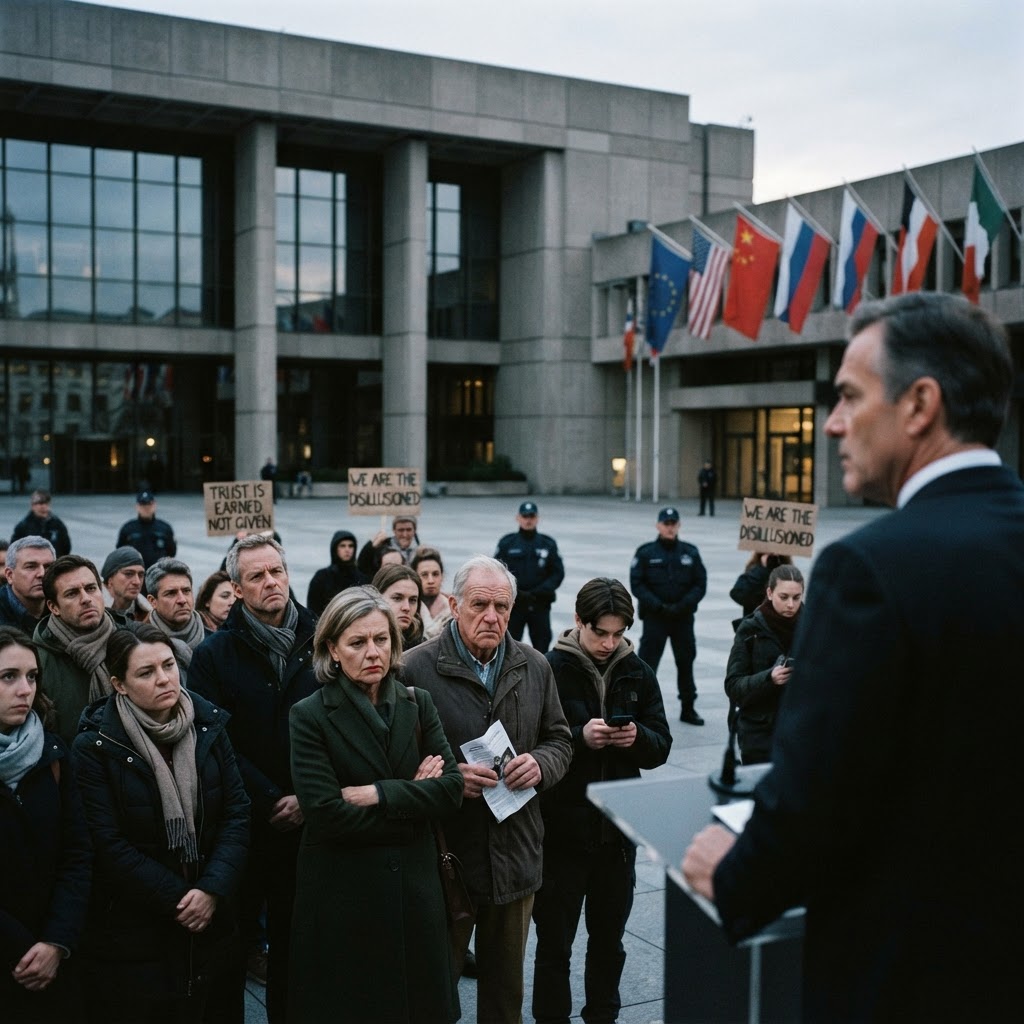
The Shifting Architecture of Global Trust: Why Institutions and Great Powers Are Losing the Public
Recent international commentary and opinion polling reveal a profound realignment in public confidence, as citizens grapple with institutional decay, technological disruption, and volatile great-power competition.
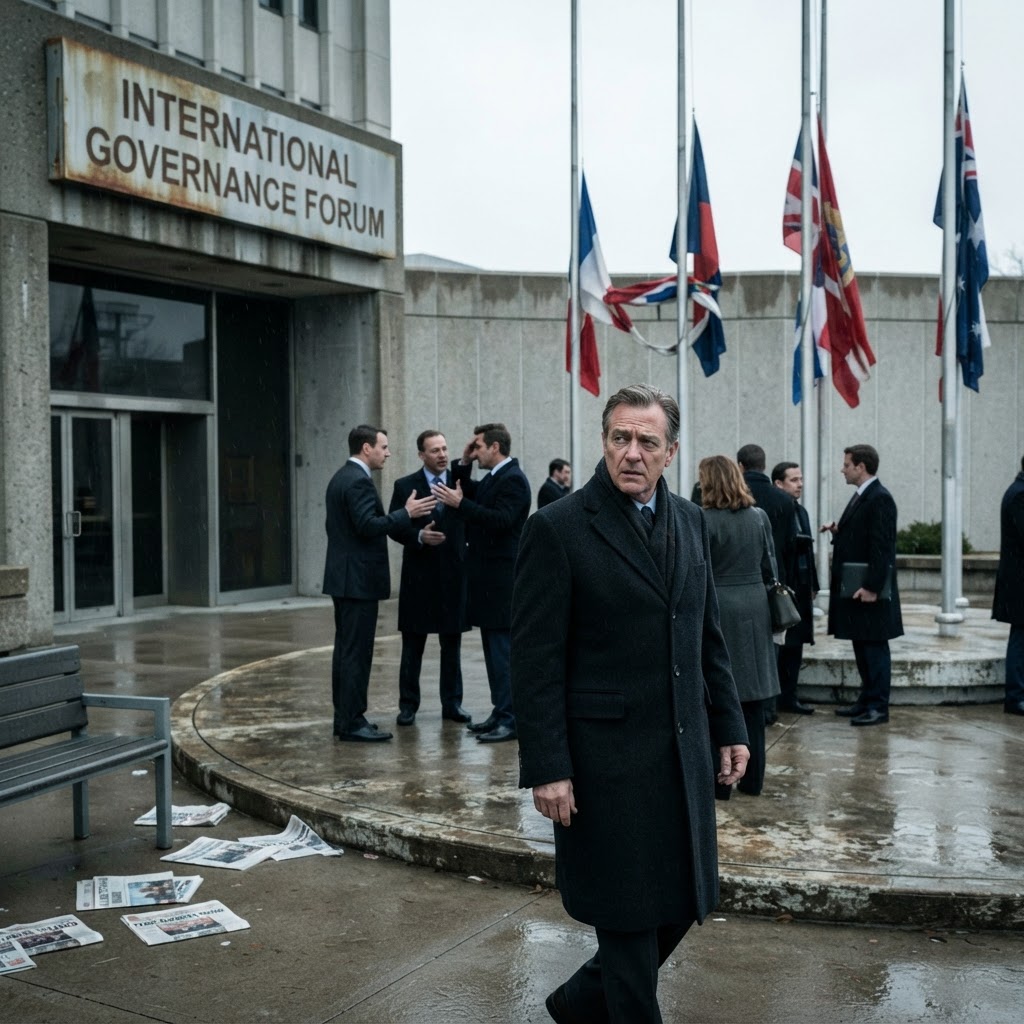
A World Turning Inward: How Fractured Alliances and Economic Nationalism Are Redefining Global Governance
Recent commentary across leading global editorial pages reveals an escalating anxiety over economic nationalism, shifting migration compacts, and the gradual disintegration of post-war international frameworks.
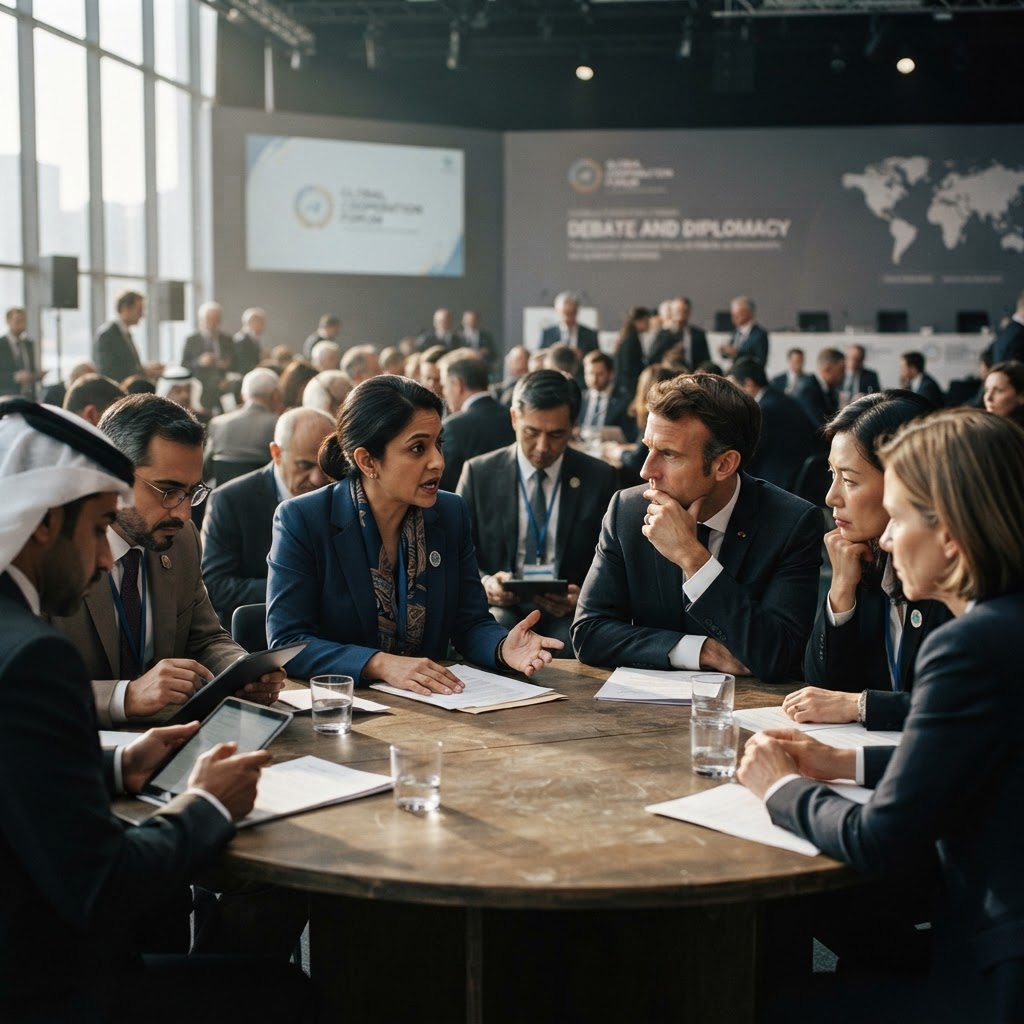
The Fracture of Multilateralism: Why Global Opinion Is Shifting Away from Hegemony Toward Pragmatism
Recent international commentary and worldwide opinion research reveal an escalating disillusionment with traditional Western leadership, as global publics increasingly demand measurable security and tangible economic development over ideological rhetoric.