The Fracture of Multilateralism: Why Global Opinion Is Shifting Away from Hegemony Toward Pragmatism
Recent international commentary and worldwide opinion research reveal an escalating disillusionment with traditional Western leadership, as global publics increasingly demand measurable security and tangible economic development over ideological rhetoric.
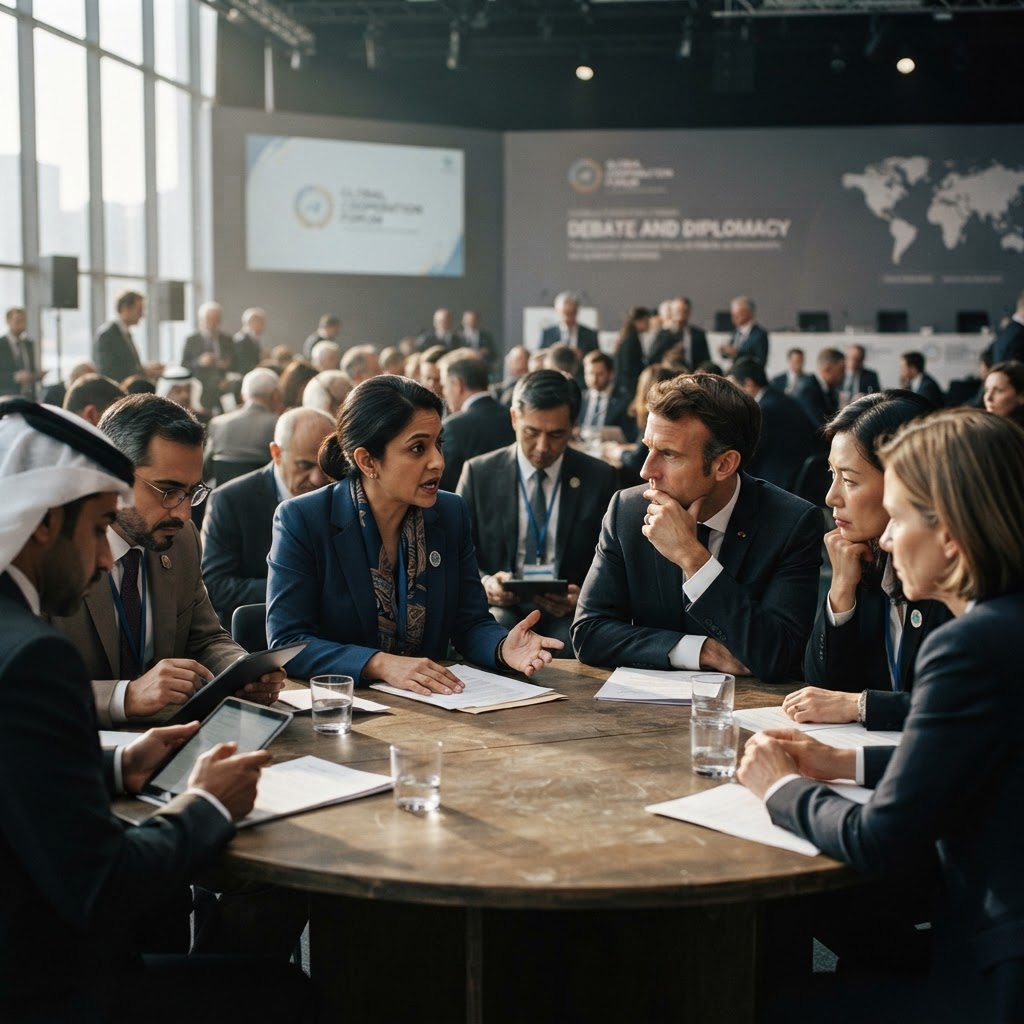
The Shifting Contours of Global Hegemony
Across major international commentary desks and editorial pages, an unmistakable theme has emerged: the post-Cold War presumption of an unassailable, Western-led international order is experiencing its most acute challenge in decades. From the editorial boards of Asian diplomatic journals to mainstream Western opinion columns, analysts are observing that international public sentiment is crossing critical psychological thresholds. The geopolitical contest between the United States and China is no longer evaluated through the prism of abstract democratic alignment versus authoritarian control, but through a colder, more pragmatic calculus of stability, infrastructure, and delivery.
Surveys and regional analyses highlighted across leading publications reveal that populations, particularly across Southeast Asia, the Middle East, and Latin America, are increasingly unwilling to subordinate their economic welfare to distant geopolitical rivalries. When regional observers point out that a growing share of regional partners lean toward Beijing when compelled to choose, it reflects less an adoption of a specific ideology and more a reaction against transactional diplomacy, unpredictable trade postures, and unilateral sanctions. Commentators note that traditional alliances are fraying not because the alternatives are flawless, but because the foundational assurances of the established order appear increasingly erratic.
The Pragmatic Demand: Tangible Results Over Slogans
A recurrent argument within recent opinion pieces focuses on the profound fatigue felt toward international summits that yield expansive communiqués but little structural change. Whether reviewing the lackluster outcomes of recent ministerial forums or the fractures visible at broader multinational gatherings like the G20, analysts lament that institutional cooperation is being displaced by national self-interest and defensive posturing. The friction points are visible in critical chokepoints worldwide, where military actions, energy bottlenecks, and surging commodity prices disrupt everyday livelihood while political establishments issue competing narratives of victory.
Comprehensive global sentiment data indicates that the international public remains theoretically receptive to collective action, yet intensely skeptical of its current execution. Broad surveys reveal that significant majorities across both industrialized and emerging economies would readily support cross-border initiatives—whether addressing humanitarian crises, health security, or climate pressures—only if such institutions can demonstrate measurable, direct efficacy. When global aid budgets face reductions and diplomatic institutions appear paralyzed by vetoes and ideological grandstanding, the vacuum is filled by alternative regional pacts, bilateral trade arrangements, and non-Western financial networks.
A World Fractured by Parallel Systems
As international columnists examine the expanding influence of blocs such as the expanded BRICS partnership and independent security dialogues, the consensus points to a world fragmenting into parallel architectures. In energy markets, geopolitical skirmishes surrounding maritime transit and export restrictions have driven prices upward, proving that military preeminence does not automatically insulate consumers from systemic vulnerabilities. Simultaneously, emerging economies are actively pursuing strategies to bypass single-currency reliance and extraterritorial regulations, hedging their futures across multiple geopolitical patrons.
This systemic transition exposes a fundamental disconnect between legacy policy circles and the modern global electorate. While commentators in Washington and European capitals frequently portray global events as an existential confrontation between rules-based order and disruptive revanchism, opinion writers in the Global South describe an uneven playing field that often fails to accommodate their domestic development priorities. In this landscape, infrastructure investments, manufacturing partnerships, and reliable market access consistently outweigh high-level diplomatic appeals to traditional norms.
The Urgency of Rebuilding Global Trust
The latest wave of commentary offers a clear warning: the window to construct a durable, inclusive multilateral framework is closing rapidly. If established powers intend to restore their standing in global public opinion, they must pivot from moral admonitions to demonstrably cooperative governance. International institutions cannot survive as mere rhetorical instruments; they must deliver concrete public goods, from robust public health logistics and transparent supply chains to de-escalation mechanisms that avert broad regional conflagrations.
Ultimately, the current commentary landscape demonstrates that global favorability is no longer an inherited privilege or a byproduct of historical dominance. It is an active, continuously negotiated measure of functional performance. The nations and alliances that will earn the trust of the global public in the coming era will not be those that speak most eloquently about systemic ideals, but those capable of delivering peace, economic stability, and shared human progress amid an increasingly unpredictable international environment.
Recommended for you
Similar to “Global Affairs”
The Fracture of Global Trust: Why Multilateralism Still Matters in an Era of Great Power Rivalry
As public faith in global superpowers wavers amid escalating geopolitical friction, international commentary and polling reveal a decisive turn toward collective security institutions over unilateral hegemony.

The Fracture of Consensus: Navigating Geopolitics, Disinformation, and Economic Strain
Recent international commentary reveals growing skepticism toward high-stakes diplomacy, rising anxieties over machine-generated online discourse, and deep divisions over global trade and security alliances.
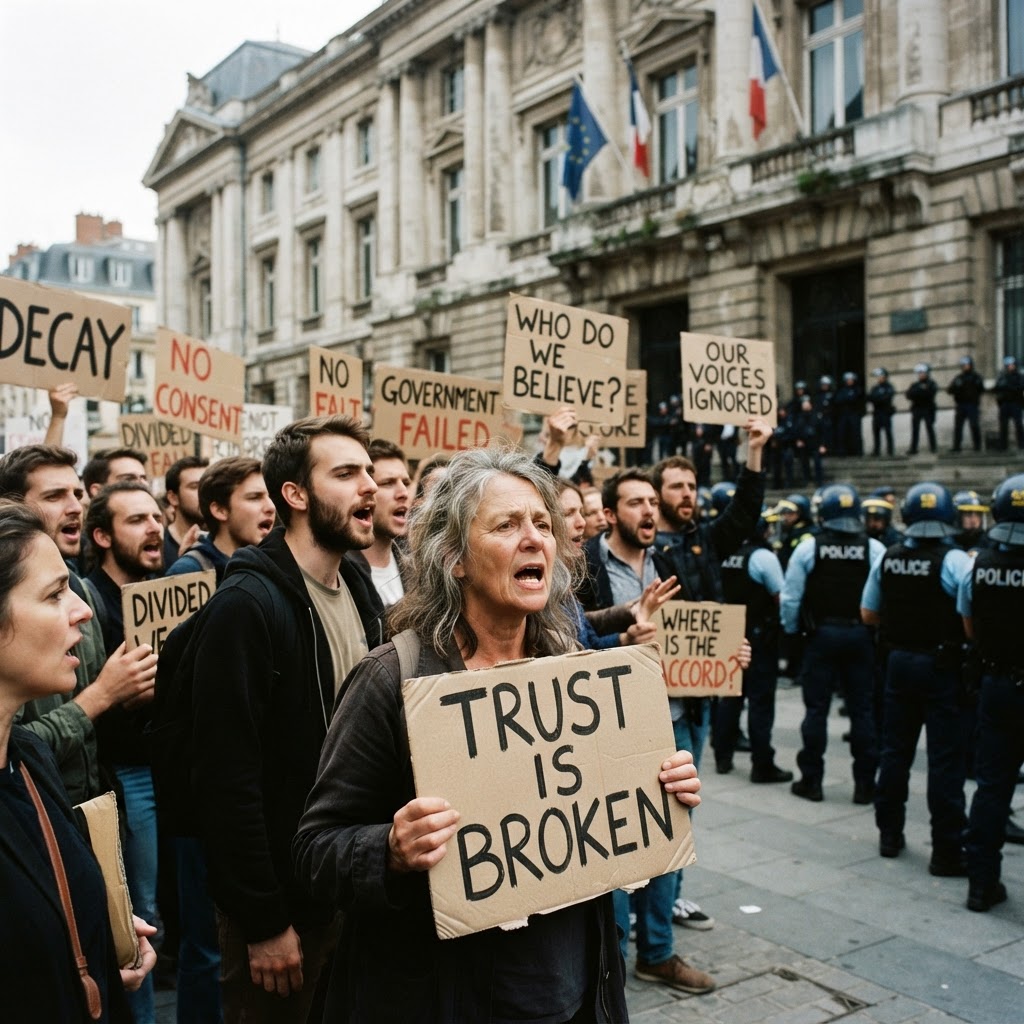
A Fractured Accord: Shifting Public Sentiments and the Erosion of Institutional Trust
Recent commentary and opinion research reveal an escalating crisis of confidence in public governance alongside deep re-evaluations of international alliances. As domestic institutions face plummeting approval, global opinion indicates an increasingly wary and fragmented populace.