The Shifting Architecture of Global Trust: Why Institutions and Great Powers Are Losing the Public
Recent international commentary and opinion polling reveal a profound realignment in public confidence, as citizens grapple with institutional decay, technological disruption, and volatile great-power competition.

The Fracturing of Public Confidence
Across the globe, opinion pages and public attitude surveys are converging on an unsettling diagnosis: the bedrock institutions that anchored post-war stability and democratic governance are suffering an unprecedented erosion of authority. Whether examining domestic faith in federal governance or international alignment among emerging economies, commentary over recent days highlights a world increasingly skeptical of traditional power centers. According to Gallup's global research, trust in core governing bodies has plunged to historic depths, marked by falling approval ratings for federal cabinet departments and widespread anxiety over economic handling and basic civil oversight.
This disenchantment is not merely a localized phenomenon within Western democracies. It reflects a systemic realignment in how citizens perceive the competence and moral clarity of their leaders. From the Middle East—where Al Jazeera commentators observe growing political fragmentation and fractured bipartisan consensus on foreign policy—to East Asia, public discourse increasingly suggests that governing elites are detached from the material realities and security concerns of ordinary people.
The Geopolitical Chessboard and the Battle for Perception
Nowhere is this shift in sentiment more pronounced than in the ongoing strategic contest between the United States and China. Editorials and regional commentators in Asia are paying close attention to how global public opinion is swinging in response to unilateral diplomacy and trade friction. Analyses highlighted by Channel NewsAsia indicate that in key regions such as Southeast Asia, populations and policy circles are crossing uncomfortable thresholds, showing a growing willingness to balance or even favor Beijing when forced to choose between competing superpowers.
Simultaneously, international opinion pieces, such as those appearing in regional publications like The Rising Nepal, argue that coercive diplomacy and unpredictable rhetoric from Washington risk alienating critical partners across the Global South. Rather than viewing Washington’s dominance as an unquestioned safeguard of regional stability, third-party observers increasingly view Sino-American rivalry as a dual-edged liability. In response, state-aligned outlets such as the Global Times emphasize concepts of 'constructive strategic stability' and mutual industrial resilience, attempting to frame Beijing as a predictable, pragmatic partner for non-aligned nations despite persisting concerns over maritime disputes and regional sovereignty.
Technology, Labor, and the Redefinition of Daily Life
Beyond high diplomacy, the contemporary opinion landscape is preoccupied with the quiet revolutions transforming everyday existence—chief among them artificial intelligence and the evolving nature of labor. Commentaries reviewing recent educational surveys reveal a striking paradox: while public anxieties over AI displacement dominate headline news, frontline practitioners such as teachers report that generative tools are beginning to alleviate administrative burdens, returning valuable time to mentorship and human connection. Yet this optimism is tempered by broader workplace analyses showing stagnant global employee engagement and rising existential fatigue.
The common thread linking international diplomacy, technological disruption, and domestic governance is a pervasive demand for reliability. In an information environment saturated with institutional rhetoric and polarized talking points, modern publics are judging leaders not by declaratory policy, but by tangible outcomes: economic resilience, basic safety, and diplomatic restraint. As opinion columnists around the world continue to sound the alarm, restoring institutional legitimacy will require far more than cosmetic messaging—it demands a fundamental reimagining of how power serves the public good.
Recommended for you
Similar to “Global Opinion”
A Fractured Accord: Shifting Public Sentiments and the Erosion of Institutional Trust
Recent commentary and opinion research reveal an escalating crisis of confidence in public governance alongside deep re-evaluations of international alliances. As domestic institutions face plummeting approval, global opinion indicates an increasingly wary and fragmented populace.
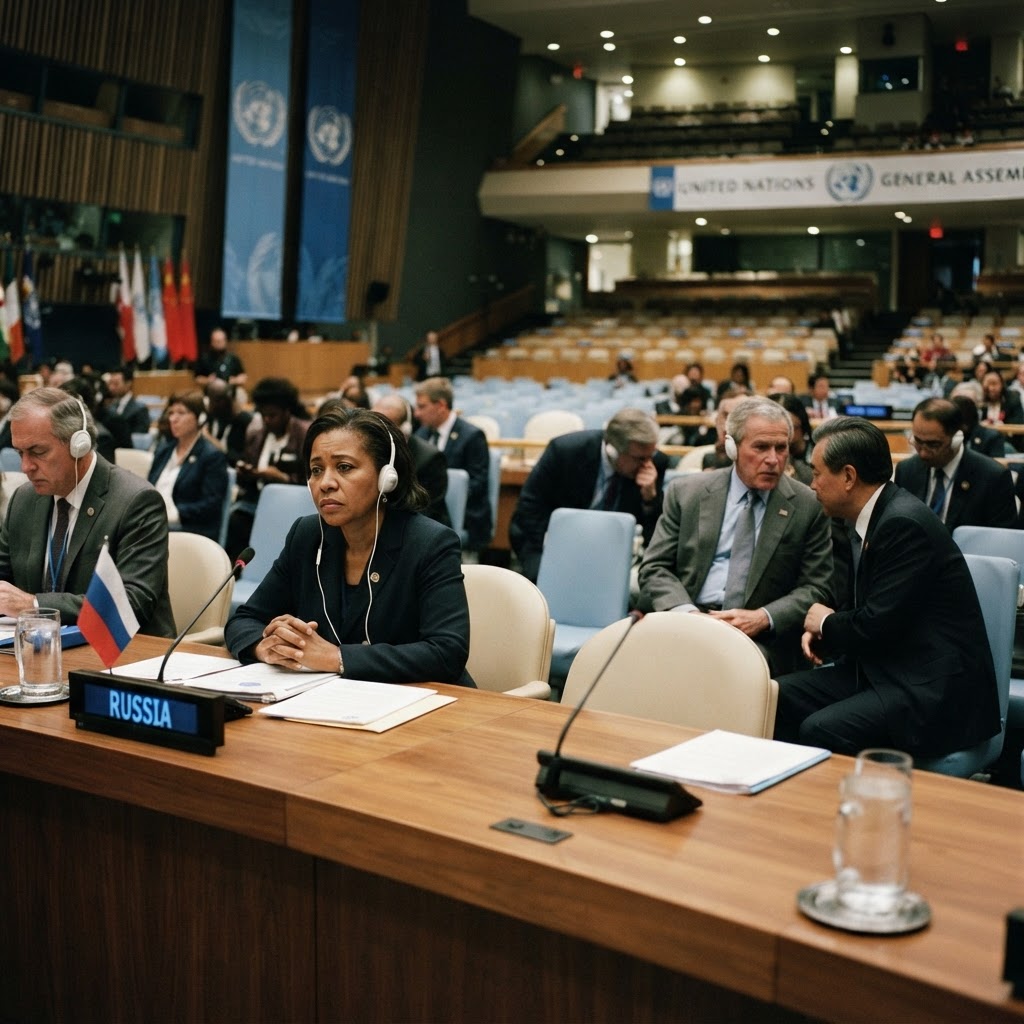
The Fracture of Global Trust: Why Multilateralism Still Matters in an Era of Great Power Rivalry
As public faith in global superpowers wavers amid escalating geopolitical friction, international commentary and polling reveal a decisive turn toward collective security institutions over unilateral hegemony.

The Fracture of Consensus: How Institutional Distrust and Geopolitical Realignment Are Reshaping Global Opinion
Recent commentary across major international outlets reveals a deepening fragmentation of consensus, driven by historic declines in institutional trust, technological upheaval, and escalating geopolitical competition.