A Fractured International Order: Mounting Geopolitical Pressures and Domestic Unrest Reshape Global Affairs
Escalating military friction in Eastern Europe and the Middle East intersects with widespread civil unrest and shifting Western alliances, underscoring growing fragility across the international system.
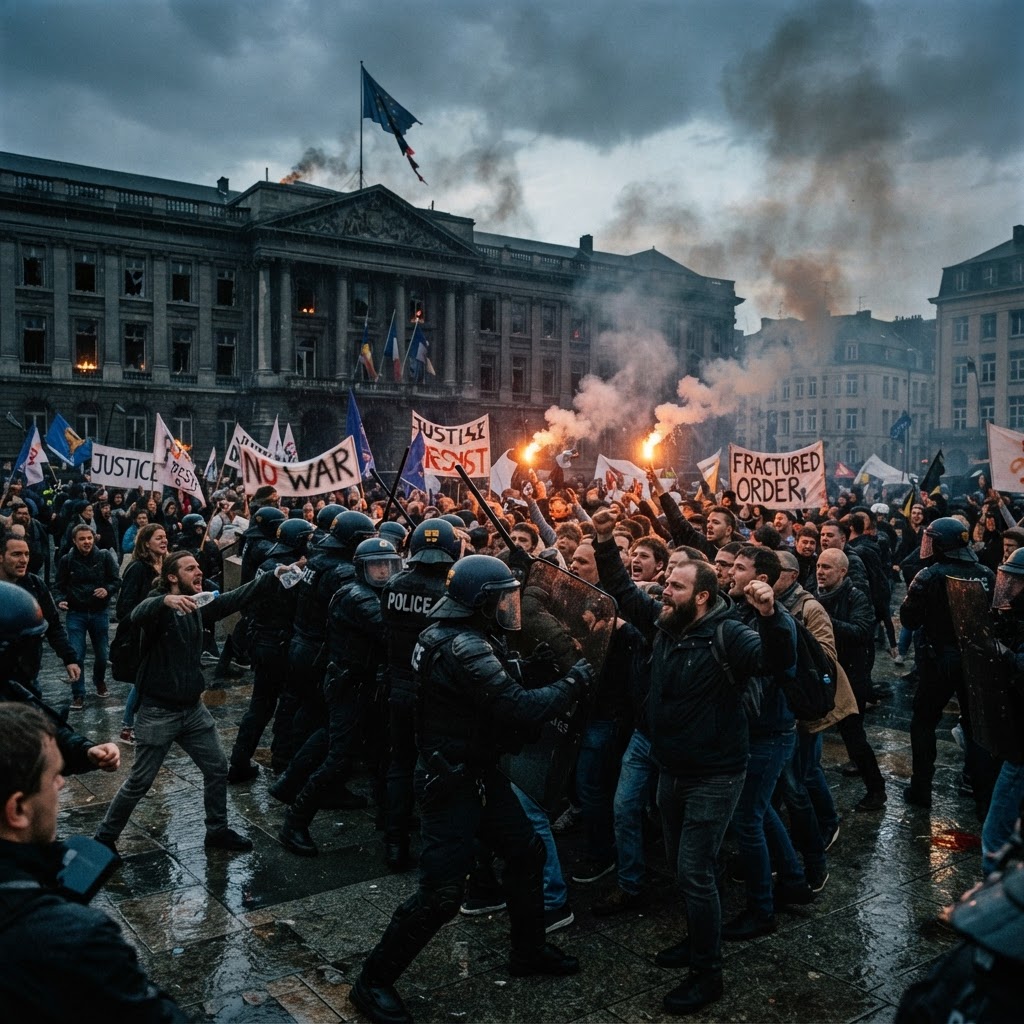
Turbulence Across the European Continent
The international landscape has encountered acute turbulence over recent days as both geopolitical security architectures and domestic stability face simultaneous stress tests. In Eastern Europe, the ongoing war in Ukraine has reached another critical inflection point following intensified Russian ballistic strikes targeting Kyiv and critical energy infrastructure, as detailed by ABC News. Ukrainian officials continue to voice serious concerns regarding energy resilience as civilian facilities bear the brunt of renewed bombardments. The pressure on Kyiv is compounded by shifting dynamics in Western strategic support, where strategic debates and reported constraints around intelligence sharing and diplomatic alignments have introduced profound uncertainties for Ukrainian defense planners, according to reporting from the BBC and POLITICO.
Meanwhile, Western European capitals are contending with severe domestic friction. Across several major French metropolitan centers, civil disturbances sparked by cost-of-living disputes, economic inequality, and broader governance grievances have escalated into severe public unrest. Municipal authorities have resorted to emergency measures, including localized curfews and ramped-up security patrols, to contain clashes between demonstrators and law enforcement, as noted by CNN and NBC News. The social volatility inside one of the European Union’s core powers highlights the difficult balance democratic administrations must strike between managing domestic economic strain and sustaining cohesive foreign policy objectives abroad.
Shifting Alignments and Broader Multilateral Strain
Beyond Europe, the ripple effects of regional conflicts continue to strain global multilateral frameworks. Heightened tensions across the Middle East, punctuated by military posturing and deep economic reverberations, have sustained elevated volatility across worldwide commodity markets and shipping lanes. At the same time, regional diplomacy is increasingly fragmented as traditional multilateral institutions struggle to enforce unified norms or forge enduring ceasefires, a dynamic highlighted in Encyclopaedia Britannica.
World leaders participating in multilateral forums have increasingly pointed to a systemic erosion of international norms and agreements, an issue underscored by the Australian Broadcasting Corporation. Debates over climate commitments, transnational security, and technological governance have reflected diverging ideological approaches among the major global powers. With unilateral maneuvers and shifting bilateral alliances overshadowing collective international consensus, foreign affairs observers anticipate that navigation of emerging security crises will require unprecedented diplomatic dexterity from states caught between competing geopolitical blocs.
Recommended for you
Similar to “World Affairs”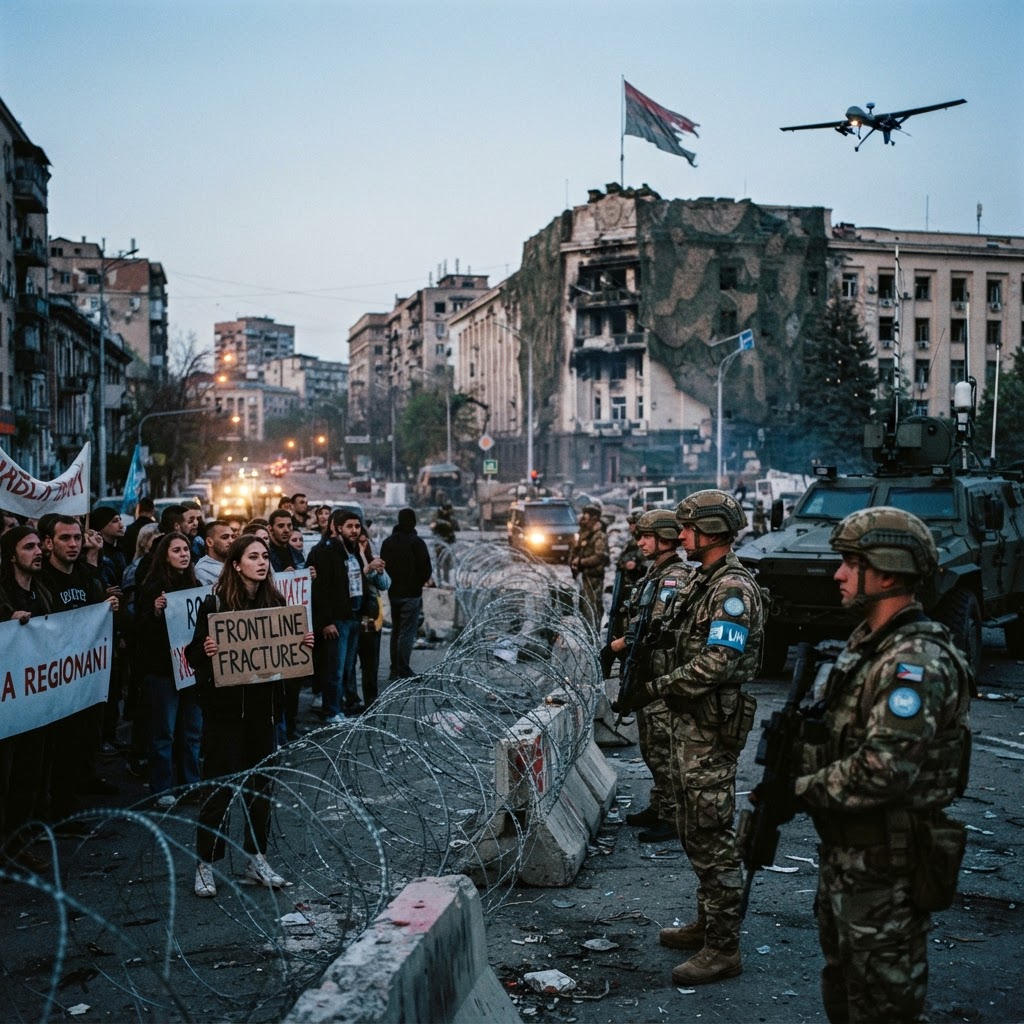
Global Flashpoints Intensify: Shifting Frontlines, Technological Brinkmanship, and Internal Fractures
Escalating cross-border strikes in Eastern Europe, advanced autonomous weapons testing in East Asia, and domestic unrest across Western democracies highlight a fractured international order navigating high geopolitical friction.
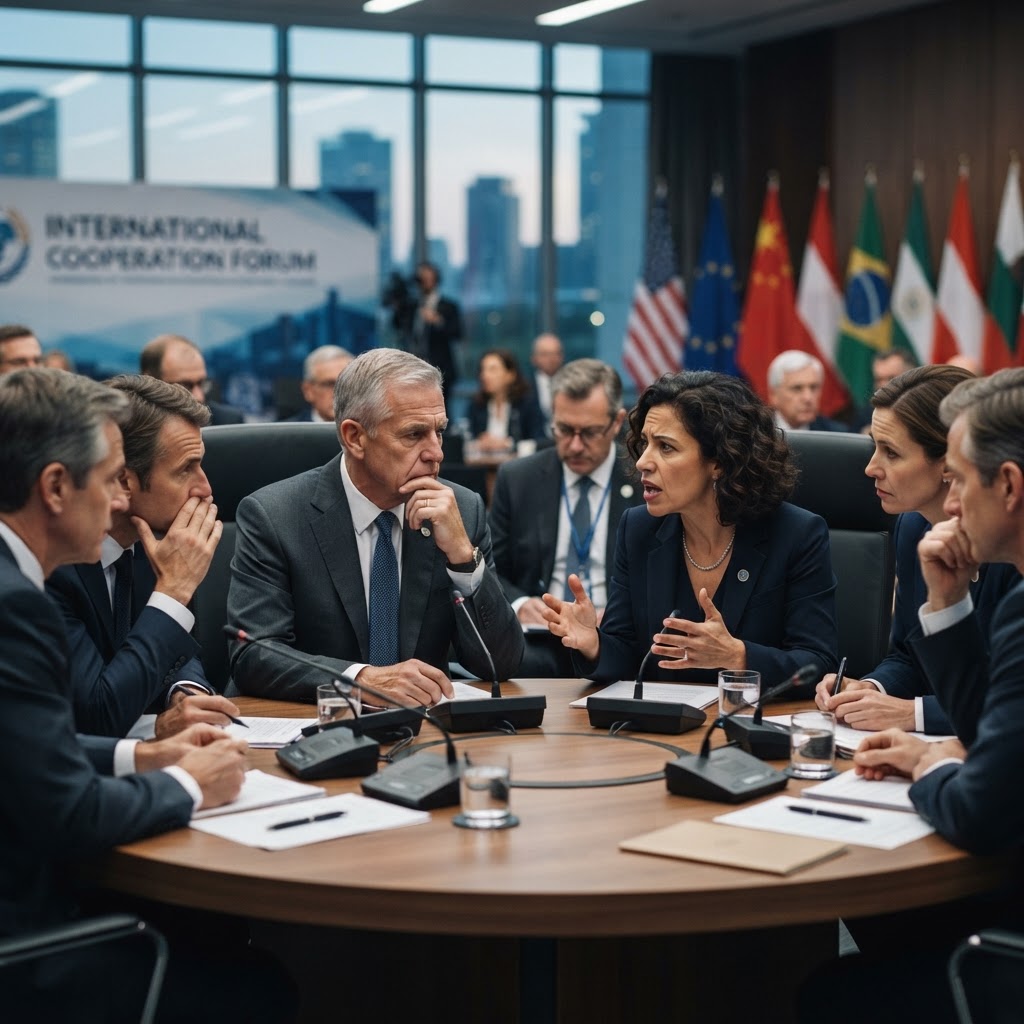
Diplomatic Friction and Domestic Strain Reshape Global Geopolitics
From complex geopolitical negotiations over Eastern Europe and the Middle East to escalating domestic unrest and institutional upheavals, world leaders face converging international crises.
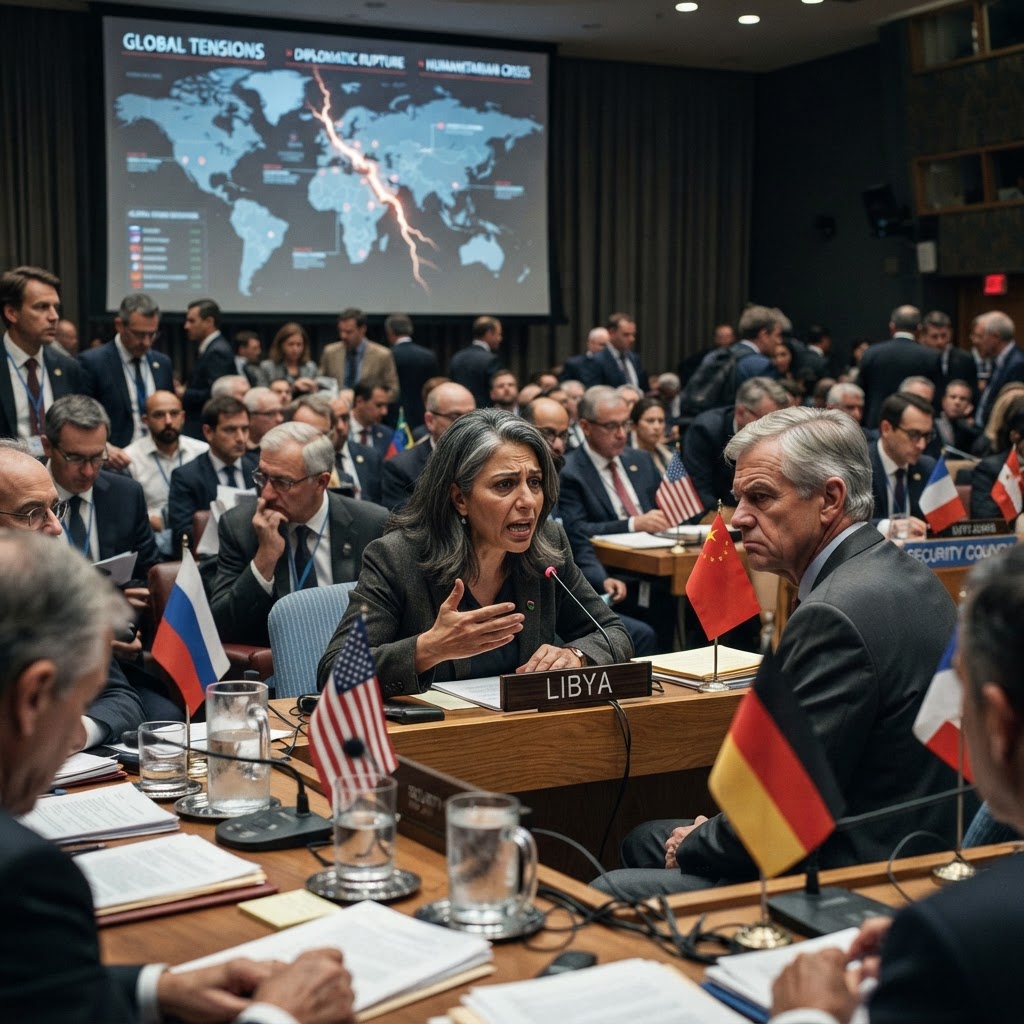
A Fractured Global Order: Escalating Tensions, Diplomatic Realignment, and Humanitarian Pressures Shape World Affairs
From escalating security flare-ups across the Middle East and Eastern Europe to evolving geopolitical alliances and environmental strains, the global landscape faces intensifying strategic and humanitarian tests.