Global Political Currents: Shifting Alliances, Electoral Turbulence, and Deepening Cross-Border Realignments
Recent political developments across major capitals reflect growing polarization, contentious campaign spending, and recalibrated foreign policy agendas.
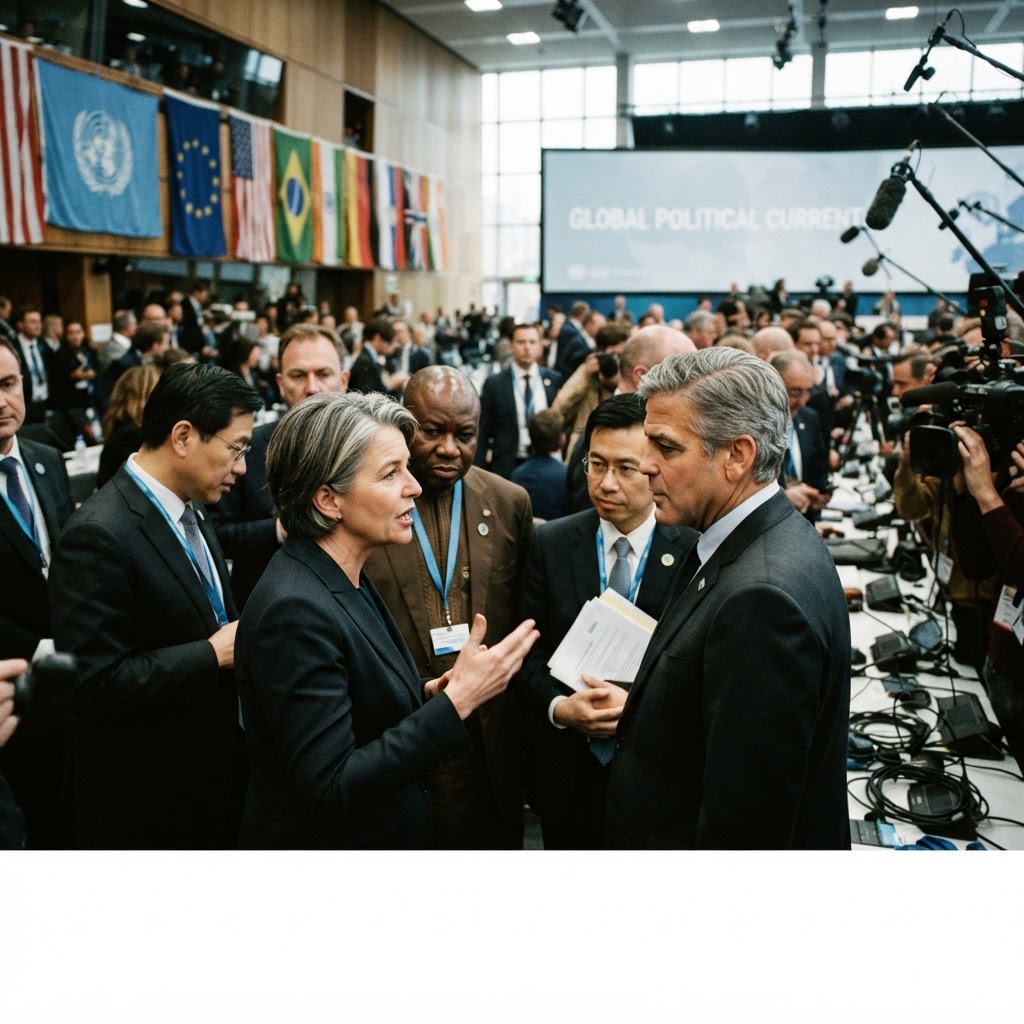
A Complex Convergence of Domestic Contests and Geopolitics
In recent days, the global political landscape has been defined by an accelerating convergence of domestic unrest, shifting diplomatic doctrines, and high-stakes electoral jockeying. From Western legislative chambers grappling with fiscal and ideological divides to international bodies navigating fragile security environments, political institutions find themselves tested by rapid public discontent and evolving geopolitical alignments.
Legislative Dynamics and Electoral Battlegrounds
Domestic politics in leading democracies continues to experience profound volatility. In the United States, attention has centered on intense midterm campaigning, characterized by historic fundraising thresholds, aggressive party expenditures in nontraditional legislative territory, and shifting legislative calendars on Capitol Hill. Parties are pouring unprecedented sums into local gubernatorial and congressional contests, redrawing traditional campaign maps as candidates navigate complex voter sentiments surrounding inflation, law enforcement, and federal policy mandates.
Simultaneously, political transitions and structural debates are unfolding across European capitals. In the United Kingdom, political discourse has seen notable factional friction and renewed debates over international economic relations and post-exit trade realignments. Party leadership figures are facing mounting pressure to clarify long-term commitments, address regional governance disparities, and stabilize legislative coalitions against rising scrutiny from both internal backbenches and external opposition movements.
Foreign Policy Doctrine and International Realignments
Beyond national borders, traditional diplomatic conventions are undergoing radical revisions. Major global players are actively reconsidering enforcement mechanisms, sanctions strategies, and regional bilateral defense partnerships. The easing or recalibration of economic sanctions against longstanding adversaries has emerged as a flashpoint among foreign policy circles, sparking debate over whether targeted trade concessions facilitate durable stability or inadvertently undermine multilateral alliances.
Nowhere is this tension more pronounced than in the Middle East and Eastern Europe, where recurring military skirmishes, logistical choke points, and critical infrastructure disputes dominate diplomatic agendas. In diplomatic hubs, multilateral delegates continue to deliberate on energy trade agreements, border stability, and collective security assurances, even as sovereign leaders increasingly adopt bilateral deal-making approaches tailored to immediate national interests.
Civil Restlessness and Democratic Resilience
Underpinning these governmental maneuvers is an undeniable wave of civic unrest. Several European and international cities have seen prominent demonstrations over governance, rising living costs, and environmental mandates. National leaders have faced mounting challenges in striking a balance between maintaining civic order and addressing deep-seated institutional distrust.
As governments struggle to mediate public outrage, political analysts emphasize that the contemporary global environment has entered an era of perpetual testing. With upcoming electoral cycles poised to redefine executive balances across multiple hemispheres, the interplay between grass-roots agitation and high-level statecraft will dictate international stability for the foreseeable future.
Recommended for you
Similar to “Global Politics”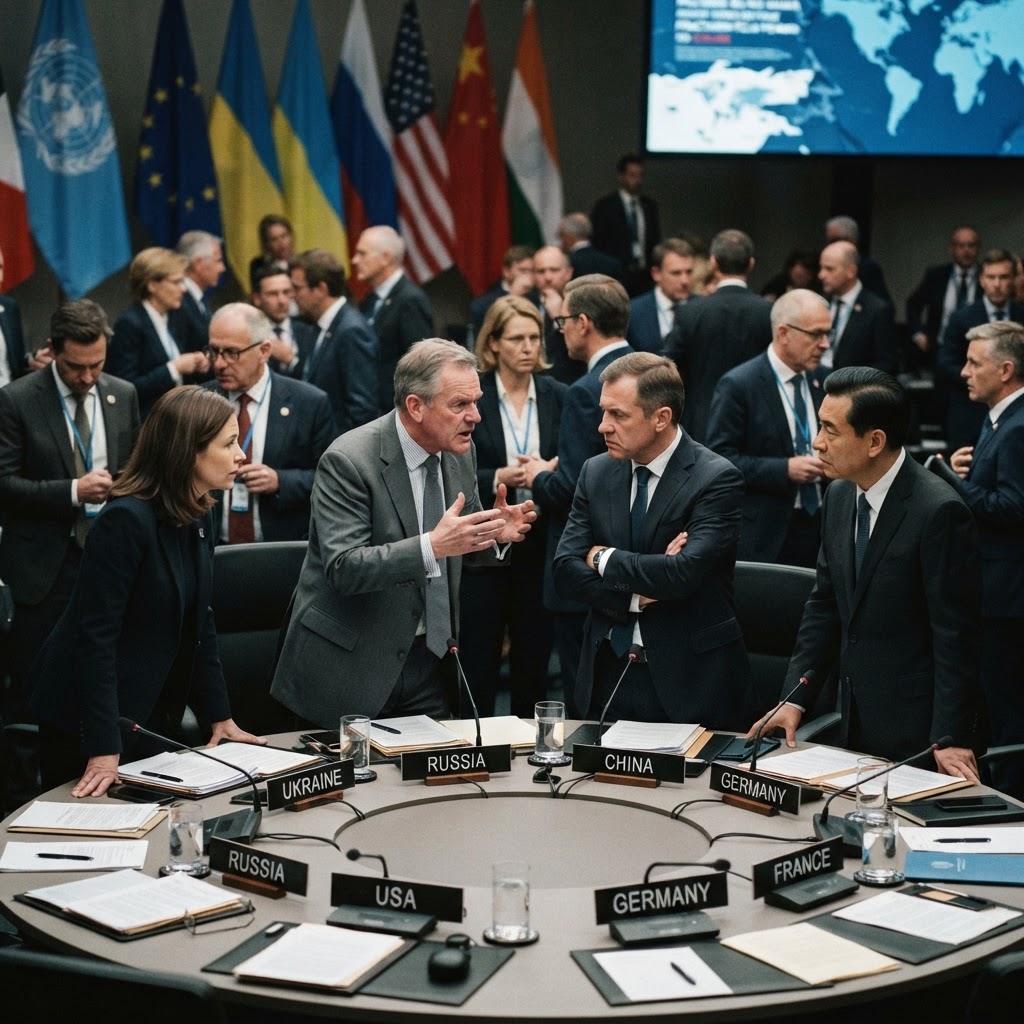
Diplomatic Friction and Shifting Coalitions: The Fracturing Global Political Landscape
Recent cross-border maneuvers and sharp domestic policy debates highlight deepening geopolitical fractures, testing international alliances and internal governance across major capitals.
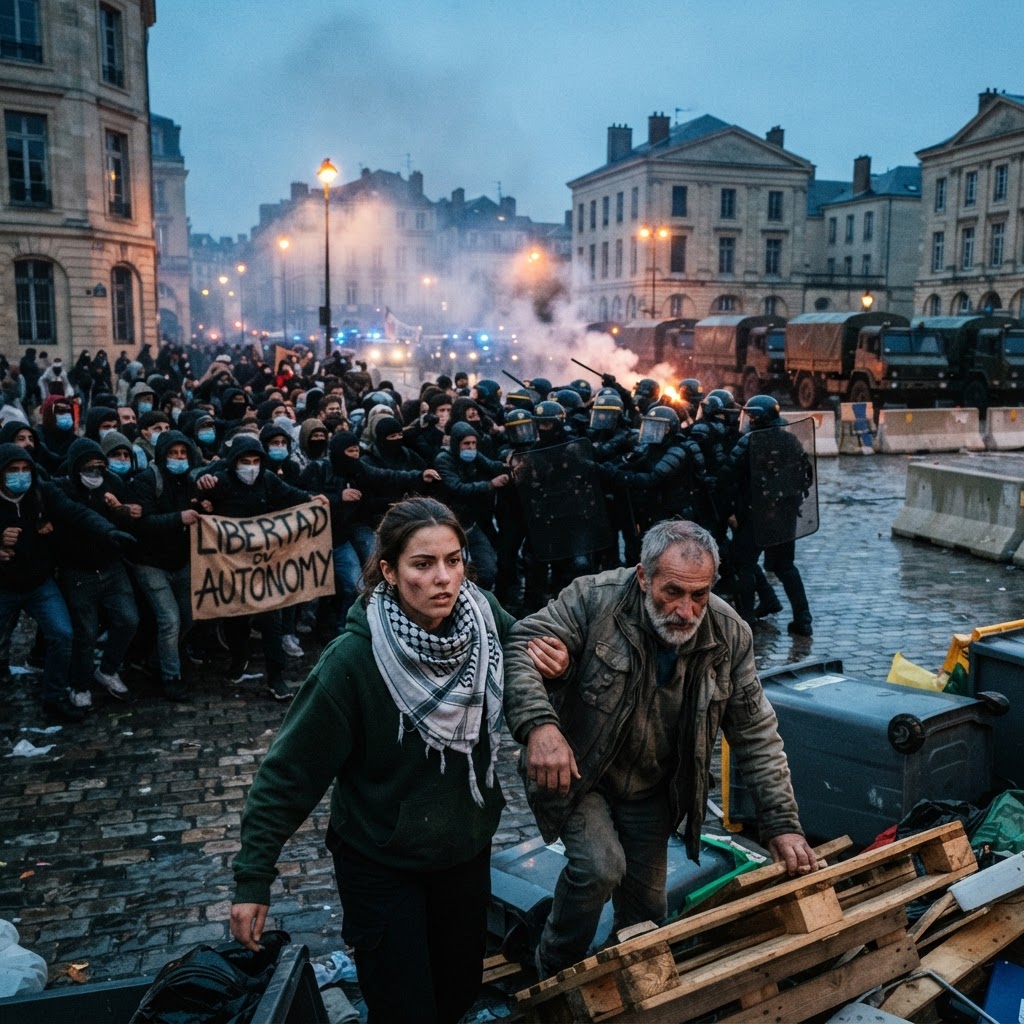
Global Political Currents: Separatist Resurgence, Rising Social Unrest, and Geopolitical Realignments
Recent political developments worldwide reflect mounting domestic friction and shifting strategic alliances, highlighted by nationalist election victories in North America and deepening domestic unrest across Europe.
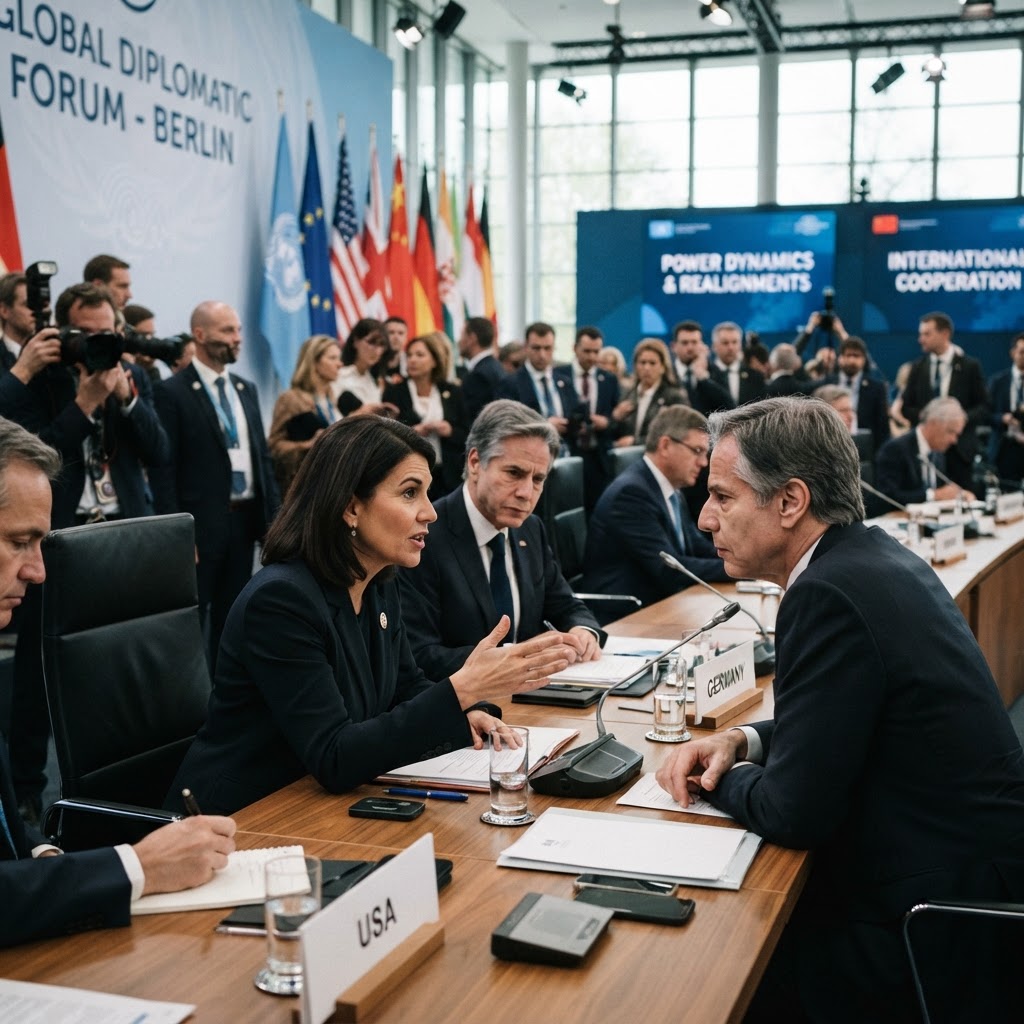
Diplomatic Realignments and Shifting Power Dynamics: Inside the Latest Global Political Crosscurrents
Recent shifts in sanctions policy, intense campaign spending ahead of critical legislative elections, and civil unrest across Europe highlight a rapidly changing geopolitical landscape.