A Precarious Recovery: Global Health Navigates Post-Pandemic Rebound Amid Climate and Viral Pressures
While global life expectancy has largely rebounded toward pre-pandemic benchmarks, public health systems face compounding strains from climate extremes, emerging viral flare-ups, and the chronic burdens of modern living.
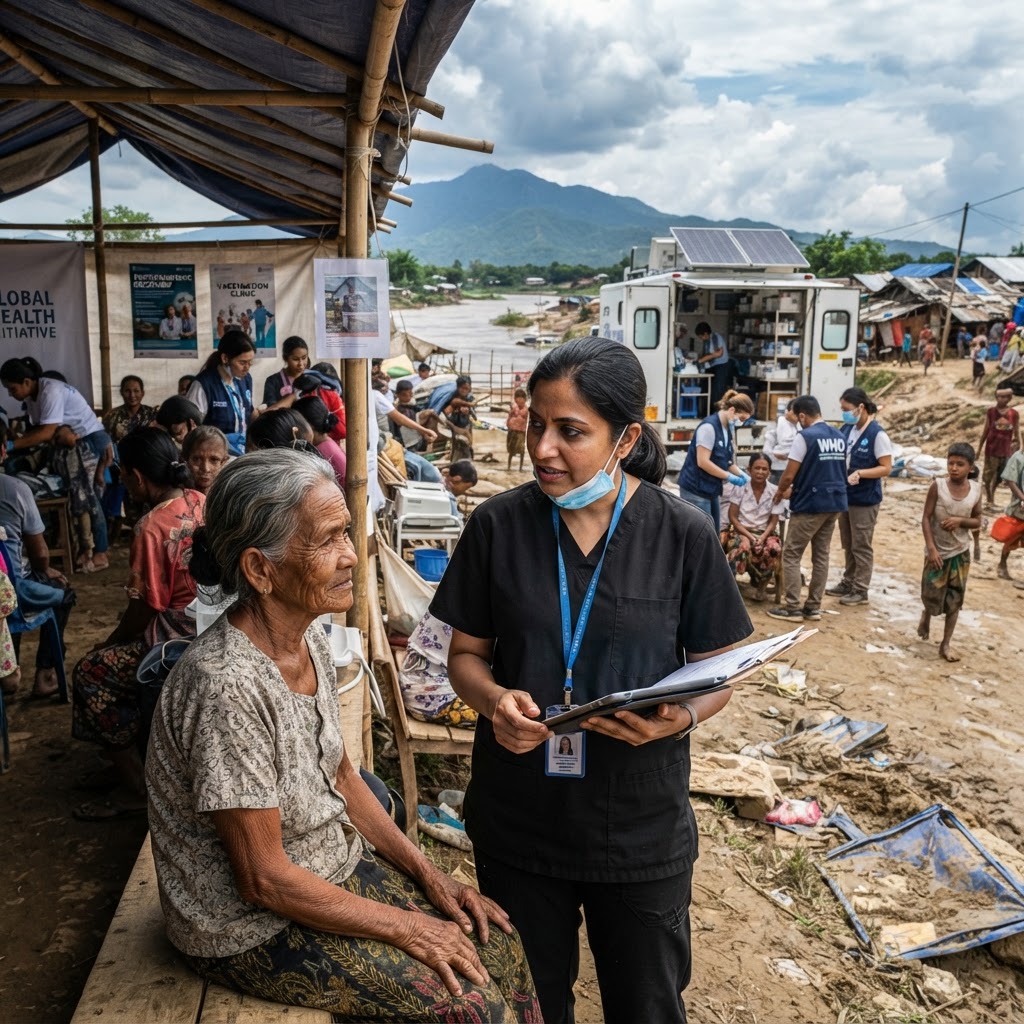
A Complex Rebound in Global Longevity
Recent assessments by the World Health Organization (UN News) highlight a significant milestone: global life expectancy has nearly fully recovered from the catastrophic mortality shocks brought on by the COVID-19 pandemic. According to updated estimates, average worldwide life expectancy climbed back to 73.3 years in 2023, coming within a fraction of the 73.4 years recorded in 2019. However, the data reveals a lingering disparity between overall lifespan and quality of life. Healthy life expectancy—the span of years an individual lives without severe disability or chronic debility—has lagged behind, reaching 62.8 years and remaining 0.4 years short of pre-pandemic figures. This divergence suggests that while health systems have improved at preventing early mortality, helping populations navigate modern life in robust health remains a formidable barrier.
The Threat Landscape: Climate Pressures and Future Scenarios
This tentative recovery is unfolding against a backdrop of complex environmental and structural threats. A major analysis published by The Lancet Commission (News-Medical) cataloged 17 catastrophic risks facing human health between 2025 and the turn of the next century, emphasizing that cross-sector decisions spanning defense, economics, and climate action will define life outcomes for generations to come. Among the most immediate climate-driven vulnerabilities is extreme heat. In response, global agencies have established new frameworks (World Health Organization) to monitor and mitigate the acute dangers that escalating temperatures pose to pregnant women, neonates, and young children. Despite these mounting environmental tolls, policy forums continue to grapple with funding disparities, as less than one percent of international climate finance is presently earmarked directly for health resilience programs (Health Policy Watch).
Resurgent Outbreaks and Biosurveillance Strain
Beyond chronic trends and environmental factors, infectious pathogens continue to test public health coordination. Central and West African surveillance networks have been placed on alert following regional concerns over viral hemorrhagic fevers. Alongside containment measures tackling a protracted outbreak in the Democratic Republic of the Congo (UN News), health authorities in Nigeria recently recorded a travel-associated Ebola diagnosis involving an arrival from East Africa (NPR). Diagnostic delays before patient isolation have underlined the ongoing friction in rapid-response contact tracing and cross-border disease surveillance (Health Policy Watch), driving international health bodies to formalize closer intelligence and security collaborations with global law enforcement bodies like INTERPOL (World Health Organization).
Preventive Science and Emerging Clinical Evidence
In clinical medicine and lifestyle epidemiology, recent findings underscore the nuanced balance required to preserve healthy years. Emerging oncology analyses demonstrate a linear, dose-dependent relationship between alcohol consumption and pancreatic cancer risk (Medscape Medical News), where incremental intake reliably escalates risk profiles. Conversely, advancements in precision therapeutics continue to expand options for long-standing conditions, including direct oral anticoagulants offering better outcomes after structural heart interventions and novel antisense oligonucleotides making inroads against chronic hepatitis B (Medscape Medical News). Taken together, the contemporary health panorama reflects a system in transition: one capable of recovering from unprecedented global shocks, yet challenged to translate medical longevity into sustained well-being against a backdrop of environmental uncertainty.
Recommended for you
Similar to “Global Health”
A Fractured Recovery: Emerging Global Health Trends Highlight Climate, Chronic Illness, and Inequity
As global life expectancy rebounds to near pre-pandemic levels, public health authorities confront an intensifying double burden: surging noncommunicable diseases and compounding climate-driven crises.
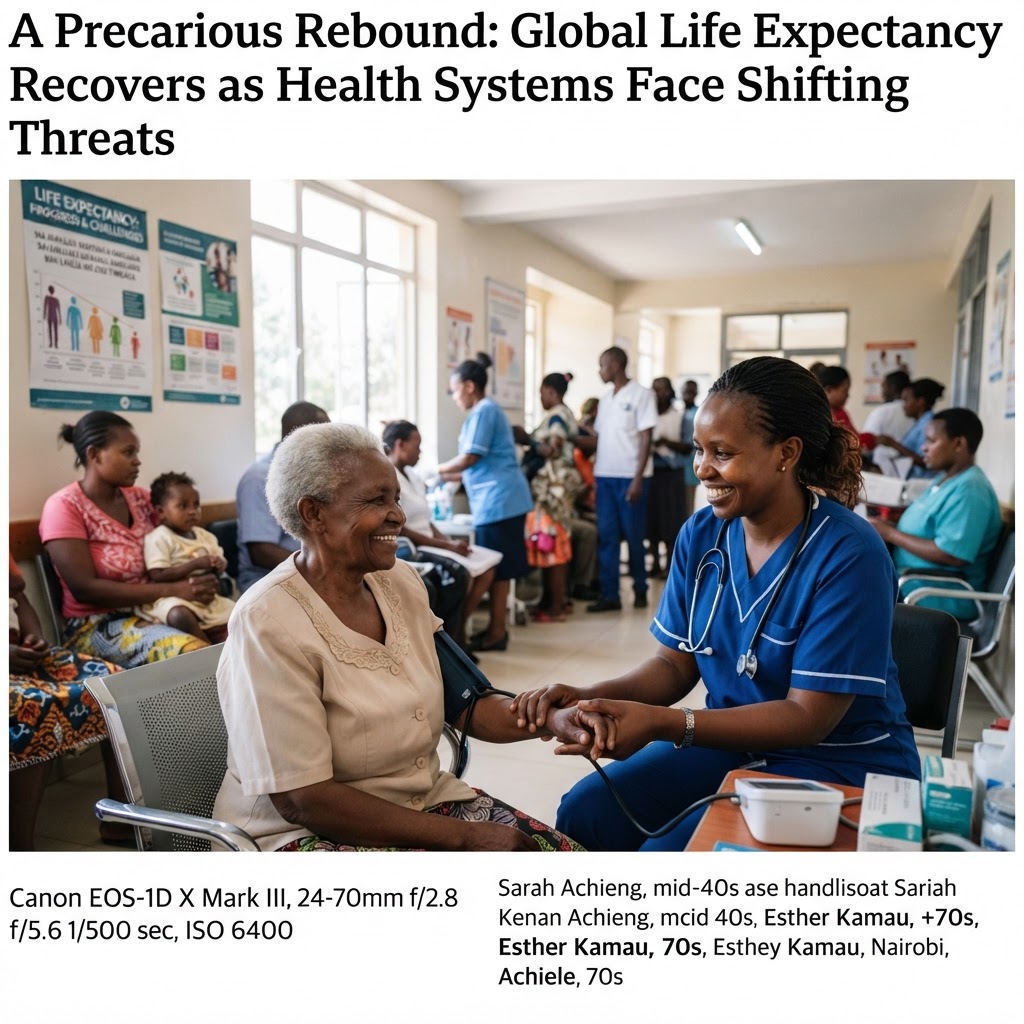
A Precarious Rebound: Global Life Expectancy Recovers as Health Systems Face Shifting Threats
Recent data from the World Health Organization shows worldwide life expectancy rebounding toward pre-pandemic marks, even as regional epidemics and persistent disparities test the resilience of global healthcare infrastructure.
A Fragile Rebound: Global Health Navigates Post-Pandemic Life Expectancy and Lingering Outbreak Threats
Recent data reveals global life expectancy has nearly recovered to pre-pandemic figures, yet emerging regional outbreaks and systemic structural challenges underscore the ongoing vulnerability of worldwide health defenses.