A Fragile Rebound: Global Health Navigates Post-Pandemic Life Expectancy and Lingering Outbreak Threats
Recent data reveals global life expectancy has nearly recovered to pre-pandemic figures, yet emerging regional outbreaks and systemic structural challenges underscore the ongoing vulnerability of worldwide health defenses.
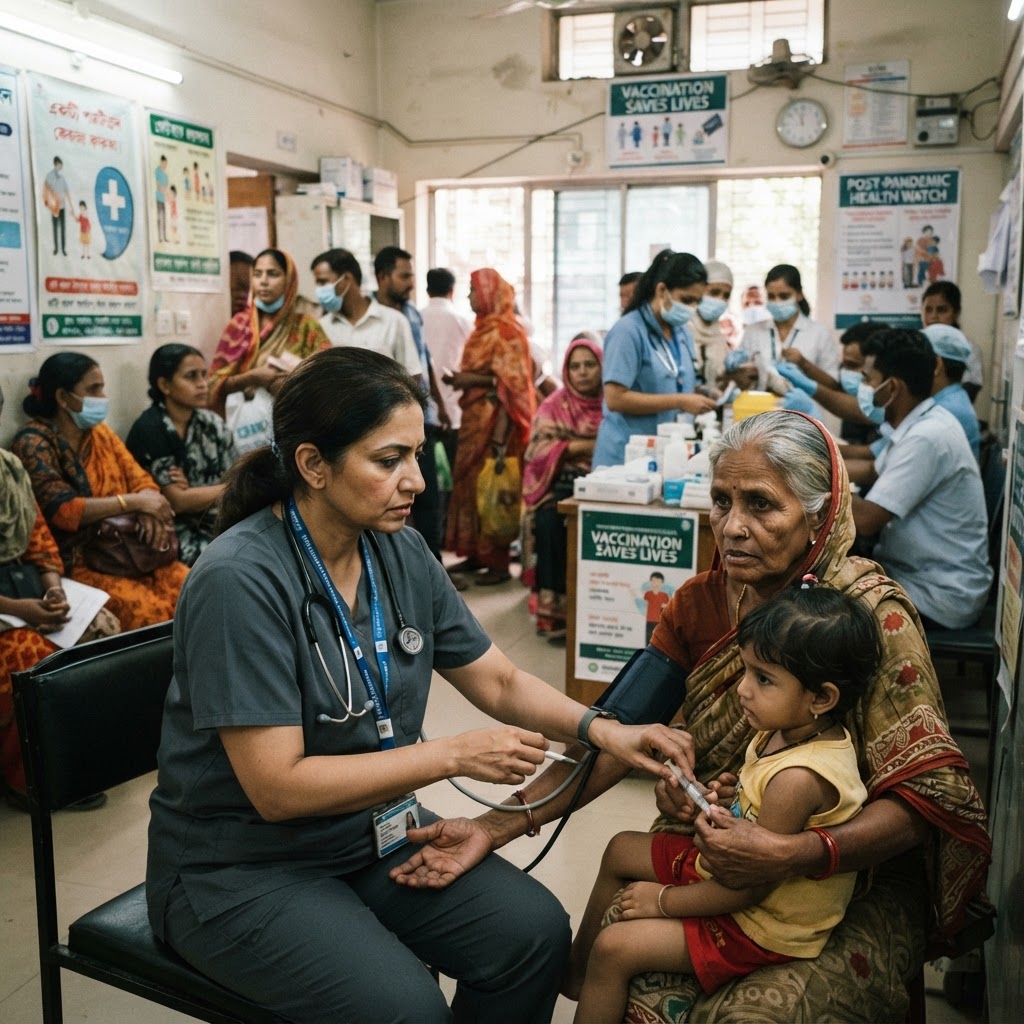
The Path Toward Longevity Recovery
In a notable milestone for public health, global average life expectancy has largely rebounded from the sharp drops experienced during the peak years of the COVID-19 emergency. According to updated estimates released by international monitors, overall life expectancy reached 73.3 years in 2023, approaching the pre-crisis peak of 73.4 years recorded in 2019. Despite this encouraging rebound in total survival, the restoration of healthy life expectancy—the metric measuring years lived without severe disease or disabling conditions—remains distinctly slower, trailing earlier benchmarks by several fractions of a year. The uneven pace highlights that while acute mortality risks have subsided, the long-term burden of chronic illnesses, postponed interventions, and strained healthcare infrastructures continues to affect populations across both developing and developed nations.
Re-evaluating Systemic Preparedness and Global Governance
Spurred by these recovery patterns and the looming threat of future epidemics, multilateral leaders have intensified efforts to reform the international health framework. High-level diplomatic sessions and United Nations gatherings have focused squarely on formalizing pandemic prevention, preparedness, and response commitments. Initiatives spearheaded by global entities emphasize closing structural funding shortfalls, accelerating cross-border pathogen detection, and coordinating responses across law enforcement, veterinary fields, and environmental disciplines. A central pillar of these renewed architectures involves ambitious technical benchmarks, such as deploying surveillance networks designed to identify and characterize novel pathogen outbreaks within hours rather than weeks.
Active Pathogens and Regional Pressures
Despite strategic gains at the institutional level, frontline public health systems continue to face severe operational tests. In central Africa, health authorities and international medical relief teams are contending with complex filovirus containment efforts, battling stubborn Ebola clusters complicated by community mistrust and challenging logistics. The persistence of localized transmission—and subsequent sporadic travel-related diagnoses in adjacent territories—underscores how localized vulnerabilities can quickly escalate into broader regional concerns if surveillance networks falter.
Meanwhile, high-income regions are wrestling with their own preventable disease challenges. In several parts of the Western hemisphere, childhood immunization gaps have triggered sustained spikes in measles cases. Public health agencies have reported thousands of preventable infections, illustrating that even technologically advanced health ecosystems remain susceptible when vaccine coverage slips beneath population-level herd immunity thresholds. These ongoing flare-ups demonstrate that preparedness encompasses not only novel pathogen readiness, but also the disciplined maintenance of routine pediatric immunization schedules and public communication.
Structural Threats Facing the Decades Ahead
Looking beyond near-term infectious control, medical researchers and institutional task forces warn that the twenty-first century presents compound risks that extend well beyond single-pathogen outbreaks. Landmark public health assessments have identified overlapping threats spanning climate instability, persistent geopolitical conflicts leading to acute nutritional insecurity, and antimicrobial resistance. In conflict zones such as Sudan, escalating food insecurity and severe acute malnutrition illustrate how swiftly health baselines deteriorate when basic humanitarian pipelines collapse.
Experts stress that sustained investment across health, finance, and security sectors will determine whether the recent gains in human longevity can be preserved throughout the coming decades. Mitigating these systemic vulnerabilities will require moving beyond reactive outbreak containment to foster equitable access to primary care, robust regional diagnostic infrastructure, and sustained public trust in medical science.
Recommended for you
Similar to “Global Health”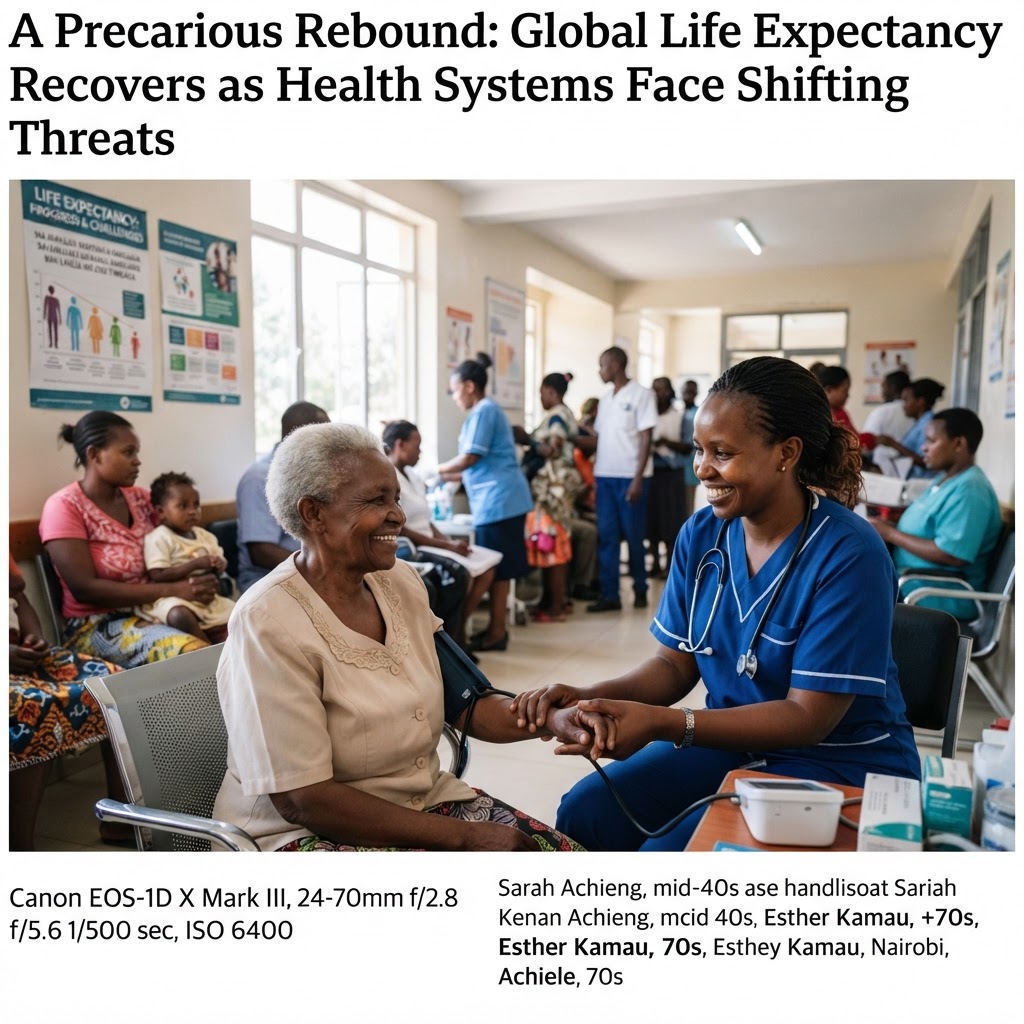
A Precarious Rebound: Global Life Expectancy Recovers as Health Systems Face Shifting Threats
Recent data from the World Health Organization shows worldwide life expectancy rebounding toward pre-pandemic marks, even as regional epidemics and persistent disparities test the resilience of global healthcare infrastructure.
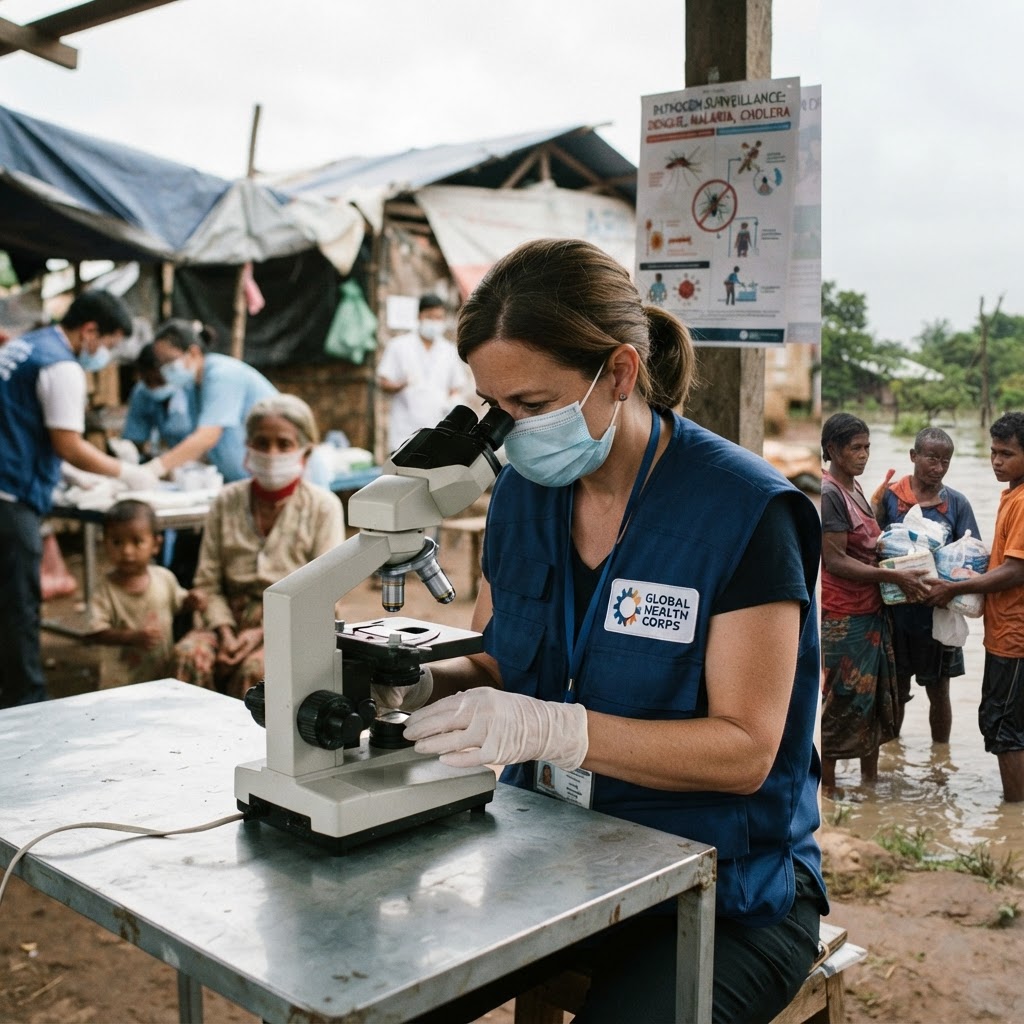
Global Health at a Crossroads: Resurgent Pathogens, Climate Threats, and Shifting Demographic Landscapes
Recent international health reports underscore a complex landscape where rebound gains in global life expectancy face escalating pressures from regional disease outbreaks, climate-driven heat risks, and chronic maternal conditions.
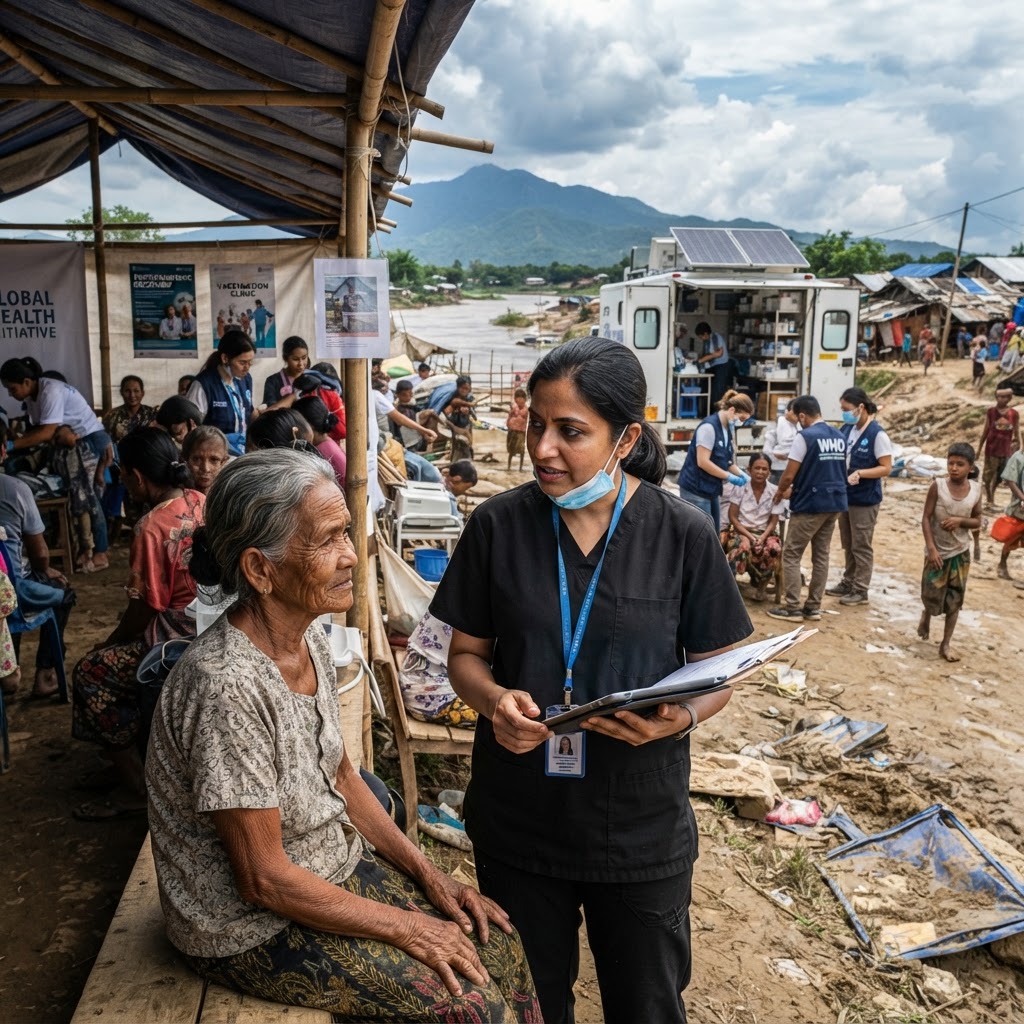
A Precarious Recovery: Global Health Navigates Post-Pandemic Rebound Amid Climate and Viral Pressures
While global life expectancy has largely rebounded toward pre-pandemic benchmarks, public health systems face compounding strains from climate extremes, emerging viral flare-ups, and the chronic burdens of modern living.