A Precarious Rebound: Global Life Expectancy Recovers as Health Systems Face Shifting Threats
Recent data from the World Health Organization shows worldwide life expectancy rebounding toward pre-pandemic marks, even as regional epidemics and persistent disparities test the resilience of global healthcare infrastructure.
A Statistical Recovery Masks Deeper Challenges
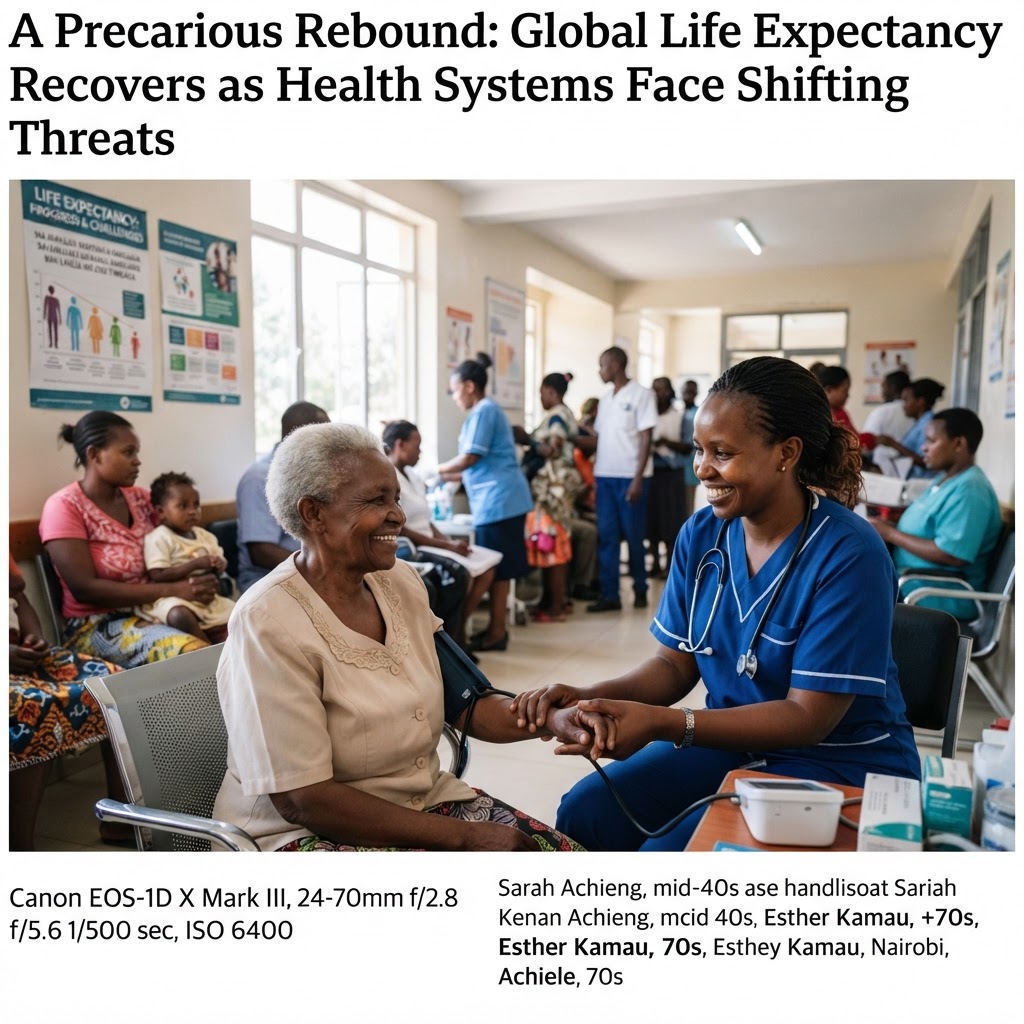
Worldwide public health has reached an important milestone as global life expectancy rebounds to near pre-pandemic baselines. Fresh global assessments indicate that average lifespan figures, which plunged severely during the height of the COVID-19 emergency, have staged a marked numerical recovery. According to findings highlighted by UN News and data specialists at the World Health Organization, while overall longevity is clawing its way back, healthy life expectancy—the span of years an individual lives free of disabling illness or chronic impairment—is lagging behind, lingering below pre-crisis records.
Public health leaders note that expanding nominal lifespans without securing physical and functional well-being places compounding burdens on healthcare networks worldwide. The dual challenge of an aging global population and prolonged post-illness complications demands systematic structural investment rather than reliance on headline recovery statistics alone.
Frontline Outbreaks and Regional Strains
The fragility of modern health systems remains acutely visible in areas contending with acute infectious threats. Central Africa continues to battle sustained communicable disease pressures, exemplified by a protracted Ebola outbreak in the Democratic Republic of the Congo. As reported by UN News, the death toll from the crisis has climbed into the thousands over several months of intensive response operations, underscoring how vulnerable local clinics remain when emergencies persist in fragile settings.
Despite these steep hurdles, response teams have mobilized accelerated vaccination campaigns aimed at frontline medical staff and vulnerable contacts. Yet logistical hurdles, localized instability, and resource exhaustion persist, exposing the persistent gap between global containment blueprints and the operational realities on the ground.
The Debate Over Future Pandemic Preparedness
Beyond localized containment, global governance bodies are navigating difficult negotiations aimed at cementing international disease-preparedness accords. High-level delegations have convened to finalize unified mechanisms for pandemic surveillance, rapid financial distribution, and cross-border pathogen data sharing, as documented by reports from the World Health Organization. Nevertheless, diplomatic friction surrounding intellectual property waivers, vaccine equity guarantees, and sovereignty concerns continues to complicate these historic pacts.
Observers from research institutes and clinical forums emphasize that without legally binding commitments to resource allocation, low- and middle-income territories remain exposed to the same structural bottlenecks that hobbled international responses during previous global emergencies.
Primary Healthcare and Localized Interventions
A growing body of academic literature and field evidence suggests that high-level international treaties must be paired with substantial grassroots investment. Recent evaluations published across the JAMA Network illustrate that foundational primary healthcare coverage serves as the single most decisive factor in slashing maternal, neonatal, and child mortality in underserved jurisdictions. When primary clinic networks decay or face funding shortfalls, decades of hard-won survival gains can erode within a matter of years.
Innovations ranging from low-cost simulation training for emergency neonatal ventilation to community-centered disease monitoring underscore that resilient healthcare delivery does not always depend entirely on cutting-edge capital equipment. Rather, sustained financing, steady supply chains, and consistent support for local practitioners constitute the true bedrock of lasting population wellness.
Navigating the Path Forward
As the international community confronts simultaneous pressures—ranging from the chronic management of noncommunicable diseases and climate-induced heat illnesses to acute outbreak containment—the latest health data serves as both encouragement and a stark warning. The numerical rebound in global life expectancy proves the agility and strength of medical science, but ensuring those restored years are lived in dignity and good health remains the defining task for policymakers worldwide.
Recommended for you
Similar to “Global Health”
A Turning Point for Global Health: Longevity Rebounds Amid Chronic Disease Surges and Next-Gen Therapies
Recent data from the World Health Organization shows global life expectancy rebounding near pre-pandemic levels, even as health systems confront an escalating burden of noncommunicable diseases and race to deploy next-generation metabolic and cellular therapeutics.
A Turning Point for Global Health: Recovering Life Expectancy Meets the Chronic Disease Surge
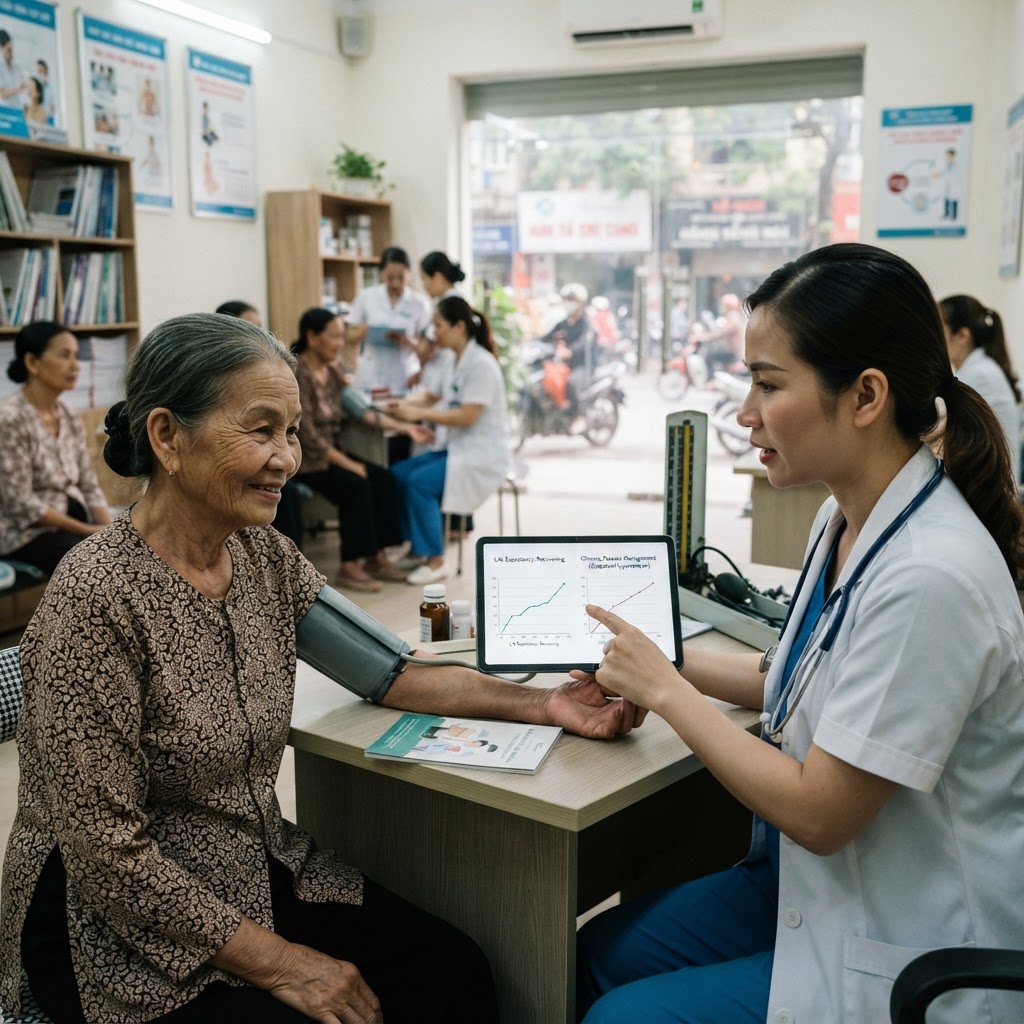
Recent data from international health organizations shows that worldwide life expectancy has rebounded to near pre-pandemic levels, even as health systems face a mounting burden of noncommunicable diseases.
A Fragile Rebound: Global Health Navigates Post-Pandemic Life Expectancy and Lingering Outbreak Threats
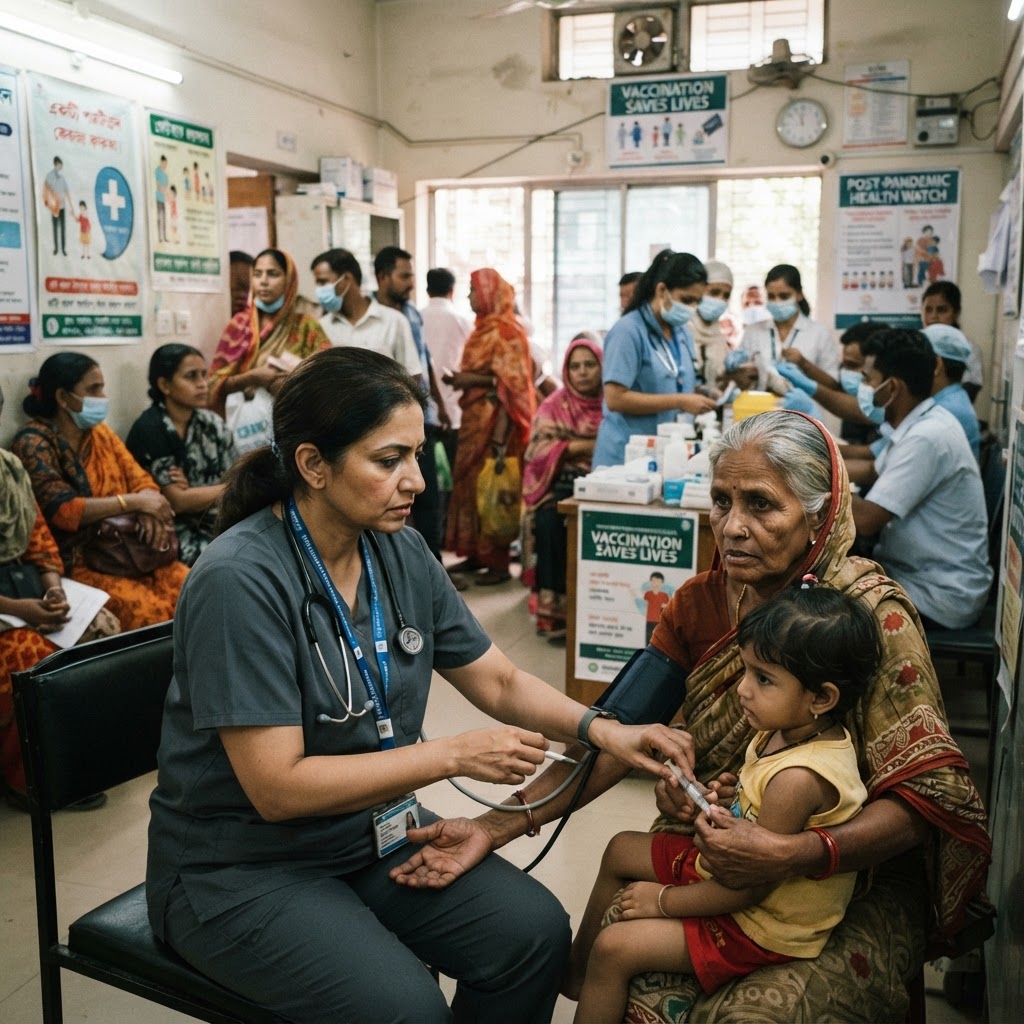
Recent data reveals global life expectancy has nearly recovered to pre-pandemic figures, yet emerging regional outbreaks and systemic structural challenges underscore the ongoing vulnerability of worldwide health defenses.