A Fractured Recovery: Emerging Global Health Trends Highlight Climate, Chronic Illness, and Inequity
As global life expectancy rebounds to near pre-pandemic levels, public health authorities confront an intensifying double burden: surging noncommunicable diseases and compounding climate-driven crises.
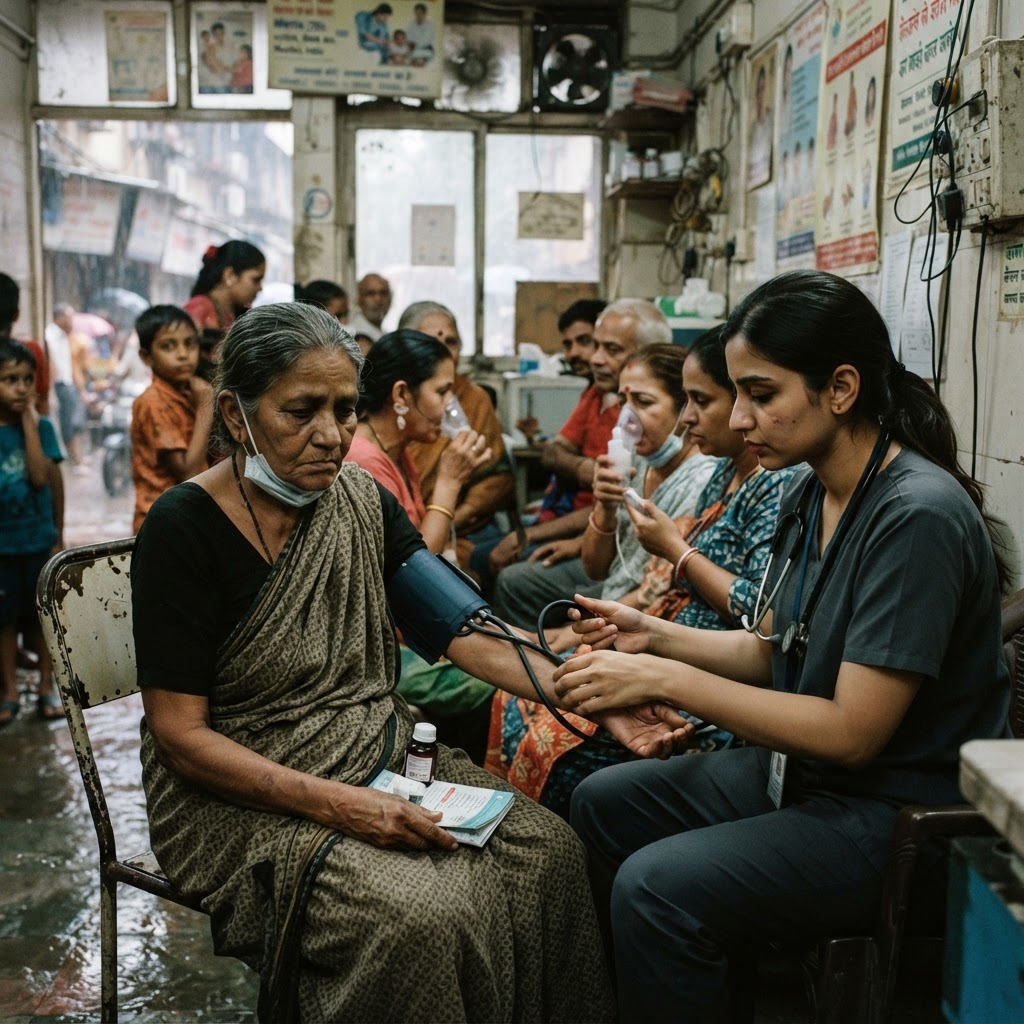
The Complex Rebound of Global Life Expectancy
In recent weeks, international health institutions have offered a clear yet sobering view of the state of global wellness. According to newly released data in the World Health Organization's Global Health Estimates, global average life expectancy has made a remarkable recovery following the widespread devastation of the COVID-19 pandemic. By 2023, worldwide life expectancy rebounded to 73.3 years—nearly matching the pre-pandemic benchmark of 73.4 years recorded in 2019. However, health statisticians caution that the recovery is far from even. While headline longevity has rebounded, healthy life expectancy—the span of years lived without debilitating illness or disability—lags noticeably behind, lingering at 62.8 years.
The Growing Shadow of Noncommunicable and Chronic Diseases
The divergence between overall lifespan and disease-free years highlights a dramatic epidemiological transition. Chronic, noncommunicable conditions (NCDs) such as cardiovascular disease, diabetes, neurological disorders, and mental health conditions are claiming an increasingly dominant proportion of the global burden of disease. At recent forums focusing on the inclusion of affected populations, health officials stressed that addressing NCDs requires reshaping public health delivery from episodic, emergency response to comprehensive, long-term chronic care management. Clinical advancements are beginning to address this need; for instance, the recent publication of WHO target regimen profiles for long-acting injectables seeks to transform tuberculosis treatment by easing daily adherence challenges and placing supportive systems at the forefront of patient care.
Climate Extremes Threaten Maternal and Child Health
Simultaneously, the physical environment has emerged as one of the most volatile variables in human health. Coinciding with findings from The Lancet on climate-related mortality, public health agencies have introduced dedicated frameworks to monitor the escalating perils of extreme heat. Extreme temperature events pose disproportionate hazards to vulnerable demographics, especially pregnant women, developing fetuses, and young children. Prolonged heatwaves are directly linked to elevated rates of preterm birth, low birth weight, and heightened risks of maternal hypertension, necessitating targeted clinical roadmaps to safeguard maternal and neonatal care amid a warming climate.
Resurgent Outbreaks and the Security Nexus
Even as chronic conditions expand, the threat of infectious diseases remains starkly acute. WHO surveillance figures show a 30% rise in cholera fatalities, reaching numbers unseen in over two decades despite widespread efforts to ramp up vaccine manufacturing. In tandem with conflict and infrastructural collapse in regions experiencing intense humanitarian emergencies, preventable pathogens continue to exploit gaps in sanitation and medical supply chains. Recognizing that modern public health crises regularly intersect with international security, global agencies have recently formalized pacts—such as a joint initiative between the WHO and INTERPOL—to counter cross-border biosecurity risks, illicit substance flows, and contaminated or counterfeit pharmaceuticals.
Toward Resilient and Equitable Health Systems
The converging pressures of climate disruptions, chronic noncommunicable illnesses, and persistent localized epidemics illustrate that returning to pre-pandemic baselines is insufficient. Building truly resilient healthcare networks will require sustained domestic financing, robust primary care delivery, and proactive adaptation to environmental determinants of health, ensuring that gains in human longevity are matched by improvements in daily quality of life.
Recommended for you
Similar to “Global Health”
A Turning Point for Global Health: Longevity Rebounds Amid Chronic Disease Surges and Next-Gen Therapies
Recent data from the World Health Organization shows global life expectancy rebounding near pre-pandemic levels, even as health systems confront an escalating burden of noncommunicable diseases and race to deploy next-generation metabolic and cellular therapeutics.
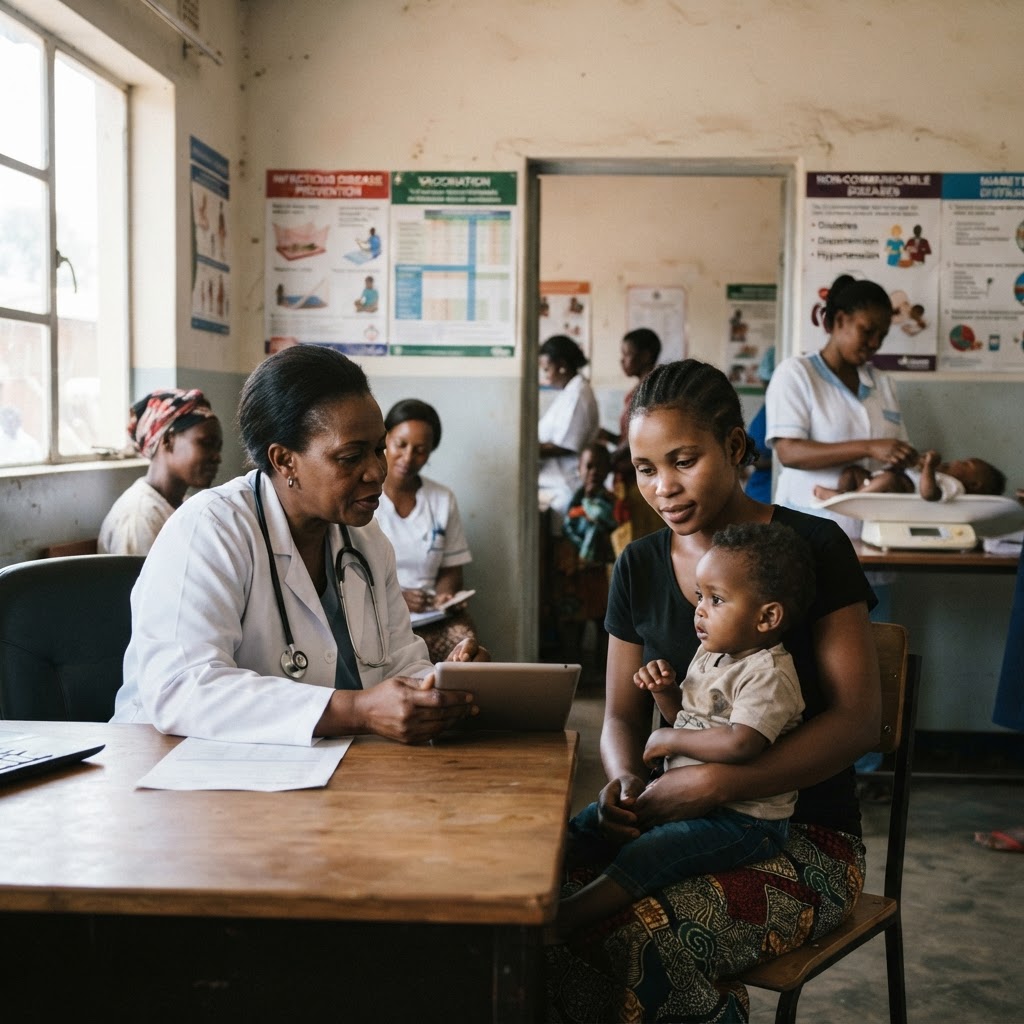
A Rebounding World Faces a Changing Burden: Inside the New Era of Global Health
As global life expectancy rebounds to near pre-pandemic levels, public health systems are pivoting to confront a mounting wave of chronic conditions and an evolving landscape of clinical medicine.
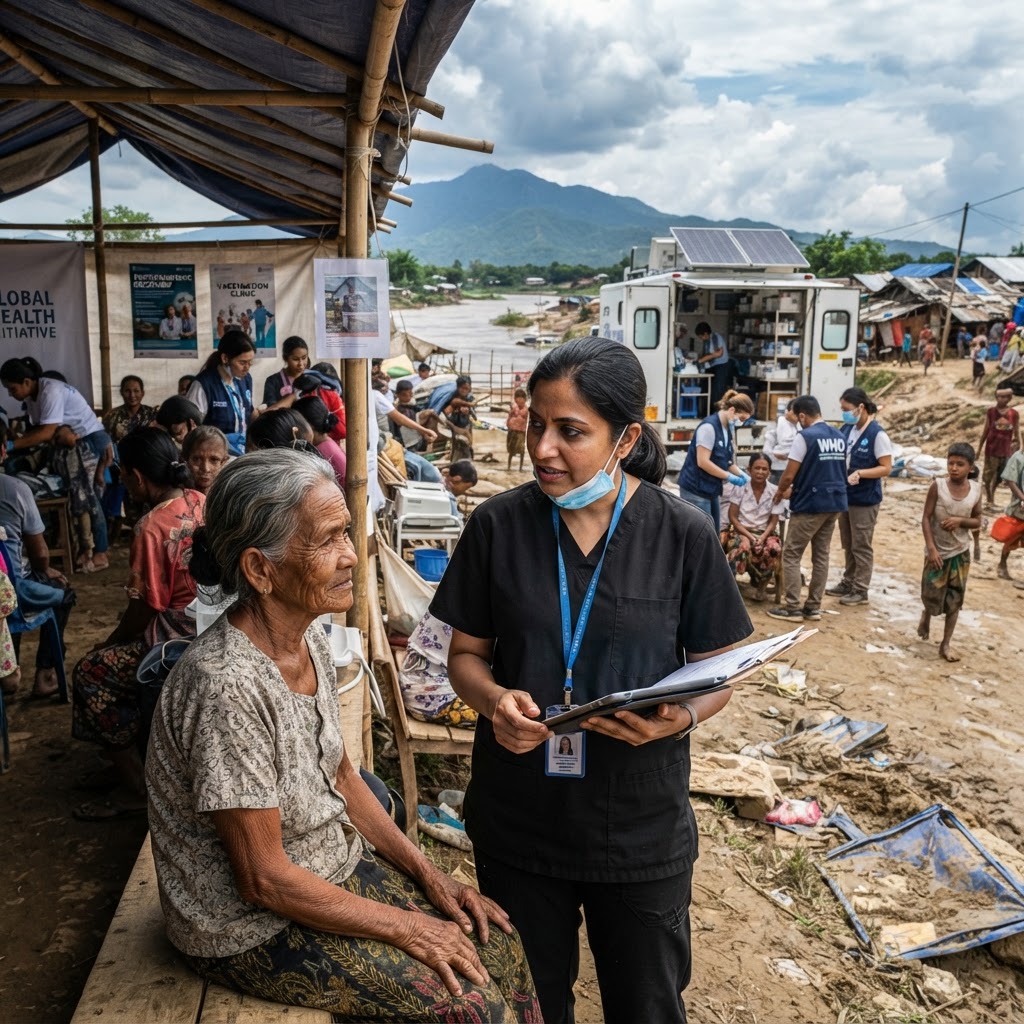
A Precarious Recovery: Global Health Navigates Post-Pandemic Rebound Amid Climate and Viral Pressures
While global life expectancy has largely rebounded toward pre-pandemic benchmarks, public health systems face compounding strains from climate extremes, emerging viral flare-ups, and the chronic burdens of modern living.