Crossroads of Heritage and Independence: Cultural Currents Redefining Global Arts
From landmark shifts in institutional leadership and historical provenance to tectonic movements across the music and entertainment industry, international cultural landscapes are undergoing a profound reimagining.
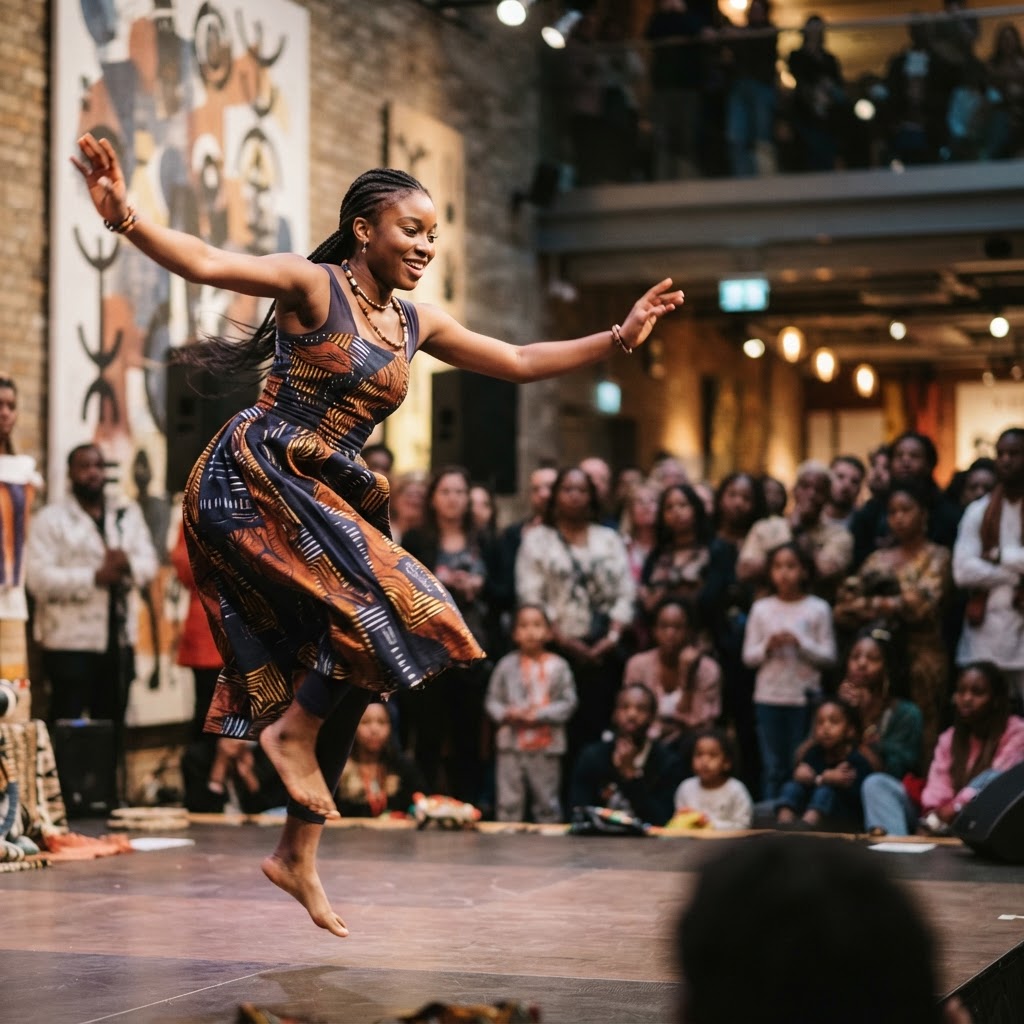
A Season of Upheaval and Accountability in Heritage Institutions
Across the globe, art institutions and cultural authorities find themselves navigating an era marked by heightened scrutiny over stewardship, attribution, and heritage. As reported across international art monitors, long-standing traditions of curatorial authority are facing direct tests. In East Asia, the National Museum of Korea witnessed a sudden tremor as director You Hong-june offered to step down following a high-profile controversy surrounding a misattributed calligraphic work sourced from a private collection, underscoring the razor-thin margin for error museums face when balancing private donations with public historical records, as highlighted by Yonhap News Agency.
This heightened focus on integrity and repatriation is not limited to gallery attributions. Historical reconciliation continues to exert a powerful pull on international diplomacy. Recent repatriations, such as the high-profile return of Czar Samuel's remains to Bulgaria after nearly a millennium, have demonstrated how cultural heritage remains an active, sensitive axis in contemporary international relations, noted by Al Jazeera. When artifacts and ancestral symbols return across sovereign borders, they invoke deep national sentiment while forcing institutions to reassess the ethics of historical possession.
Independent Horizons in Global Entertainment
Simultaneously, the global entertainment and music landscape is witnessing artists seeking total creative and commercial autonomy. In South Korea's vibrant popular music market, a major tectonic shift occurred as TWICE member Jihyo officially departed JYP Entertainment after an extraordinary 21-year tenure to establish her own independent agency, according to Yonhap News Agency. Such departures signify a wider trend among elite international performers moving away from traditional legacy management in favor of self-governed creative control, mirroring similar creator-economy transformations worldwide.
This push toward personal authorship echoes through the global independent film and contemporary art circuits. From the revitalization of major regional gatherings like the China Shanghai International Arts Festival documented by CGTN to expanding contemporary performance hubs across the Middle East, artists are carving out distinct platforms that challenge historical gatekeeping. Whether transforming modern conflict debris into poignant artistic commentary or leveraging festival platforms to foreground local histories, creators are increasingly taking narrative power directly into their own hands.
The Changing Dynamics of Patronage and Market Influence
Underpinning these shifts in artistic agency is a notable transition in market economics. Industry analyses covered by Smithsonian Magazine indicate that the demographics driving global art transactions and institutional backing are evolving rapidly. A surging cohort of young, high-net-worth collectors in their twenties is aggressively entering auction halls and contemporary galleries, frequently outspending older institutional buyers. Their appetite leans heavily toward works that merge political resonance, digital experimentation, and cross-cultural heritage.
Parallel to private commercial appetite, intergovernmental initiatives are establishing structural backing for cultural economies. The formalization of upcoming multinational initiatives, such as the United Nations and UNESCO's Decade of Culture for Sustainable Development described by UNESCO, reflects an institutional recognition that creative expression and heritage preservation are indispensable drivers of economic diversification and social resilience. As cultural sectors worldwide navigate administrative shakeups, generational shifts in wealth, and the demand for greater artistic sovereignty, the boundaries between classical preservation and contemporary independence continue to blur.
Recommended for you
Similar to “Arts and Culture”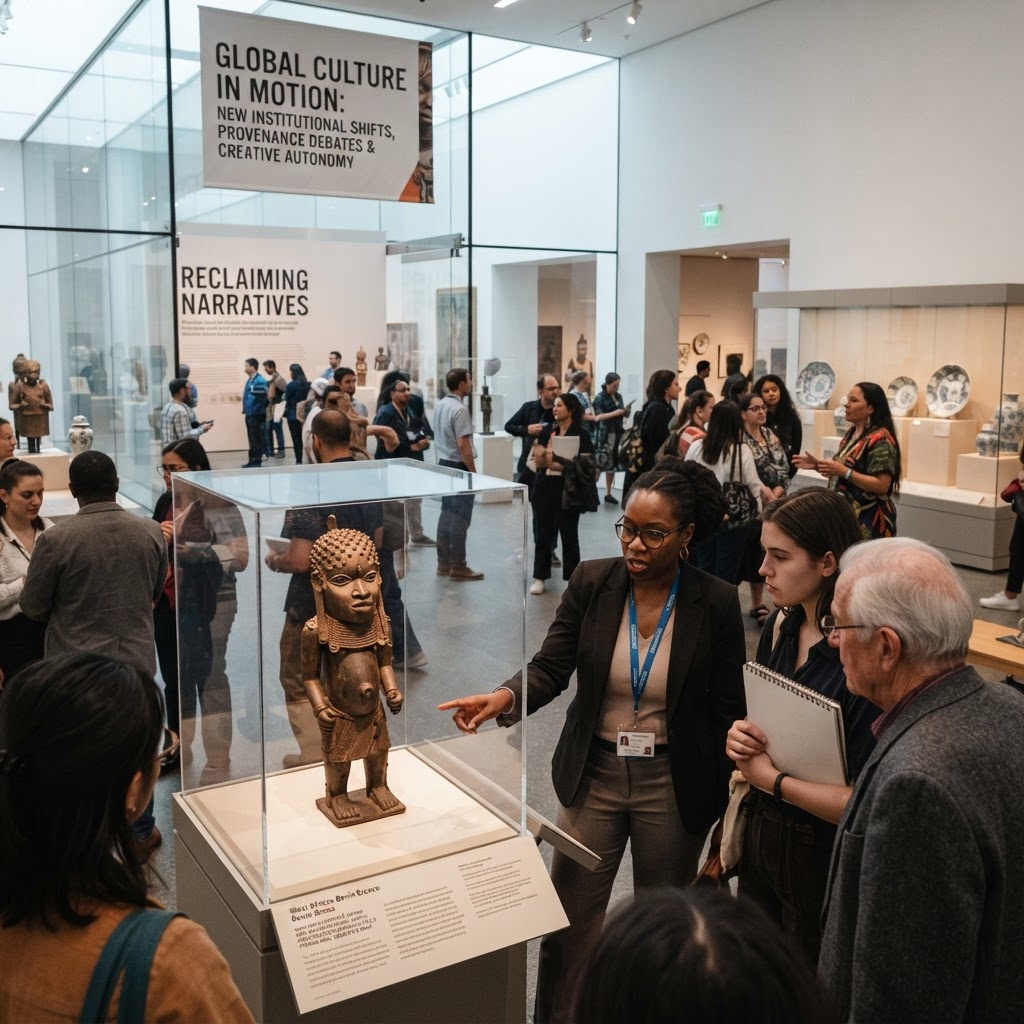
Global Culture in Motion: New Institutional Shifts, Provenance Debates, and Shifting Creative Autonomy
Recent developments across international museums, policy frameworks, and popular music reflect a cultural landscape grappling with transparency, creative independence, and heritage preservation.
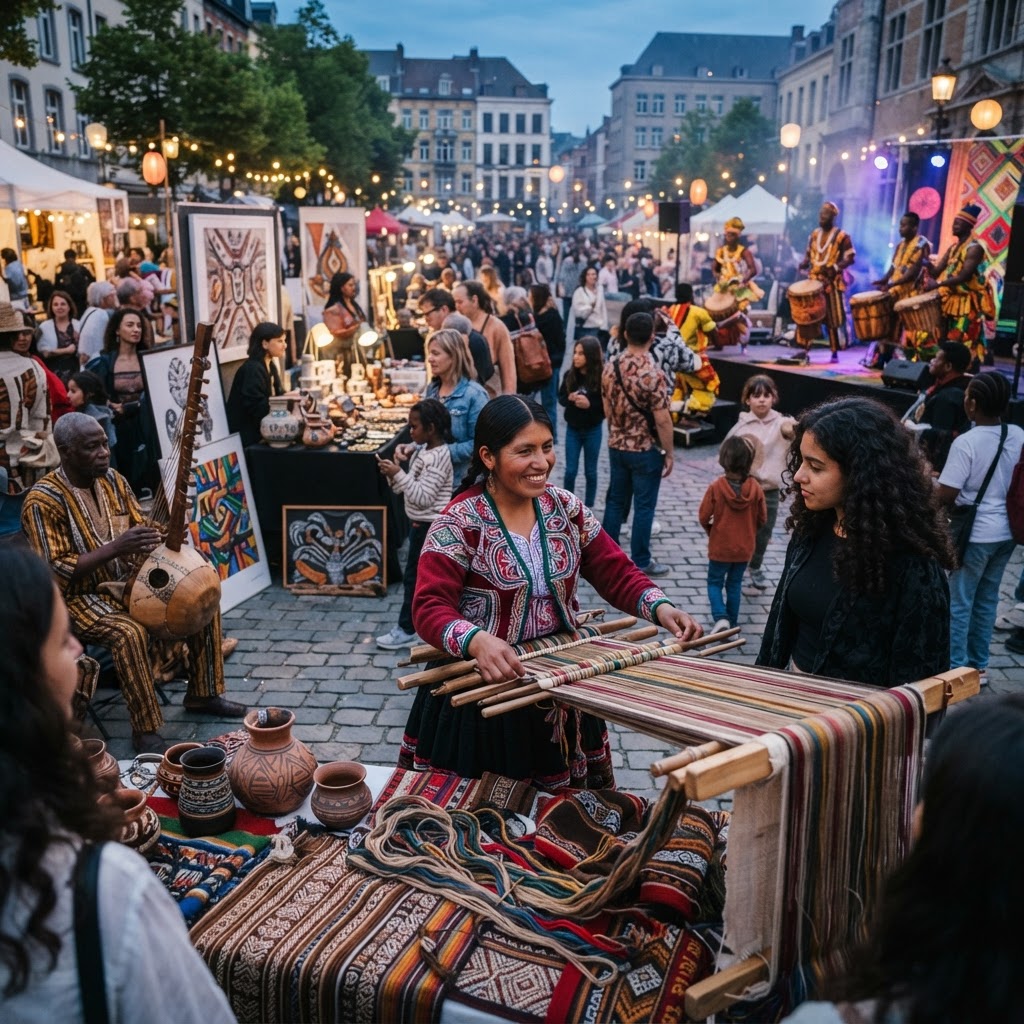
A Tapestry of Heritage, Provenance, and Reinvention: Global Culture in Focus
From significant archaeological milestones in Europe to institutional reckonings and shifts across contemporary arts and music, the international cultural landscape is navigating the balance between deep history and modern reinvention.
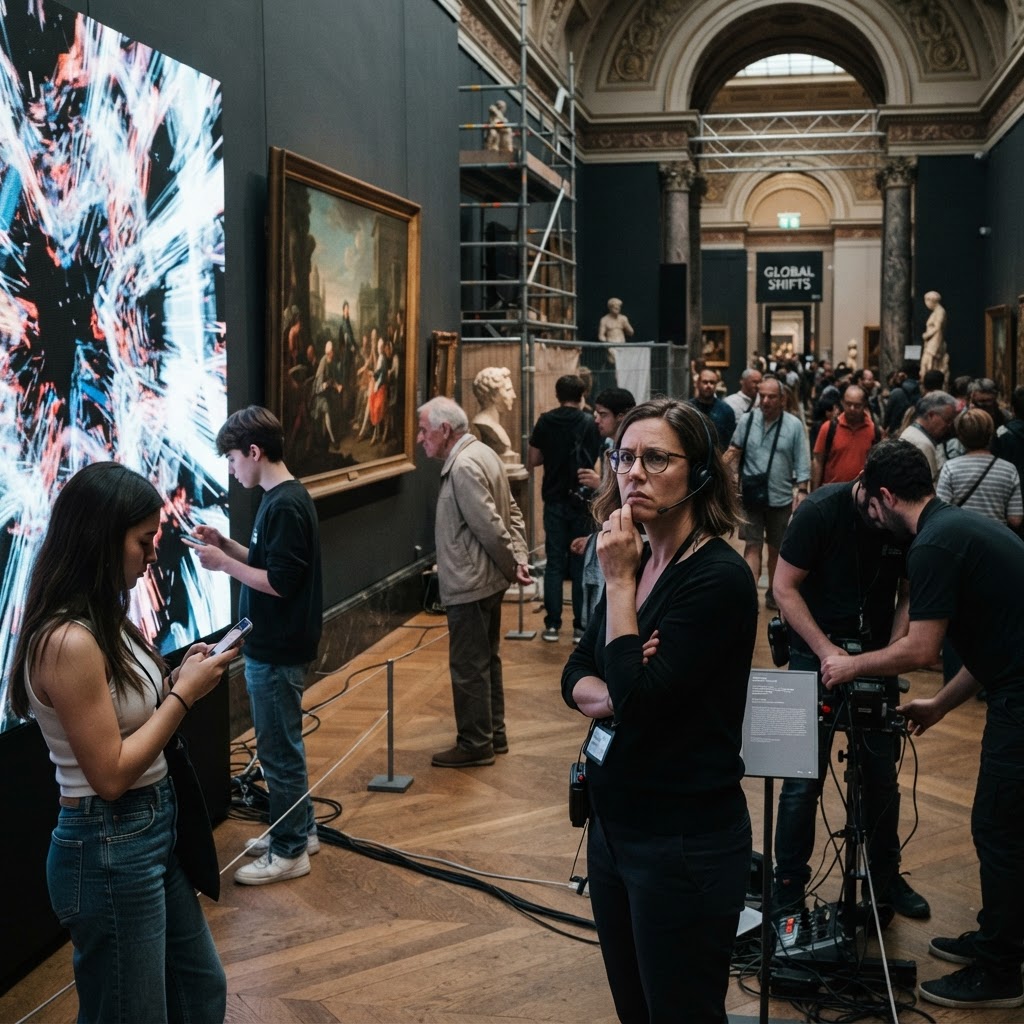
Culture at the Crossroads: Institutional Strain, Algorithmic Drift, and Global Shifts Redefine Global Arts
The international cultural sector is navigating profound transformations as institutional governance battles, artificial intelligence homogenization concerns, and new hubs of heritage diplomacy challenge established traditions.