Global Electoral Tremors: Incumbents Face Reckoning from the Americas to Eastern Europe
From high-stakes ballots in Latin America and the Balkans to looming votes in Israel and the United States, recent days have witnessed sharp political realignments and intense diplomatic pressure across the globe.
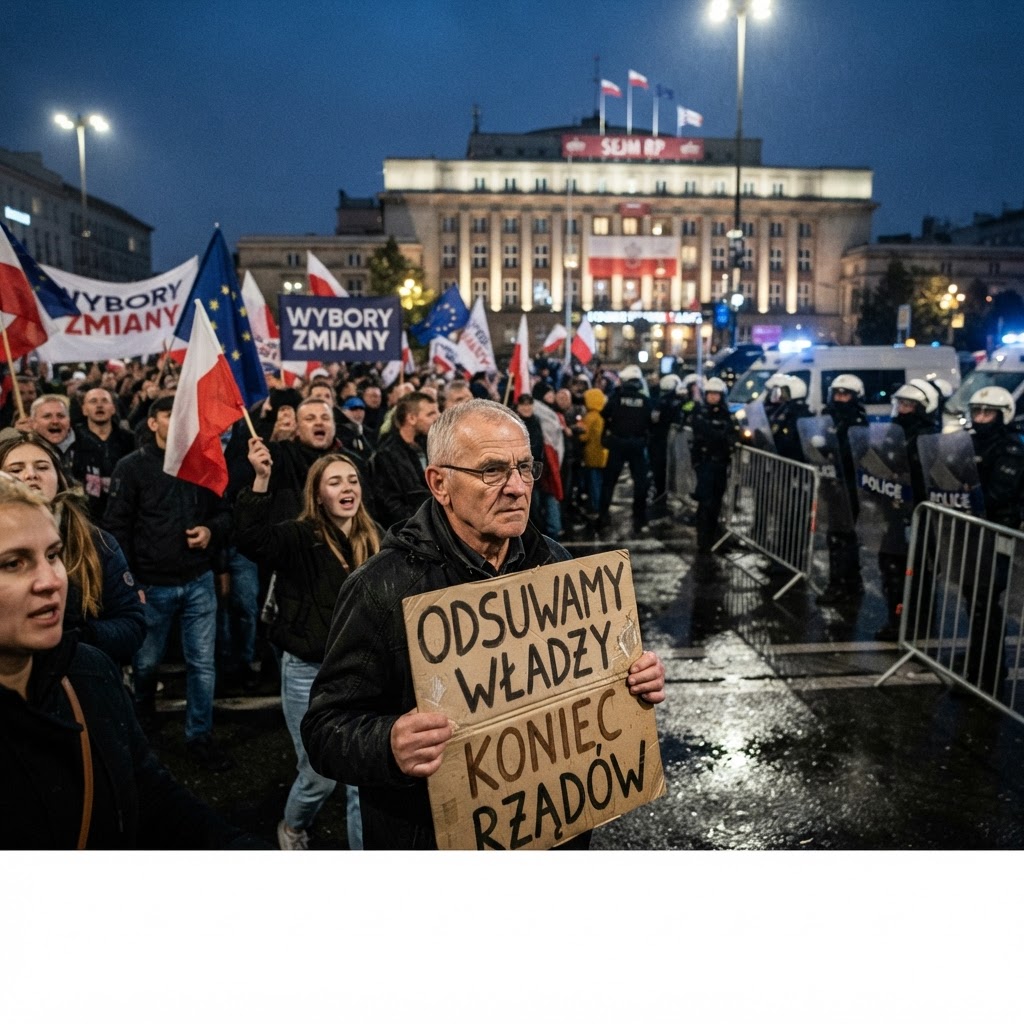
A Watershed Moment in Global Balloting
Voters across several continents have delivered major political shocks over the past several days, setting off a chain reaction that promises to reshape domestic governance and international diplomacy. In Latin America's largest democracy, leftist Brazilian President Luiz Inácio Lula da Silva secured a dramatic victory against Flavio Bolsonaro, turning back an assertive challenge from the conservative right after late-reporting ballots from his core strongholds reversed early deficits, according to coverage reported by Vijesti and The Japan Times. The contest was characterized by intense polarization and acute legal friction, including subsequent high court interventions restricting the former president's travel as reported by Newser.
Simultaneously, Eastern Europe recorded its own political earthquake. In Serbia, longtime leader Aleksandar Vučić faced a historic setback as the opposition Student List defeated his United Serbia coalition, ending a dominant 14-year governing era as detailed in reports carried by Vijesti and highlighted by Newser's dispatch on the concession. Together, these parallel shifts underline an unpredictable international climate where entrenched power structures are struggling to maintain consensus amid public frustration over economic and institutional challenges.
Middle East Tensions and Inconclusive Mandates
The wave of consequential political tests extends into the Middle East, where Israeli voters turned out in near-record numbers—approaching 78 percent—in a pivotal parliamentary contest marked by deep societal divisions following months of conflict, as reported by The Japan Times. Preliminary tallies showed the opposition edging ahead of Prime Minister Benjamin Netanyahu's faction, though the vote remained tight and inconclusive, ushering in fraught coalition negotiations.
The uncertainty in Jerusalem arrives against an increasingly volatile regional backdrop. Regional dynamics face mounting strain from ongoing confrontations with Houthi forces and heightened security anxieties regarding Iran, prompting third-party states to deploy envoys to forestall expanded regional strikes, according to accounts aggregated by Newser and analysis from The Japan Times. World capitals are watching the coalition process closely, aware that the composition of the next government will decisively shape regional military engagements and broader security arrangements.
The Shadow of the Looming U.S. Midterms
In the United States, the final stretch leading to nationwide midterm elections has absorbed both domestic policy debates and international strategic calculations. Washington is experiencing bitter cross-party campaigns for control of Congress, where prediction markets and campaign strategists are tracking knife-edge races across competitive districts, as noted by CNBC.
Simultaneously, high-profile legal controversies continue to permeate the American political ecosystem. Legal battles over ballot access in battleground states and scrutiny surrounding past congressional testimony continue to command headlines, as analyzed by CNN and Newser. Observers note that the electoral outcome in the United States could alter the trajectory of foreign assistance, trade regulations, and international defense commitments at a juncture when allies are seeking steady direction from Washington.
Diplomatic Manoeuvres in the Ukraine Conflict
Beyond the ballot box, backchannel diplomacy has accelerated in relation to the war in Ukraine. Negotiators have sought common ground on potential frameworks to wind down hostilities and re-evaluate sanctions structures, as detailed by The Global Eye. Discussions concerning the possible easing of measures against Russian financial mechanisms, such as the Russian Direct Investment Fund (RDIF), have spurred heated pushback from critics who warn that economic accommodations could undercut Kyiv's bargaining posture.
Meanwhile, European leaders have navigated conflicting strategies regarding direct engagement with Moscow, balancing diplomatic overtures against ongoing localized clashes and limited regional ceasefires on the ground, according to updates from CNBC and Newser. As electoral changes continually alter the domestic political mandates of key global players, the durability of international alliances and peace initiatives remains poised on a razor's edge.
Recommended for you
Similar to “Global Politics”
A Global Political Reshuffle: Capitol Hill Power Shifts and Deepening Geopolitical Fault Lines
Recent electoral upheavals in the United States and intense diplomatic realignments across the Middle East, Eastern Europe, and South Asia mark a transformative moment in international politics.
Diplomatic Reshuffles and Parliamentary Fractures: A Tumultuous Week in Global Governance
From political realignments in the Middle East and presidential impeachment in Latin America to shifting trade pressures across Asia and Washington, recent days have witnessed intense friction across the international political arena.
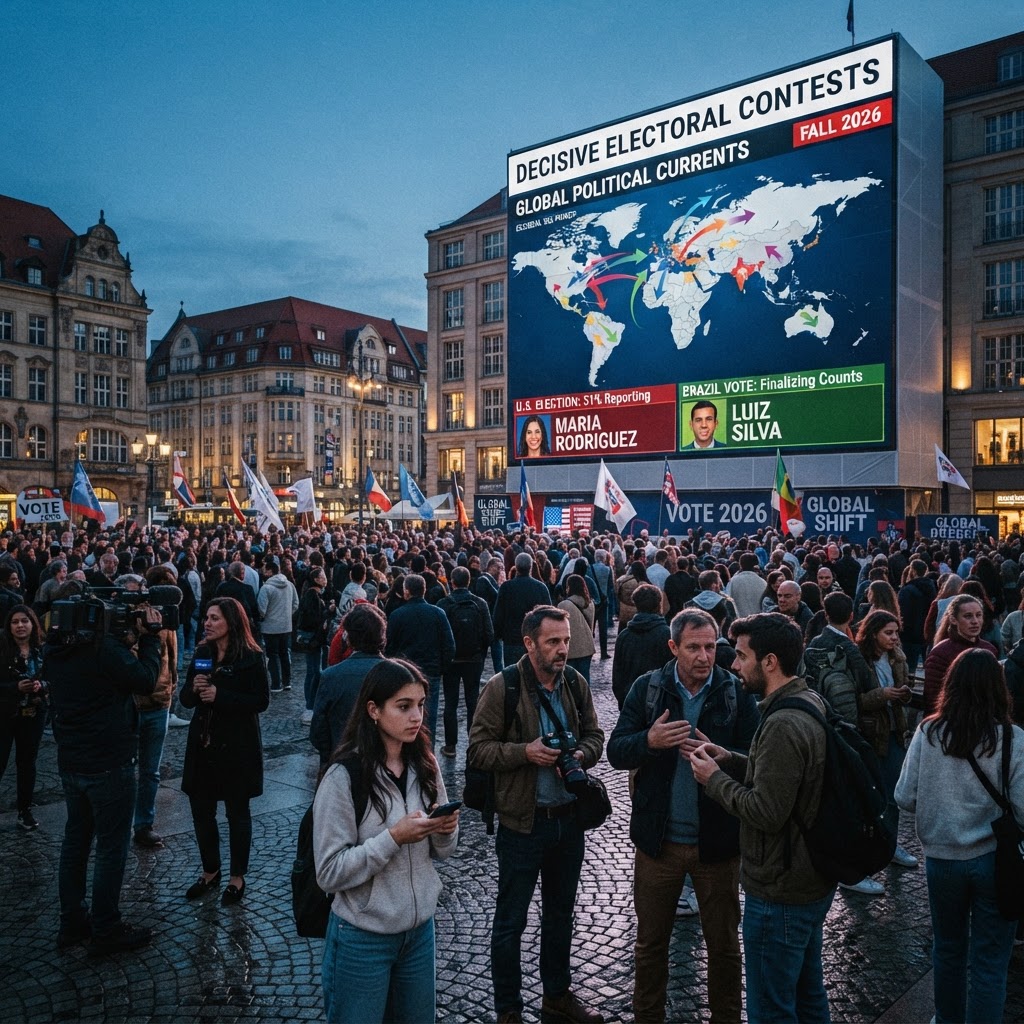
Global Political Currents: Decisive Electoral Contests and Shifting Power Dynamics Shape Fall 2026
From high-stakes electoral upsets across Latin America and Europe to mounting midterm campaign friction in the United States and Southeast Asian political rifts, global leadership enters a turbulent transitional phase.