Mapping the Unknown: From Cosmic Origins to the Neurological Frontiers of Human Disease
Recent breakthroughs spanning astrophysics, cellular metabolism, and neuroscience are redefining foundational assumptions about early cosmic evolution and the body's hidden biological networks.
Unraveling the Mysteries of the Cosmic Dawn
In recent days, the scientific landscape has seen a series of remarkable announcements that challenge long-standing assumptions across multiple disciplines. Among the most striking revelations comes from deep space observational astronomy. Long-standing astrophysical models have suggested that intense stellar winds and ionizing radiation from early stars drove the reionization of the universe, clearing the thick blanket of neutral hydrogen gas that shrouded the cosmos during its earliest epochs. However, fresh observational analyses conducted using the Hubble Space Telescope have introduced unexpected complexity into this narrative, prompting researchers to fundamentally reconsider the mechanisms that ended the cosmic dark ages roughly 13 billion years ago. These findings suggest that the transition from a dark, opaque universe to one filled with transparent starlight was driven by dynamic factors far more nuanced than previously realized.
Metabolic Insights and Accelerated Medical Remission
While astrophysicists probe deep time, biomedical scientists are reporting significant progress in understanding and confronting chronic metabolic and cellular conditions. In clinical medicine, a major recent trial focused on type 2 diabetes has documented that over half of younger participants achieved sustained clinical remission within just six months. This rapid improvement was achieved through rigorous therapeutic and dietary strategies, underscoring the remarkable capacity of metabolic systems to recalibrate when targeted early in the disease progression. Simultaneously, precision oncology researchers have identified previously unrecognized aggressive sub-populations of cancer cells within pediatric rhabdomyosarcoma tumors that were formerly categorized as low-risk. By pinpointing these cryptic cellular signatures, oncologists gain critical clues into why certain childhood cancers exhibit unexpectedly rapid progression, laying the groundwork for earlier intervention and more tailored therapeutic regimens.
Decoding the Inner Architecture of Pain and the Brain
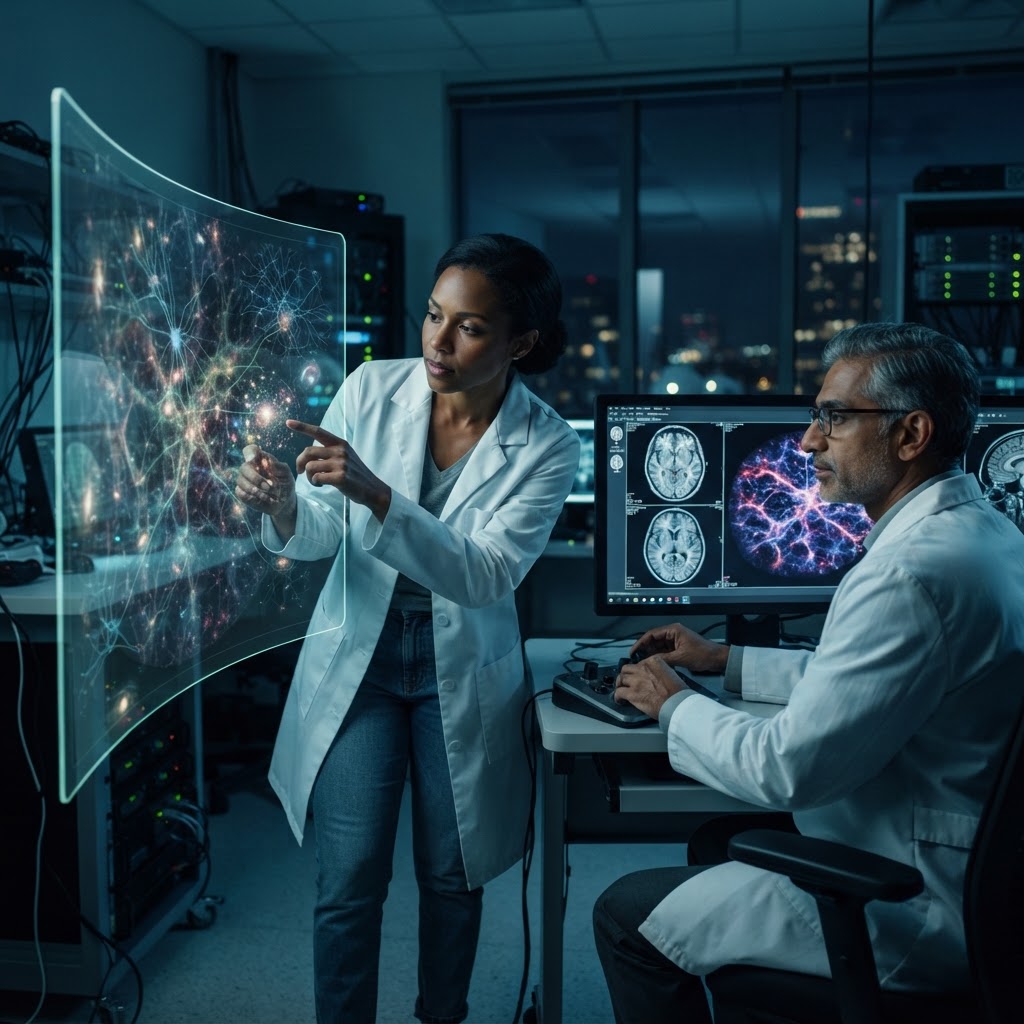
Neuroscience has experienced a complementary surge in transformative discoveries. Investigating the deeply debilitating phenomenon of chronic lower back pain, neuroscientists at the University of California, San Diego discovered that long-term physical discomfort often becomes structurally integrated into cortical networks responsible for personal identity and self-perception. Rather than acting purely as a peripheral sensory signal, persistent pain reorganizes neurological processing, causing the physical sensation to become intimately intertwined with an individual's psychological self-concept. In a related neurological breakthrough, researchers investigating schizophrenia isolated a specific, weakened neural signal that links sensory processing dysfunction with disorganized cognitive patterns, providing a unifying physiological target for conditions that have historically defied cohesive mechanistic explanation.
Frontiers of Longevity and Cellular Adaptation
On the molecular front, scientists investigating the biological pace of aging are establishing novel diagnostic frameworks. Recent work published by aging researchers proposes a suite of measurable biological signals termed aging rate indicators (ARIs). By evaluating these cellular signatures at targeted developmental stages rather than waiting for multi-year lifespans to elapse, researchers anticipate cutting the duration of preclinical longevity studies dramatically. Coupled with newly published findings demonstrating that immune cells utilize mechanical sensation to probe their microenvironments, modern research continues to uncover how dynamic biochemical feedback maintains homeostasis. Across every scale—from cosmic gas filaments to synaptic interfaces—these converging discoveries reflect a science rapidly shifting from passive observation toward precision mechanics.
Recommended for you
Similar to “Science”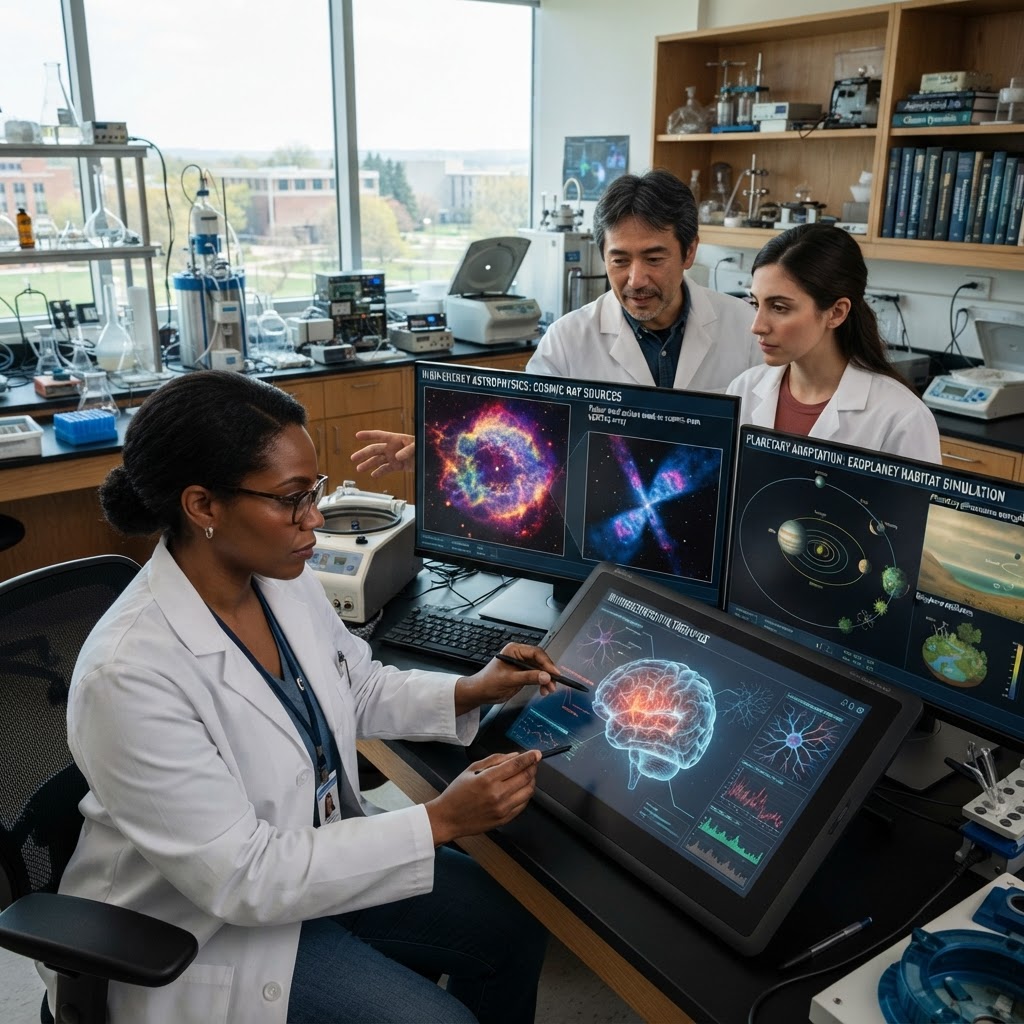
Frontiers of Discovery: Breakthroughs in Neurodegenerative Therapy, High-Energy Astrophysics, and Planetary Adaptation
Recent advances across scientific disciplines have yielded promising new avenues for countering Alzheimer's disease and cellular aging, while deep-space detectors and solar alert technologies open fresh perspectives on cosmic phenomena.

Cosmic Twists and Biological Resets: A Sweeping Look at the Week’s Scientific Turning Points
From Hubble upending longstanding models of how the early universe escaped darkness to promising breakthroughs in metabolic remission and neural pain mapping, recent discoveries are redefining scientific orthodoxy.

Shattering Assumptions: How Recent Breakthroughs Are Overturning Decades of Scientific Dogma
From unexpected crystal flaws that disrupt 40 years of superconductor theory to early biomarkers for autoimmune disease, recent scientific discoveries are redefining foundational concepts across physics, medicine, and technology.