Global Health at a Crossroads: Resurgent Outbreaks, Climate Emergencies, and Precision Therapies
International health bodies are responding to an unprecedented regional Ebola crisis and compounding climate hazards, even as breakthroughs in personalized genetic medicine and metabolic therapies offer fresh hope.
An Unprecedented Outbreak Confronts Regional Preparedness
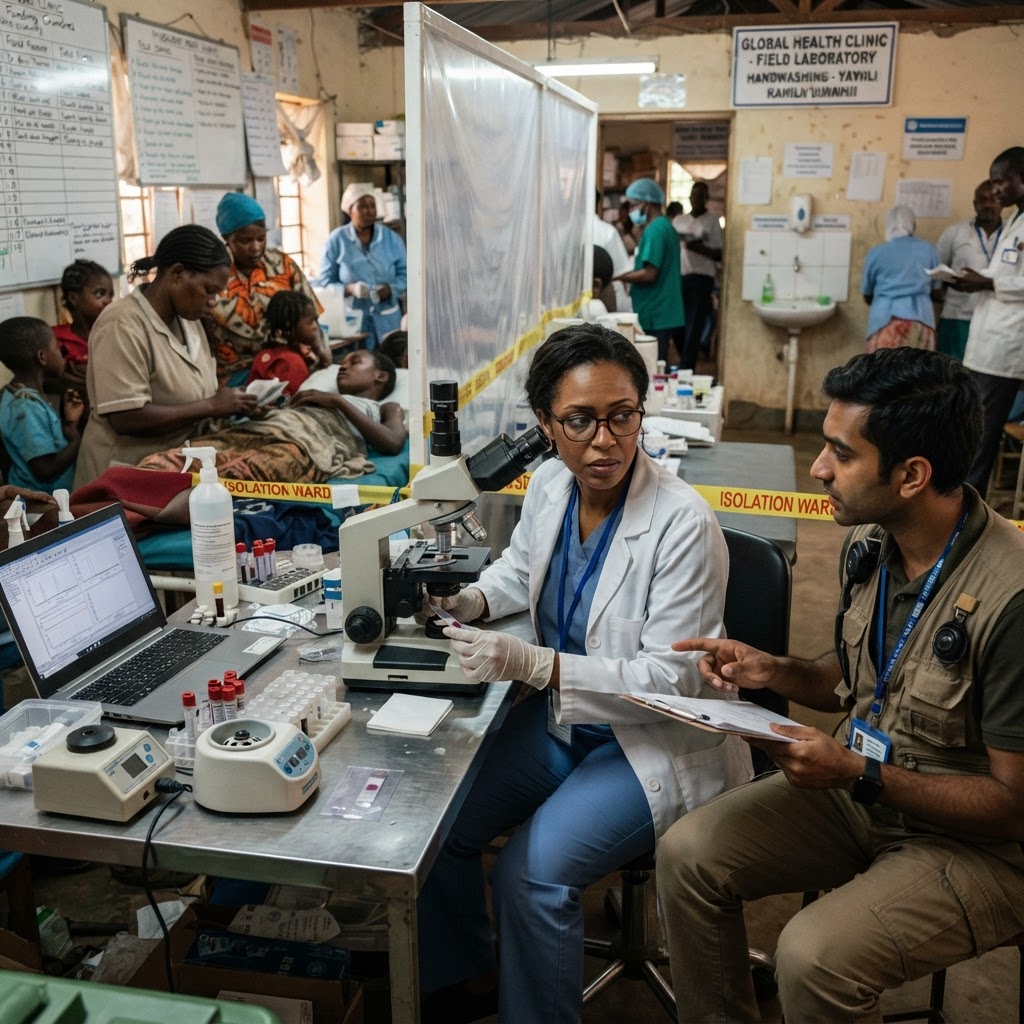
Public health authorities across Central and Eastern Africa are confronting one of the most severe viral threats in recent history as confirmed infections of the Bundibugyo strain of Ebolavirus have surpassed 10,000 cases, according to reports compiled by TwoComma News. Centered primarily in the Democratic Republic of the Congo, the crisis has expanded across regional borders, with confirmed cases and cross-border alerts reported in neighboring countries such as Kenya and Nigeria, as highlighted by UN News. The outbreak has claimed nearly 5,000 lives, triggering emergency ministerial summits coordinated by the Africa Centres for Disease Control and Prevention and the World Health Organization (WHO).
Unlike the more frequently documented Zaire strain, the Bundibugyo lineage historically has lacked an approved prophylactic vaccine or specialized antiviral regimen. In response, global consortia including the Coalition for Epidemic Preparedness Innovations (CEPI) have mobilized fast-tracked clinical initiatives, noted by the Global Health Technologies Coalition. Multi-arm clinical trials are now underway to test cross-protection from existing vaccines alongside emerging candidate formulations developed in international partnerships. Medical authorities emphasize that robust field containment, community surveillance, and equitable deployment of experimental stockpiles are critical to halting further geographical diffusion.
The Escalating Intersection of Climate and Public Health
Compounding infectious disease crises, international environmental and medical researchers have sounded an urgent alarm regarding the intensifying physical toll of ecological disruption. As documented by the World Health Organization and detailed in coverage by Inside Climate News, the newly released 2026 Lancet Countdown on Health and Climate Change argues that global climate change must be formally categorized and handled as a top-tier international public health emergency. Tracking over 50 metrics, the report revealed that annual heat-related fatalities have climbed by roughly 36% since the signing of the Paris Agreement, resulting in hundreds of thousands of avoidable deaths driven by extreme temperature spikes.
While the report acknowledged encouraging milestones—including trillions of dollars in worldwide clean-energy investments that have curtailed industrial air pollution in several nations—the rate of climate-driven health hazards continues to outstrip systemic adaptation. International health coalitions are pressing member states ahead of upcoming climate summits to institutionalize climate-resilient clinical infrastructure, expand early-warning platforms for vulnerable populations, and integrate frontline health professionals directly into international decarbonization treaties.
Frontiers in Precision Medicine and Metabolic Health
Against these overarching macro-challenges, modern clinical science continues to report transformative breakthroughs in molecular and personalized therapeutics. Regulatory agencies, including the United States Food and Drug Administration, have taken pivotal steps toward standardizing frameworks for individualized gene-editing platforms designed for ultra-rare diseases, as reported by TwoComma News. These draft guidelines create flexible pathways for therapies calibrated to an individual patient's unique genetic variation, signaling a transition toward bespoke genomic intervention.
Simultaneously, the therapeutic landscape for chronic cardiometabolic conditions continues to expand. Late-stage head-to-head clinical trial data demonstrate that next-generation multi-receptor agonists, such as experimental triple-hormone molecules like retatrutide, are outperforming established GLP-1 therapies in lowering glycated hemoglobin and driving substantial weight reduction in patients with type 2 diabetes. However, translational medicine also continues to face cautionary milestones; high-profile cancellations of off-the-shelf autoimmune cell therapies following patient safety incidents underscore the delicate balance between rapid clinical innovation and stringent safety oversight.
Navigating the Global Epidemiological Transition
These divergent events reflect broader demographic data recently highlighted in the World Health Organization's Global Health Estimates. Although worldwide life expectancy has steadily recovered to roughly 73.3 years following pandemic disruptions, the growth of "healthy life expectancy" has lagged behind, highlighting systemic deficits in quality of life during later years. Noncommunicable diseases such as cardiovascular conditions, metabolic disorders, and chronic pulmonary illnesses now account for almost three-quarters of all global mortalities, even within developing economies that simultaneously battle emerging and re-emerging infectious pathogens.
As global health leaders assess the path forward, the mandate remains clear: resilience requires a synchronized strategy. Successfully safeguarding public well-being will demand parallel investments in biosecurity and outbreak preparedness, robust climate-adaptation policies across hospital networks, and forward-looking regulatory pathways that bring novel biomedical discoveries safely from bench to bedside.
Recommended for you
Similar to “Global Health”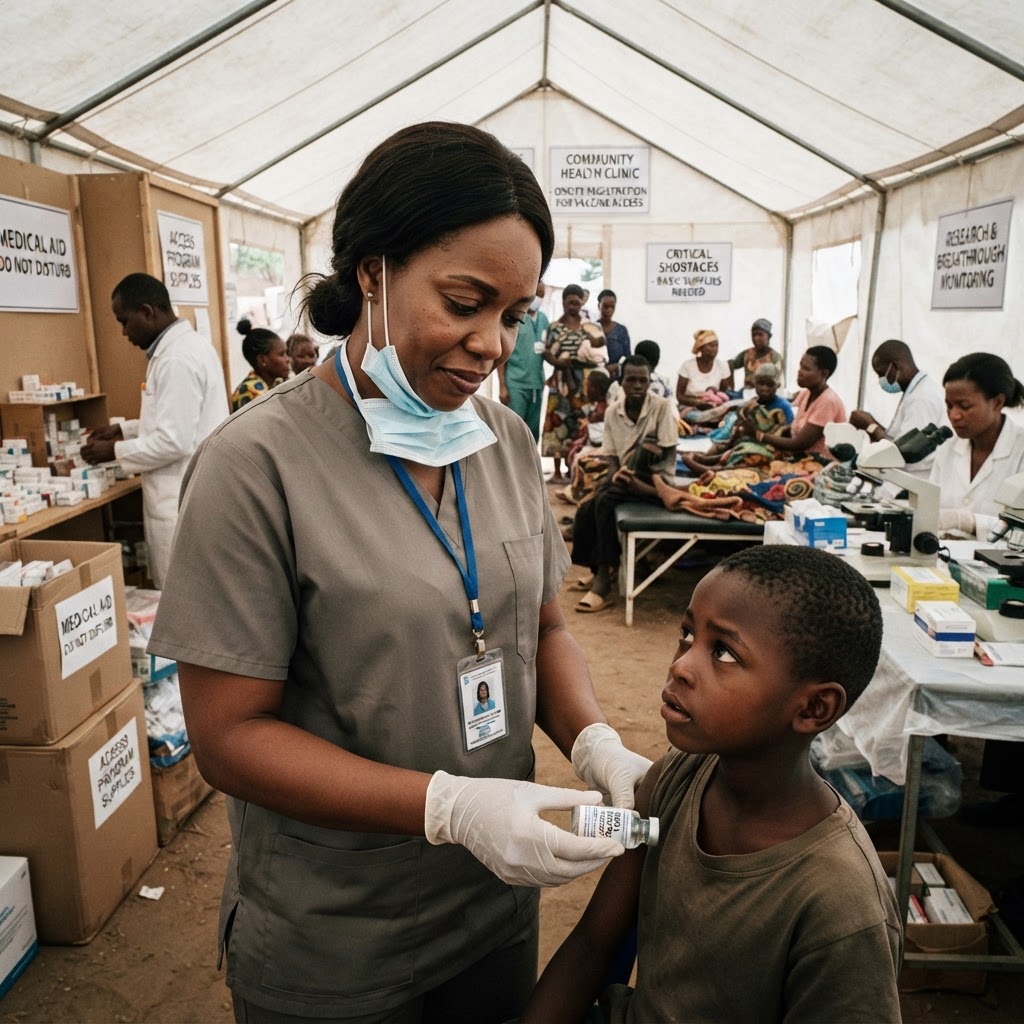
Global Health at a Crossroads: Breakthrough Therapies Emerge Amid Deepening Public Health and Access Crises
Recent advances in precision oncology and genetic medicine offer unprecedented clinical hope, yet resurgence of preventable infectious diseases and systemic healthcare disparities continue to test global resilience.
Global Health at a Crossroads: Groundbreaking Medical Advances Confront Resurgent Pathogens and Funding Crunches
While modern medicine witnesses breakthroughs in metabolic therapies and neurodegenerative diagnostics, global health bodies warn of escalating outbreaks and critical financing shortfalls.

A Dual Front in Global Health: Chronic Disease Surges as Outbreak Responses and Gene Therapies Advance
Recent data from international health authorities reveal a decisive shift toward noncommunicable diseases and metabolic disorders, even as clinicians make unprecedented strides in genetic medicine and combat recurring viral outbreaks.