Global Health at a Crossroads: Groundbreaking Medical Advances Confront Resurgent Pathogens and Funding Crunches
While modern medicine witnesses breakthroughs in metabolic therapies and neurodegenerative diagnostics, global health bodies warn of escalating outbreaks and critical financing shortfalls.
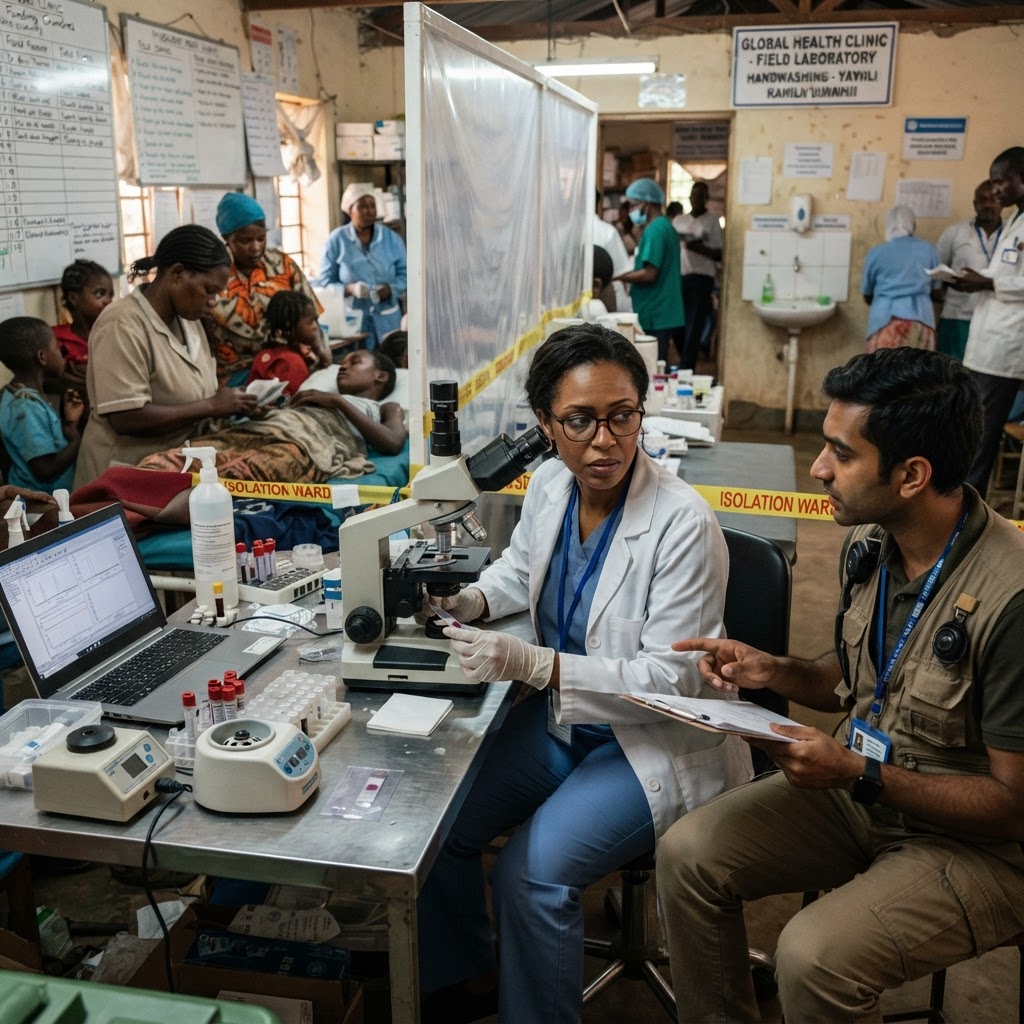
A Dual Landscape of Breakthroughs and Vulnerabilities
The global health landscape is currently experiencing a profound paradox. On one front, clinical medicine and biomedical research are moving forward at an astonishing pace, bringing forth innovative diagnostic tests, expanded metabolic therapies, and advanced vaccine formulations. On the other, frontline public health systems are grappling with a confluence of resurgent infectious diseases, stubborn disparities in primary care delivery, and mounting fiscal pressures that threaten years of hard-won progress.
Frontiers in Chronic Disease and Clinical Diagnostics
In clinical research, metabolic and chronic disease management has seen significant momentum. Fresh clinical insights are demonstrating that GLP-1 receptor agonist medications, widely known for treating type 2 diabetes and obesity, offer profound preventative advantages against the progression of prediabetes, frequently outperforming traditional standard-of-care treatments such as metformin in halting disease onset. Complementing pharmacologic interventions, lifestyle intervention studies have recorded remission rates exceeding 50 percent among select adult cohorts suffering from recently diagnosed type 2 diabetes, reaffirming that aggressive multi-modal interventions remain exceptionally potent.
Simultaneously, diagnostic neurology and cardiology are crossing critical milestones. Diagnostic developers and researchers affiliated with the National Institutes of Health have made substantial headway in creating high-accuracy blood tests capable of identifying Alzheimer’s disease pathology early, achieving precision rates near 90 percent. This pivot toward accessible fluid biomarkers eliminates the historic dependence on invasive lumbar punctures or costly, limited-access PET imaging scans. Similar biomarker assays are demonstrating long-range prognostic capacity for multi-decade cardiovascular risk in women, equipping clinicians to preempt heart disease far earlier in the disease lifecycle.
The Burden of Epidemic-Prone Pathogens
Contrasting these scientific triumphs, acute infectious diseases continue to mount severe challenges across regions with fragile health infrastructure. The World Health Organization (WHO) has sounded alarms over severe bacterial and viral outbreaks, notably reporting sharp spikes in global cholera mortality despite lower overall notification figures—an indication that high-risk pockets, particularly in parts of sub-Saharan Africa and conflict-affected zones like Sudan and Yemen, lack adequate rehydration therapies and primary clinical access. While production of oral cholera vaccines has expanded dramatically, emergency operational demands routinely outpace stockpile distribution.
Concurrently, clinical teams are mobilizing against other high-consequence pathogens. Multilateral bodies have authorized expanded clinical trials evaluating novel candidate vaccines against Ebola, aiming to strengthen real-time containment options during recurring outbreaks in Central Africa. In the meningitis belt spanning Senegal to Ethiopia, broad-scale vaccination initiatives are showing promise in curbing seasonal surges, yet infectious disease experts caution that gaps in foundational immunization coverage leave vulnerable children prone to preventable crises.
Slowing Momentum and Fiscal Retraction
Beyond immediate outbreaks, broader global health governance faces an increasingly austere operating environment. International health institutions and non-governmental alliances warn that progress toward the 2030 Sustainable Development Goals and Universal Health Coverage has begun to decelerate or reverse. Deep reductions in development assistance for health among major international donors have exerted intense fiscal pressure on key programs, triggering severe budget cuts and operational restructurings within organizations combating food insecurity, maternal health disparities, and infectious epidemics.
As external assistance declines, health expenditures in low- and lower-middle-income countries are increasingly shifted onto individuals, driving millions into out-of-pocket impoverishment to cover essential clinical care. Public health leaders emphasize that preserving medical progress requires reconciling technological innovation with sustained, equitable funding. Without solidifying foundational primary care networks and reliable international health financing, the benefits of modern medicine risk remaining out of reach for the populations that need them most.
Recommended for you
Similar to “Global Health”Global Health at a Crossroads: Resurgent Outbreaks, Climate Emergencies, and Precision Therapies
International health bodies are responding to an unprecedented regional Ebola crisis and compounding climate hazards, even as breakthroughs in personalized genetic medicine and metabolic therapies offer fresh hope.
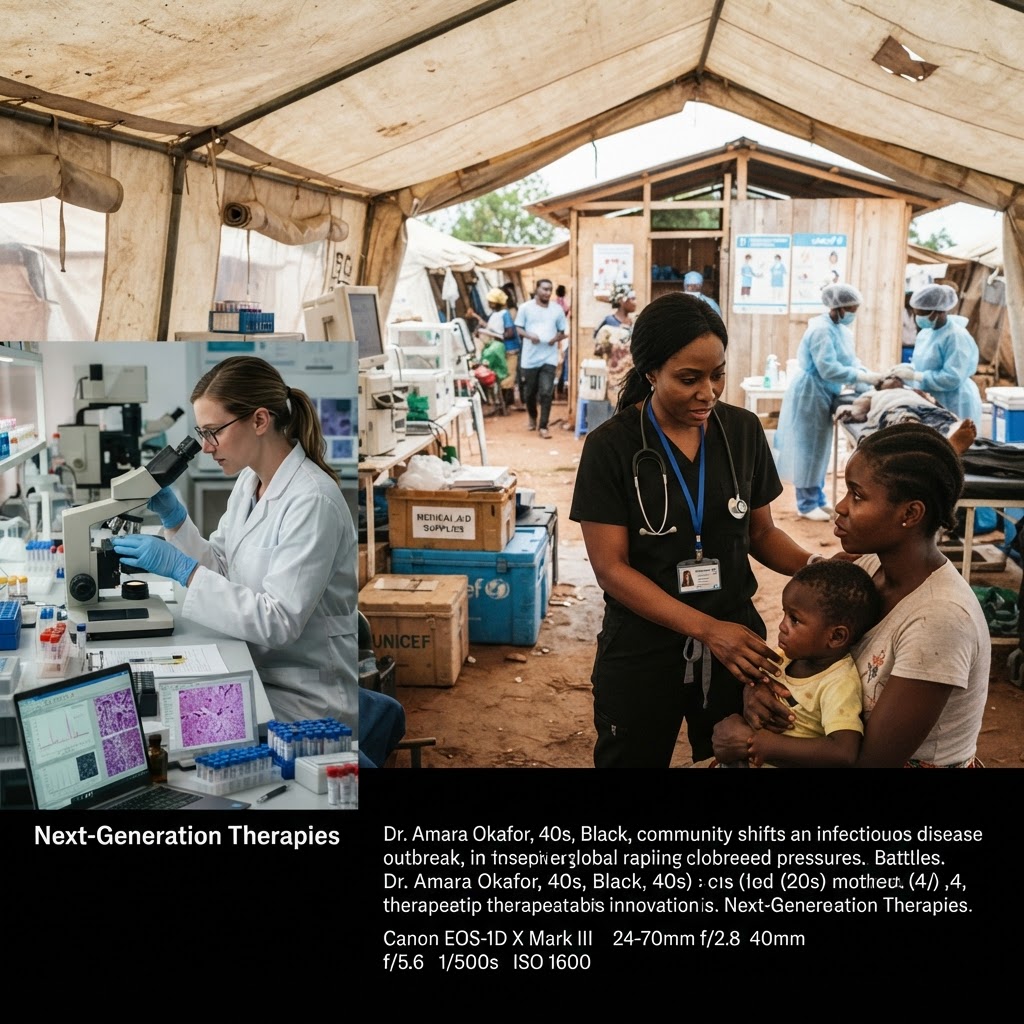
Global Health at a Critical Crossroads: Outbreak Pressures, Financing Shifts, and Next-Generation Therapies
As infectious outbreaks like Ebola test fragile containment frameworks and prompt renewed calls for a global pandemic treaty, breakthroughs in long-acting therapeutics and precision medicine face growing delivery and financing hurdles.
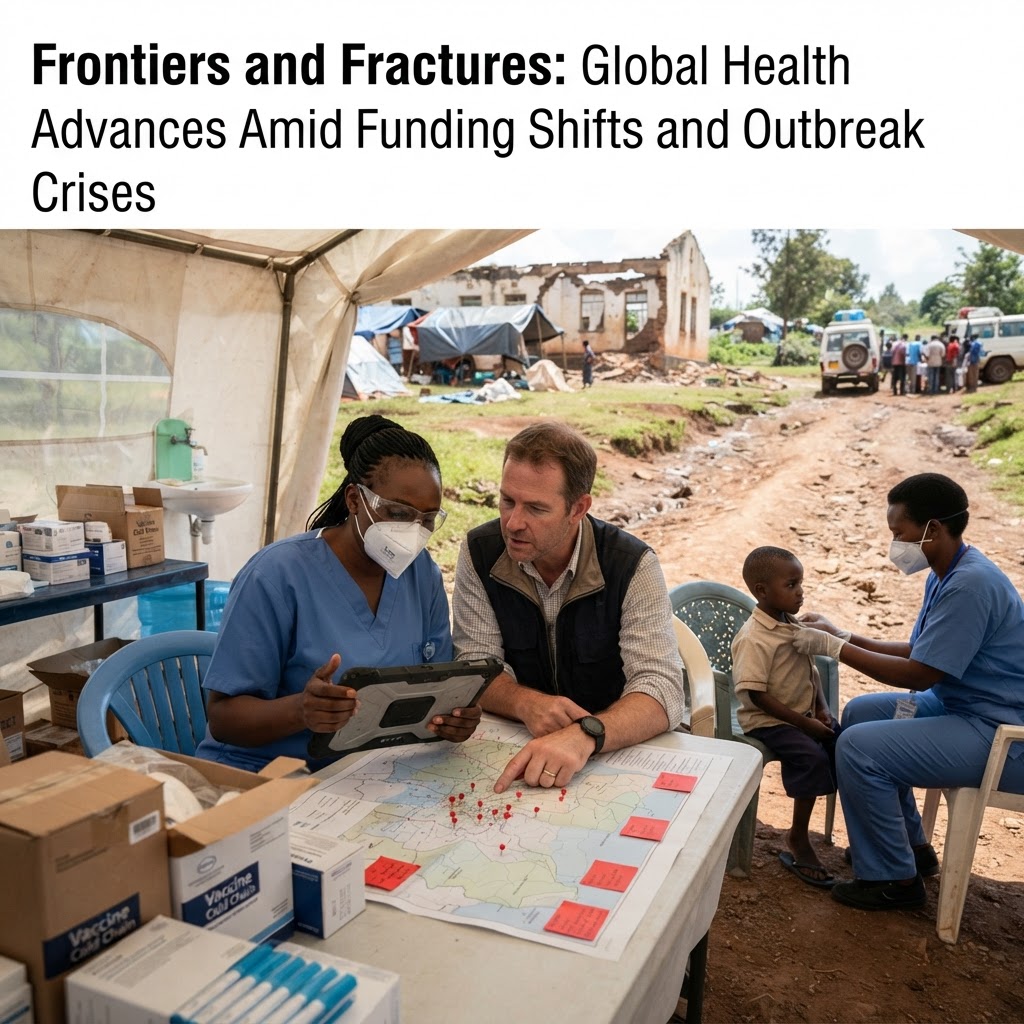
Frontiers and Fractures: Global Health Advances Amid Funding Shifts and Outbreak Crises
Recent breakthroughs in oncology and precision diagnostics are transforming modern medical practice, even as international public health infrastructure grapples with geopolitical funding shifts and persistent infectious disease crises.