A World in Creative Flux: Heritage, Digital Expression, and Censorship Collide on the Global Stage
From groundbreaking archaeological finds and shifts in modern lexicon to mounting struggles over artistic freedom and artificial intelligence, global cultural landscapes are navigating a profound era of transformation.
The Living Artifacts of History and Memory
In recent days, the fragile balance between preserving the ancient past and interpreting modern creativity has captured global attention. At the archaeological ruins of Pompeii, researchers uncovered an extraordinarily preserved wooden cupboard belonging to the household of Cornelius Maximus, complete with personal jewels, daily cosmetic tools, and coins that offer an intimate look into Roman domestic life, as highlighted by reports from Euronews Culture. Discoveries of this nature continue to reshape academic understanding of ancient everyday existence, underscoring that cultural heritage is not a static monolith but a continuously unfolding narrative.
Simultaneously, the art and literary worlds are mourning the departure of creative pioneers while celebrating their enduring contributions. In Japan, readers and scholars are reflecting on the legacy of celebrated novelist Ryu Murakami, whose penetrating examinations of modern alienation and youth culture redefined contemporary literature, as noted by The Japan Times. In the United Kingdom and Hollywood, tributes have poured in celebrating the life of celebrated Shakespearean and screen actor Sir Patrick Stewart, whose decades-spanning presence bridged traditional theatre with popular science fiction.
The Shadow of Censorship and the Struggle for Expression
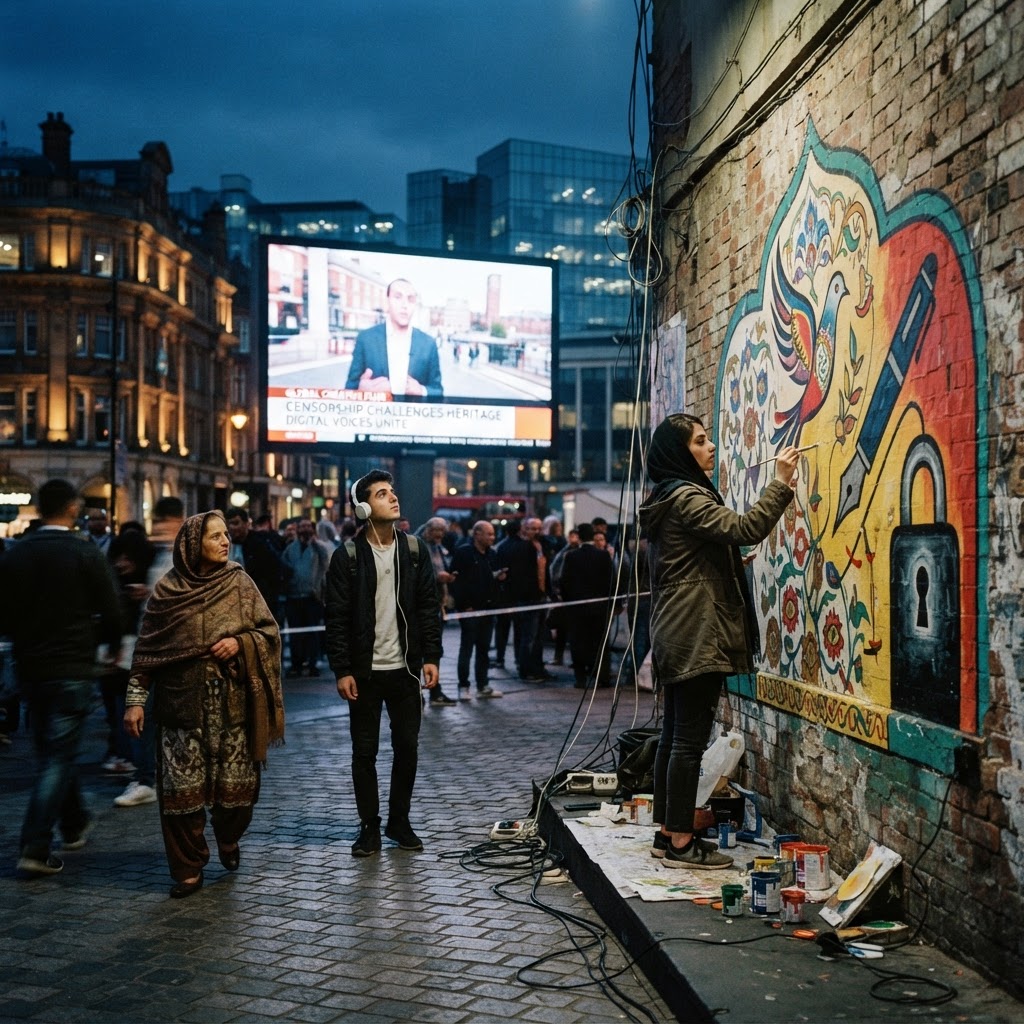
While celebrations of artistic legacy continue, severe obstacles confront practitioners operating on the frontline of political and social turmoil. In Iran, internationally acclaimed Palme d'Or-winning filmmaker Jafar Panahi faces renewed judicial scrutiny and a five-year prison term, following previous state convictions surrounding alleged propaganda, according to updates from Euronews Culture News. The move has reignited passionate debates over state censorship, authoritarian control, and the perilous price demanded of artists committed to documenting reality under oppressive regimes.
Far from being an isolated occurrence, restrictions on creative voices remain a global flashpoint. Grassroots communities, such as independent youth reporters in Mozambique and urban muralists navigating state-sponsored war art across Eastern Europe, reported by Global Voices, increasingly find themselves trapped between artistic imperative and legal jeopardy. These developments serve as a stark reminder that cultural production remains inherently political, capable of challenging established authority while bearing the brunt of systemic retaliation.
Technological Disruption and the Shifting Vernacular
Beyond geopolitical pressures, the rapid adoption of digital tools and artificial intelligence is destabilizing creative authenticity. The publishing sector recently faced a reckoning after Canadian publishing house Les Éditions du Boréal admitted that generative artificial intelligence was utilized in the composition of a prominent new novel, stirring controversy among authors and critics alike regarding authorship, integrity, and labor in the digital era.
At the same time, linguistic evolution has accelerated in response to digital culture. Lexicographers around the world are spotlighting how internet subcultures dictate everyday discourse. Dictionary.com crowned 'Maxxing'—a suffix and slang descriptor denoting the relentless optimization of personal traits or activities—as its defining Word of the Year, as covered by Euronews. In Europe, language institutions are parsing similar cultural anxieties, with youth words such as 'Crashout' and 'Ragebait' surging to prominence, reflecting a collective consciousness deeply conditioned by algorithmic engagement, hyper-visibility, and online fatigue.
A Global Blueprint for Cultural Resilience
Against this backdrop of rapid disruption, multilateral bodies are organizing to cement culture as an essential pillar of civic survival and economic vitality. International efforts are coalescing around initiatives such as the United Nations-designated International Decade of Culture for Sustainable Development, detailed by UNESCO, which emphasizes that cultural and creative industries currently generate over three percent of global gross domestic product while providing critical employment, social cohesion, and avenues for peacebuilding.
Whether observed in community-driven celebrations like Indonesia's Dieng Culture Festival, reported by ANTARA News, the explosive social-media-driven rise of Ivorian street choreography, or grassroots language revivals documented across Latin America and Asia, grassroots participation demonstrates that human creativity adapts to any challenge. As the cultural arena stands at the crossroads of technological upheaval, historical rediscovery, and ideological contestation, society’s shared expressions remain our most vital tool for making sense of a volatile world.
Recommended for you
Similar to “Global Culture”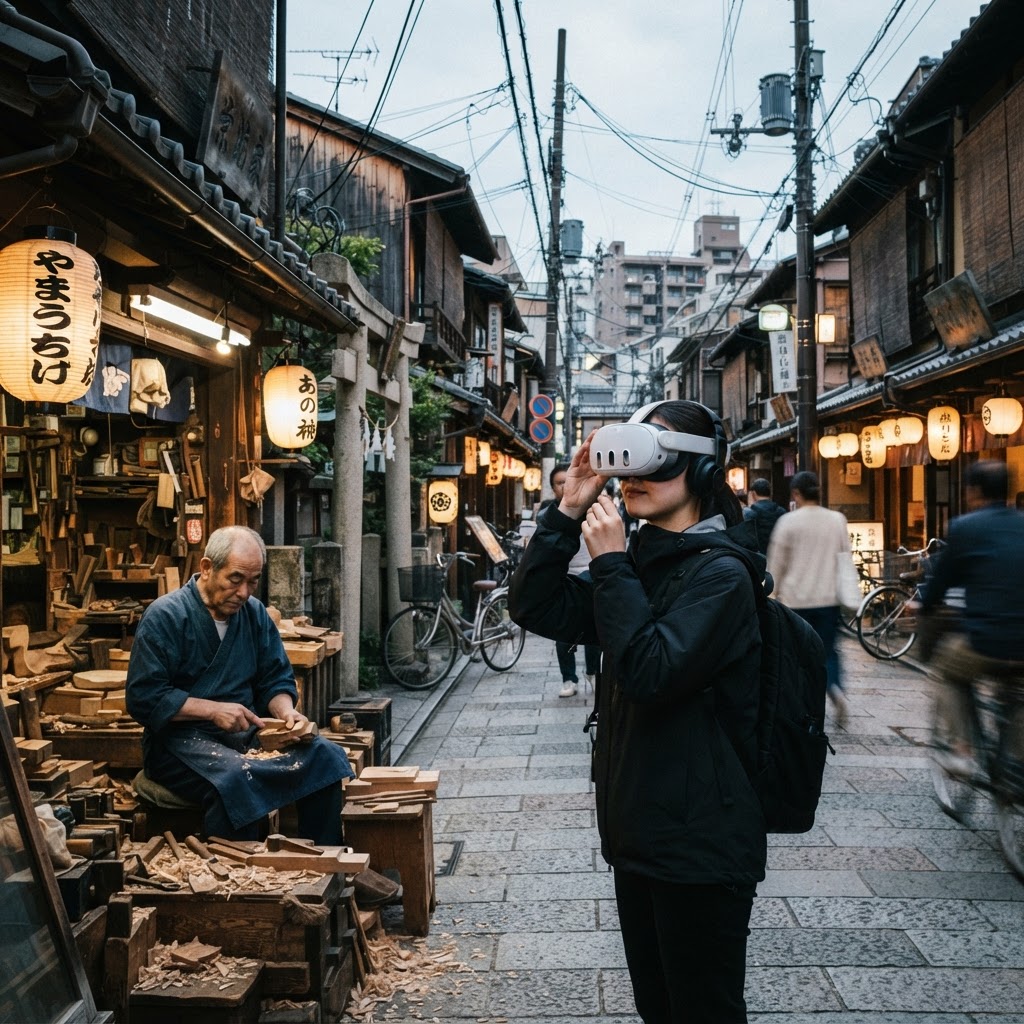
Between Heritage and Innovation: How Global Culture Is Navigating Modern Shocks
From digital streaming milestones and museum thefts to shifting youth vernaculars and disputes over artificial intelligence in art, the global cultural arena is grappling with dramatic transformations.
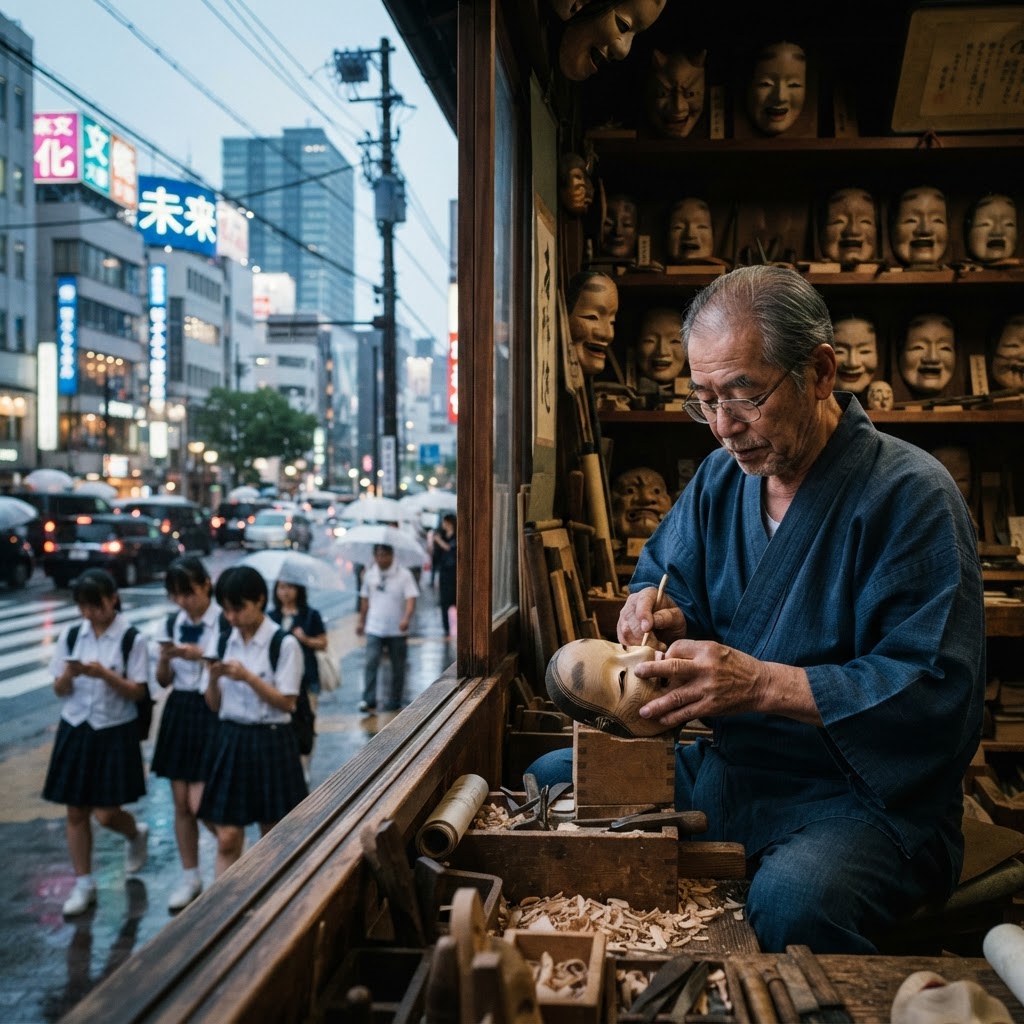
Preserving the Past, Navigating the Future: Global Culture Faces a Dual Revolution
Around the world, cultural institutions and artists are navigating unprecedented shifts, balancing the fight to protect tangible heritage against conflict and the challenges posed by artificial intelligence.
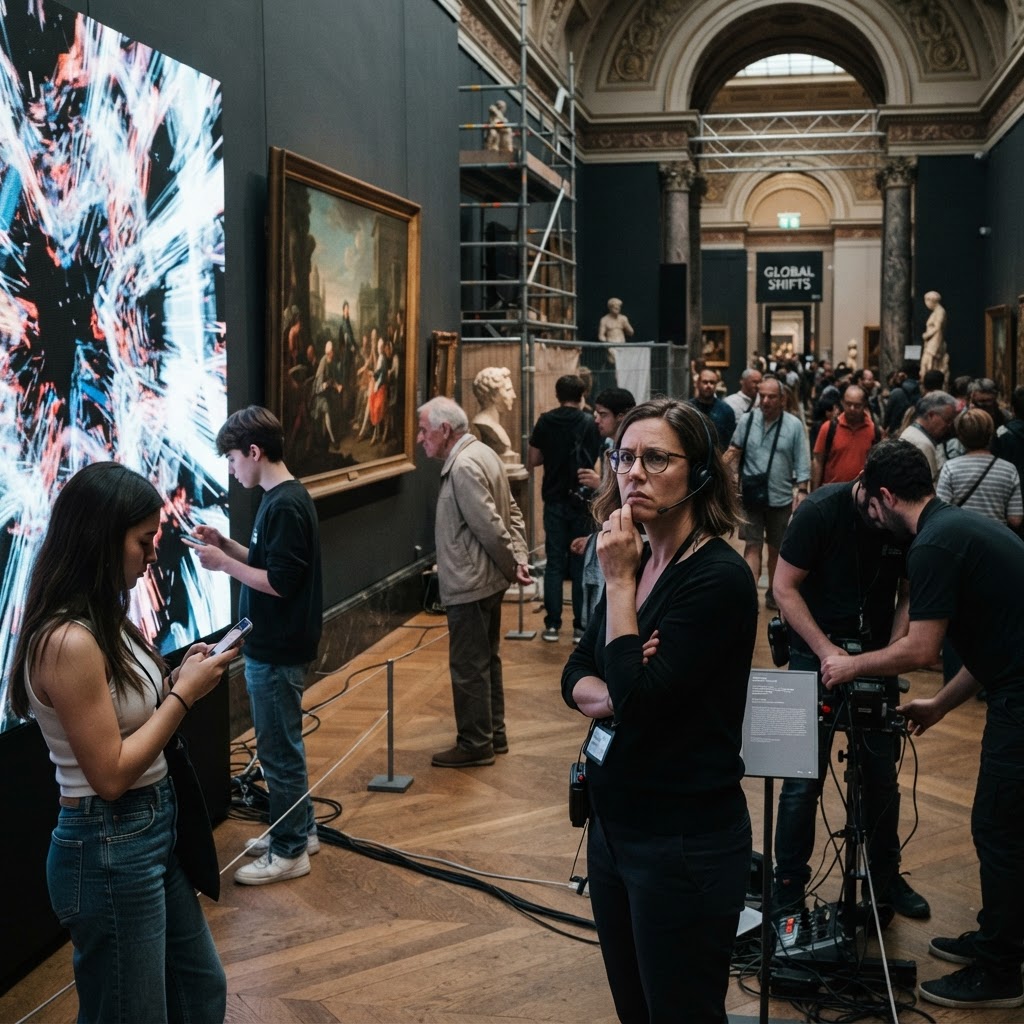
Culture at the Crossroads: Institutional Strain, Algorithmic Drift, and Global Shifts Redefine Global Arts
The international cultural sector is navigating profound transformations as institutional governance battles, artificial intelligence homogenization concerns, and new hubs of heritage diplomacy challenge established traditions.