Diplomacy on the Brink: Escalating Regional Confrontations, Humanitarian Fragility, and Global Geopolitics
From escalating confrontations in the Middle East and Eastern Europe to fragile localized truces and complex domestic pressures, world powers confront an increasingly fractured global security landscape.
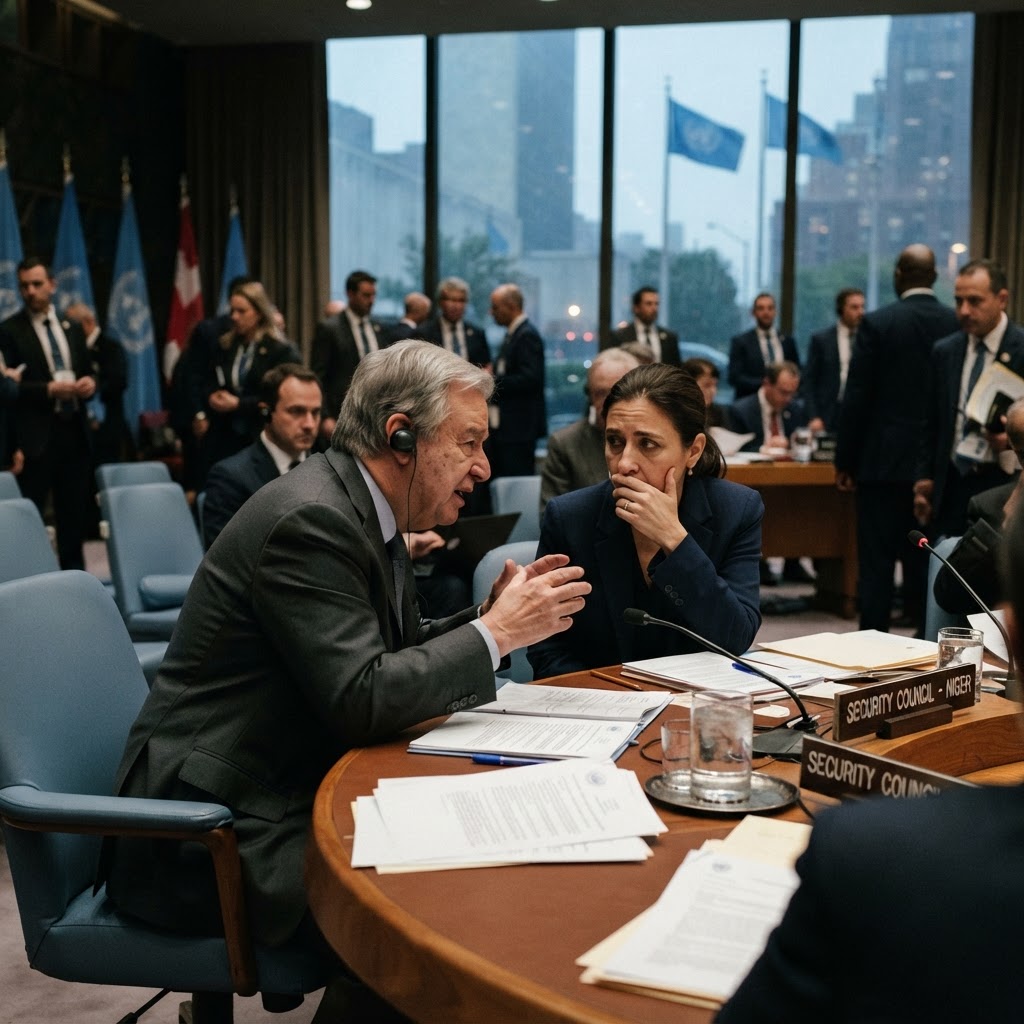
A Complex Web of Middle Eastern Flashpoints
International stability faces severe strain as escalating friction across the Middle East highlights the limits of purely military deterrence. Diplomatic voices in the Persian Gulf have increasingly cautioned that armed actions offer no viable off-ramps in the ongoing friction involving Iran, the United States, and regional partners, as reported by News9live. Officials gathered at regional security forums have reiterated that prolonged conflict threatens crucial shipping lanes and energy infrastructure, necessitating urgent de-escalation channels over open confrontation.
Meanwhile, instability continues to spread across adjacent corridors. In Yemen, fresh ballistic strikes targeted administrative and security hubs in Aden, according to Xinhua, rattling government facilities and challenging maritime security networks. Concurrently, heightened military actions in the West Bank and Gaza continue to aggravate humanitarian crises, as reported by Global Issues and Xinhua, while political instability in Israel complicates regional diplomatic calculations, according to News9live.
Humanitarian Crises and Fragile Truces in Eastern Europe
In Eastern Europe, civilian populations remain suspended between temporary respites and the reality of renewed warfare. While humanitarian coordinators noted that localized ceasefires provided narrow windows of relief for residents in battered frontline communities, front-line observers warn that such pauses remain exceedingly fragile, as detailed by UN News and WTOP News. Across southern and eastern Ukrainian fronts, municipalities contend with damaged infrastructure as defensive posture recalibrations proceed.
International military assistance packages continue to play a pivotal role in shaping defense capabilities on the ground. Recent approvals of high-tier air defense systems and interceptor stockpiles, reported by Xinhua, demonstrate sustained allied commitments to fortifying airspace over civilian and strategic infrastructure. However, as international stockpiles dwindle and funding battles emerge in donor capitals, defense planners are forced to weigh the sustainability of protracted military aid against competing domestic demands.
Global Cyber Incursions and Emerging Security Threats
The global security domain has rapidly expanded beyond conventional battlefields into decentralized digital frontiers. Major state-linked cyber threats have shaken the international financial and technological sectors, underscored by massive exploits attributed to North Korean hacking networks, according to The World Now. The illicit movement of billions in digital assets highlights how state-backed operators leverage decentralized finance to circumvent international sanctions and finance strategic priorities, triggering emergency security interventions from South Korea to Western intelligence agencies.
Asymmetric domestic violence also continues to unsettle communities across South America and Africa. A vehicle-borne explosive attack targeting military personnel in Colombia's Tolima Department resulted in tragic civilian and military casualties, reported by News as Facts, showing that internal peace negotiations and pacification initiatives face persistent disruption from recalcitrant armed factions. Similarly, multilateral humanitarian entities have sounded the alarm over asymmetric clashes in Sudan and the Democratic Republic of the Congo, where food insecurity and displacement have reached alarming thresholds, according to Global Issues and UN News.
Shifting Political Horizons and Diplomatic Realignments
The foreign policy architectures of key democratic powers are increasingly constrained by domestic electoral mandates and economic headwinds. In the United States, mid-term campaigning has placed significant focus on domestic economic stability, agricultural subsidies, and legislative authority, directly influencing how the administration wields leverage overseas, as covered by News9live, WTOP News, and Reuters. Across Europe, shifting political coalitions have prompted reappraisals of collective monetary policies and border enforcement protocols, according to Reuters.
In the Global South, diplomatic ties are charting fresh trajectories under strategic autonomy doctrines. Major trading partners in Latin America and Asia are recalibrating multilateral trade agreements, balancing non-alignment with the necessity of mitigating global inflation and supply disruptions, as highlighted by Global Times. As international institutions, including the United Nations, navigate leadership transitions and mission closures from the Horn of Africa outward, as noted by UN News, the world order remains poised between fragmented regional security blocs and urgent calls for revitalized multilateralism.
Recommended for you
Similar to “World Affairs”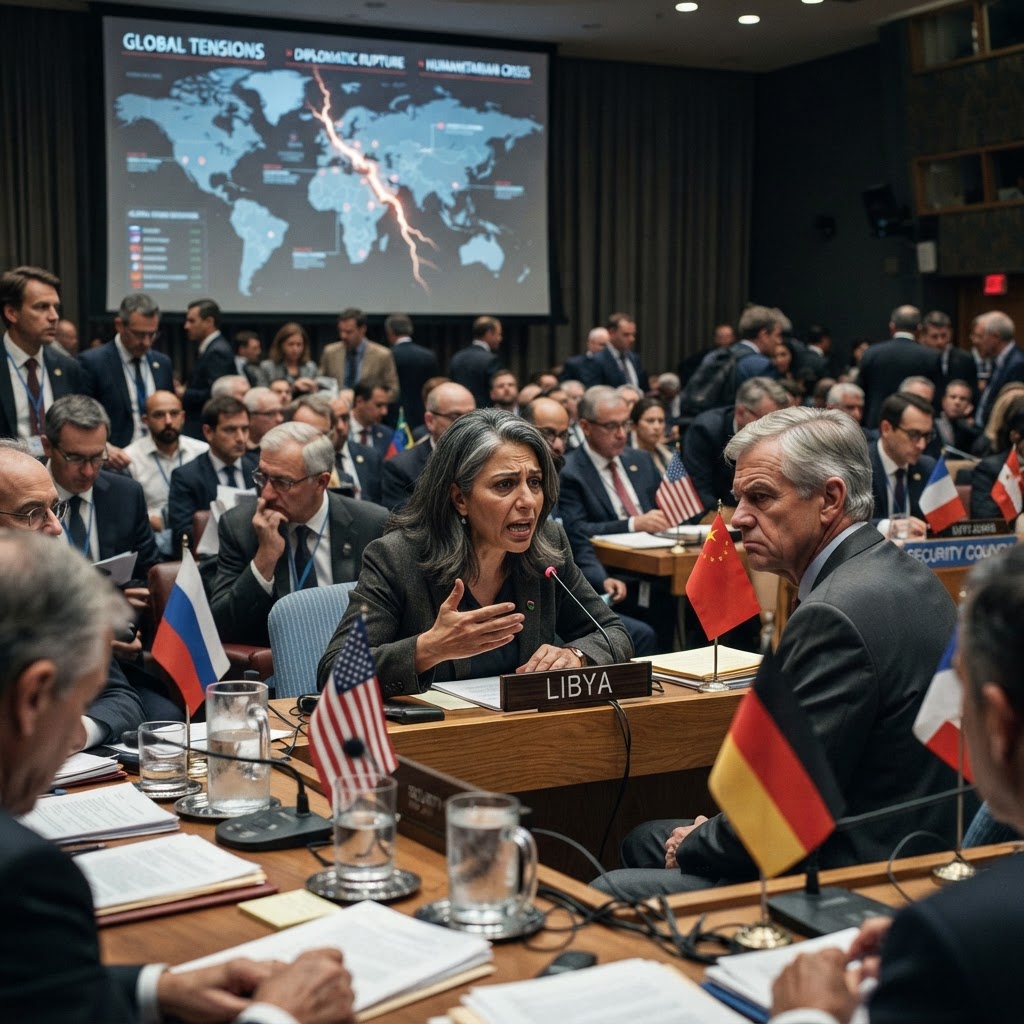
A Fractured Global Order: Escalating Tensions, Diplomatic Realignment, and Humanitarian Pressures Shape World Affairs
From escalating security flare-ups across the Middle East and Eastern Europe to evolving geopolitical alliances and environmental strains, the global landscape faces intensifying strategic and humanitarian tests.
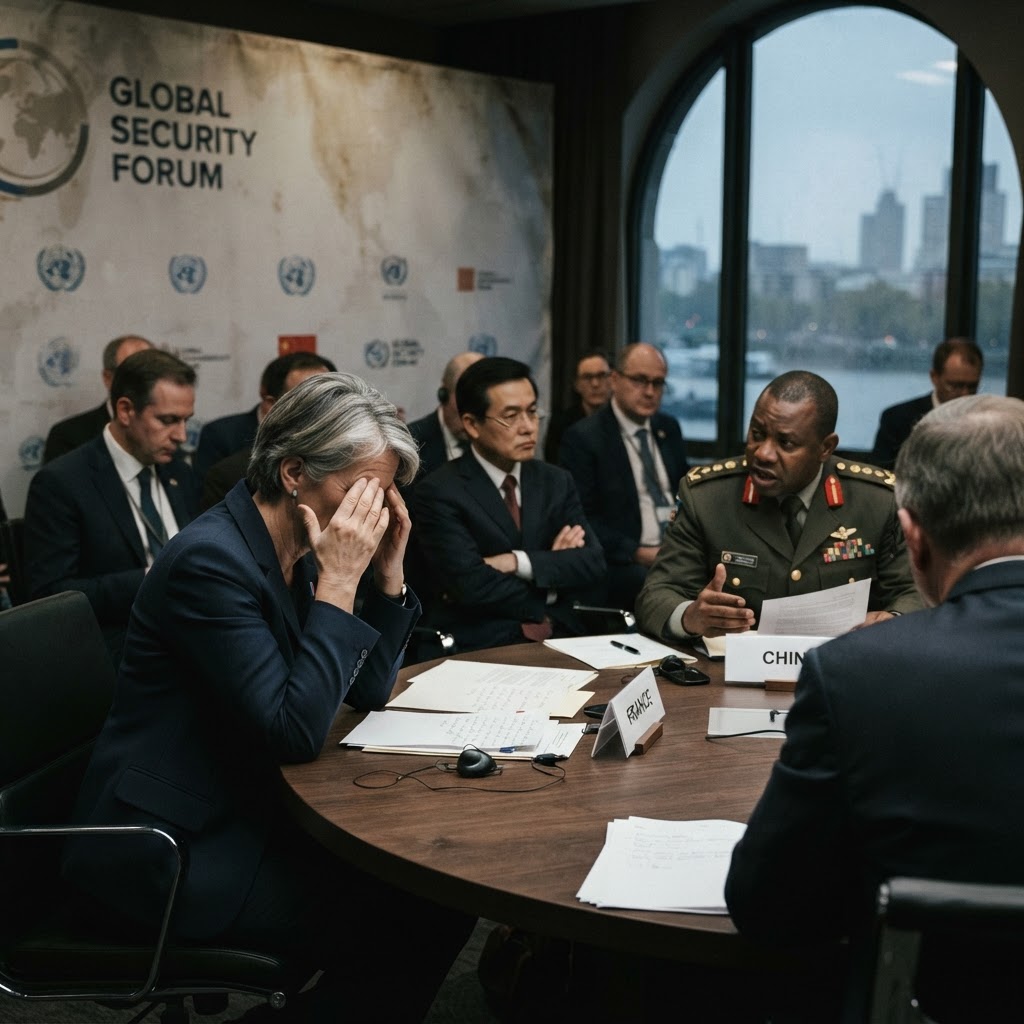
Fractured Frontlines and Strained Diplomacy: The Shifting Architecture of Global Security
Escalating regional clashes in Eastern Europe and the Middle East, coupled with mounting climate shocks, are testing the resilience of international diplomatic frameworks and humanitarian capacity.
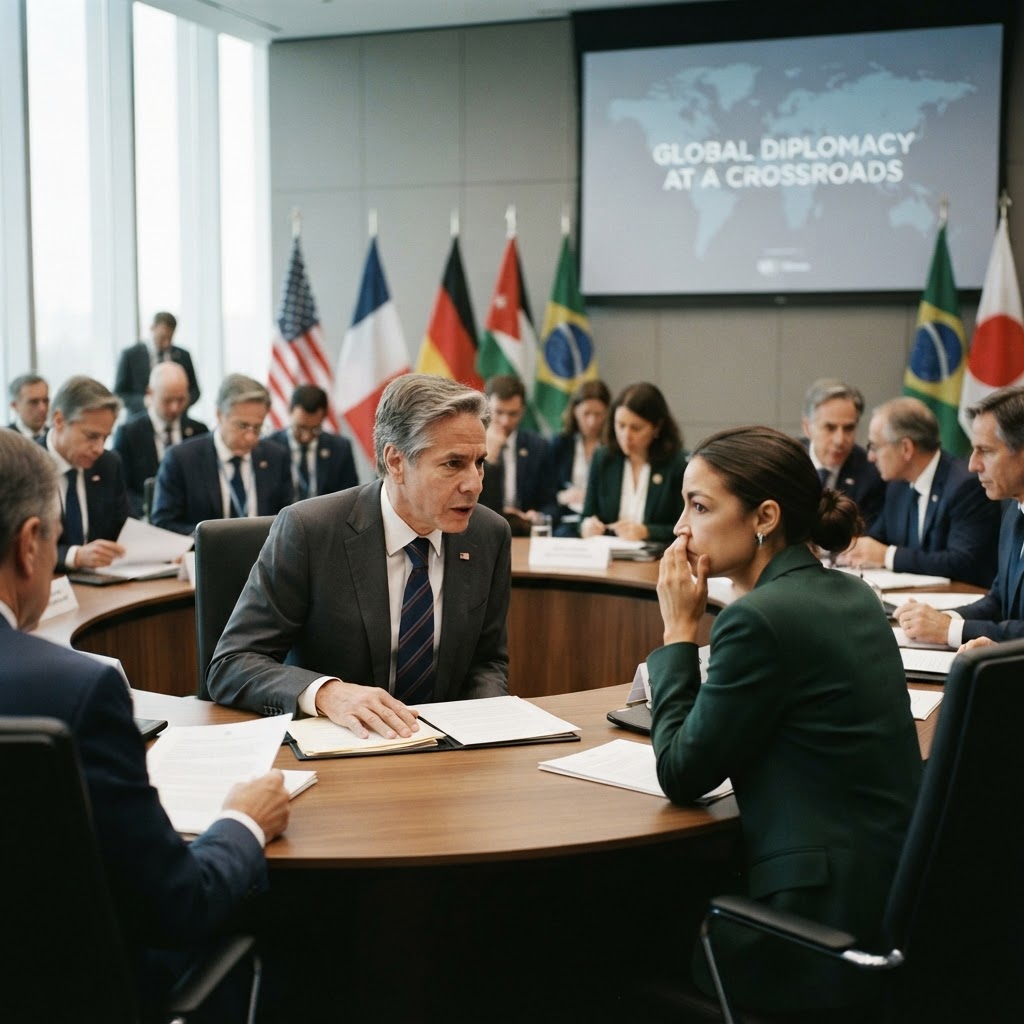
Global Diplomacy at a Crossroads: High-Stakes Summits, Escalating Middle East Tensions, and Climate Reckonings
As world powers prepare for rare trilateral leadership talks amid continuing regional conflicts in Eastern Europe and the Middle East, international negotiators face mounting geopolitical strain and fractured multilateral consensus.