A Fractured Global Order: Escalating Tensions, Diplomatic Realignment, and Humanitarian Pressures Shape World Affairs
From escalating security flare-ups across the Middle East and Eastern Europe to evolving geopolitical alliances and environmental strains, the global landscape faces intensifying strategic and humanitarian tests.
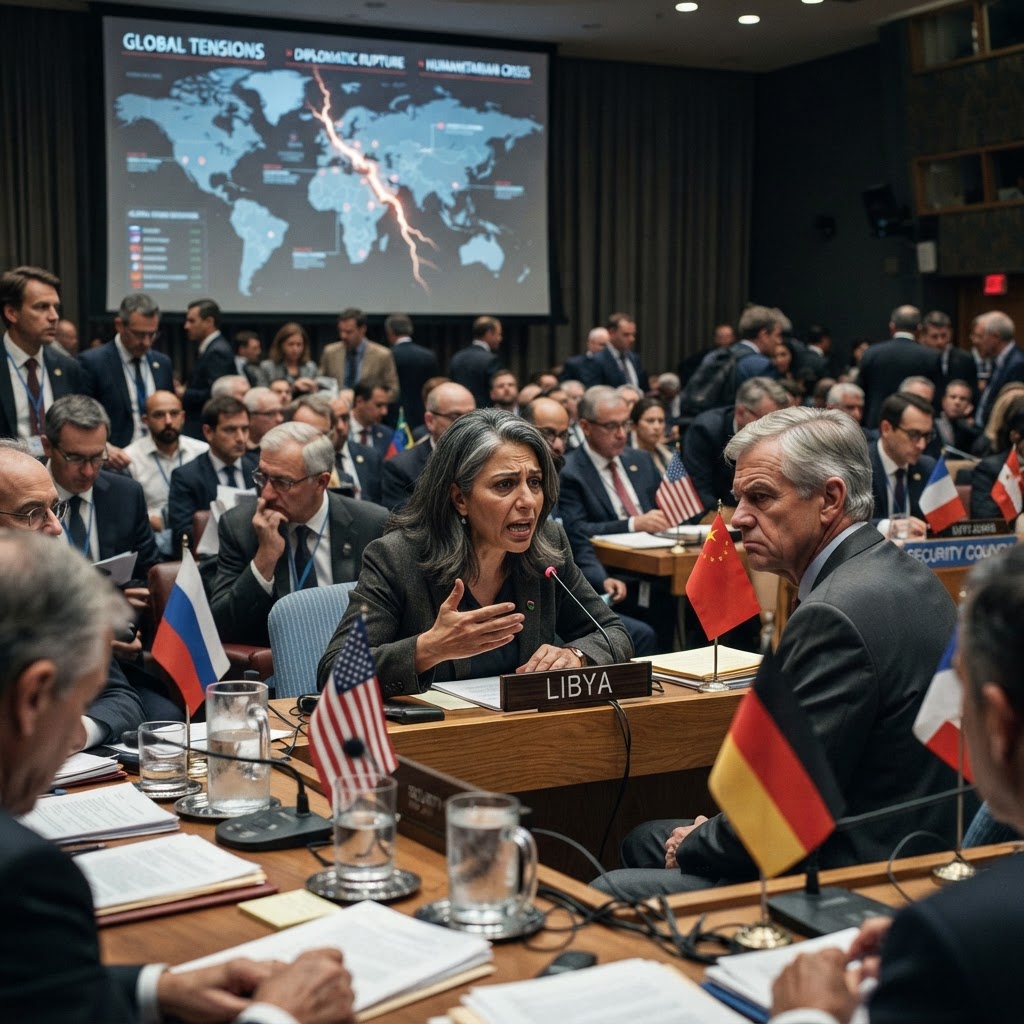
The Middle Eastern Flashpoint: Deepening Polarization and Regional Defense Realignments
In recent days, the Middle East has once again emerged as a central vortex of geopolitical friction. Sustained cross-border strikes, particularly involving southern Lebanon and neighboring territories, have heightened concerns that ongoing regional confrontations could cascade into wider, direct clashes among major state actors. Against this volatile backdrop, diplomatic overtures between Washington and Tehran remain severely strained, with negotiations stalling over uranium enrichment capabilities and strategic deterrence postures.
Simultaneously, international defense architectures are adapting rapidly to the perceived risks of regional spillover. Western and regional allies have mobilized fresh commitments to safeguard maritime lanes and critical infrastructure across the Arabian Peninsula. British aerial assets have been deployed to reinforce Saudi air defenses against persistent unmanned and missile threats from Yemen, while regional partners such as Egypt have publicly reaffirmed their readiness to coordinate on collective regional security. The geopolitical chessboard is growing increasingly multifaceted, evidenced by Tehran’s concerted diplomatic pivot toward strengthening bilateral and multilateral ties with China under the umbrella of the Global South, creating an alternative economic and diplomatic counterweight to Western-led pressure campaigns.
The War in Ukraine and Europe's Complex Diplomatic Calculus
In Eastern Europe, the protracted conflict between Russia and Ukraine continues to generate severe humanitarian, military, and infrastructural ripples. Intense Russian airstrikes against frontline cities and critical infrastructure have met resilient Ukrainian resistance, supplemented by targeted cross-border asymmetric operations aimed at Russian logistical and digital command hubs. Concurrently, high-profile prisoner exchanges have brought moments of diplomatic breakthrough amid entrenched warfare, underscoring that direct backchannels persist even during high-intensity conflict.
Nevertheless, European leadership is confronting profound strategic challenges over how to structure long-term dialogue and security guarantees. Debates across European capitals reflect a search for a unified, coherent negotiating authority capable of addressing Moscow while ensuring sovereignty protections for Kyiv. This strategic dilemma is compounded by digital battlefronts; allied governments in Central and Eastern Europe are mounting legislative pressure on social media and technology enterprises, alleging that algorithmic manipulation and inadequate moderation allow adversary information campaigns to flourish largely unchecked.
Humanitarian Dilemmas and the Evolving Role of Global Institutions
Beyond traditional battlefronts, multilateral institutions are grappling with widespread systemic strains. At the United Nations, human rights bodies and humanitarian aid agencies have raised acute alarms concerning besieged civilian populations, highlighting chronic shortages of clean water, medical supplies, and municipal sanitation in conflict zones such as Yemen and the West Bank. The broader legitimacy and independence of international justice mechanisms remain under fierce debate; institutional recognitions, such as European parliamentary honors for the International Criminal Court, spotlight the stark friction between international legal accountability and unilateral sanctions imposed by global powers.
Compounding these geopolitical fractures are urgent environmental and technological vulnerabilities. The United Nations has cited unprecedented climatic phenomena, ranging from fatal glacial floods in South Asia to shifting oceanic weather systems in the Pacific, as definitive indicators that environmental collapse is rapidly accelerating displacement and structural instability. Meanwhile, intergovernmental summits on artificial intelligence governance demonstrate an emerging consensus that regulatory fragmentation could further divide developed and developing nations, cementing technological disparities across the Global South.
A World Caught Between Fragile Multilateralism and Great Power Rivalry
As the international community navigates this interconnected series of crises, the traditional framework of global cooperation faces historic scrutiny. Whether contending with technological dependencies, regional armed conflicts, or accelerating environmental disruption, national governments are increasingly choosing bilateral alignments over consensus-driven multilateralism. The coming months will test whether established international institutions retain the credibility and operational capacity needed to mediate these compounding disputes, or whether world affairs will be dictated by fragmented regional blocs competing across military, economic, and digital domains.
Recommended for you
Similar to “World Affairs”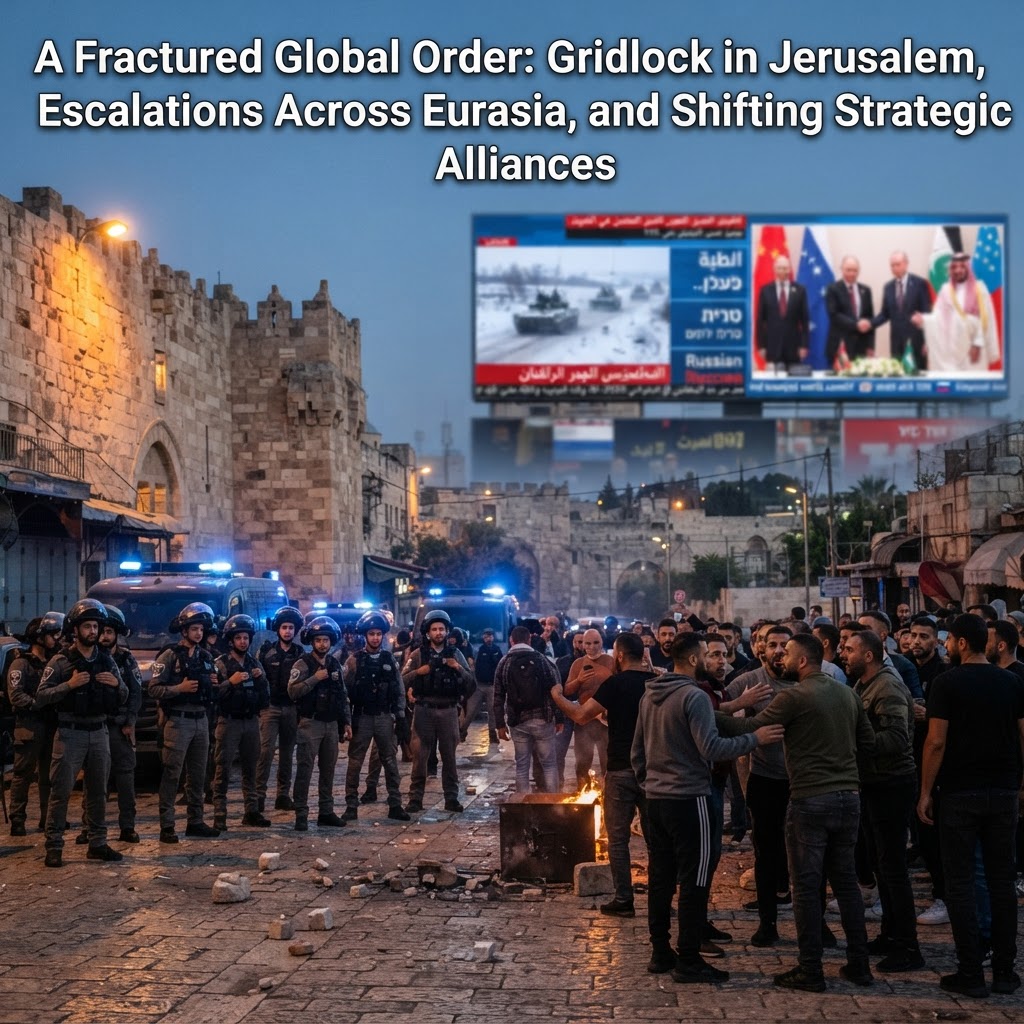
A Fractured Global Order: Gridlock in Jerusalem, Escalations Across Eurasia, and Shifting Strategic Alliances
Recent diplomatic maneuvers and electoral stalemates across the Middle East, Eastern Europe, and Latin America underscore a deeply fragmented geopolitical landscape marked by parliamentary paralysis and regional realignments.
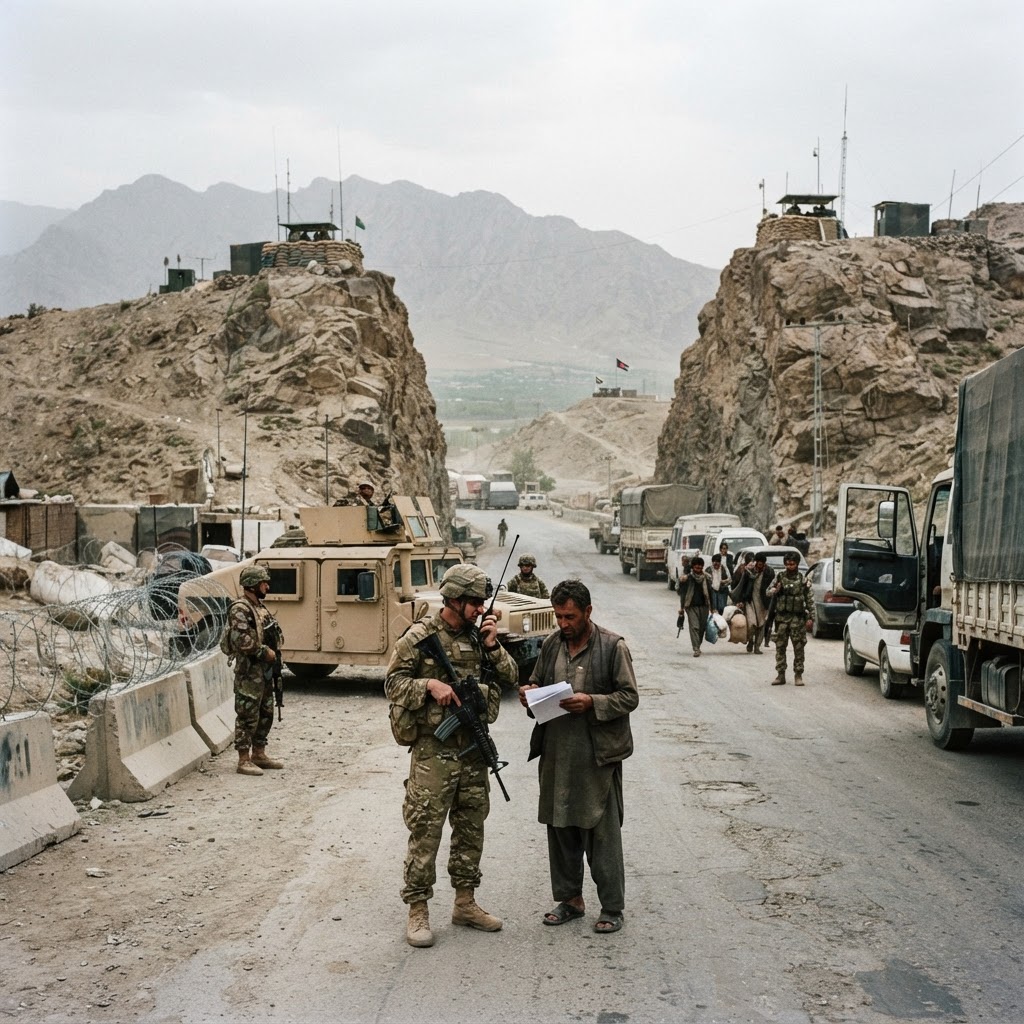
Strained Frontlines and Strategic Chokepoints: A Shifting Multipolar Order Faces New Security Tests
Escalating clashes near vital maritime passages in the Middle East and intensified strikes across Eastern Europe underscore the delicate balance of an increasingly fragmented global security landscape.
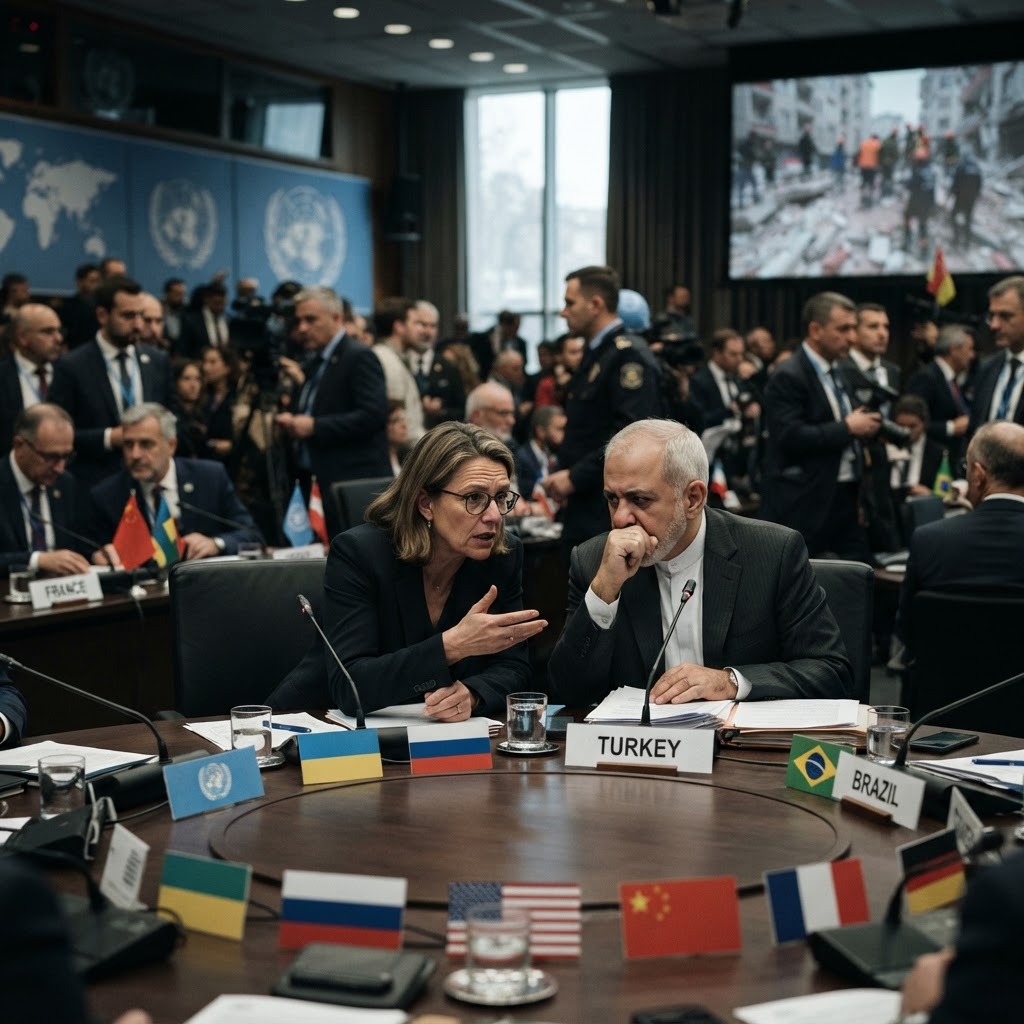
Fragile Frontlines: Global Diplomacy Strains Under Shifting Balances of Power and Humanitarian Shocks
From escalating military frictions across the Middle East to deep security anxieties in Europe and worsening crises across the Global South, the international order faces a turbulent test of diplomatic resilience.