Global Political Realignment: U.S. Midterm Aftershocks, Regional Upheavals, and Shifting Diplomatic Fronts
Following decisive shifts in the U.S. midterm elections, domestic reshuffles in Washington are colliding with international tremors spanning Latin America, Europe, and the Asia-Pacific.
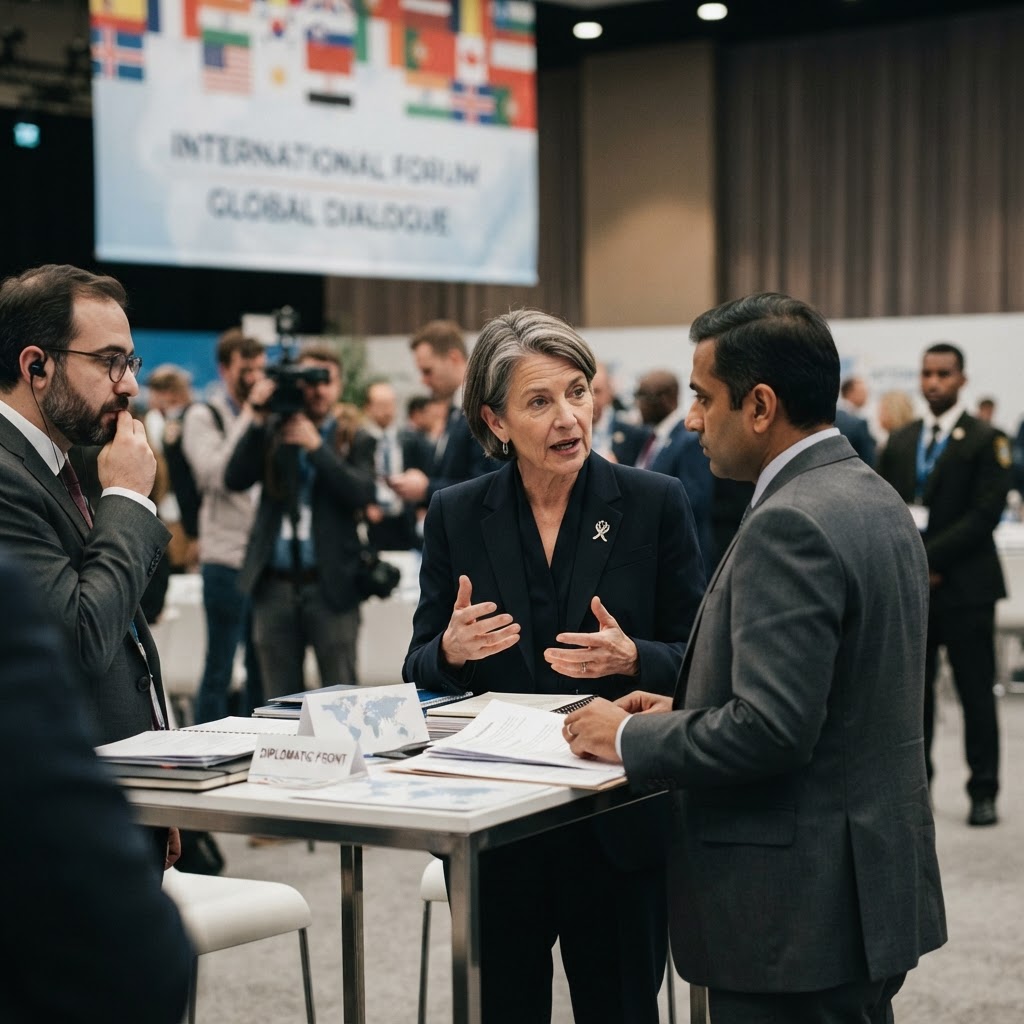
The Shifting Power Balance in Washington
The international political landscape has entered a turbulent transitional phase following decisive results in the United States midterm elections. With Democrats securing majorities in both the House of Representatives and the Senate, Washington is bracing for an era of divided government and intense legislative oversight, as noted in reports by The Japan Times and The Economic Times. The White House has witnessed an immediate reorganization, with immigration hardliner Stephen Miller appointed as Chief of Staff to succeed Susie Wiles, signaling a combative defensive posture toward congressional inquiries, as highlighted by the BBC Global News Podcast.
Despite this appointment, public overtures toward cross-party negotiations on budget measures have emerged. Concurrently, high-profile figures within the Republican Party, including Vice President JD Vance, face mounting pressure regarding future strategic directions, while senior national security figures navigate intense post-election scrutiny.
Reverberations Across Eastern Europe and the Middle East
The altered political arithmetic on Capitol Hill carries immediate ramifications for foreign policy. In Europe, diplomats are reassessing prospects for defense appropriations and humanitarian packages for Ukraine, according to reporting by The Japan Times. Kremlin officials have publicly downplayed the potential for altered negotiations between Moscow and Washington, framing the results as an internal American concern, as covered by U.S. News & World Report. Nevertheless, European capitals continue to insist that genuine diplomatic progress hinges on an outright cessation of hostilities, as Polish and allied representatives reiterate that Eastern European security arrangements cannot be settled without regional consensus, according to Euronews.
Simultaneously, broader geopolitical strains persist across the Middle East. While backchannel diplomacy has signaled limited openness to addressing dormant nuclear accords, military actions and commercial blockades targeting logistical channels continue to exert heavy economic pressure throughout the region, as detailed by The Japan Times.
Institutional Volatility from Asunción to Mogadishu
Beyond the corridors of power in Western capitals, sudden institutional crises have erupted in several regions. In South America, Paraguay underwent an abrupt transition of power after the national legislature voted to impeach President Santiago Peña amid severe fallout from a collapsing banking sector, elevating Vice President Pedro Alliana to the presidency, according to The Japan Times. The economic collapse and subsequent political realignment have injected acute uncertainty into the country’s regional alliances.
In East Africa, constitutional tensions intensified in Somalia following allegations regarding the arrest and detention of top judicial authorities under President Hassan Sheikh Mohamud, as detailed by The Japan Times. Critics argue that moves to lengthen executive transition timelines have strained fragile federal structures, sparking warnings of administrative paralysis from opposition factions and civil society leaders.
Domestic Dissent and Security Assertions Across the Indo-Pacific
The Asia-Pacific region has witnessed its own set of major legal and political realignments. In Beijing, high-level personnel changes continue within the military command as President Xi Jinping promotes anti-graft figures to strengthen discipline and central authority ahead of key defense milestones, according to The Japan Times. At the same time, regional security statutes have led to strict judicial rulings against long-standing pro-democracy figures in Hong Kong and Macao.
In Southeast Asia, political friction in Indonesia surfaced publicly amid explosive wiretapping investigations that exposed rivalries within the executive branch, as reported by The Japan Times. Meanwhile, public discontent across several democracies—including large-scale demonstrations in India against current governance policies, as covered by The Economic Times, and contested electoral maneuvering in New Zealand—reflects widespread popular sensitivity to living costs and executive authority. Together, these developments highlight an increasingly fragmented international order where internal political instability and external geopolitical maneuvers reinforce one another.
Recommended for you
Similar to “World Politics”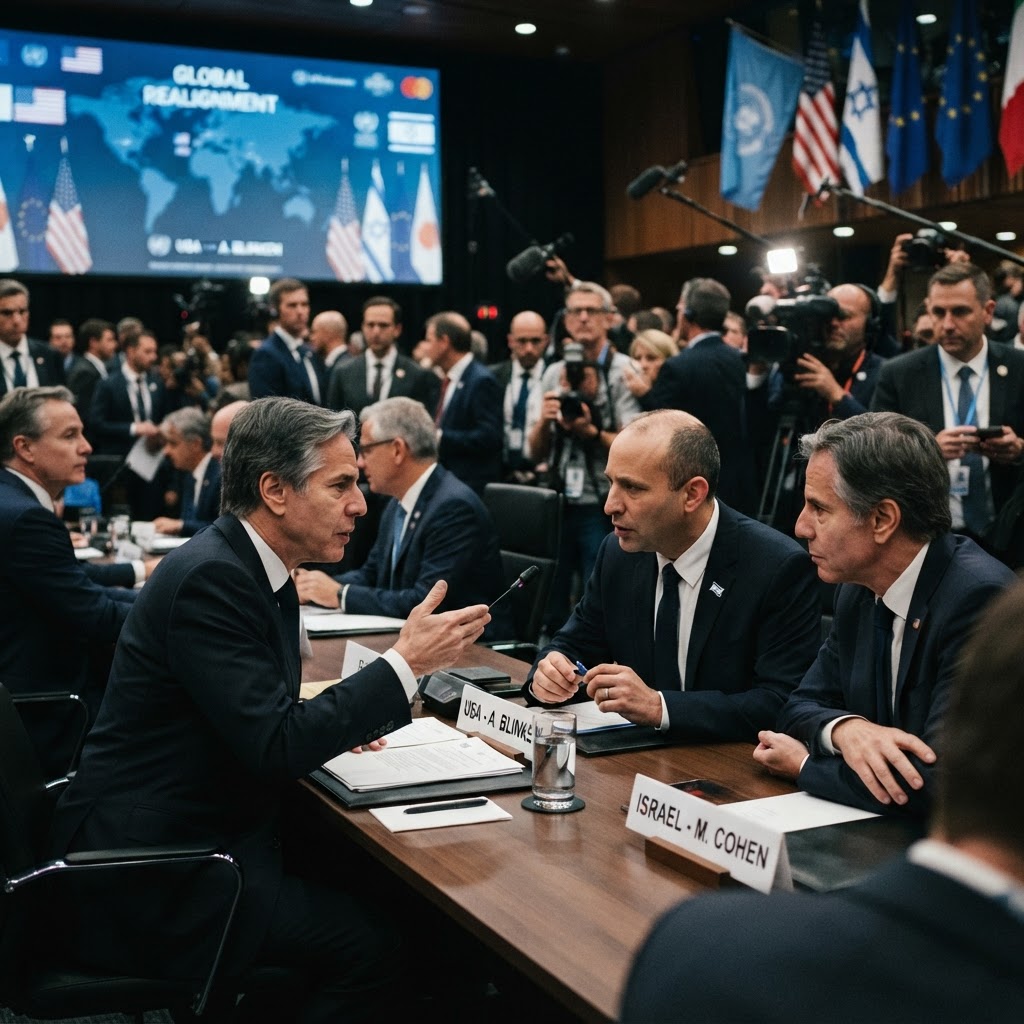
Global Political Realignment: Power Shifts Shake Washington, Jerusalem, and Diplomatic Arenas
Following high-stakes midterm elections in the United States and seismic parliamentary changes in Israel, world powers face dramatic political realignments alongside renewed peace diplomacy.
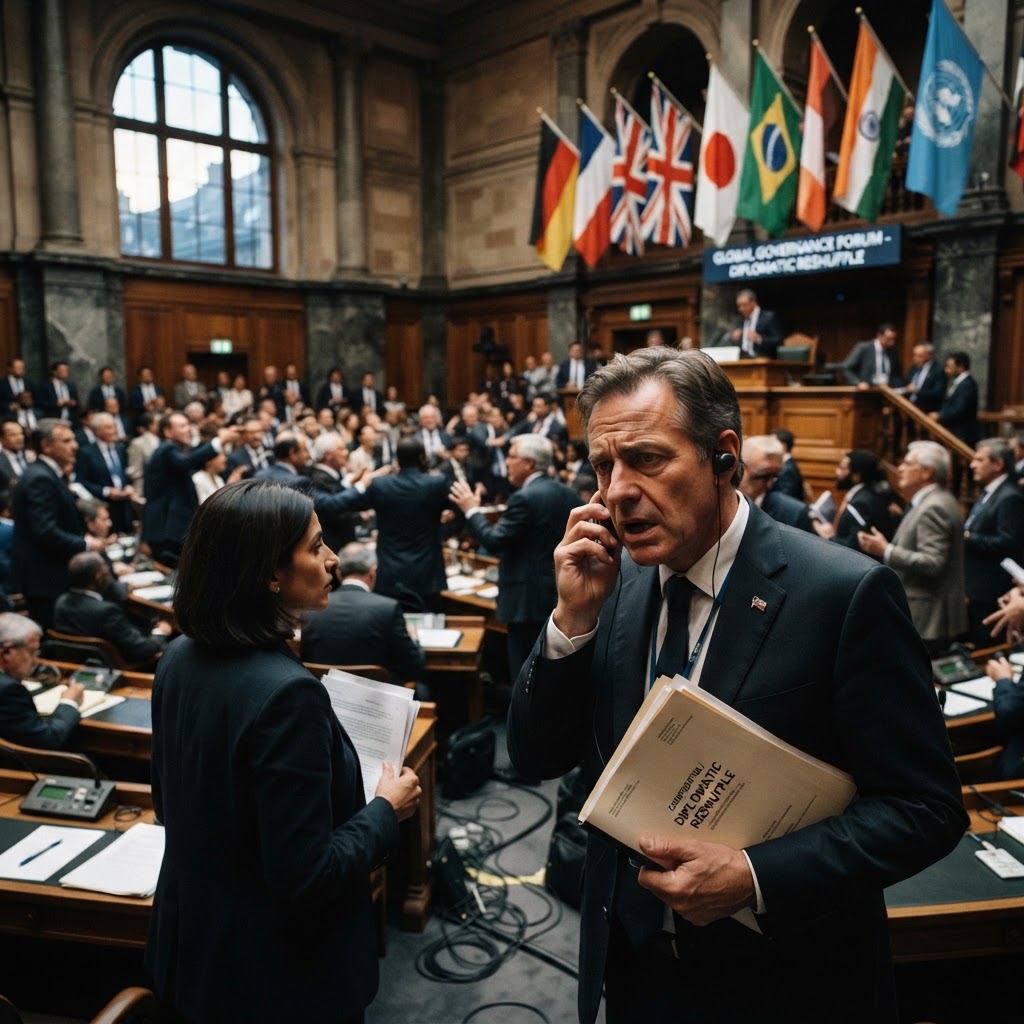
Diplomatic Reshuffles and Parliamentary Fractures: A Tumultuous Week in Global Governance
From political realignments in the Middle East and presidential impeachment in Latin America to shifting trade pressures across Asia and Washington, recent days have witnessed intense friction across the international political arena.
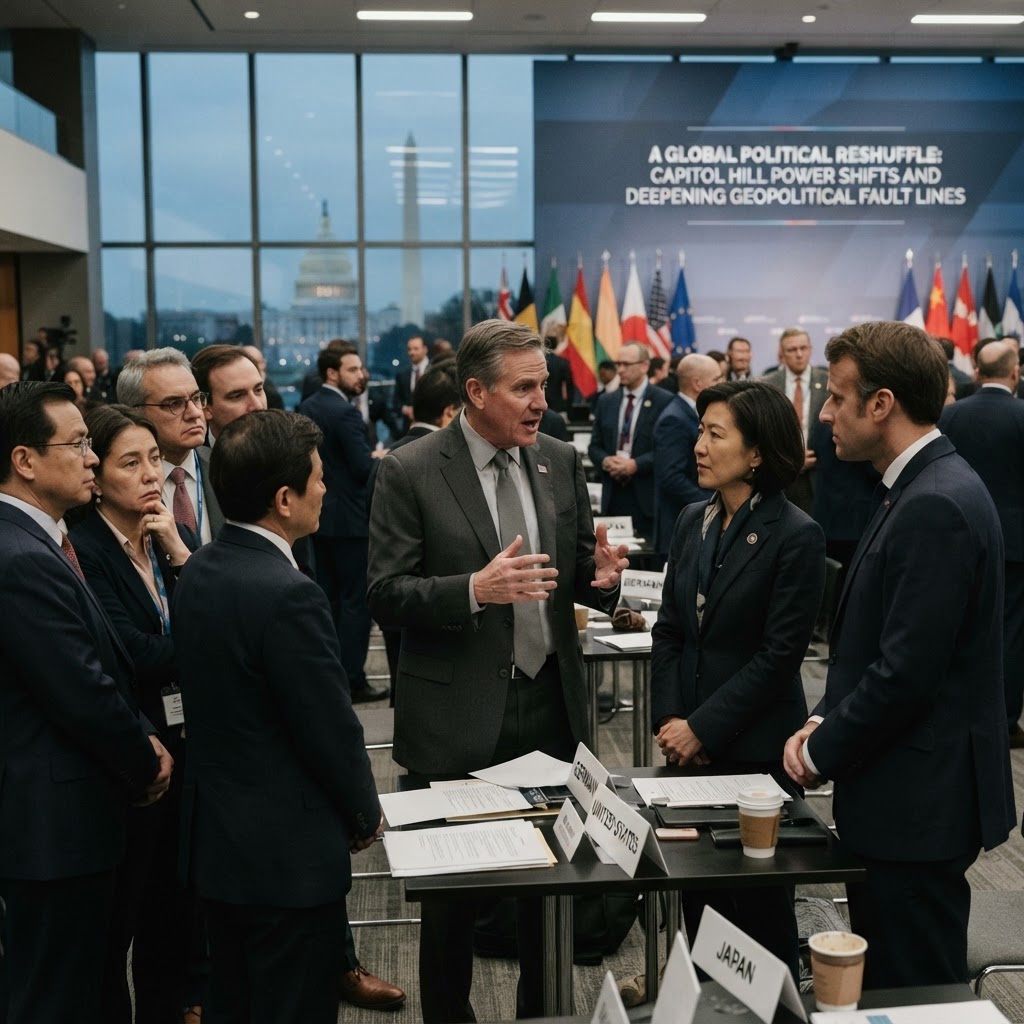
A Global Political Reshuffle: Capitol Hill Power Shifts and Deepening Geopolitical Fault Lines
Recent electoral upheavals in the United States and intense diplomatic realignments across the Middle East, Eastern Europe, and South Asia mark a transformative moment in international politics.