Global Political Realignment: Power Shifts Shake Washington, Jerusalem, and Diplomatic Arenas
Following high-stakes midterm elections in the United States and seismic parliamentary changes in Israel, world powers face dramatic political realignments alongside renewed peace diplomacy.
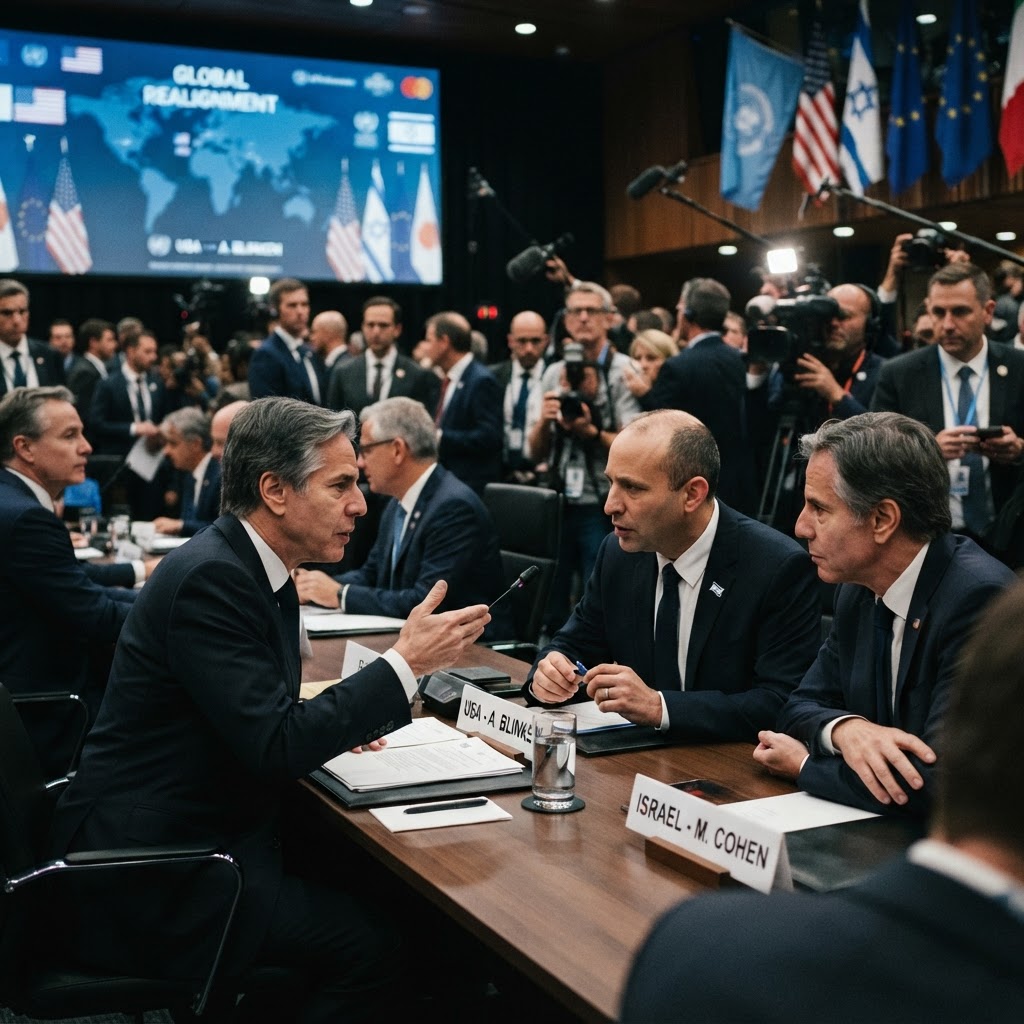
A Reshaped Capitol Hill Navigates Post-Midterm Fallout
In the wake of sweeping midterm elections, Washington finds itself navigating a profoundly altered political terrain. With Democrats poised to assume authority and prioritizing the curtailment of Middle East military spending and domestic affordability measures, Republican lawmakers have sought to fortify their ranks and resolve internal leadership struggles. As reported by One News Page, House Republicans elected Representative Jim Jordan as their incoming House minority leader to guide the party's reorganization.
Simultaneously, partisan friction reached a fever pitch over military policy. Outgoing and incoming lawmakers have clashed intensely regarding the prosecution of foreign conflicts, notably operations concerning Iran. Despite sustained demands from critics to impeach Defense Secretary Pete Hegseth over the military campaign and soaring economic costs, House Republicans successfully halted a legislative effort to formally unseat the defense chief, as detailed in reports from The Japan Times and One News Page. The vote averted an unprecedented impeachment of a sitting Pentagon head, even as public opinion polls continue to show widespread domestic pressure on lawmakers to address energy spikes and war-induced inflation.
Parliamentary Upheaval in Jerusalem
Across the Atlantic, Israel is confronting a defining chapter in its modern legislative history. Following parliamentary elections that stripped long-serving Prime Minister Benjamin Netanyahu and his coalition partners of their governing majority, an opposition coalition spanning 67 of the Knesset's 120 seats has begun laying the groundwork for transition, according to Open The Magazine.
Former military chief Gadi Eisenkot has taken center stage in these transition talks, receiving recommendations from key opposition blocs to form a new government, as noted by NPR. Eisenkot’s broad political alliance has moved rapidly to contest key institutional posts, including pressing to replace Knesset Speaker Amir Ohana and dismantle cornerstone policies of the previous administration. While negotiations over ministry allocations remain fraught, the dramatic shift marks one of the most consequential transfers of power in the nation in decades.
Renewed Trilateral Diplomacy and Ceasefire Negotiations
Global statecraft has accelerated concurrently with these domestic transitions. Negotiators from Ukraine, Russia, and international mediators convened for a substantial round of talks in Abu Dhabi aimed at discussing ceasefire monitoring frameworks and territorial disputes, as reported by One News Page. The diplomatic engagement represents the first formal trilateral interaction of its scale in months, following a protracted pause driven by international crises elsewhere.
Diplomatic optimism remains tempered by deep European skepticism, however. European Union foreign policy leadership publicly warned that ongoing civilian strikes run counter to Moscow’s stated diplomatic overtures, according to The Japan Times. Concurrently, European leaders convened in Dublin under unprecedented security protocols for European Political Community summits, working to coordinate defense priorities, counter disinformation campaigns, and assess the broader strategic impact of political realignments in both Washington and the Middle East, as reported by RTÉ.
A Transformed Global Horizon
As governments from North America to the Asia-Pacific adjust to shifting legislative majorities and diplomatic tests, domestic economic pressures and public fatigue toward foreign conflicts continue to dominate political agendas. Whether through coalition-building in Jerusalem, minority restructuring in Washington, or high-stakes diplomatic talks in the Gulf, the current wave of developments underscores a shared, volatile transition toward a reshaped international order.
Recommended for you
Similar to “Global Politics”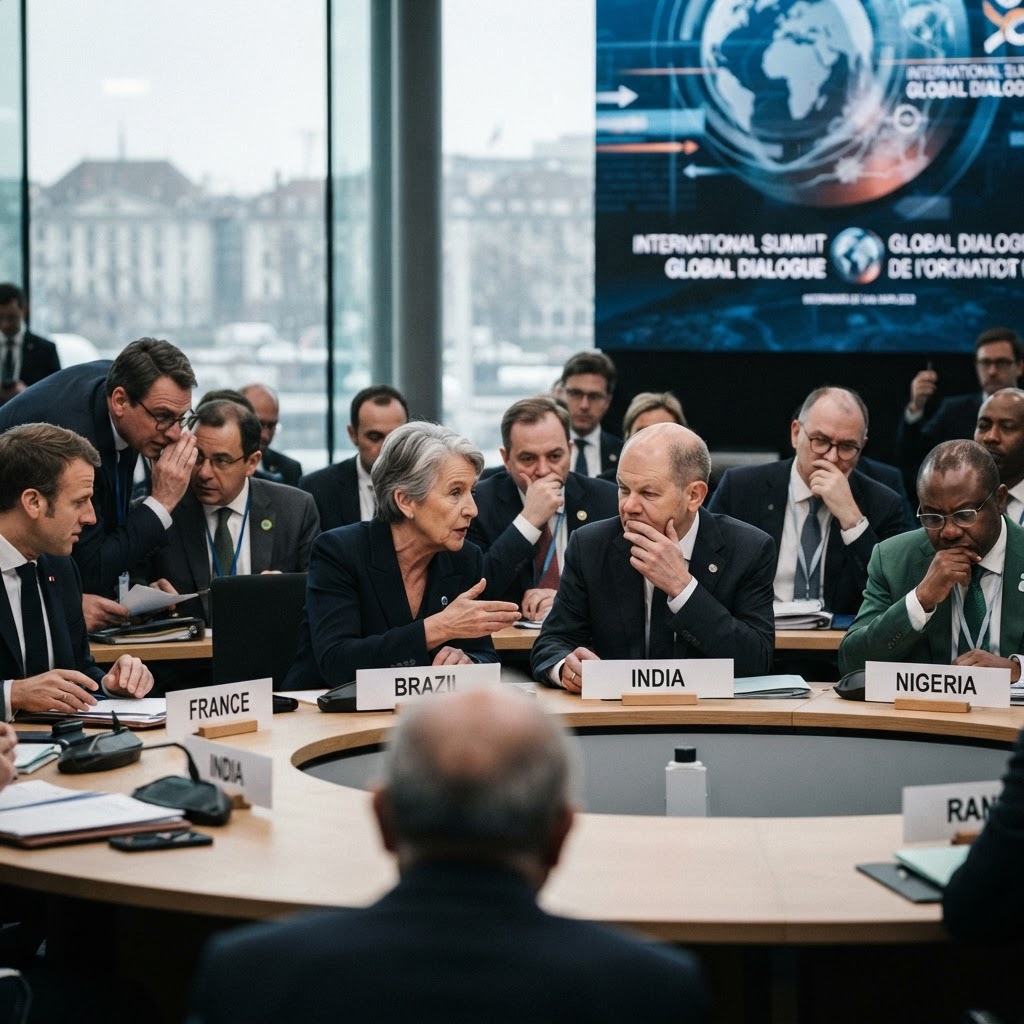
A Fractured World Order: Power Shifts, Diplomatic Realignments, and Crises Reshape Global Politics
Recent high-stakes diplomacy at regional summits, leadership transitions across major capitals, and escalating confrontations from the Middle East to Eastern Europe mark a defining moment of global realignment.
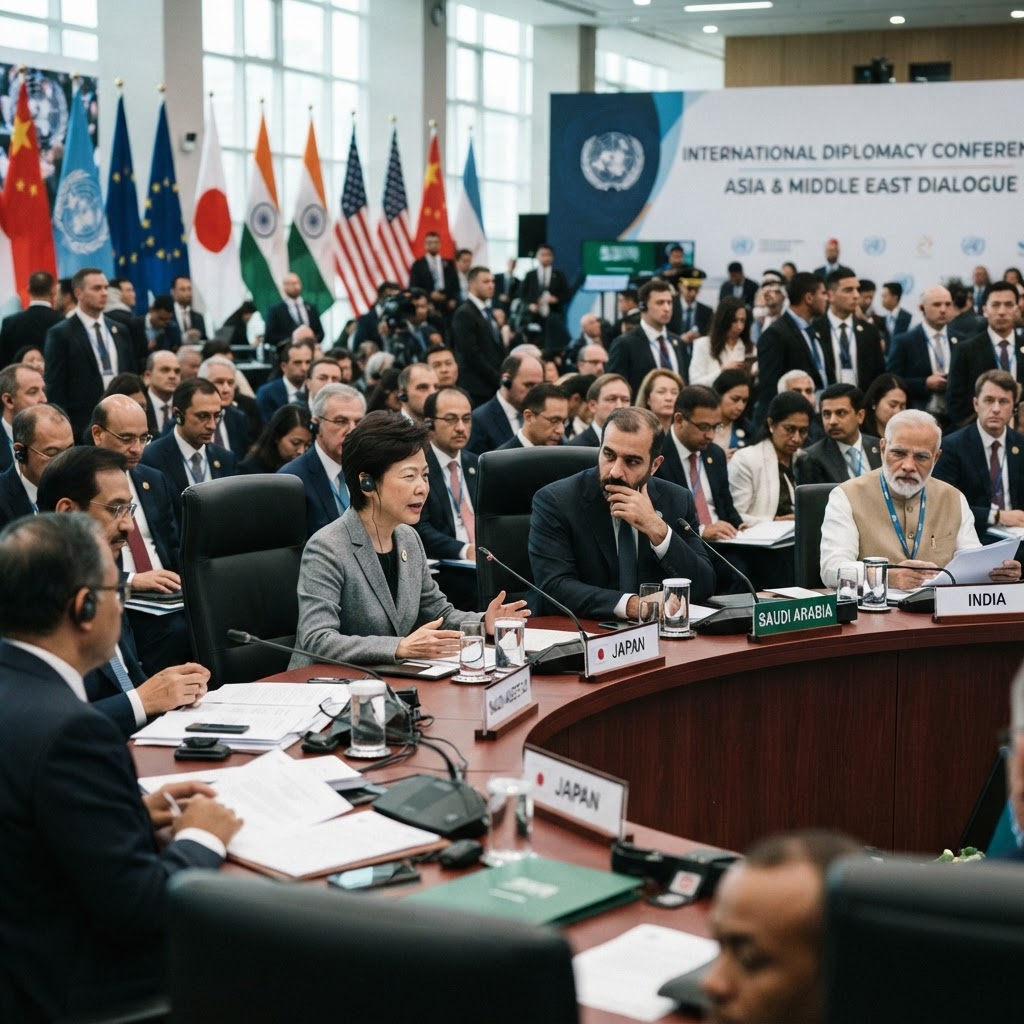
Global Diplomacy at a Crossroads: Asia Summits, Middle East Volatility, and Power Shifts Reshape Geopolitics
From high-stakes trilateral summitry in Asia to delicate coalition negotiations in Israel and post-election friction in Washington, world powers are maneuvering through a turbulent transition period.
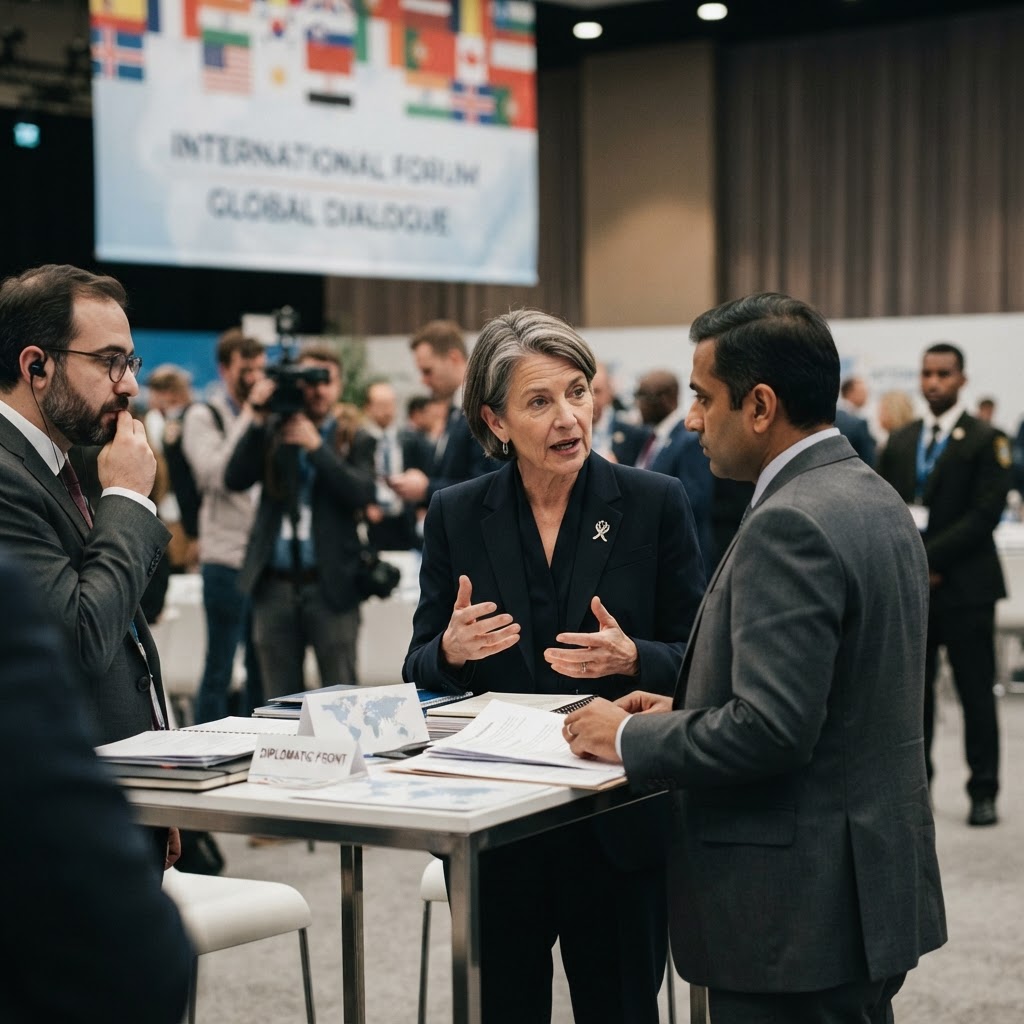
Global Political Realignment: U.S. Midterm Aftershocks, Regional Upheavals, and Shifting Diplomatic Fronts
Following decisive shifts in the U.S. midterm elections, domestic reshuffles in Washington are colliding with international tremors spanning Latin America, Europe, and the Asia-Pacific.