Global Culture at a Crossroads: Digital Booms, Institutional Realities, and Emerging Creative Hubs
While live performing arts face economic strains and aging demographics, global cultural investments, high-profile alliances, and digital-first creative sectors are charting a new path for international arts.
The Shifting Economics of the Arts
The global cultural landscape is navigating a period of profound rebalancing. Across North America, Europe, and East Asia, traditional live performing arts institutions are confronting a dual challenge of cost-of-living pressures and structural demographic changes. Analysis from cultural analysts such as Impakter indicates that live theater, classical concerts, and opera are increasingly regarded by households as discretionary luxuries, as ongoing inflation constricts consumer budgets. Meanwhile, demographic shifts in nations like Japan—where more than 29% of the population is 65 or older—are leaving classical auditoriums scrambling to cultivate a younger generation accustomed to on-demand digital entertainment.
Even in countries renowned for public cultural subsidies, such as France, where state expenditure has historically topped billions of euros annually, tightening fiscal policies and deficit-reduction targets have cast a shadow over regional theaters, ensembles, and heritage festivals. The friction between escalating operating overheads and cautious audience spending has brought longstanding funding models under renewed scrutiny.
The Ascent of Digital Cultural Economies
Contrasting sharply with the financial headwinds confronting physical concert halls, digital cultural enterprise is surging. Data recently released by China’s National Bureau of Statistics and highlighted by Bastille Post reveals that China's cultural industry revenue reached 10.82 trillion yuan in the first nine months of the year, up 4.3 percent. Crucially, the expansion is being carried by 'new business forms'—encompassing digital publishing, interactive online entertainment, smart cultural services, and digital copyright platforms—which surged by 8.9 percent to account for nearly half of the total revenue.
This pivot demonstrates a decisive behavioral shift: while consumers think twice before committing funds to physical venue seats, their appetite for digital arts, creative software, and web-based entertainment continues to grow. At the same time, the music sector is wrestling with the artistic implications of this digital transition. Platforms are actively exploring automated artificial intelligence tools to allow listeners to remix, re-genre, and re-engineer recorded tracks, according to reports from Welcome Magazine. While these technologies promise interactive consumption, they have provoked urgent conversations around intellectual property, creator royalties, and the preservation of original artistic integrity.
Institutional Alliances Across Borders
In response to evolving audiences and the high cost of standalone major exhibitions, premier global art institutions are formalizing unprecedented networks of cooperation. A notable illustration is the newly formed tripartite alliance between New York’s Museum of Modern Art (MoMA), the Centre Pompidou in Paris, and Hong Kong’s M+, reported by FAD Magazine. Collectively reaching an estimated 10 million in-person visitors and more than 125 million digital patrons annually, the three institutions plan to pool curatorial research, co-produce traveling public programming, and facilitate long-term loans of 20th- and 21st-century masterworks.
Such cross-continental pacts allow major museums to stage complex, ambitious retrospectives without bearing singular financial and logistical burdens, offering an operational blueprint for physical institutions seeking resilience in an interconnected world.
Decentering the Cultural Map
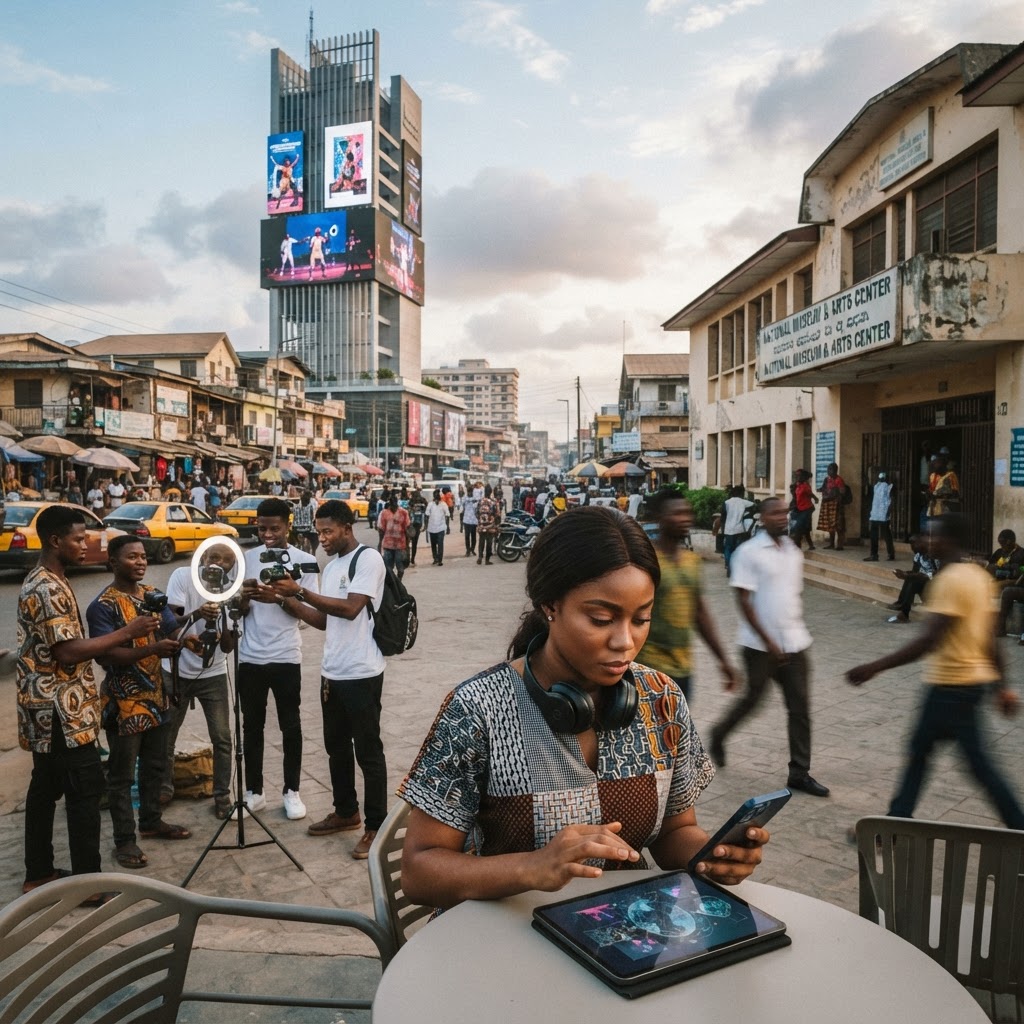
Simultaneously, traditional centers of creative dominance are ceding ground to vibrant international hubs across the Global South and the Middle East. Coverage from the Pan African News Media highlights an accelerating momentum across the African continent, from the expansion of Afreximbank’s $2 billion creative fund at the CANEX summit in Lagos to the global ascent of Afrobeats on the international awards circuit and high-profile exhibitions like Egypt’s 'Forever Is Now' at the Giza Pyramids.
The Gulf region has experienced a parallel cultural renaissance, reported by Arab News, with auctions such as Christie’s 'Mawasim' in Abu Dhabi and design summits in Doha providing critical platforms for regional modernists and contemporary artisans. From architectural preservation in Morocco and Togo to innovative film distributions bypassing traditional cinema chains via affordable local streaming packages, non-Western creators are defining independent ecosystems of patronage, distribution, and cultural pride.
As live institutions grapple with economic realignments and digital algorithms reshape consumption, the modern cultural landscape is emerging not as a single declining or thriving sector, but as an increasingly polycentric, multifaceted ecosystem that rewards adaptability, cross-border solidarity, and genuine grassroots innovation.
Recommended for you
Similar to “Global Arts & Culture”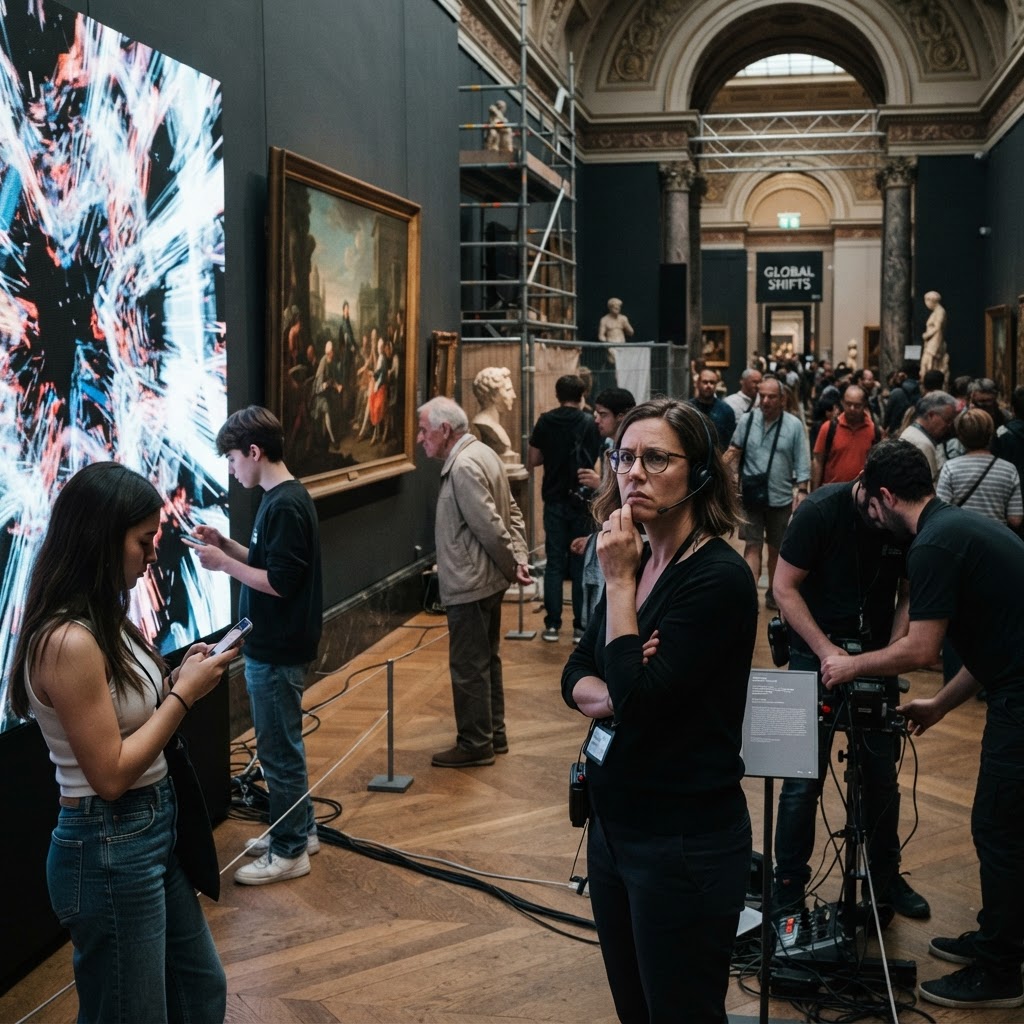
Culture at the Crossroads: Institutional Strain, Algorithmic Drift, and Global Shifts Redefine Global Arts
The international cultural sector is navigating profound transformations as institutional governance battles, artificial intelligence homogenization concerns, and new hubs of heritage diplomacy challenge established traditions.
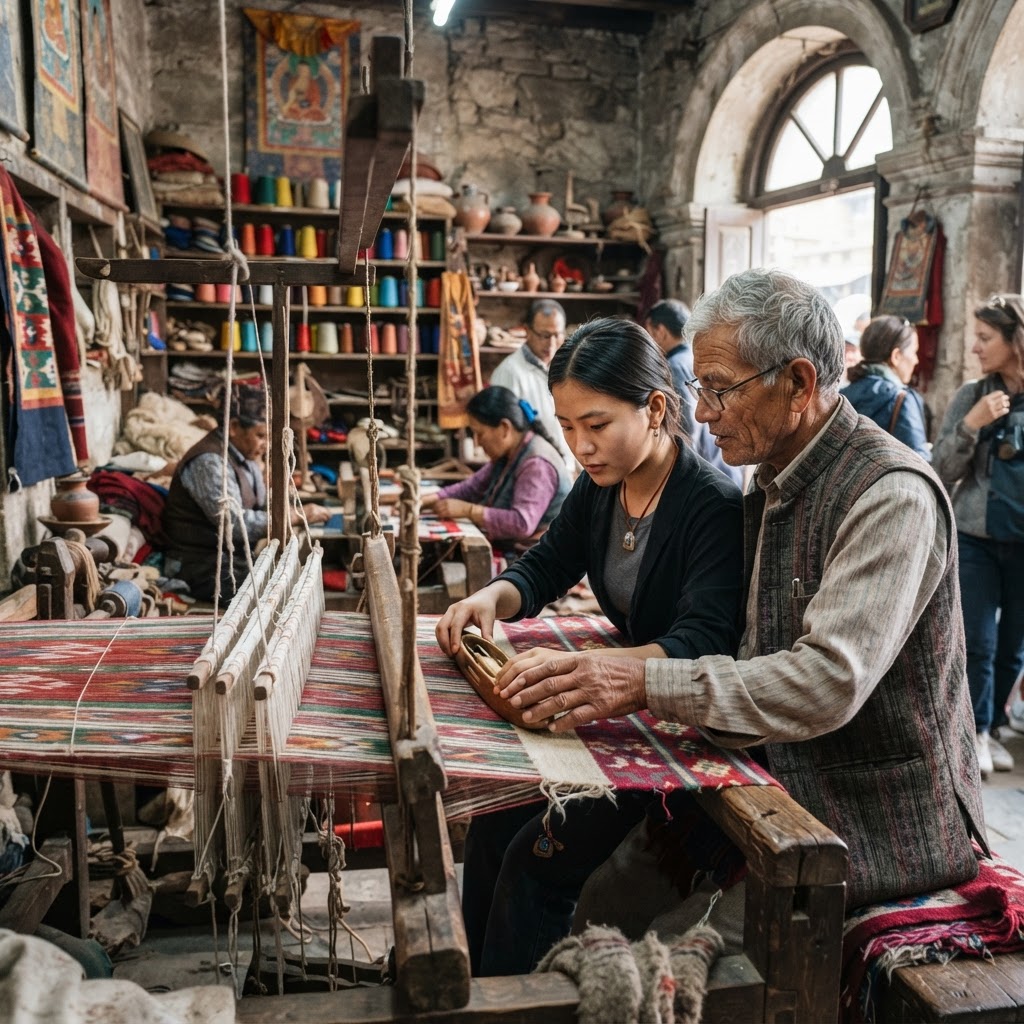
Preserving the Past, Navigating the Future: Global Culture Faces a Turning Point
From historical reassessments and heritage initiatives to economic strains on live performing arts, international culture reflects a world seeking identity amid rapid change.
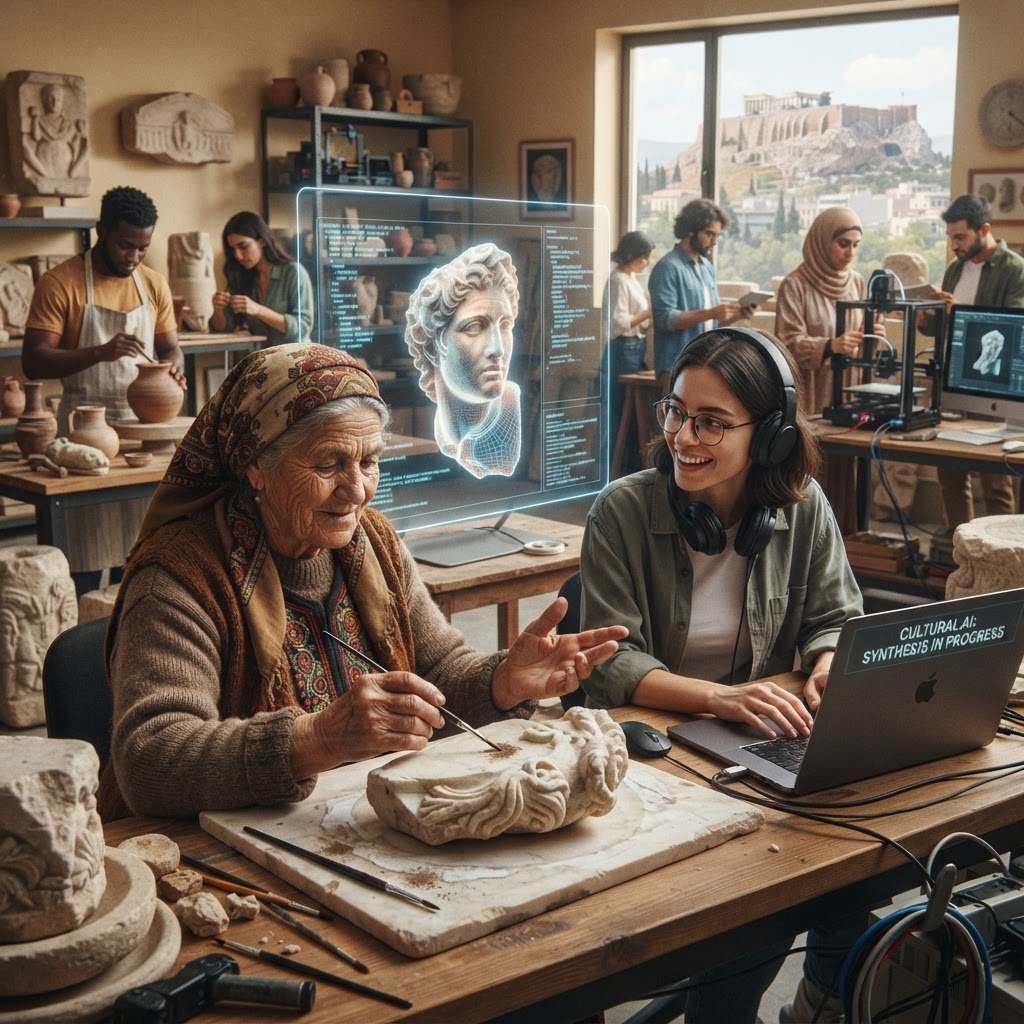
Global Culture at a Crossroads: Heritage Preservation, AI Disruption, and Inclusive Rebirth
Around the world, cultural policymakers, artists, and institutions are navigating shifting paradigms—from international mandates defending creative heritage against technological disruption to boundary-breaking exhibitions and regional performing arts showcases.