Compounding Cascades: Global Climate Negotiations Reopen Amid Escalating Ecological Crises
As negotiators assemble for the COP31 climate summit amidst contentious funding debates, groundbreaking science highlights how soil-atmosphere feedbacks and compound extremes are multiplying the costs of climate delay.
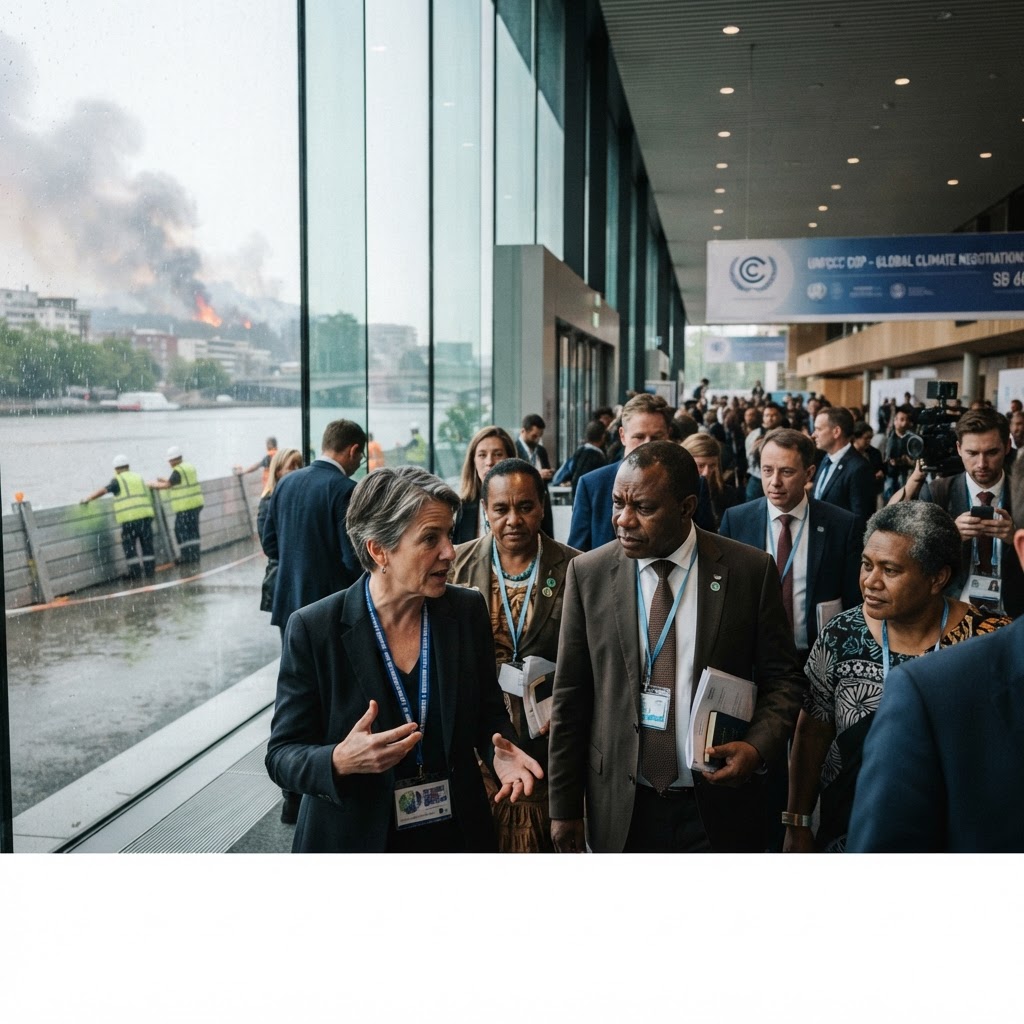
A World of Compound Climate Extremes
International environmental discourse has reached a tense crossroads this month as fresh scientific revelations converge with escalating diplomatic negotiations. The convening of the COP31 United Nations Climate Change Conference in Antalya, Türkiye, has exposed deep fractures over adaptation finance, fossil fuel subsidies, and the real-world pace of the energy transition. Against the backdrop of warnings by the World Meteorological Organization that the current year is on track to rank among the hottest on record, scientists are demonstrating that ecological extremes are interacting in far more dangerous ways than previously understood.
A benchmark study released by researchers at the Potsdam Institute for Climate Impact Research and the International Institute for Applied Systems Analysis, published in Science Advances, reveals that “mega heatwaves” are being intensified through self-reinforcing mechanisms. When temperatures cross specific thresholds, interactions between depleted soil moisture and atmospheric pressure trigger feedback loops that amplify extreme heat by roughly 10 percent. Rather than acting as linear increases, rising baseline temperatures are fundamentally altering land-surface dynamics, worsening drought severity and drying out crucial water basins.
The compounding role of soil dynamics has similarly reshaped scientific understanding of flood hazards. Complementary research analyzing extreme rainfall events across Europe indicates that human-induced climate warming has dramatically worsened flood surges. While precipitation levels during major storm systems were intensified by roughly 6 to 9 percent, peak river runoffs rose between 14 and 22 percent. Pre-saturated soils and disturbed hydrology transform moderate downpours into catastrophic inundations, severely testing the engineering limits of existing civil infrastructure across urban and agricultural regions alike.
The Adaptation Finance Chasm
These mounting physical impacts have set an urgent, contentious tone at the COP31 summit. The United Nations Environment Programme's latest assessments present a sobering balance sheet: current emissions reduction policies put global temperatures on a trajectory toward approximately 2.8 degrees Celsius of warming by century's end, far outstripping the 1.5-degree benchmark established in the Paris Agreement. While UNEP reports limited tactical successes—including recent coordinated curbs on fugitive methane emissions by major oil and gas operators—the structural gap remains immense.
Central to discussions in Antalya is the spiraling shortfall in adaptation finance. Developing economies are estimated to require up to $420 billion annually by 2035 to fortify infrastructure, manage water stress, and protect coastal settlements. Yet public international capital flows remain a fraction of that total. UN Secretary-General António Guterres and UN climate chief Simon Stiell have called for an overhaul of the multilateral finance framework, arguing that fossil fuel volatility continues to export inflation worldwide. Developing nations, led by African negotiating blocs, are insisting on an enforceable climate justice compact that compels historic polluters and major energy corporations to shoulder loss and damage liabilities.
The urgency of these demands is underscored by events unfolding across the Global South. Across southern Africa, unseasonable spring heatwaves have struck communities already bracing for severe drought and wildfires linked to developing ocean patterns. Meanwhile, toxic pre-winter smog and seasonal particulate accumulation have once again choked northern South Asia, sending air quality indexes in New Delhi and Lahore into hazardous territory and forcing municipal authorities to impose emergency vehicle and industrial curbs.
Legal Precedents and Environmental Governance
With international policy moves struggling to match the pace of warming, grassroots movements and legal advocates are increasingly turning to judicial review to enforce emissions targets and protect fragile habitats. In South Africa, youth-led environmental groups secured a significant landmark ruling from the Supreme Court of Appeal concerning the nation's energy procurement strategy, successfully challenging attempts to build new coal-fired electricity generation under constitutional environmental protections.
Corporate accountability has faced equal scrutiny in ocean and coastal conservation. In Western Australia, environmental regulators and civil society organizations have raised sharp alarms over proposals for extensive gas export developments, notably at Scott Reef—a vital migration corridor and foraging sanctuary for pygmy blue whales. Campaigners have questioned both the ecological ramifications of offshore subsea blasting and the integrity of corporate emissions accounting strategies that rely on flexible baseline adjustments rather than direct operational phaseouts.
Compounding challenges also trouble international marine conservation. A recent evaluation of Europe’s network of marine protected areas revealed that substantial portions of nominally protected waters continue to experience high levels of commercial exploitation, including industrial bottom trawling, leaving global biodiversity targets dangerously off course. Simultaneously, newly filed commercial exploration requests for deep-sea minerals in the Pacific basin have provoked fresh outrage from conservationists and local island communities, who emphasize the irreversible risks to benthic ecosystems.
Closing the Gap Between Ambition and Reality
The convergence of extreme weather science, contentious diplomacy, and legal mobilization marks a defining phase in environmental stewardship. Global institutions are grappling with the reality that overshooting initial warming thresholds will carry severe non-linear penalties for land, atmosphere, and human society. With civil society exerting pressure in courtrooms and scientists documenting compounding risks across terrestrial and ocean ecosystems, the burden falls on negotiators at COP31 to translate pledges into binding investments and verifiable emission reductions.
Recommended for you
Similar to “Environment”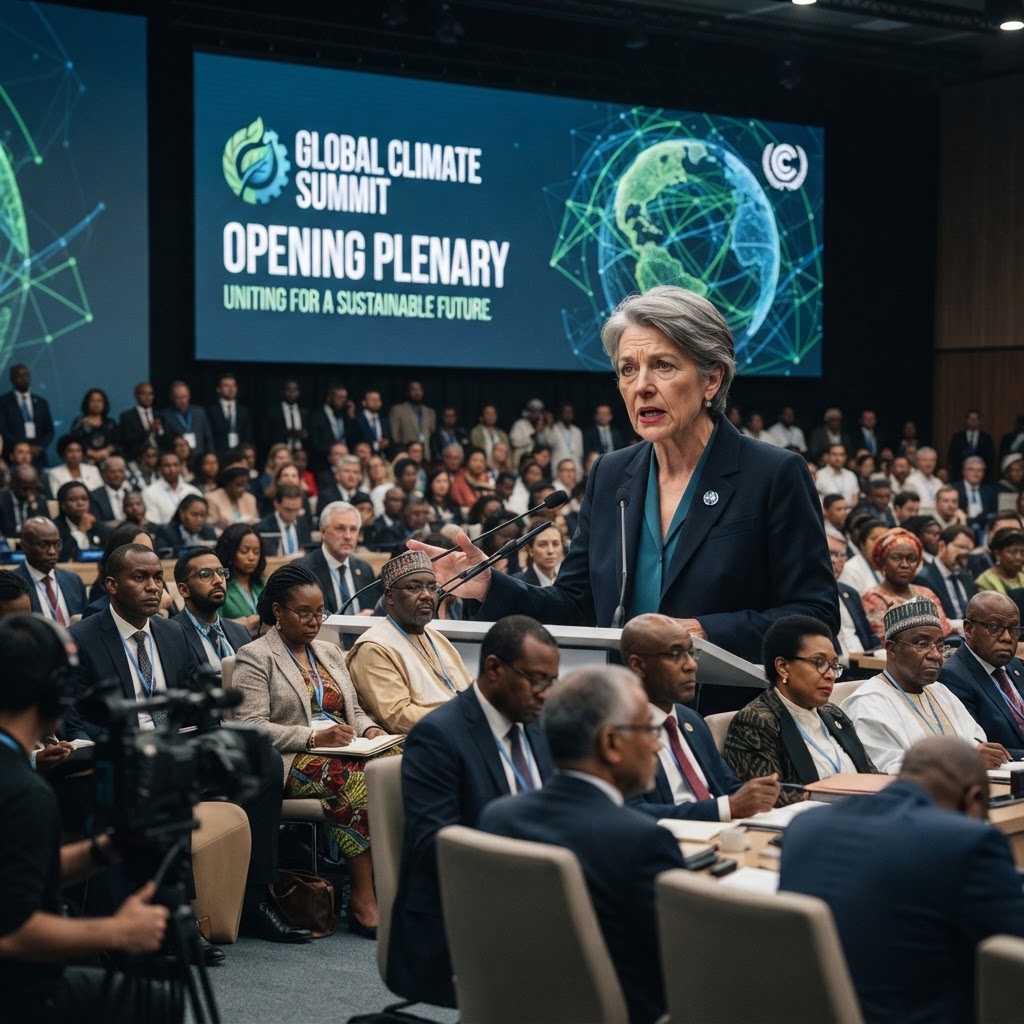
A World Under Compounding Pressures: Global Climate Summit Opens Amid Mounting Ecological and Meteorological Crises
As negotiators assemble at COP31 under warnings from the United Nations regarding sluggish adaptation and fossil fuel expansion, newly released research reveals how climate change is creating dangerous compound feedback loops in global weather systems.
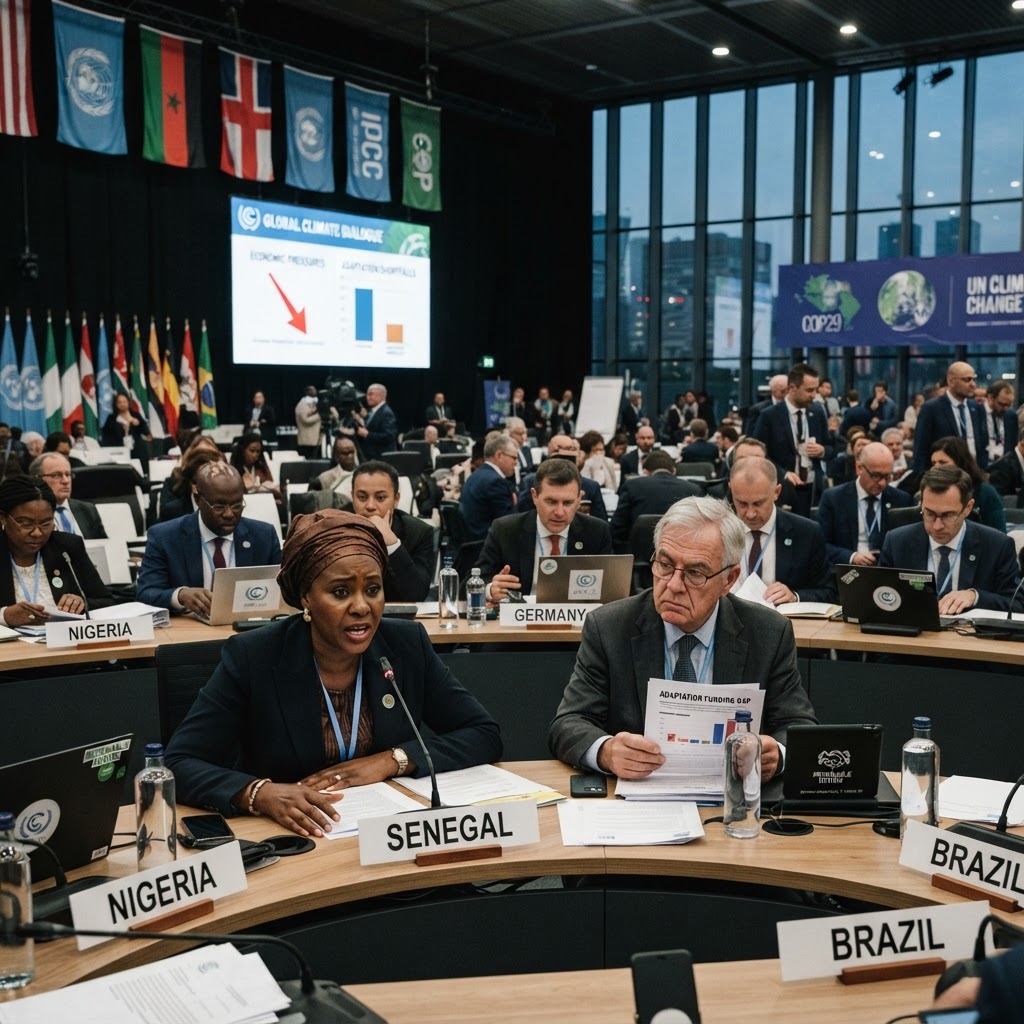
Global Climate Diplomacy Confronts Economic Pressures, Adaptation Shortfalls, and Technological Dilemmas
As negotiators assemble in Antalya for COP31 amidst warnings that global warming will overshoot vital thresholds, international environmental policy faces severe tests ranging from national vehicle policy rollbacks to the ecological burdens of the artificial intelligence boom.
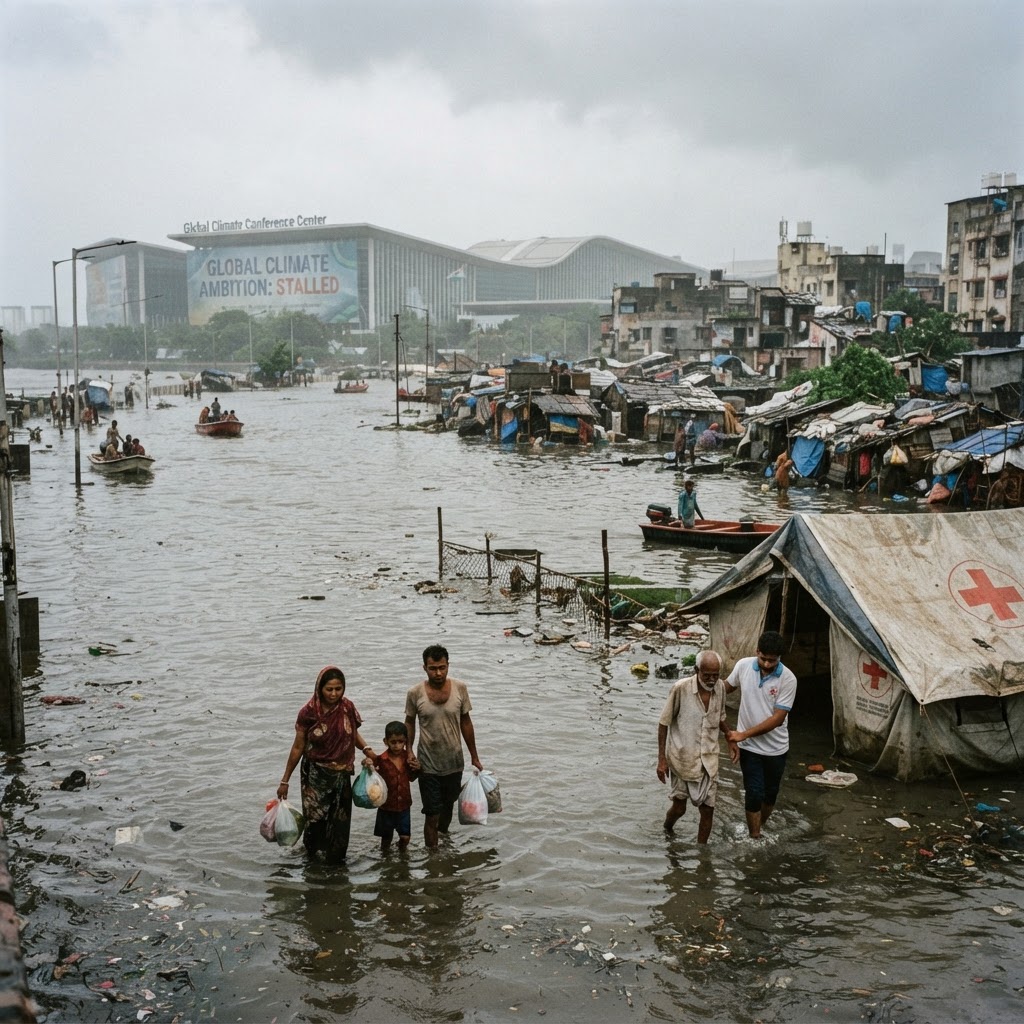
A Convergence of Ecological Crises: Escalating Floods, Health Threats, and Stalled Global Ambition
Recent scientific assessments and diplomatic negotiations reveal a widening gulf between accelerating climate shocks—from intensified flood peaks to rising health burdens—and stalled international environmental action.