Global Diplomacy at a Crossroads: Asia Summits, Middle East Volatility, and Power Shifts Reshape Geopolitics
From high-stakes trilateral summitry in Asia to delicate coalition negotiations in Israel and post-election friction in Washington, world powers are maneuvering through a turbulent transition period.
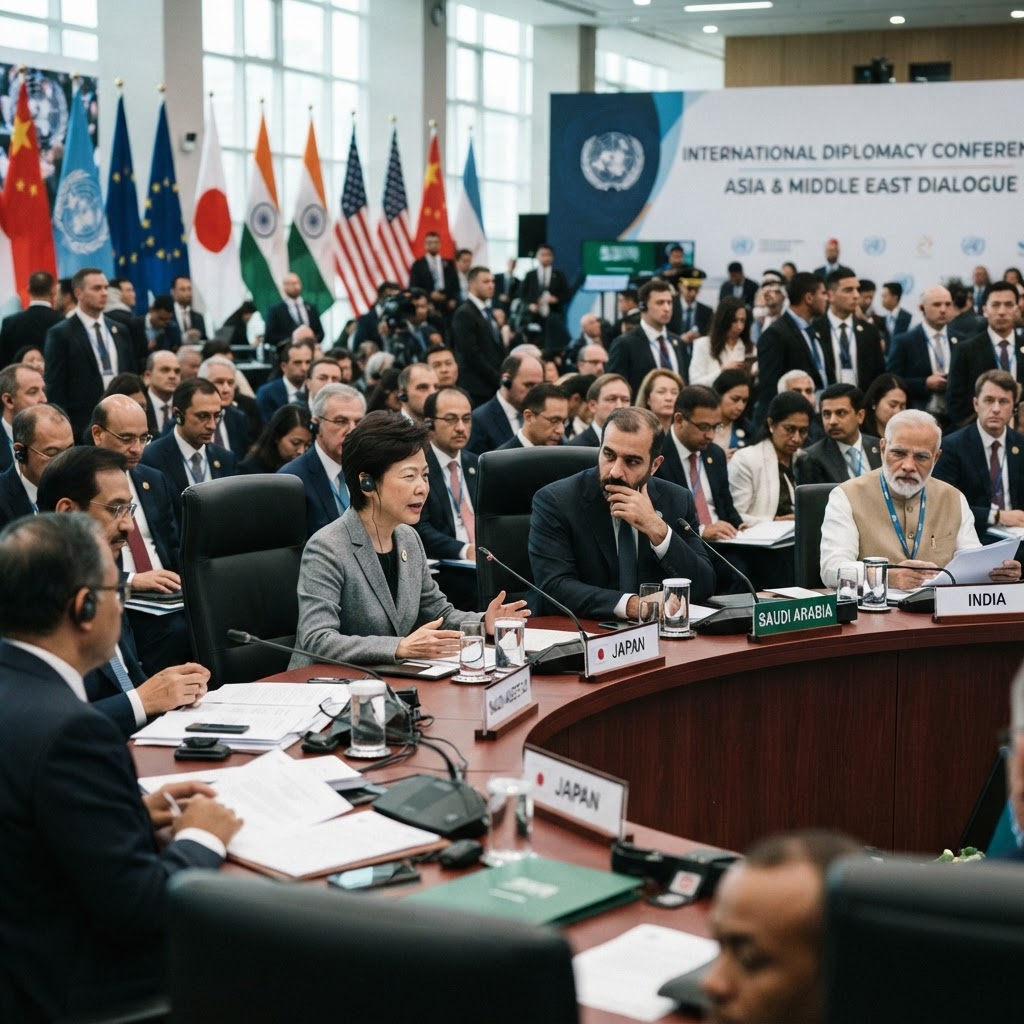
A Crucible of Great Power Diplomacy in Asia
International politics is witnessing a pivotal convergence of summits across the Asia-Pacific as major heads of state gather amid shifting alliances and escalating geopolitical rivalries. Highlighting the diplomatic calendar is U.S. President Donald Trump's mission to Asia, which includes visits to Southeast Asia before a planned historic summit alongside Chinese President Xi Jinping and Russian President Vladimir Putin, as reported by The New York Times and WORLD. The proposed three-way talks mark a rare gathering aimed ostensibly at discussing nuclear arms control following the expiration of bilateral caps, as well as the broader conflict dynamics surrounding Iran.
However, analysts and regional observers note that substantive breakthroughs remain elusive. While the White House has positioned arms limitation at the forefront, Beijing has consistently pushed back on tripartite nuclear formulas, pointing to the stark disparity between its arsenal and the stockpiles maintained by Washington and Moscow. Furthermore, regional partners view the optics of such an engagement with measured apprehension. Middle powers assembled at summits such as the Association of Southeast Asian Nations gathering in Manila are increasingly looking to diversify their economic and defense partnerships to buffer against unpredictable shifts in U.S. foreign policy and broader great-power friction, according to analysis from The Japan Times.
Regional Security and Domestic Overhauls in Tokyo
In Tokyo, Prime Minister Sanae Takaichi is navigating a dual front of intense international engagement and domestic legislative friction. Facing vulnerabilities exposed by heightened energy insecurity and Middle Eastern instability, Japan is championing an Asian counterpart to the International Energy Agency to fortify regional energy supply frameworks, as covered by The Japan News. The prime minister's regional schedule also includes bilateral discussions aimed at thawing chilly ties with Beijing and maintaining critical diplomatic channels with South Korea.
Domestically, however, the Takaichi administration faces mounting scrutiny. Parliamentary battles have intensified over contentious electoral reform legislation seeking to reduce seats in the House of Representatives, alongside delicate coalition maneuvering surrounding proposed consumption tax reductions. Meanwhile, long-term security strategy debates continue to roil Tokyo, with significant discussions over multi-trillion-yen five-year defense budgets clashing with demands from Washington to drastically increase host-nation financial contributions for stationed American forces.
Protracted Standoffs and Fragile Coalitions in the Middle East
Across the Middle East, acute security crises intersect with deep domestic political instability. In Israel, political leaders remain deadlocked over the formation of a potential emergency unity government following recent parliamentary elections, according to WORLD. Representatives for Likud leader Benjamin Netanyahu and political rival Gadi Eisenkot concluded preliminary negotiations without a breakthrough. The central impasse remains executive leadership: while Netanyahu has invoked national security and Iranian threats as justification to remain prime minister, Eisenkot’s camp has firmly insisted on displacing him or avoiding traditional rotating premierships.
The domestic political vacuum persists against a backdrop of escalating regional hostilities. Ongoing Israeli operations targeting militant command structures in Gaza have accompanied severe friction between Washington and Tehran. In the Persian Gulf, claims from Iran's Islamic Revolutionary Guard regarding drone and radar strikes on U.S. facilities in Bahrain have exacerbated regional alert levels, according to EU Observe. In Washington, cabinet officials continue to push maximum economic isolation against Tehran despite acknowledged security threats, even as indirect backchannel communications facilitated through regional intermediaries seek a negotiated path to avert full-scale escalation.
Legislative Realignment and Ideological Fissures in Washington
Within the United States, recent national elections have rewritten the domestic political landscape. Following decisive Democratic victories that established new majorities in both chambers of the U.S. Congress, as detailed by The Japan Times, the incoming legislative leadership is confronting immediate ideological challenges over how aggressively to challenge executive branch policy. Progressive factions are urging top party leaders to mount robust legislative resistance against executive immigration campaigns, corporate influence, and foreign military entanglements.
Simultaneously, the administration has signaled a sharp retreat from conventional multilateral norms. Executive remarks challenging international legal bodies and global institutions emphasize an increasingly unilateral doctrine. With congressional oversight set to intensify dramatically across multiple fronts—ranging from regulatory actions and corporate ties to foreign policy postures—the newly fractured political establishment in Washington signals an era of protracted domestic confrontation with sweeping ramifications for global governance.
Recommended for you
Similar to “Global Politics”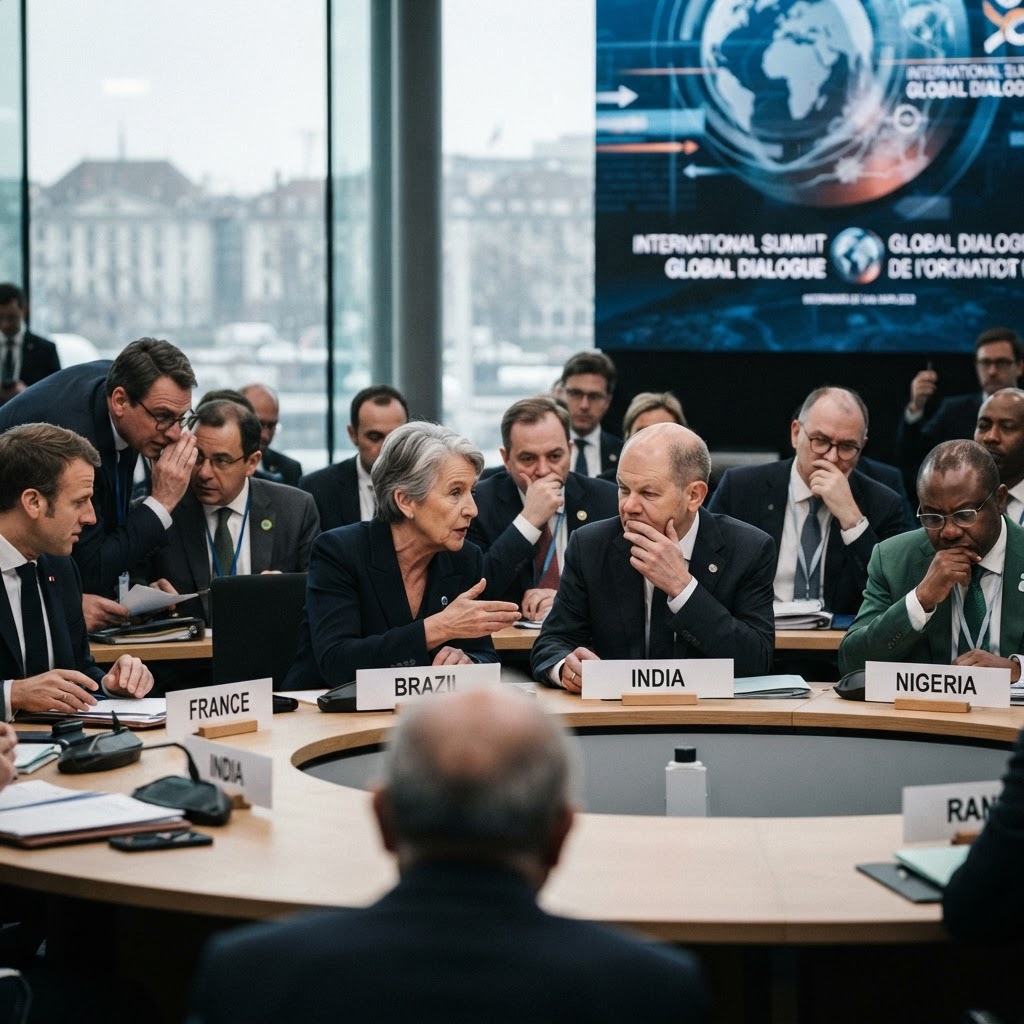
A Fractured World Order: Power Shifts, Diplomatic Realignments, and Crises Reshape Global Politics
Recent high-stakes diplomacy at regional summits, leadership transitions across major capitals, and escalating confrontations from the Middle East to Eastern Europe mark a defining moment of global realignment.
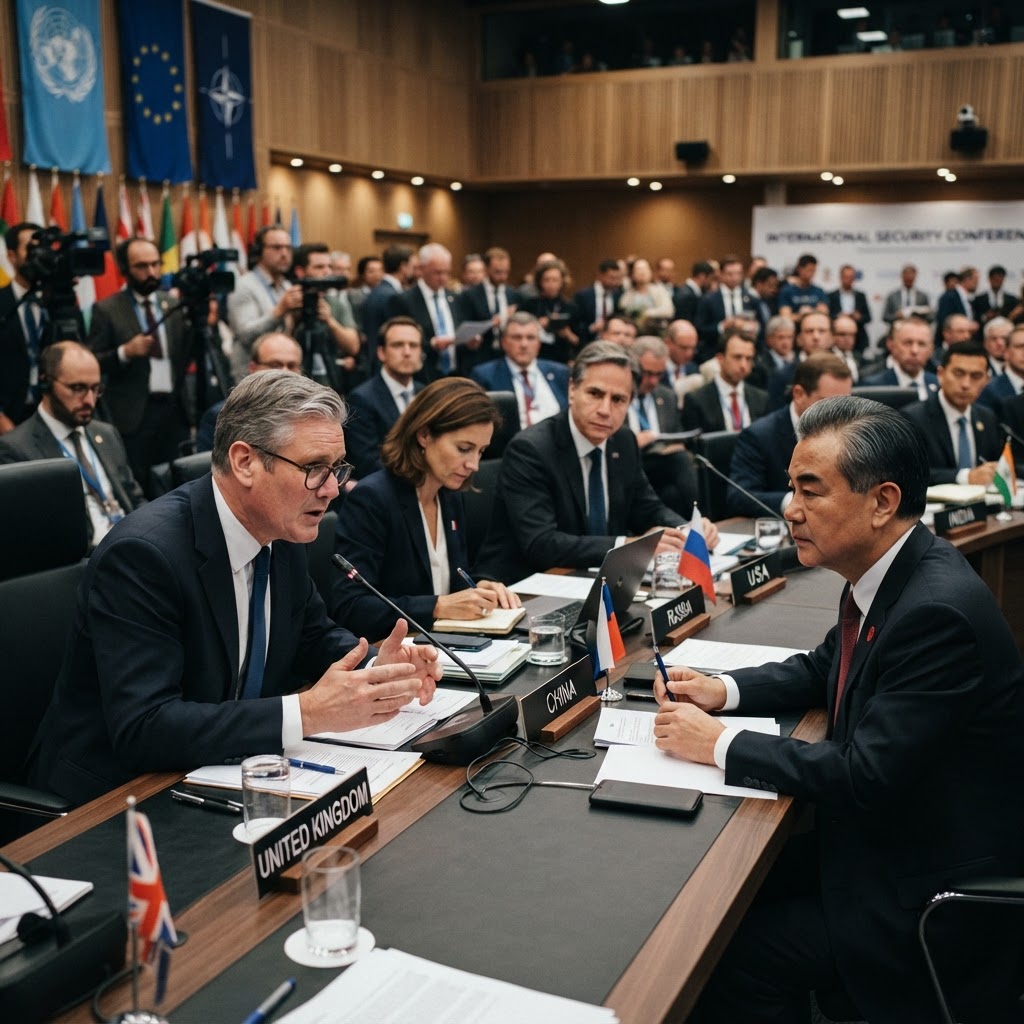
Global Diplomacy at a Crossroads: Security Pacts, Coalition Shifts, and Strained Talks Define International Affairs
High-stakes diplomacy is facing acute friction across Europe and the Middle East as negotiations over continental security collide with major political reorganizations in Israel and intractable standoffs between Washington and Tehran.
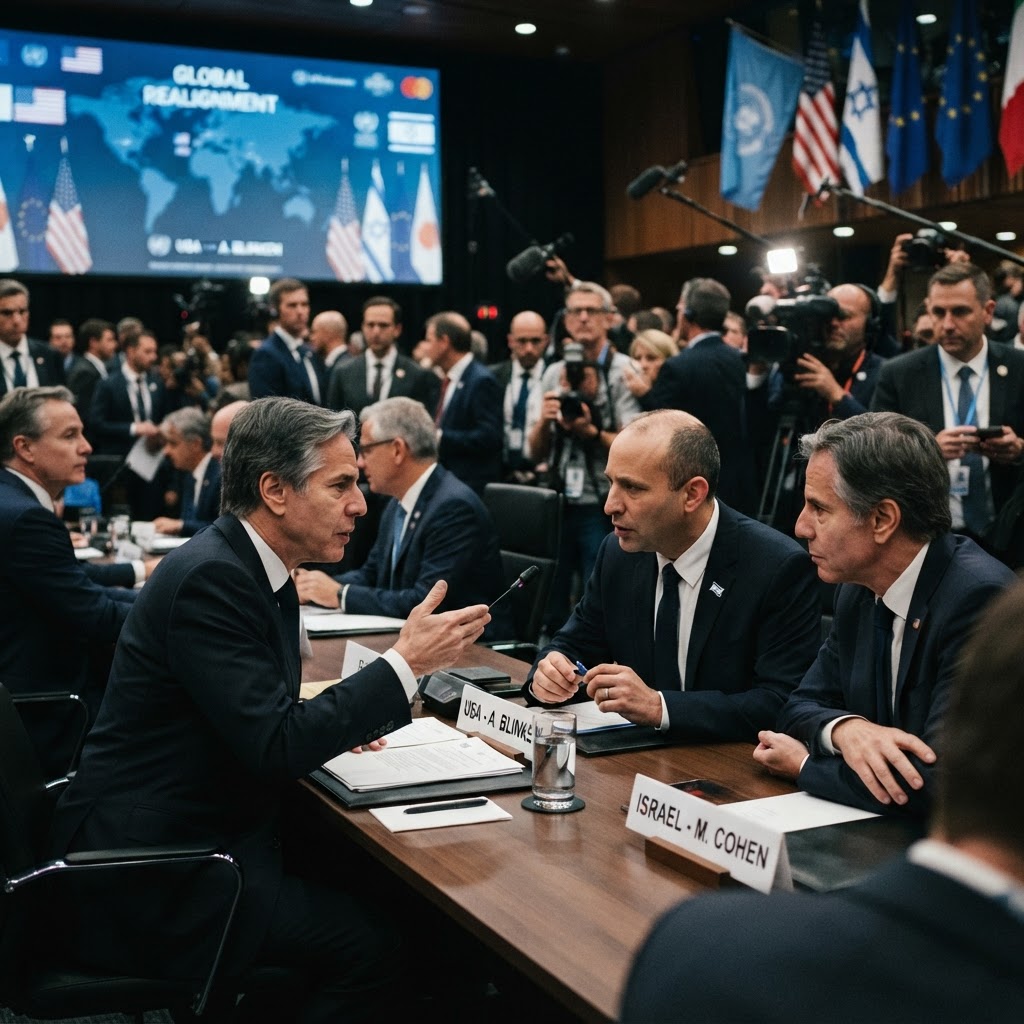
Global Political Realignment: Power Shifts Shake Washington, Jerusalem, and Diplomatic Arenas
Following high-stakes midterm elections in the United States and seismic parliamentary changes in Israel, world powers face dramatic political realignments alongside renewed peace diplomacy.