A Global Reset of Power: Commentators Appraise the 2026 Midterm Backlash and the Fragility of International Order
Opinion writers and geopolitical analysts across the world are dissecting the dramatic 2026 U.S. midterm turnover, probing whether a sweeping democratic verdict can truly mend fractured alliances and domestic governance.

The Anatomy of a Midterm Turnabout
In the wake of the 2026 United States midterm elections, opinion pages around the globe have erupted into intense debate over the meaning of what commentators are widely describing as a political tidal shift. Across domestic and international platforms, opinion pieces have sought to unpack the ramifications of a decisive Democratic congressional sweep. As reflected in columns published by outlets such as the Lawrence Journal-World, domestic commentators have portrayed the outcome as a direct public referendum on executive overreach, with contributors noting that voters explicitly chose systemic disruption to rebalance power in Washington. Others, taking a more celebratory tone, framed the electoral verdict as an intervention by an engaged electorate acting as a democratic safeguard.
Yet, alongside the triumphalism among partisans, more sober domestic columnists emphasize that structural governance challenges remain stark. Incoming lawmakers are entering a fractured capital, inheriting contentious battles over fiscal sustainability, social entitlement solvency, and deep institutional gridlock. While President Donald Trump has made tentative overtures toward cross-aisle cooperation following the loss of both legislative chambers, veteran political observers express skepticism over whether sustained compromise can ever truly take root in such an entrenched ideological landscape.
The International View: Washington’s Oscillating Credibility
Abroad, the conversation takes on a markedly different hue, turning from domestic jubilation toward strategic anxiety. Analysts contributing to international platforms, including The Economic Times, highlight how international partners are grappling with the structural volatility of American governance. For allies and trading partners in Europe and the Indo-Pacific, the alternating pendulum swings between protectionist unilateralism and internationalist oversight raise uncomfortable questions about whether any long-term treaty or defense partnership with the United States can be taken as permanent.
As commentators writing for The Japan Times point out, strategic planners in Tokyo and across Asia must now navigate the reality of divided government in Washington. Commentators note that while the midterms deliver a blunt check on the administration’s transactional foreign policy instincts, they also risk paralyzing foreign aid appropriations and trade authorizations. Columnists observe that regional stability in the Indo-Pacific demands steady, coherent deterrence against coercive regional powers—a posture complicated when every two to four years brings an existential pivot in Washington’s grand strategy.
The Breakdown of Rules in an Unforgiving World
This scrutiny of American electoral politics unfolds against a much darker background of institutional erosion worldwide. In recent essays across platforms like the Asia News Network, diplomatic thinkers have sounded alarms over the emergence of an unapologetic 'might-is-right' paradigm. With multilateral treaties and norms fraying under the weight of active conflicts, smaller nations find themselves squeezed between competing spheres of influence.
Writers argue that global mechanisms of mediation and consensus-building have deteriorated to historic lows. When major global players vacillate between isolationism and heavy-handed diplomacy, intermediate powers and regional blocs are increasingly forced to prioritize raw economic resilience and autonomous security deterrence over collaborative international law. The midterm results in the United States may change the tone of congressional rhetoric, these analysts caution, but they cannot magically reconstruct the post-Cold War multilateral consensus that has been steadily dismantling for over a decade.
Electoral Restlessness Beyond the Potomac
The sentiment that governing establishments are out of touch extends far beyond American shores. Across the globe, electorates are consistently rejecting incumbent status quos as cost-of-living strains, climate crises, and institutional fatigue take their toll. Nowhere was this more evident than in the intensely competitive general elections in New Zealand, where left-leaning and centrist commentary—such as that found in The Daily Blog—tracked voter discontent over economic stagnation that left major parties scrambling for viable coalition arithmetic.
From Australasia to North America, the common thread linking these opinion columns is the public's exhaustion with economic uncertainty and perceived executive detachment. Voters are not necessarily offering blanket endorsements of alternative parties; rather, they are issuing clear, sharp rebukes to whoever occupies the seat of power. Whether in parliamentary systems requiring fragile multi-party negotiations or presidential regimes headed for protracted institutional warfare, the modern voter's mandate is increasingly reactive rather than programmatic.
A Transatlantic Re-Evaluation
Ultimately, the collective opinion narrative emerging this week delivers a cautionary message. A decisive election victory provides immediate political momentum, but it does not resolve the deep-seated grievances that fuel populist revolts or restore fractured international trust. Editorialists remind their readers that democratic revitalization cannot begin and end on election night.
As foreign ministries and legislative leaders re-calibrate their strategies, the overarching consensus remains guarded: the 2026 midterm results have reset the parameters of power, but they have also commenced another precarious chapter of institutional testing, where the durability of democratic accountability will face its most stringent challenges yet.
Recommended for you
Similar to “Global Politics”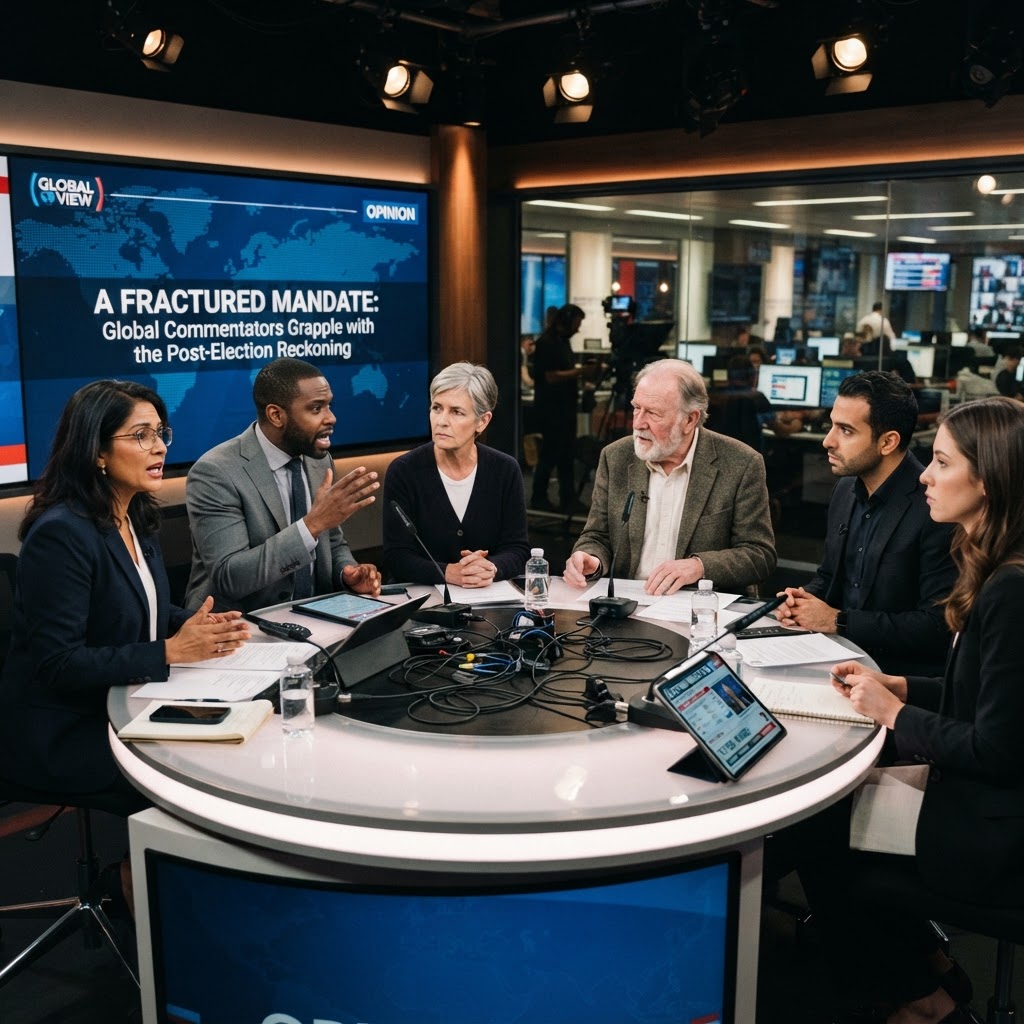
A Fractured Mandate: Global Commentators Grapple with the Post-Election Reckoning
Opinion pages across the world reflect a tense mixture of relief and deep-seated skepticism following a dramatic political shift in Washington. Analysts argue that while electoral repudiation reshapes domestic power, it does little to repair international trust or resolve escalating global friction.
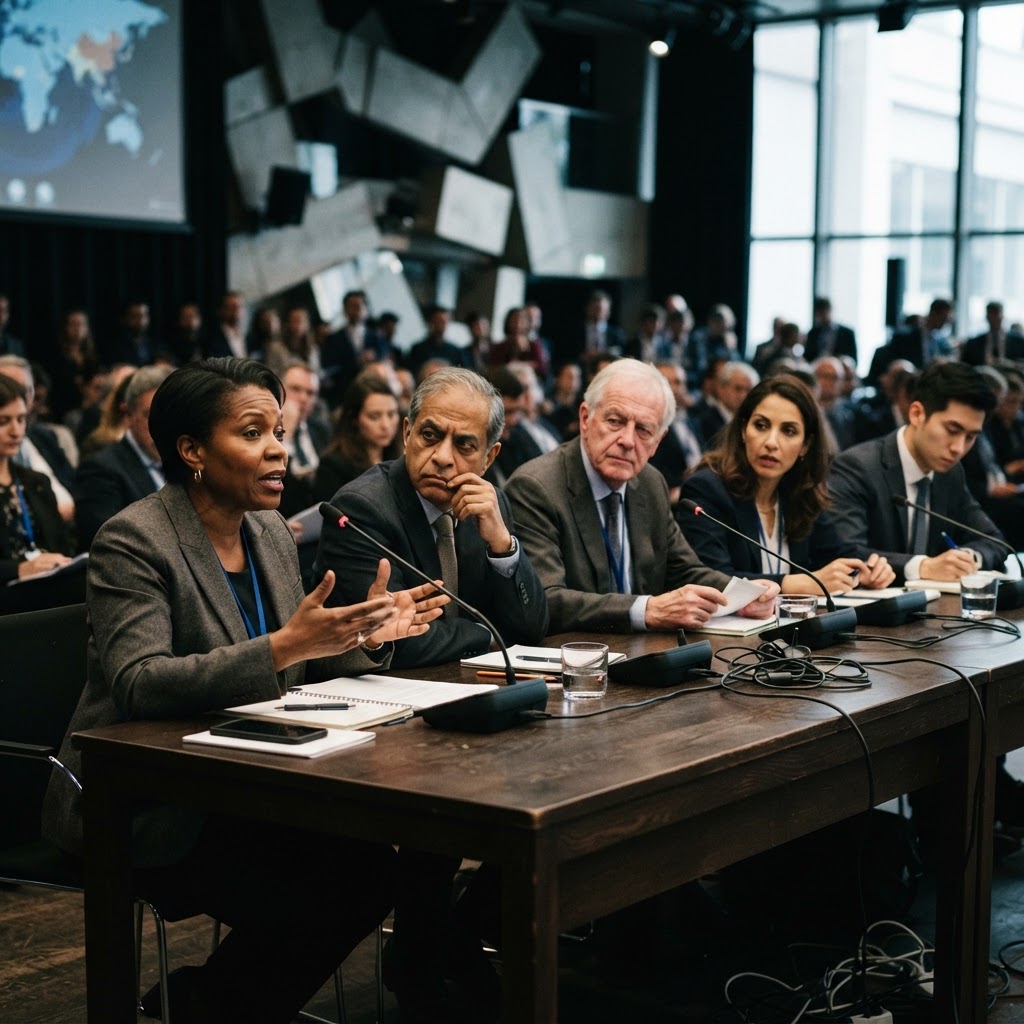
Gridlock, Multipolarity, and Fragile Norms: Global Commentators Confront a Fractured Order
In the wake of sweeping midterm elections and escalating international tensions, political analysts and commentators across the globe are sounding alarms over looming governance paralysis and the breakdown of established multilateral rules.

A Fractured World Weighs Governance, Technology, and Democratic Volatility
Across international editorial boards and opinion columns, commentators are grappling with mounting electoral unease in Western democracies, escalating regulatory debates over artificial intelligence, and deep geopolitical fractures.