A Fractured World Weighs Governance, Technology, and Democratic Volatility
Across international editorial boards and opinion columns, commentators are grappling with mounting electoral unease in Western democracies, escalating regulatory debates over artificial intelligence, and deep geopolitical fractures.

The Strain on Democratic Mandates
In recent days, the global opinion landscape has been dominated by a sense of impending political recalibration. Editorial boards and political analysts across major commentary desks are closely scrutinizing whether established governance models can endure heightened domestic polarization. In the United States, commentary featured by outlets such as Rasmussen Reports and the Lawrence Journal-World highlights deepening conservative anxieties over electoral strategy, party leadership, and the economic mood heading into high-stakes legislative contests. Columnists are openly questioning whether populist rhetoric continues to deliver electoral resilience or if bread-and-butter issues—such as energy prices and persistent inflation—will tip the scales toward opposition parties.
Public opinion tracking, notably from survey organizations like Ipsos, indicates that voter sentiment remains cautious, dominated by concerns about economic security and the rising cost of living. This domestic friction is mirrored internationally: democratic institutions in both Latin America and South Asia are facing similar scrutiny, where commentators are debating the capacity of pluralistic systems to accommodate dissent and maintain civil institutional integrity under economic stress.
Technology, Security, and Institutional Backlash
Beyond traditional partisan contests, the opinion pages of the international press have turned their focus toward the rapid and disruptive expansion of emerging technologies. Commentary appearing in The Japan Times illustrates growing public unease over critical digital infrastructure, from vulnerabilities in web security certification to regional friction over data centers and energy consumption. Furthermore, cultural commentators are examining the softer yet profound societal footprints of artificial intelligence, questioning how automated platforms are reshaping daily family life and modern caregiving.
At the intersection of tech policy and geopolitics, analysts writing for Eco-Business point to an emerging regulatory divide. While Western executives and legislators scramble to erect guardrails around artificial intelligence risks, Asian economies—most notably China—have moved assertively to implement comprehensive state frameworks. Meanwhile, Beijing’s state-backed media, such as People's Daily Online, have leaned heavily on commentaries defending national strategic development, criticizing trade curbs, and questioning Western models of global technological leadership, framing the contest as one between sovereign regulation and strategic protectionism.
Climate Risk and Structural Realism
Commentary across developing regions reflects a starkly pragmatic reckoning with resource management and infrastructure. In South Asia, contributors to regional publications like Asia News Network and The Daily Star argue that governments must abandon superficial developmental triumphs in favor of basic resilience. Recent columns have criticized urban planning that prioritizes high-profile megaprojects over functional daily transit, alongside warnings that delayed energy stabilization and miscalculated climate budgeting will continually leave vulnerable communities exposed to catastrophic weather events.
Ultimately, the prevailing editorial consensus in recent commentary is one of structural realism. Whether addressing political polarization, the race to govern machine intelligence, or the existential threat of climate displacement, commentators from East to West are united in arguing that piecemeal policies and rhetorical posturing are no longer sufficient to navigate the compounding crises of the modern era.
Recommended for you
Similar to “Global Opinion”
A Fractured Equilibrium: How Emerging Hotspots and Frontier Tech Are Reshaping the Global Op-Ed Arena
Recent international commentary reveals deep anxieties over escalating Middle East tensions, high energy prices, and the urgent necessity for stringent frontier artificial intelligence governance.
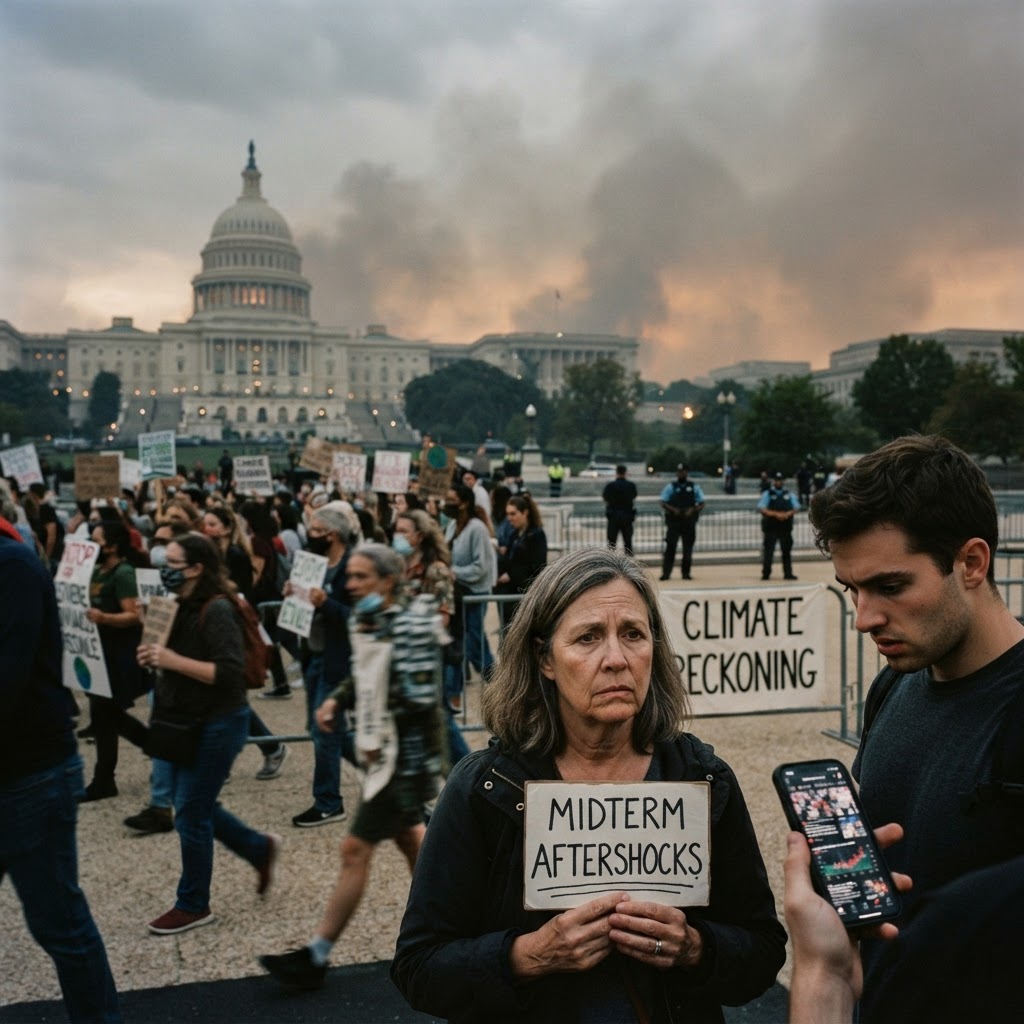
The Fracture Lines of 2026: Midterm Aftershocks, Climate Reckonings, and Algorithmic Anxiety
Global commentators and editorial pages are grappling with a trifecta of historic shifts: the political fallout of the US midterm elections, the governance limits laid bare by COP31, and the escalating moral panic over unregulated artificial intelligence.
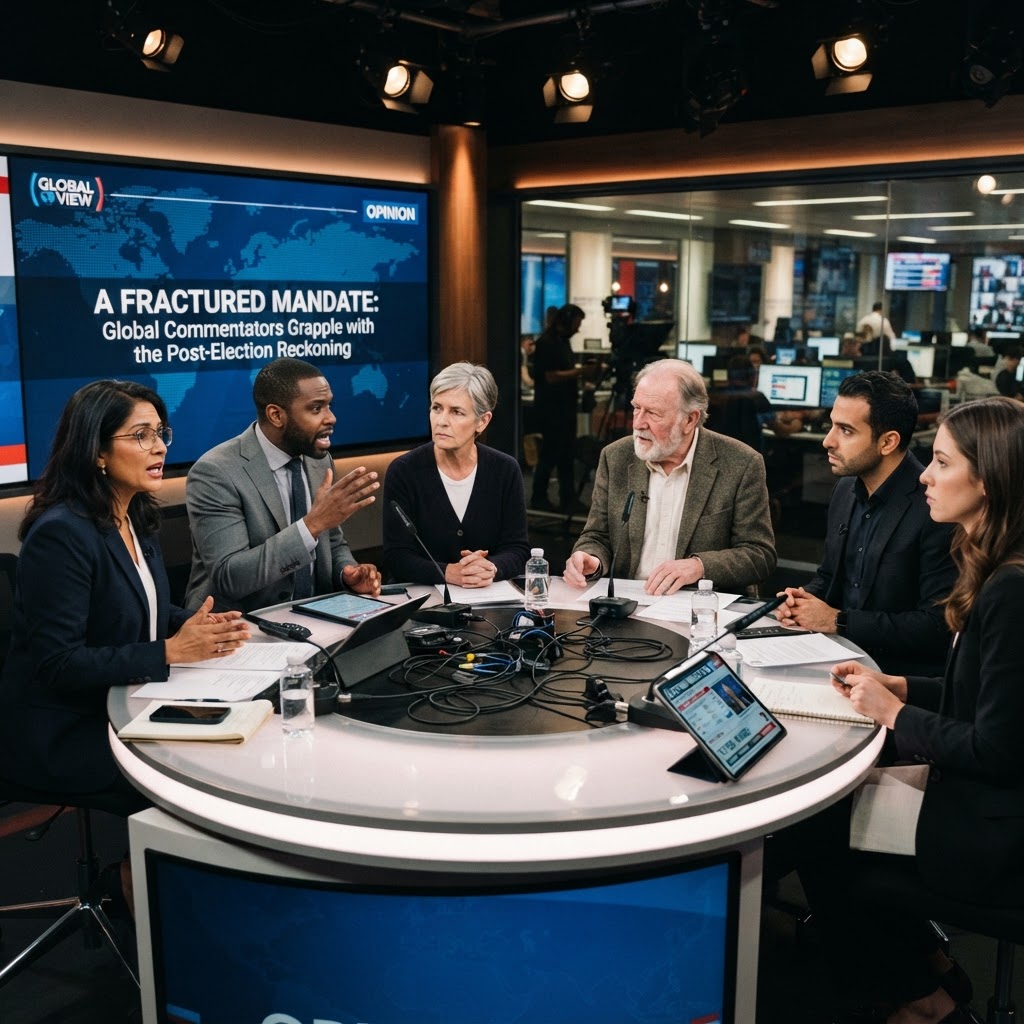
A Fractured Mandate: Global Commentators Grapple with the Post-Election Reckoning
Opinion pages across the world reflect a tense mixture of relief and deep-seated skepticism following a dramatic political shift in Washington. Analysts argue that while electoral repudiation reshapes domestic power, it does little to repair international trust or resolve escalating global friction.