Gridlock, Multipolarity, and Fragile Norms: Global Commentators Confront a Fractured Order
In the wake of sweeping midterm elections and escalating international tensions, political analysts and commentators across the globe are sounding alarms over looming governance paralysis and the breakdown of established multilateral rules.
A Watershed Moment in Democratic Governance
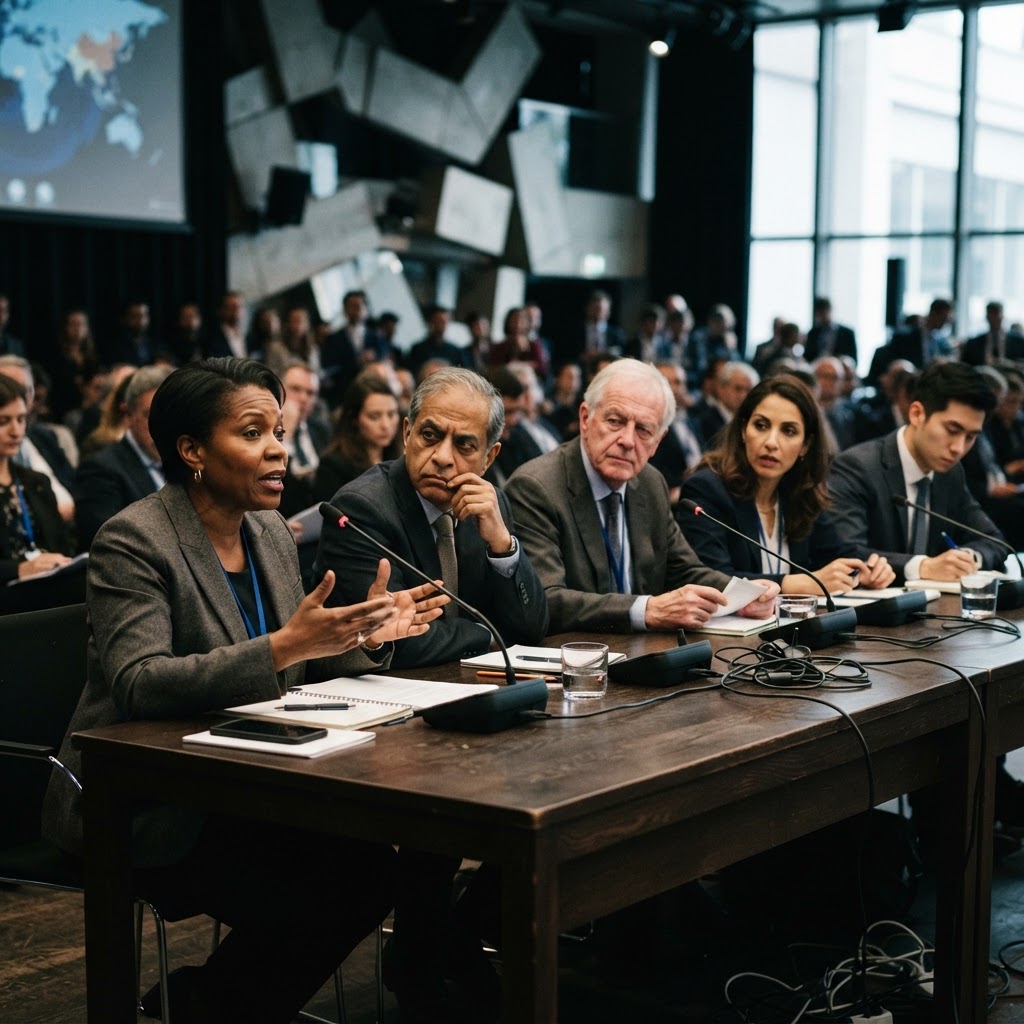
In commentary pages across the globe, editorialists and political observers are grappling with the profound repercussions of recent political shifts, dominated by the dramatic reshaping of the United States Congress and its cascading impact on world affairs. Following decisive legislative contests that altered the balance of power on Capitol Hill, analysts are assessing what this realignment means for executive oversight, domestic policy, and the trajectory of international diplomacy.
Contributors writing for international outlets such as Al Jazeera caution that while newly empowered legislative factions have arrived on waves of populist and reformist rhetoric, translating these electoral mandates into fundamental legislative change remains fraught with obstacles. Rather than an era of sweeping progressive policy transformations, seasoned commentators project an impending cycle of constitutional brinkmanship. With an entrenched executive prepared to wield the presidential veto and congressional majorities eager to exercise assertive investigative authority, governance in Washington is widely anticipated to enter a phase of systemic confrontation.
The Limits of Mandates and Foreign Policy Pressures
As political observers at The Las Vegas Sun and other regional and national publications have observed, divided government fundamentally alters the calculus of international engagement. While domestic voters often cast their ballots reflecting anxieties over healthcare infrastructure, economic security, and inflation, the foreign policy ramifications of legislative pushback are immediate. Analysts in outlets such as The Hindu Business Line note that international observers are already pricing in significant policy friction, pointing out that executive vetoes will likely frustrate domestic agendas while foreign commitments face heightened scrutiny.
This is especially true regarding the Middle East and ongoing strategic entanglements abroad. Commentators warn that even with substantial turnover in legislative bodies, longstanding diplomatic architecture and institutional party establishments rarely allow for overnight pivots. Deeply contentious topics, ranging from military aid packages to strategic alliance treaties, will now be fought across committee hearing rooms and appropriations battles, creating unpredictability for both allies and rivals navigating American commitments.
Navigating a "Might-Is-Right" Multipolar Reality
Beyond the borders of North America, opinion pages are focusing intently on broader structural cracks within the international legal architecture. Writing for regional consortia such as the Asia News Network, veteran diplomats and regional commentators describe a global arena increasingly governed by raw power dynamics rather than established norms. Terming the current era an emergent "might-is-right" world, thinkers like former ambassador Maleeha Lodhi emphasize that the steady erosion of international institutions has coincided with historic peaks in regional conflicts.
This sentiment is reflected in economic and geopolitical analyses that point out how mid-tier and emerging powers must navigate an uncompromising multipolar reality. Whether considering shifting allegiances across Latin America, evolving security frameworks in the Persian Gulf, or the mounting diplomatic responsibilities placed on coalitions of the Global South, columnists stress that multilateral pacts are struggling to contain unilateral actions by major players. As traditional security umbrellas fray, regional actors are increasingly pushed toward bilateral hedging, non-aggression arrangements, or defensive realignments.
Domestic Strains on Fundamental Freedoms
Critiques of state power are not confined to geopolitical maneuvers; they are also taking aim at the deteriorating health of civil society within individual nations. Leading regional editorials, including sharp commentaries highlighted by The Kathmandu Post, have vigorously raised alarms over government intimidation of the independent press. Denouncing newsroom raids, judicial harassment, and the detention of reporters, free-expression advocates maintain that no democracy can claim legitimacy while treating investigative journalism as an existential threat.
Parallel conversations in opinion journalism address civic erosion from institutional neglect. In Southeast Asia, commentators writing for the Philippine Daily Inquirer describe unfinished civic works and abandoned healthcare facilities as forms of systemic state failure, arguing that public cynicism deepens whenever basic services crumble under bureaucratic inertia. Meanwhile, social essays in publications such as J. Weekly explore the widening polarization within diaspora and cultural communities, where shared heritage is increasingly strained by ideological divisions and heightened cultural anxiety.
The Verdict of the Commentariat
Synthesizing the dominant themes traversing editorial boards today reveals a shared diagnosis of vulnerability. From Washington's looming legislative standoffs to the erosion of free expression in Asia and the fraying of international conflict guardrails, opinion writers are united less by ideology than by apprehension over institutional resilience. The consensus of today's commentariat suggests that global stability will not be restored by routine electoral cycles alone; rather, it hinges on whether democratic systems and international bodies can reconstruct trust before friction ossifies into permanent dysfunction.
Recommended for you
Similar to “Global Opinion”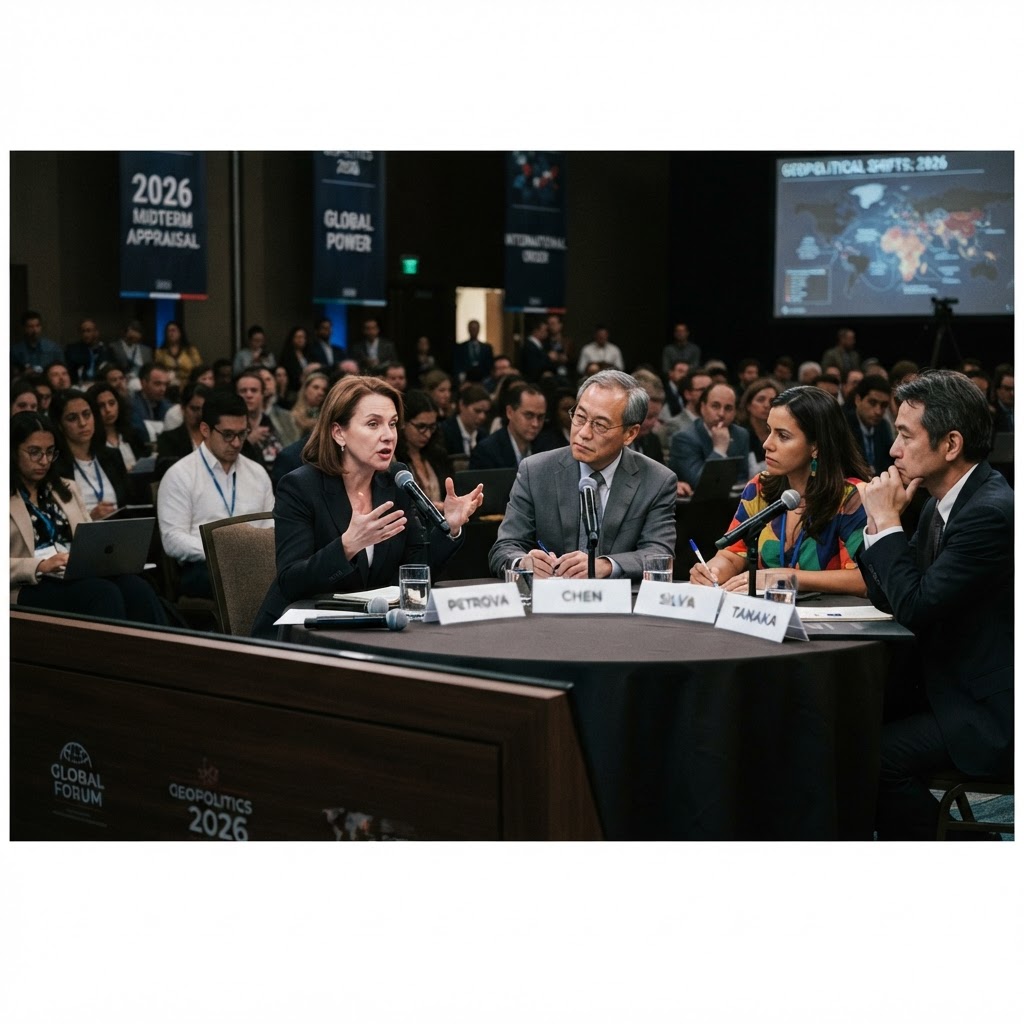
A Global Reset of Power: Commentators Appraise the 2026 Midterm Backlash and the Fragility of International Order
Opinion writers and geopolitical analysts across the world are dissecting the dramatic 2026 U.S. midterm turnover, probing whether a sweeping democratic verdict can truly mend fractured alliances and domestic governance.
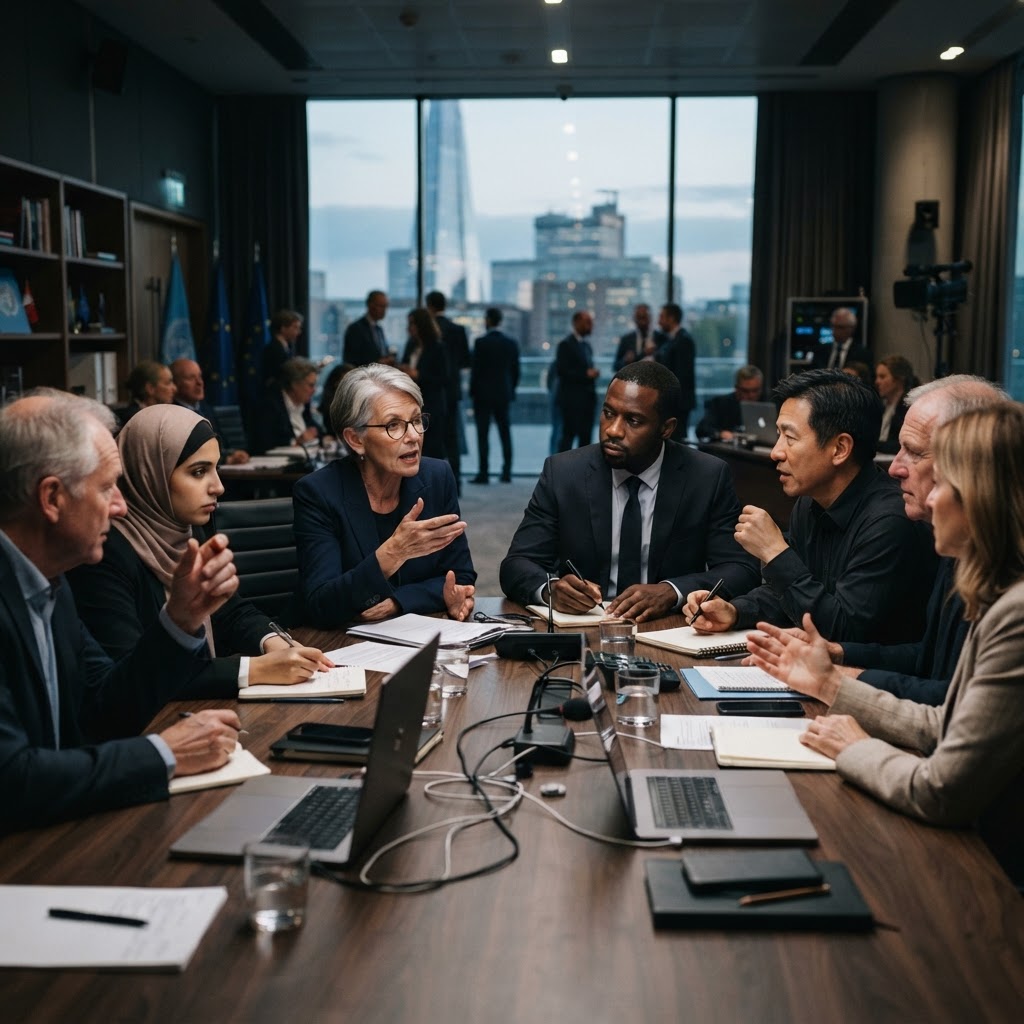
The Age of Fractured Certainty: Global Commentators Confront AI Governance and Geopolitical Drift
Across the international opinion landscape, commentators and strategic analysts are debating how emerging technological disruption, energy insecurity, and fragile multilateralism are reshaping global governance.
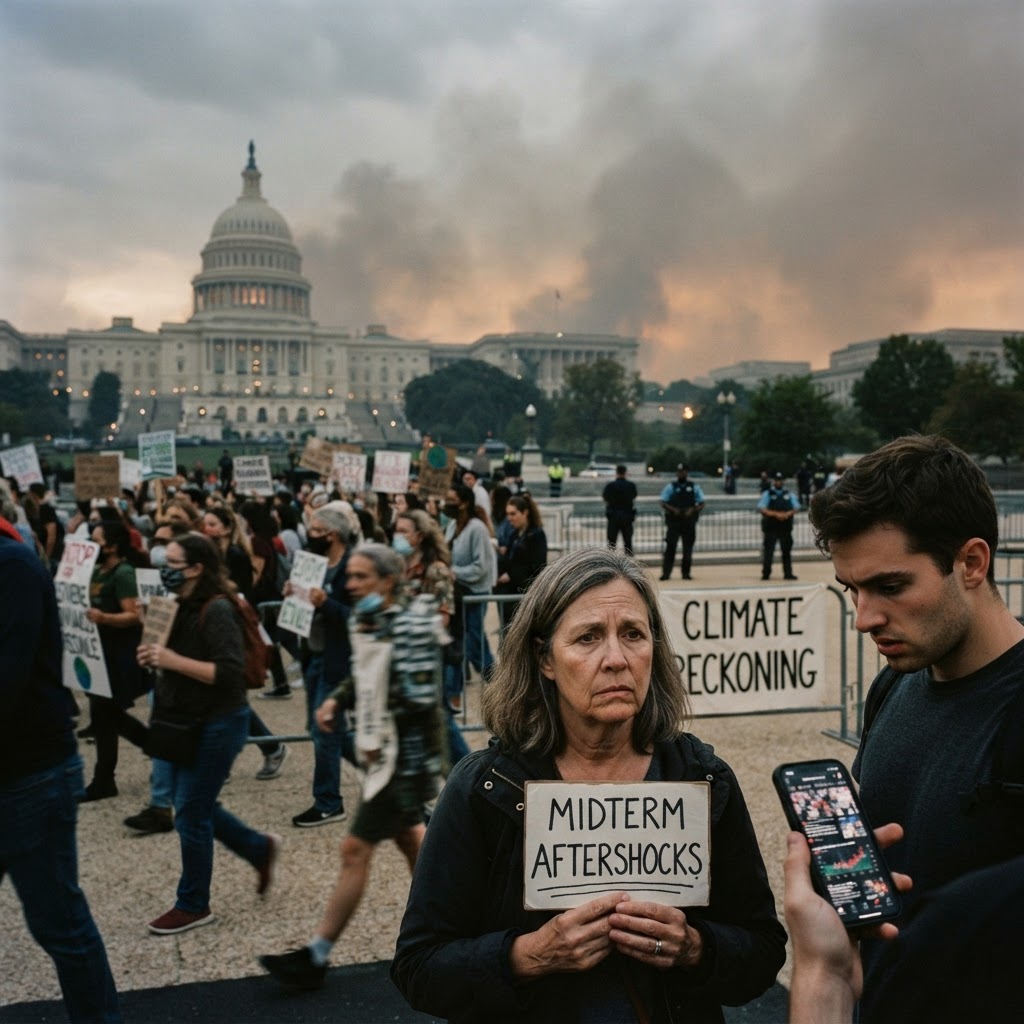
The Fracture Lines of 2026: Midterm Aftershocks, Climate Reckonings, and Algorithmic Anxiety
Global commentators and editorial pages are grappling with a trifecta of historic shifts: the political fallout of the US midterm elections, the governance limits laid bare by COP31, and the escalating moral panic over unregulated artificial intelligence.