Frontlines of Conservation: Biodiversity Fractures, Resource Clashes, and the Shifting Landscape of Global Environmental Law
As international conservation summits grapple with persistent funding deficits for protecting 30 percent of global ecosystems, localized battles over resource extraction, technological infrastructure, and Indigenous land sovereignty are fundamentally reshaping environmental governance.
The Strain on International Conservation and Treaty Frameworks
Global environmental diplomacy is confronting an increasingly acute dilemma: while multilateral declarations to halt ecological destruction expand in scope, the institutional mechanisms and capital required to execute them are falling short. According to reporting on environmental policy updates from Mongabay, recent high-level biodiversity negotiations, such as those surrounding the Kunming-Montreal Global Biodiversity Framework's '30x30' conservation target, concluded with glaring deficits in dedicated financing, particularly for vulnerable developing nations in Africa. At the same time, regional conservation compacts face deadlock; key international talks on extending marine protected areas and curbing commercial krill fishing in the Antarctic failed to reach consensus, leaving fragile Southern Ocean ecosystems exposed to industrial extraction.
This friction between targets and execution echoes broader vulnerabilities across international environmental law. Analyses from the International Institute for Sustainable Development emphasize that while landmarks such as the High Seas Biodiversity Treaty (BBNJ Agreement) have formalized legal protections for international waters, global treaty negotiations on persistent scourges—such as enforceable caps on virgin plastic production—frequently stall amid intense geopolitical divisions. With conventional international financing lagging, conservationists increasingly warn that unless global funding models are radically democratized and stabilized, sweeping conservation pledges risk becoming paper sanctuaries rather than resilient ecosystems.
The Collision Between Extractive Megaprojects and Indigenous Sovereignty
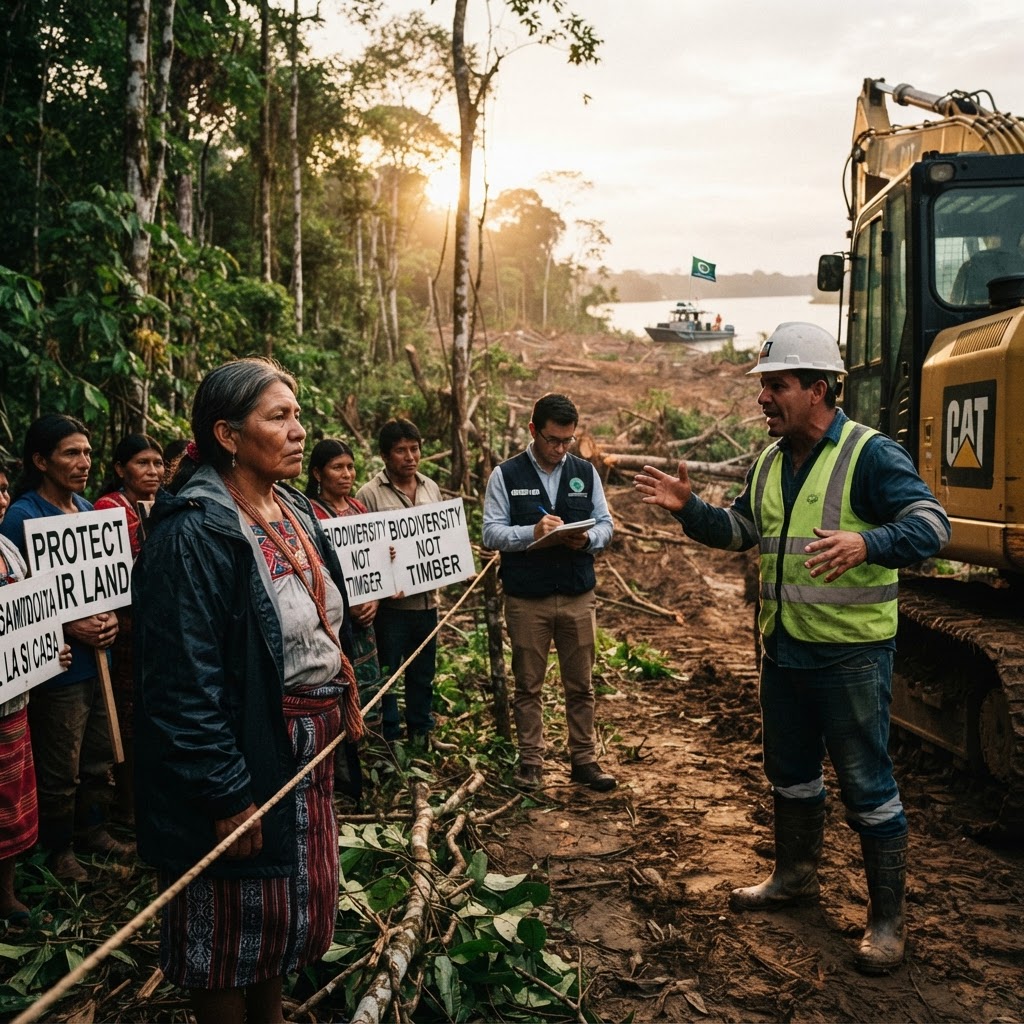
Beyond conference halls, the primary frontlines of conservation remain rooted in the soil of contested ancestral lands. The push for economic development, mineral expansion, and agricultural commodities continues to spark acute clashes with local communities. Across Latin America, environmental authorities and courts are being forced to intervene in severe ecological crises driven by legal and illicit exploitation. According to reporting on environmental law from Mongabay, Brazilian judicial authorities recently mandated the removal of commercial cattle ranchers encroaching upon territories occupied by Indigenous communities living in voluntary isolation in Mato Grosso, while wildcat gold-mining operations utilizing toxic cyanide separation ponds continue to contaminate headwaters within the Raposa Serra do Sol reserve in Roraima.
These confrontations highlight a systemic contradiction at the heart of the global green transition. Many of the minerals designated as critical for sustainable industrialization—ranging from lithium and nickel to agricultural potash—are located in biologically sensitive and culturally sacred regions. Indigenous leaders, such as Lucy Mulenkei of the International Indigenous Forum on Biodiversity, have consistently underscored that biodiversity targets cannot succeed without formally integrating Indigenous land stewards into executive decision-making bodies. Grassroots resistance led by women and marginalized communities across Asia, Africa, and the Amazon illustrates that community-led tenure rights remain the single most effective legal and ecological safeguard against unchecked deforestation and habitat degradation.
Infrastructure, Energy Demands, and the Evolution of Local Environmental Rulemaking
While global treaties command international headlines, the actual architecture of environmental regulation is increasingly being dictated at regional and municipal levels. In major industrialized economies, regional policymakers are reinterpreting their administrative mandates to address novel ecological pressures. As detailed in environmental policy insights from Beveridge & Diamond, state and local authorities across North America are increasingly using state permitting power, zoning ordinances, and utility oversight to establish binding safeguards where federal standards remain slow or contested.
A salient example is the rapid expansion of artificial intelligence and hyperscale computing infrastructure. The voracious appetite of data centers for baseload electricity and cooling water has spurred unprecedented regulatory responses. Several regional administrations, such as those in Pennsylvania and Texas, have moved to exclude data centers from expedited environmental reviews, conditioning new permits on strict water-recycling guarantees and independent energy procurement mandates. Simultaneously, municipal governments are pioneering local solar zoning laws and coastal resilience initiatives designed to fortify roads, rail corridors, and drinking water systems against intensifying climate disruptions.
A Fractured Paradigm: Decentralizing Ecological Protection
The contemporary environmental landscape is characterized by a marked departure from centralized, top-down governance. As multilateral processes face budgetary shortfalls and systemic geopolitical headwinds, the burden of preservation is shifting toward sub-national regulations, judicial enforcement, and Indigenous-led conservation coalitions. In marine reserves ranging from Pemba Island to community-managed Amazonian river basins, collaborative conservation designs that respect local livelihoods are proving far more resilient than rigid bureaucratic enclosures.
Ultimately, these converging developments signal that the future of planetary stewardship will not be determined solely by omnibus international communiqués. Instead, ecological survival hinges on the integration of legal accountability, fair conservation financing, and grassroots tenure rights—ensuring that those who live closest to the world’s most vulnerable ecosystems hold the legal and economic power to defend them.
Recommended for you
Similar to “Environment”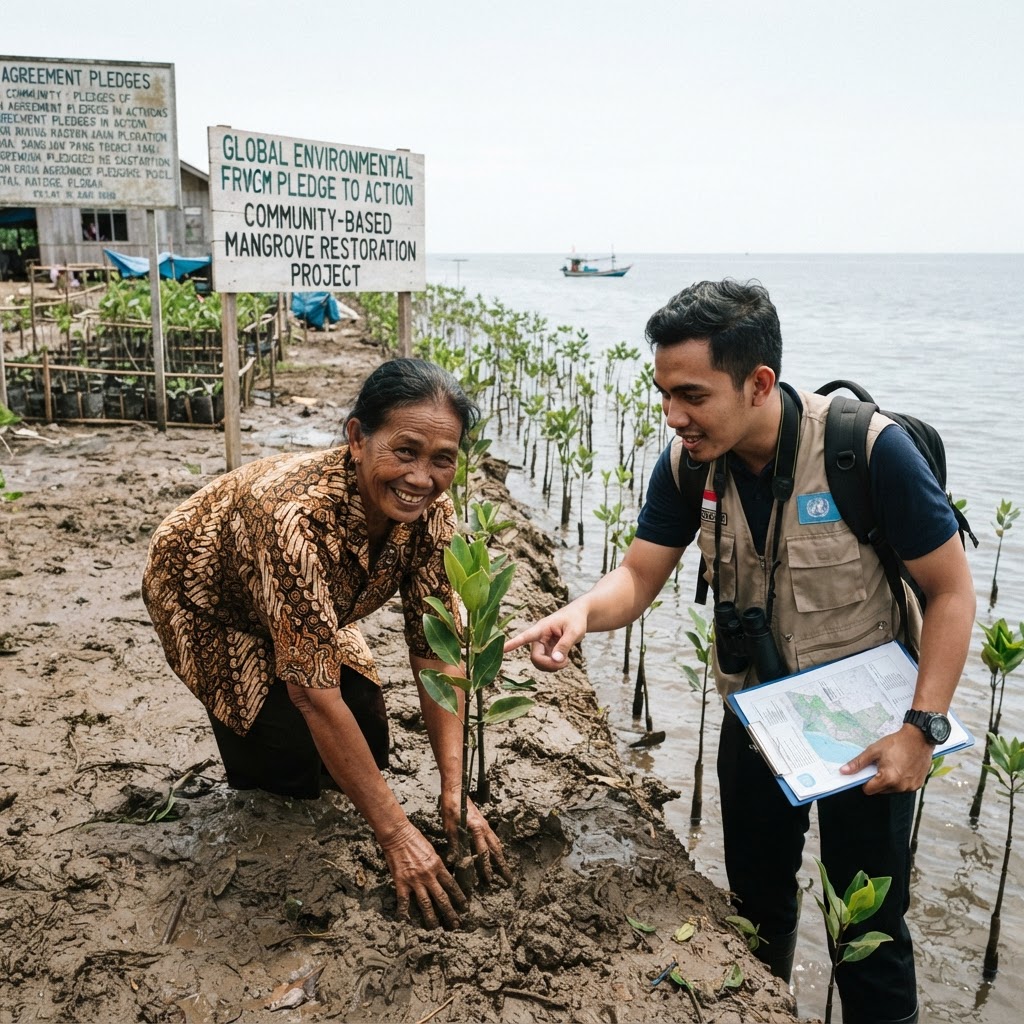
Bridging Paper Promises and Tangible Action: The Evolving Frontlines of Global Environmental Governance
As global average temperatures continue to challenge historic thresholds, international policymakers face rising scrutiny over conservation accountability, climate finance deficits, and enforcement across vulnerable ecosystems.
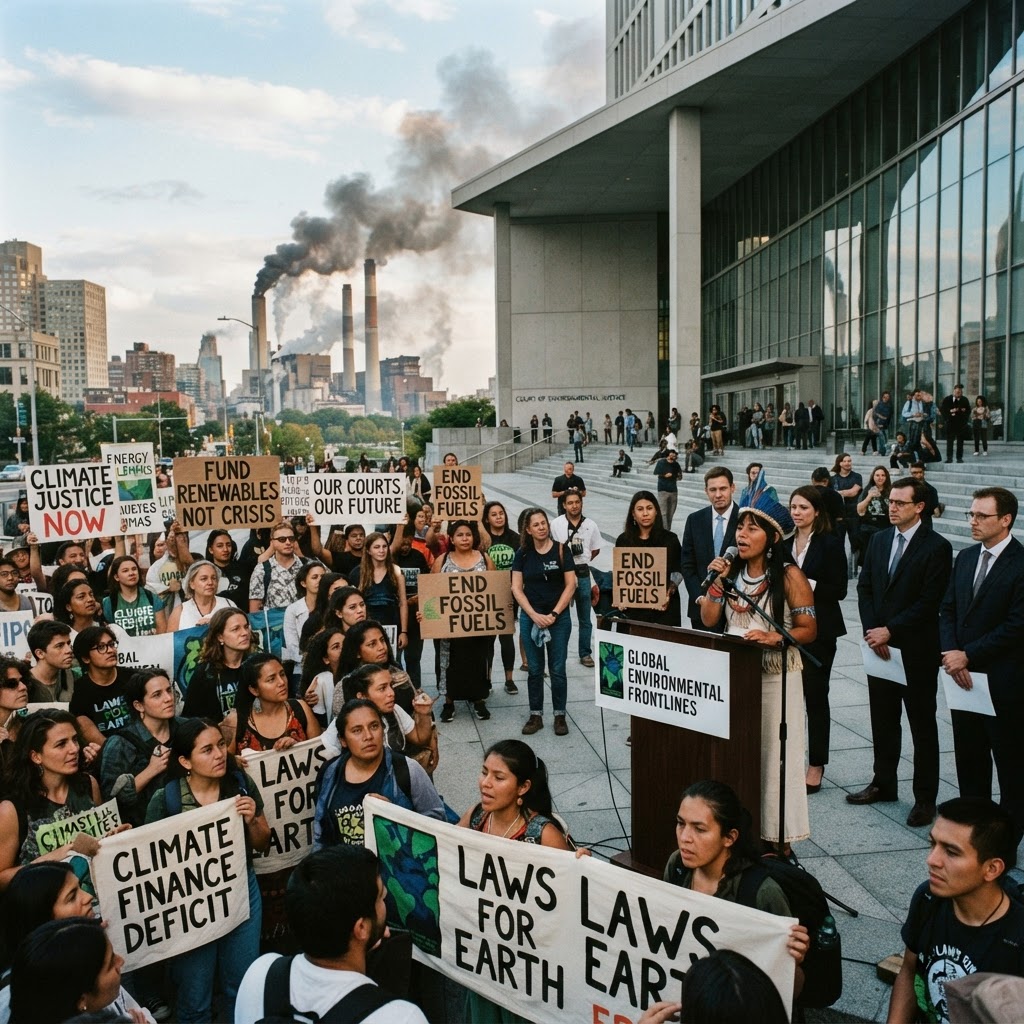
Global Environmental Frontlines: Finance Deficits, Energy Dilemmas, and the Rising Power of Climate Courts
As climate-fuelled weather extremes escalate worldwide, international efforts to confront ecological collapse face persistent funding shortfalls, uneven clean energy transitions, and an unprecedented surge in environmental litigation.
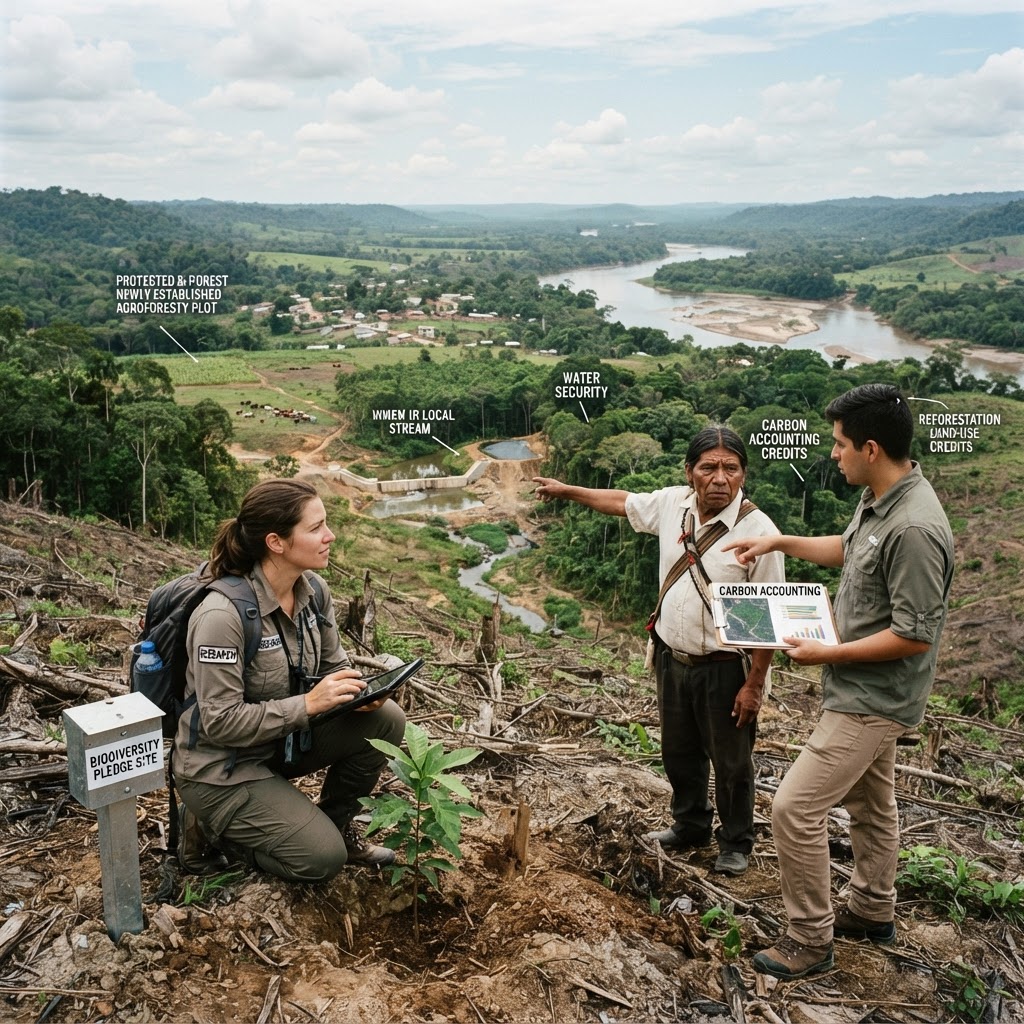
Global Environmental Frontlines: Biodiversity Pledges, Water Security, and Carbon Accounting Collide
As international delegates advocate for indigenous leadership and systemic water governance, new scientific milestones in underground carbon sequestration arrive alongside acute warnings of accelerating glacier loss and regional regulatory friction.