Global Environmental Frontlines: Biodiversity Pledges, Water Security, and Carbon Accounting Collide
As international delegates advocate for indigenous leadership and systemic water governance, new scientific milestones in underground carbon sequestration arrive alongside acute warnings of accelerating glacier loss and regional regulatory friction.
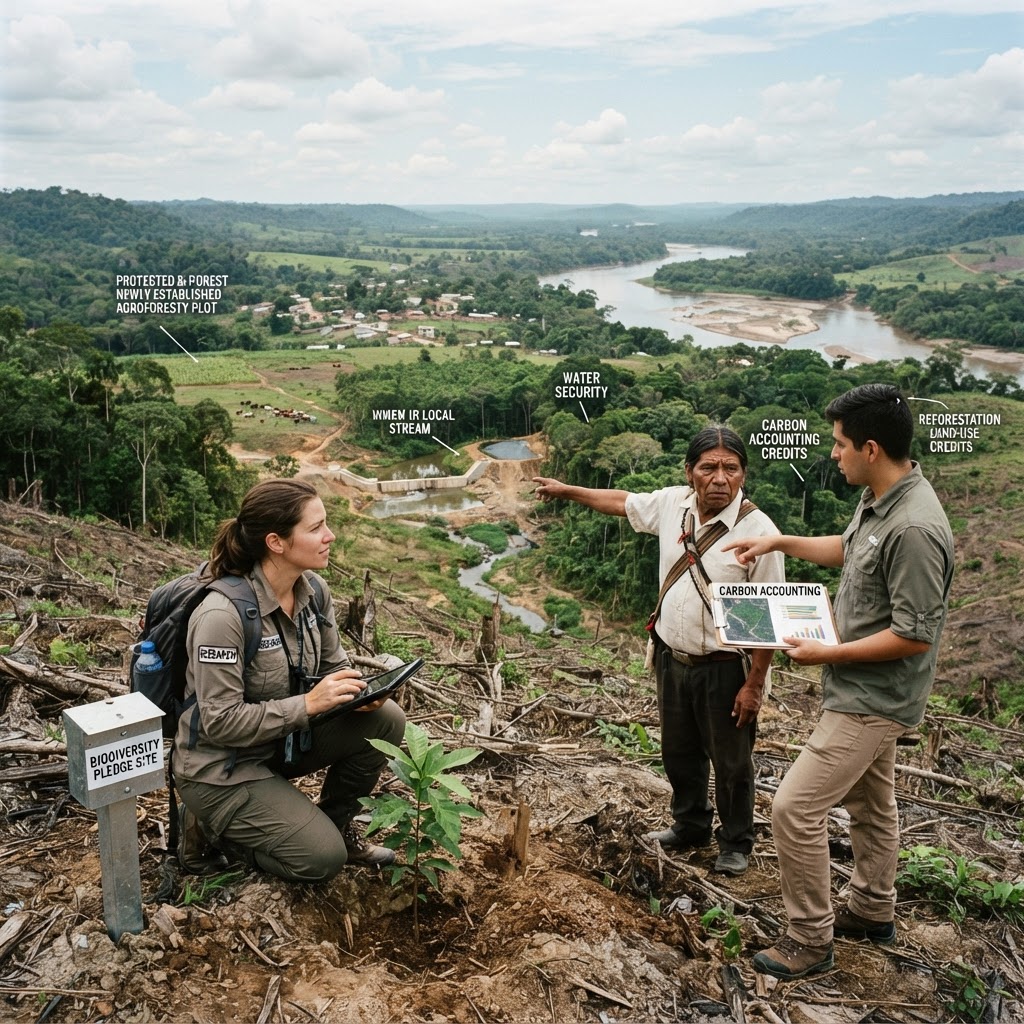
A Watershed Moment in Global Environmental Diplomacy
In recent days, the international environmental arena has witnessed an intensified convergence of policy breakthroughs, conservation milestones, and urgent scientific warnings. At the center of international conservation talks, indigenous leadership has secured a prominent voice at the negotiating table. High-level discussions under the United Nations Convention on Biological Diversity framework have spotlighted long-standing campaigns by indigenous coalitions to formalize their role in decision-making bodies. Advocates point out that traditional ecological knowledge must shift from advisory margins to binding executive roles if global targets on halting habitat loss are to be genuinely met. Concurrently, United Nations Environment Programme leadership has reiterated that conservation pledges cannot remain rhetorical aspirations; they require deep alignment with international public finance and economic incentives to turn biodiversity ambitions into measurable ground-level preservation.
Simultaneously, international attention has turned toward freshwater governance as the World Water Council and resource ministers met in North Africa to demand an entirely overhauled global water doctrine. Convening during Cairo Water Week, delegates emphasized that climate volatility, agricultural stress, and demographic growth are threatening freshwater aquifers at an unprecedented rate. Rather than treating water allocation as an isolated humanitarian or localized infrastructure issue, the council argued for a unified global water architecture capable of resolving transboundary tensions and protecting river basins across climate-stressed regions.
Breakthroughs in Deep Storage and the Reality of Mountain Retreat
Parallel to international diplomatic assemblies, earth science institutions have published consequential new data reflecting both technological advances and acute natural degradation. A recently unveiled global geological inventory confirmed that underground carbon dioxide sequestration achieved an all-time annual high of 43.6 million metric tons. This milestone highlights the expanding industrial scale of geological carbon capture, long viewed as a crucial tool for neutralizing hard-to-abate sector emissions. Nevertheless, researchers caution that even record-breaking subsurface storage figures remain a modest slice of aggregate planetary greenhouse gas emissions, underscoring that capture techniques must accompany, rather than substitute, direct emission reductions.
Contrasting sharply with technical carbon gains, alpine cryosphere monitoring in North America delivered sober findings. Field observations reveal that mountain glaciers in Colorado underwent severe thinning over the recent warm season, driven by historic troughs in winter snowfall and sustained heat waves. Because high-altitude ice packs serve as natural storage reservoirs that feed downstream river basins through late summer, accelerated ablation threatens alpine biodiversity and strains downstream municipal water security across agricultural and metropolitan centers.
Subnational Ambition and Policy Fragmentation
The operational landscape of climate governance is experiencing stark divergence, particularly across industrialized economies balancing clean energy transition mandates with energy security pressures. While national policy swings in major producing countries risk rollbacks on emission oversight, subnational authorities are taking decisive regulatory action. Colorado became a key bellwether by adopting stringent direct leak detection, repair, and pneumatic equipment phase-outs for oil and gas infrastructure, explicitly targeting methane, a short-lived greenhouse gas responsible for nearly a third of contemporary warming. Significantly, the state's framework covers low-producing well pads, which recent orbital satellite monitoring identified as disproportionately heavy contributors to fugitive methane pollution despite generating minimal energy output.
This aggressive subnational mandate contrasts with federal-level regulatory realignments, where litigation between administrative agencies and public health coalitions continues over clean air enforcement and National Environmental Policy Act procedures. The friction exposes an emerging reality for international observers: global environmental regulation is increasingly polycentric, characterized by regional jurisdictions, municipal leaders, and civil society groups advancing decarbonization while centralized apparatuses remain vulnerable to regulatory stalemates.
Expanding Frontiers of Conservation
Beyond traditional focuses on forests and charismatic fauna, conservation biology is expanding its scope to include ecological foundations that were historically neglected. Global conservation alliances have introduced inaugural international preservation strategies specifically dedicated to fungi and microscopic subterranean networks. Mycological research in tropical habitats, such as Indonesia's protected national parks, is demonstrating that fungal biodiversity is foundational to soil fertility, carbon cycling, and forest regeneration. Protecting these beneath-the-surface organisms represents a vital evolution toward holistic ecosystem preservation.
Whether in the subterranean networks of tropical soil, the ice fields of mountain summits, or the diplomatic chambers where indigenous rights and water security are contested, the past several days illustrate an interconnected planetary agenda. As ecological thresholds approach, the world faces a dual test: deploying scalable technologies to manage industrial emissions while structurally reforming governance frameworks to protect biological and hydrological life-support systems.
Recommended for you
Similar to “Environment”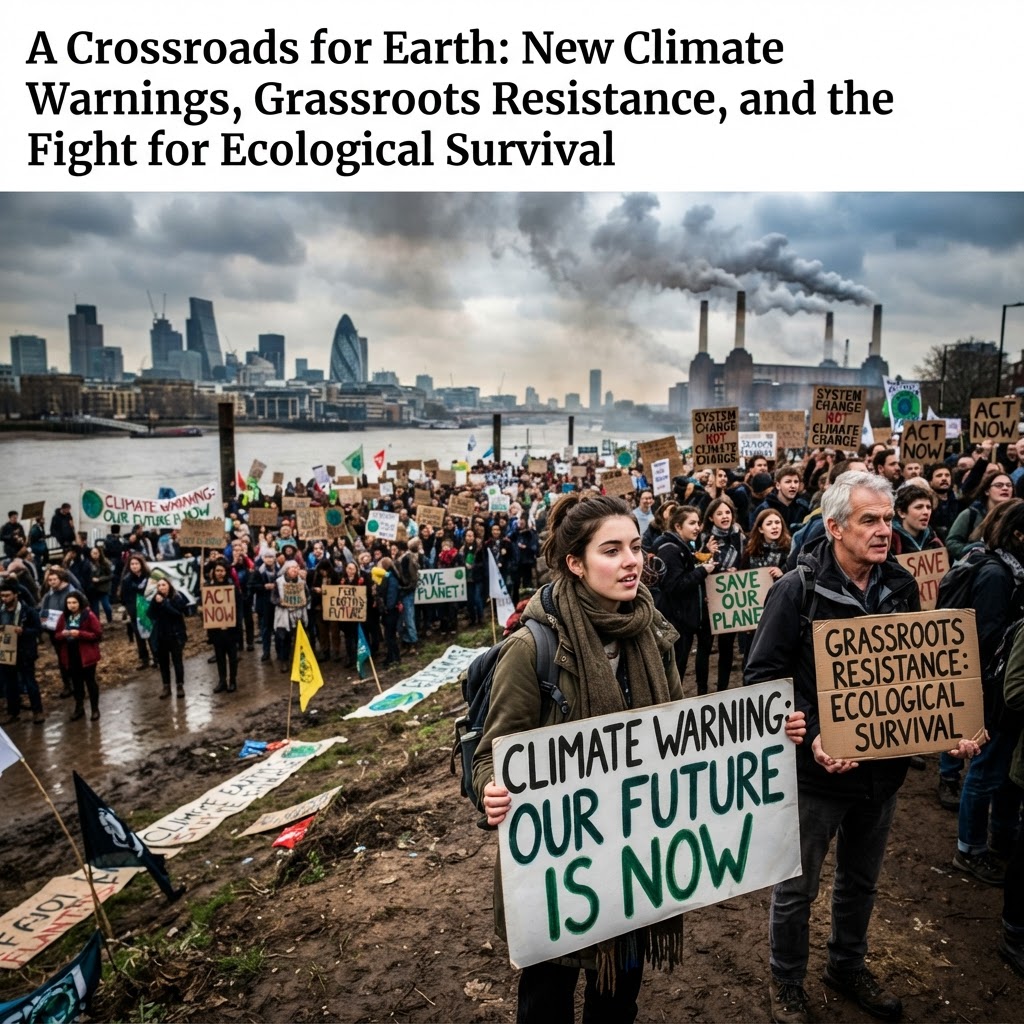
A Crossroads for Earth: New Climate Warnings, Grassroots Resistance, and the Fight for Ecological Survival
Recent scientific studies warn of accelerating atmospheric hazards and unprecedented heatwaves, while legal battles and Indigenous leadership redefine global environmental governance.
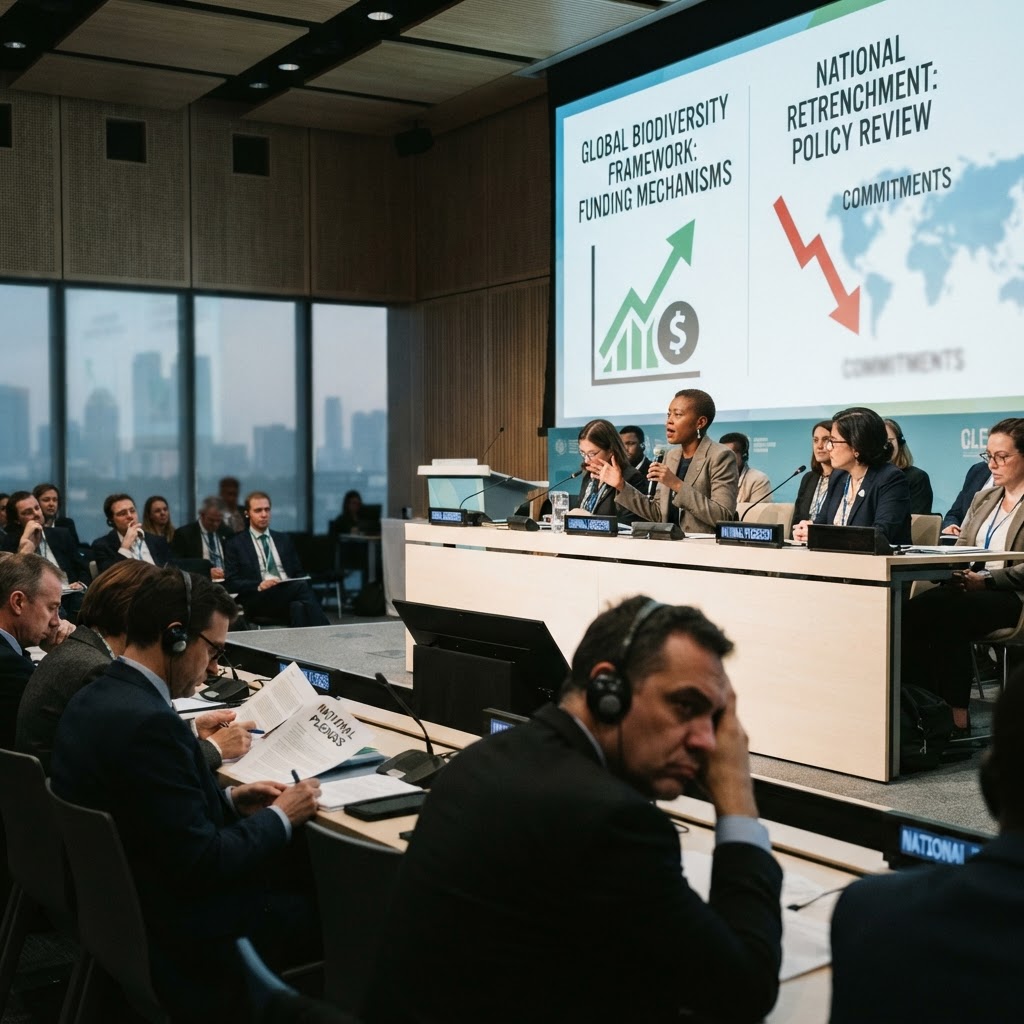
Global Biodiversity and Climate Policy at a Crossroads: Breakthroughs in Finance Clash with National Retrenchment
As international delegates mobilize landmark conservation capital and demand robust nature protections, widening regulatory rollbacks and legislative friction across major economies threaten the coherence of global environmental governance.
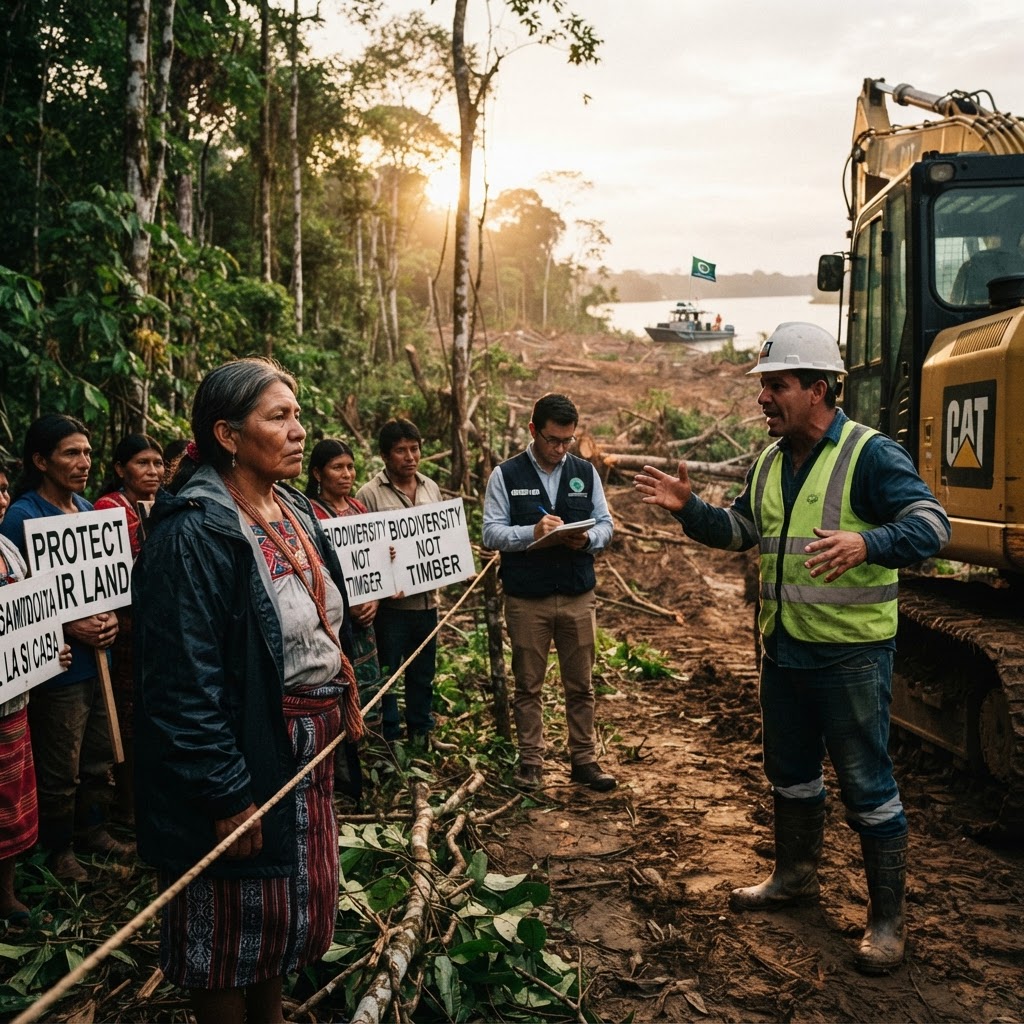
Frontlines of Conservation: Biodiversity Fractures, Resource Clashes, and the Shifting Landscape of Global Environmental Law
As international conservation summits grapple with persistent funding deficits for protecting 30 percent of global ecosystems, localized battles over resource extraction, technological infrastructure, and Indigenous land sovereignty are fundamentally reshaping environmental governance.