Global Environmental Frontlines: Finance Deficits, Energy Dilemmas, and the Rising Power of Climate Courts
As climate-fuelled weather extremes escalate worldwide, international efforts to confront ecological collapse face persistent funding shortfalls, uneven clean energy transitions, and an unprecedented surge in environmental litigation.
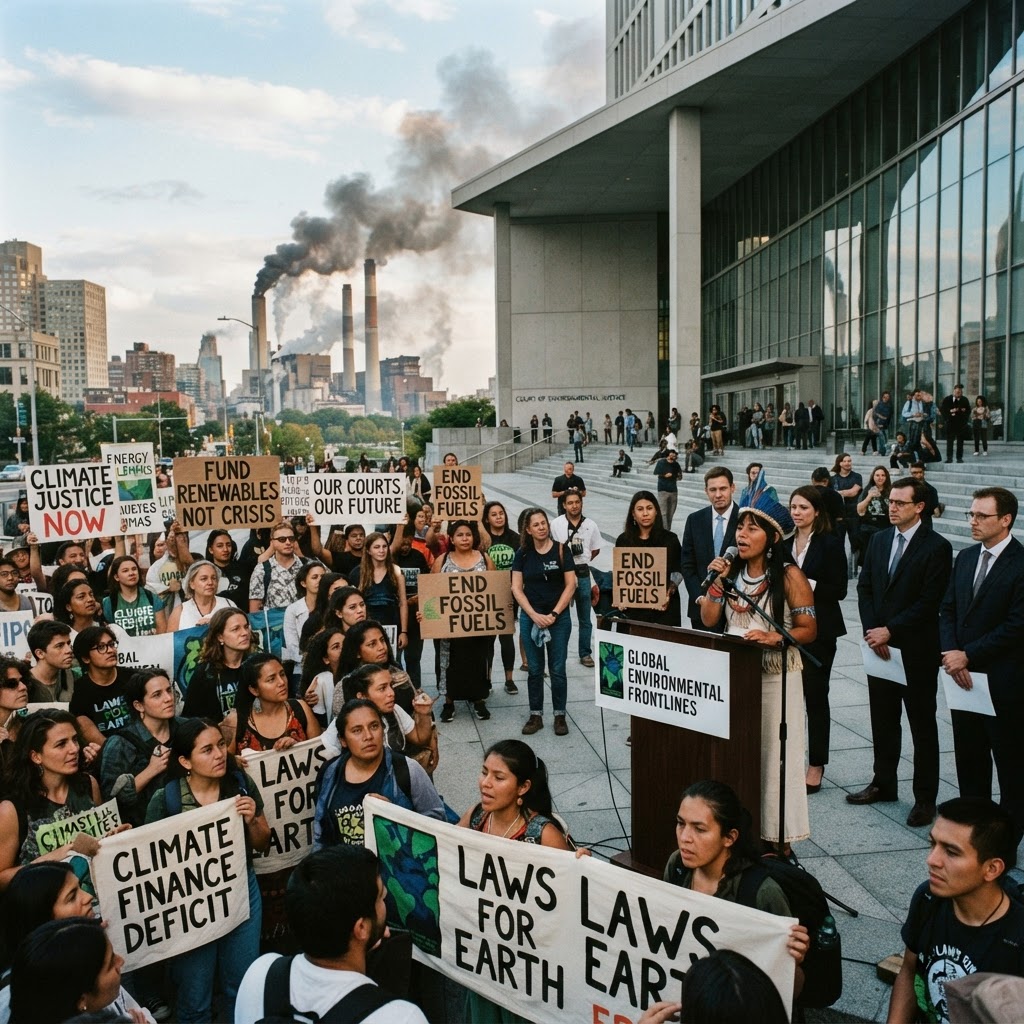
A World of Intensifying Extremes and Fragmented Action
From the warming heights of high-altitude cryospheres to ocean expanses absorbing record heat, the planet continues to endure escalating environmental pressures. Meteorological assessments, including findings synthesized by the World Meteorological Organization, consistently document how anthropogenic heating amplifies severe weather anomalies, adding weeks of extreme heat across vulnerable continents and supercharging tropical systems with catastrophic consequences. Against this backdrop, the global environmental community finds itself caught between technological momentum in clean power and a chronic implementation deficit across international policy, ecological finance, and resource governance.
The Widening Adaptation and Finance Divide
International environmental negotiations have made high-profile headlines, notably through multilateral frameworks seeking to overhaul development assistance and disaster relief. Milestones such as the New Collective Quantified Goal on Climate Finance establish ambitions to direct hundreds of billions of dollars annually to developing nations. Yet assessments by bodies like the United Nations Environment Programme illustrate a profound structural imbalance: international public adaptation funding remains a fraction of what vulnerable communities actually require to guard against floods, coastal inundation, and agricultural collapse.
Even ambitious political targets to triple adaptation finance by the mid-2030s are projected to cover less than a third of estimated developing-country requirements, leaving a deficit that imperils island states and arid regions. While institutional leaders point to record carbon pricing revenues exceeding $100 billion worldwide as evidence of expanding market-based instruments, frontline governments emphasize that grant-based, loss-mitigating liquidity remains severely constrained.
Energy Transition: Solar Advances Against Stubborn Extraction
On the mitigation front, the transition toward non-fossil power systems presents stark contrasts. Analytical bodies such as the International Energy Agency highlight significant acceleration in photovoltaic solar deployment and electrification, buoyed by declining manufacturing costs and supportive industrial frameworks across dozens of nations. The symbolic retirement of legacy coal generation in pioneer industrial economies signals that clean alternatives are increasingly viable for baseline grids.
Nevertheless, independent assessments from organizations like the World Resources Institute demonstrate that the broader commitment to transition away from fossil fuels remains off-course. Global annual gains in energy efficiency hover around half the pace needed to align with international stabilization benchmarks. More critically, global licensing for petroleum and gas exploration continues to add billions of tons of potential carbon liabilities, highlighting a persistent disconnect between diplomatic pronouncements and commercial realities on the ground.
The Courtroom as the New Arena of Accountability
Frustrated by bureaucratic inertia and regulatory delays, civil society, subnational coalitions, and indigenous communities are increasingly turning to judicial benches. Legal databases maintained by institutions such as Columbia University's Sabin Center for Climate Change Law reveal that thousands of climate-related lawsuits have now been filed across dozens of national and international jurisdictions.
Litigation has evolved well beyond symbolic protests into precision legal strategy. Armed with peer-reviewed attribution science that links specific weather catastrophes directly to industrial emissions, claimants are challenging greenwashing campaigns, questioning the environmental footprints of emerging energy-intensive computing infrastructure, and demanding enforcement of statutory constitutional rights to a healthy environment. By securing judicial mandates that compel administrative bodies to defend ecological stability as a legal duty, plaintiffs are transforming environmental jurisprudence from an advisory domain into a potent mechanism of state and corporate oversight.
Biodiversity Governance and Cross-Border Dilemmas
Efforts to halt terrestrial and marine degradation reflect similar tensions between regulatory ambition and economic resistance. Policy frameworks aimed at curbing international deforestation import footprints face intense pushback from agricultural exporters and industrial lobbies, forcing administrative bodies to struggle with compliance timelines and supplier verifications. Simultaneously, municipal and subnational initiatives are experimenting with nature-based urban resilience projects, large-scale ecosystem restoration, and tighter statutory controls over toxic substances like persistent chemical pollutants.
Ultimately, the current environmental trajectory illustrates a critical juncture. While institutional awareness, clean technology capacity, and judicial accountability have reached historic heights, structural finance bottlenecks and ongoing fossil reliance continue to delay comprehensive planetary recovery. Closing this divergence requires moving past broad aspirational declarations toward enforceable, fully financed environmental protections.
Recommended for you
Similar to “Environment”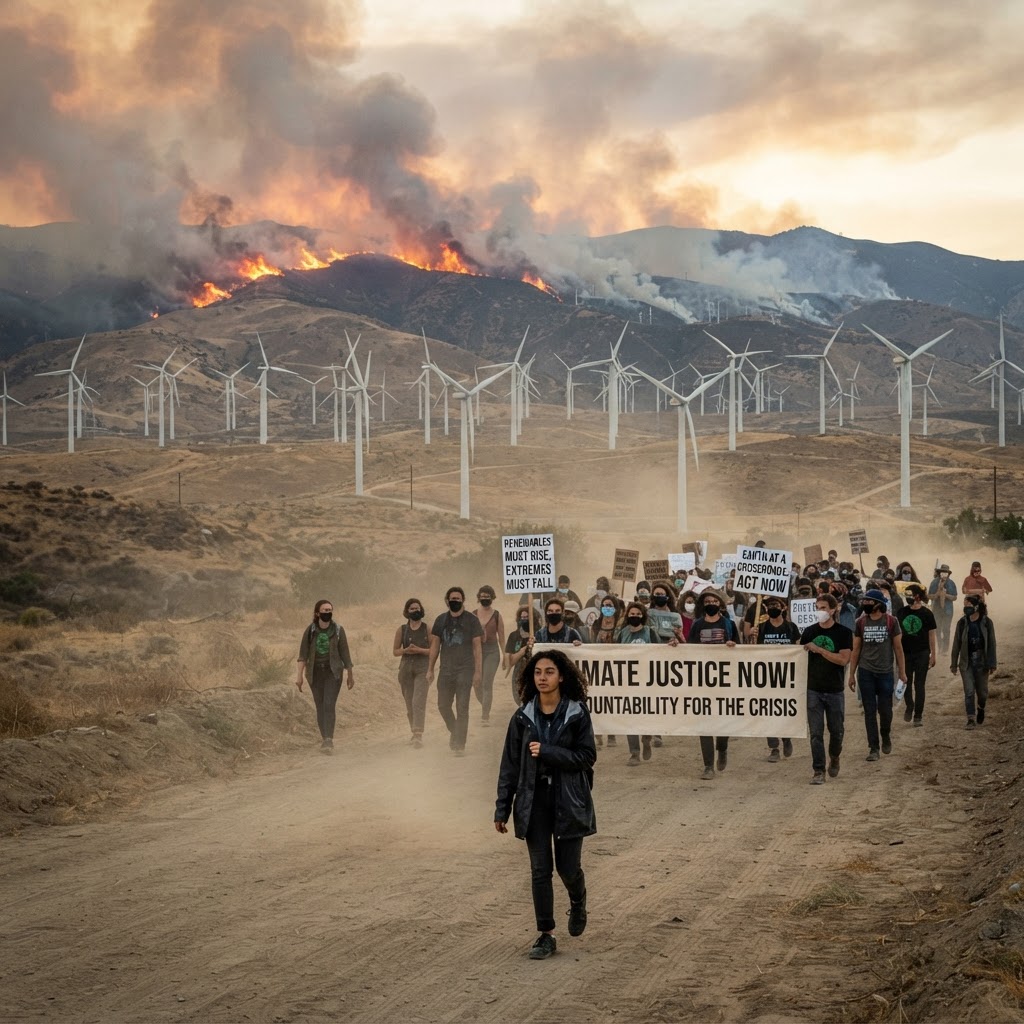
A Crossroads for Earth: Escalating Climate Extremes Collide with Renewable Ambitions and Legal Accountability
As global average temperatures touch historic thresholds and ecosystem indicators flash red, international environmental efforts are being defined by landmark climate litigation, clean-energy records, and fierce debates over conservation funding.

Bridging Paper Promises and Tangible Action: The Evolving Frontlines of Global Environmental Governance
As global average temperatures continue to challenge historic thresholds, international policymakers face rising scrutiny over conservation accountability, climate finance deficits, and enforcement across vulnerable ecosystems.
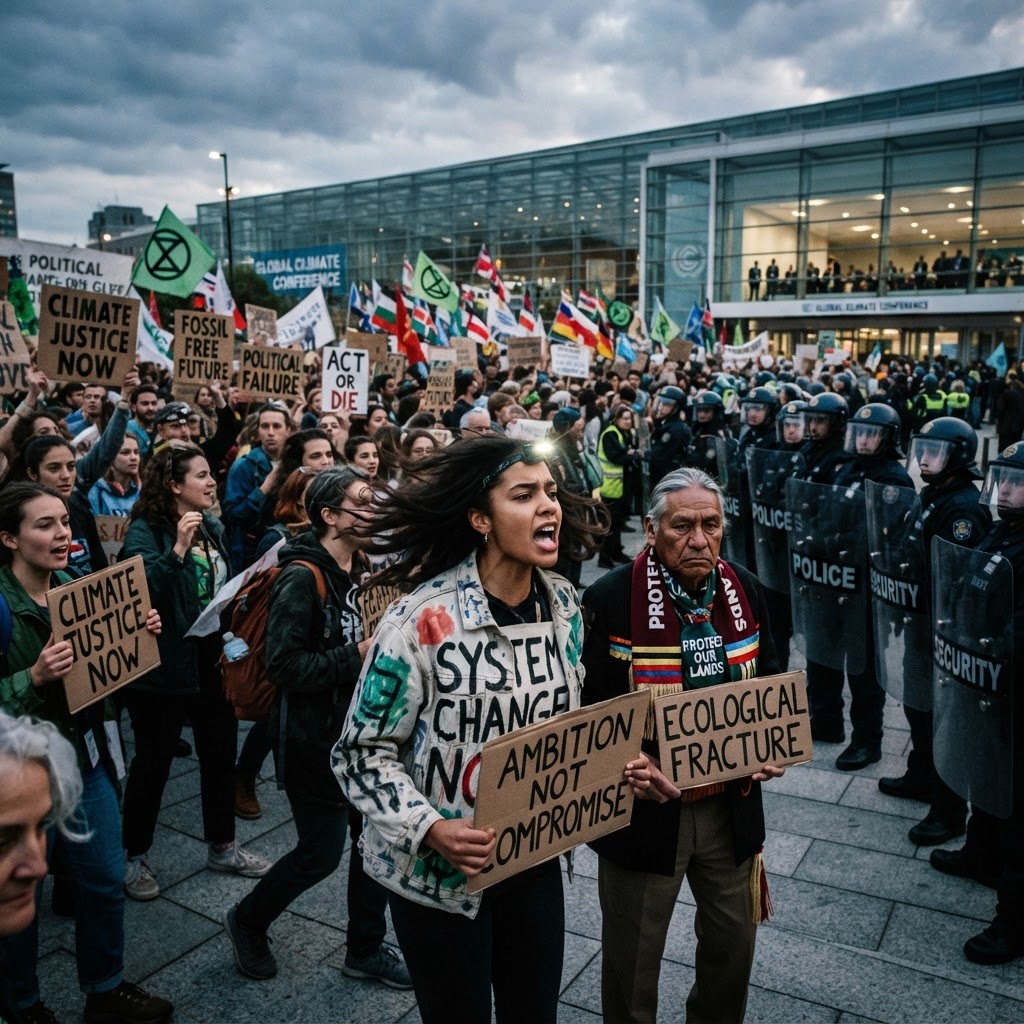
Between Ambition and Backlash: Global Climate Efforts Confront Deepening Political and Ecological Fractures
Even as scientific evidence highlights escalating climate risks and regional vulnerabilities, international policy and domestic environmental governance face mounting legal disputes and shifting political headwinds.