Global Culture Enters a Transformative Epoch: Navigating Soft Power, Technological Disruption, and Grassroots Resilience
From the halls of international governance to dynamic grassroots festivals, the global cultural sphere is redefining its economic and artistic frontiers amid digital disruption and shifting institutional support.
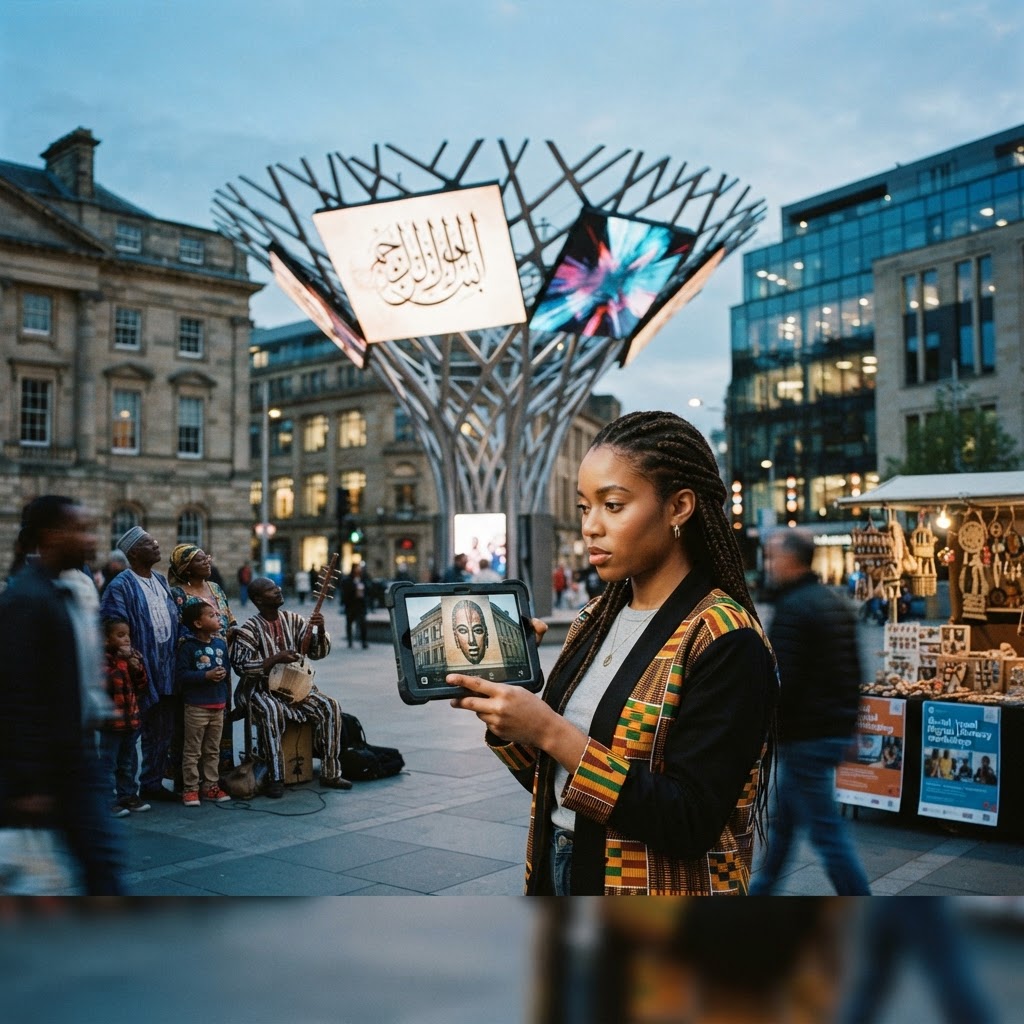
The Shifting Frontiers of Global Cultural Capital
In contemporary cultural discourse, national identity and international influence have become inextricably bound to creative output. Across continents, nations and global institutions are treating cultural production not merely as aesthetic leisure, but as a critical lever of economic resilience and civic diplomacy. Groundbreaking movements in multilateral governance, highlighted by policy frameworks and dedicated funding, reflect an evolving worldview: artistic vitality is increasingly deemed as vital as technological and physical infrastructure. As international organizations rally behind the strategic importance of creative economies—demonstrated by initiatives like the United Nations designating an upcoming decade dedicated to culture in sustainable development—governments and communities worldwide are re-evaluating how their distinct heritages are preserved, shared, and valued on the world stage.
Sovereignty, Digital Disruption, and the AI Challenge
One of the most consequential battlegrounds for culture today lies at the crossroads of intellectual property and technological acceleration. Emerging creative industries across regions such as the Caribbean and Latin America are increasingly reckoning with the balance between international popularity and local sovereignty. In legislative chambers and creative roundtables, such as parliamentary debates supported by UNESCO on national creative policies in Jamaica, cultural leaders have raised urgent questions regarding artificial intelligence. The rapid training of large AI models on local cultural artifacts, music, and vernacular languages presents critical dilemmas over licensing, compensation, and cultural ownership. Leaders are emphasizing the necessity for creators to retain tangible equity in an interconnected, algorithmic marketplace, ensuring that global transmission—a phenomenon often described as localized mondialization—empowers original heritage rather than commodifying it without reciprocity.
Aesthetic Powerhouses and Changing Creative Economies
Meanwhile, established cultural powerhouses are witnessing profound structural transitions within their industries. The phenomenal rise of the Korean Wave, often analyzed as an archetype of deliberate national cultural policy intertwined with private enterprise, faces shifting commercial tides. As cultural expenditure and public investment reach record highs to sustain creative momentum, traditional models such as physical album consumption and domestic theatrical box-office revenues are shifting toward international platforms and decentralized digital models. This evolution underscores a broader dilemma confronting cultural institutions worldwide: while global demand for diverse, authentic stories remains resilient, dependency on foreign distribution and external intellectual property pipelines complicates the long-term sustainability of local artistic ecosystems.
The Symbiosis of Corporate Patronage and Grassroots Expressions
Parallel to high-level policy maneuvers, the grass roots and major institutional patrons are finding common ground through localized interventions. Major philanthropic vehicles, such as global culture funds established by luxury houses and independent non-profits, are seeking to elevate diverse creators and underrepresented voices through fellowships and museum partnerships across major metropolises. Simultaneously, community-anchored traditions continue to assert their vital role in public life. From landmark literary recognitions to historical carnival preparations like Cape Town's Klopse minstrel parades and record-breaking public installations during traditional festivities in Latin America, communities are reasserting traditional customs against homogenizing modern forces. These grassroots gatherings demonstrate that regardless of institutional trends, culture thrives primarily as a shared, living human practice that binds disparate communities together across generations.
Recommended for you
Similar to “Culture”
Global Culture Navigates Legacy, Innovation, and Digital Upheaval
From groundbreaking cinematic milestones and reimagined stage traditions in East Asia to intense debates over technological disruption and international heritage policy, the global cultural sphere is confronting a dynamic era of reinvention.
A Global Cultural Crossroads: Between Heritage Revival and Structural Turmoil
From West Africa's vibrant fashion runways to shifting arts tourism and economic strain on classical stages, the global cultural sphere is redefining how traditions survive in a digital age.
Global Culture at a Crossroads: Heritage Preservation, AI Disruption, and Inclusive Rebirth
Around the world, cultural policymakers, artists, and institutions are navigating shifting paradigms—from international mandates defending creative heritage against technological disruption to boundary-breaking exhibitions and regional performing arts showcases.