Crossroads of Culture: Heritage Battles, Literary Diplomacy, and Digital Milestones
Recent cultural developments highlight a global landscape navigating the friction between national heritage disputes, shifting publishing dynamics, and record-breaking digital arts consumption.
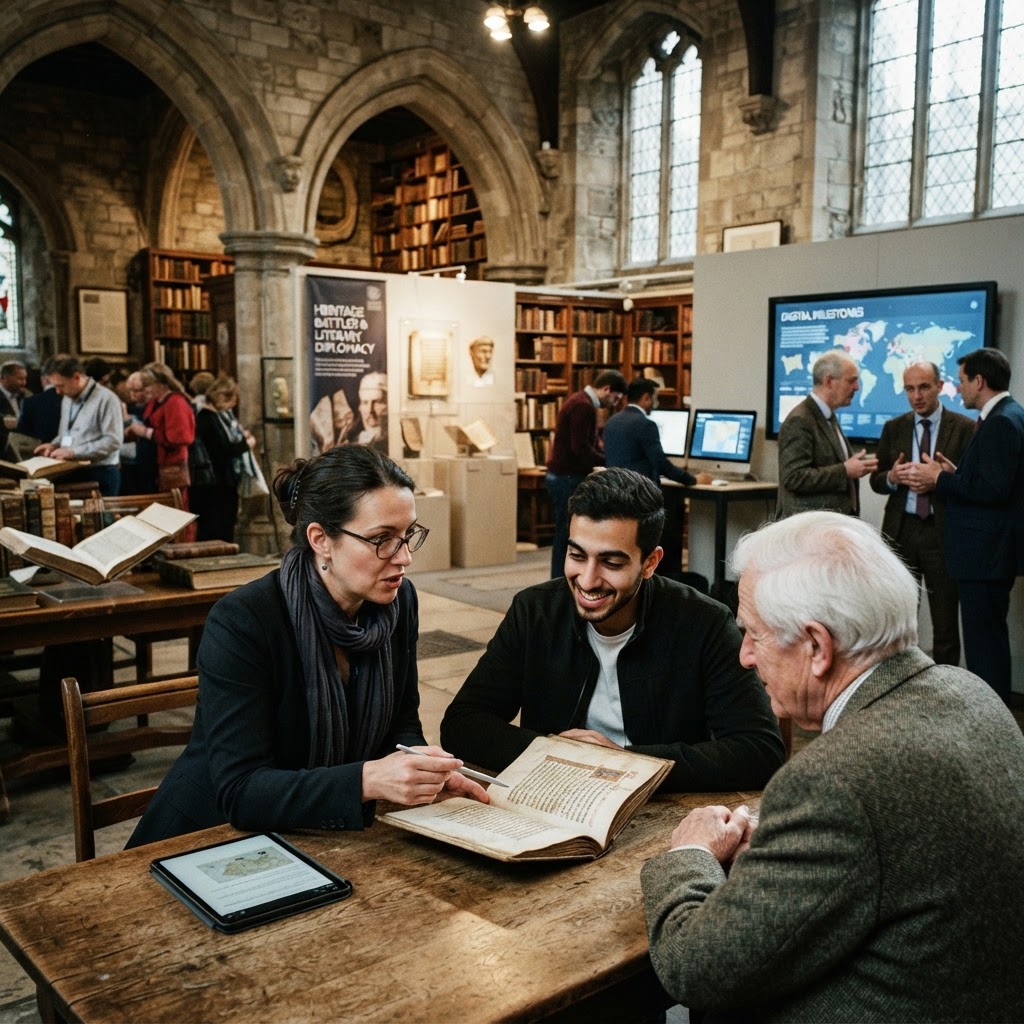
The Geopolitics of Heritage and Restitution
Cultural heritage has increasingly emerged at the forefront of international diplomacy, reflecting deep-seated reckonings over artistic ownership, sovereignty, and historical restitution. At recent European cultural summits, dialogues surrounding contested antiquities have reignited sharp debates, as reported by Euronews. Political figures have reiterated strong stances regarding national treasures, asserting that nations should not have to 'borrow' relics that were displaced during periods of conflict or colonial dominance. Simultaneously, cross-border cooperation is demonstrating that shared heritage agreements remain viable pathways forward. Bilateral exchanges of regional artifacts underscore that historic grievances can be reconciled through structured cultural exhibitions, even while larger disputes over prominent masterworks remain unresolved.
Publishing and the Changing Literary Landscape
In the publishing industry, international fairs and modern socio-political realities are fundamentally reshaping author-reader dynamics. At major gatherings such as the Frankfurt Book Fair, literature has served as a conduit for cross-regional connection, providing writers from previously marginalized linguistic traditions renewed visibility across global markets, according to The National News. These platforms have facilitated translations and licensing deals extending from the Middle East to Latin America and Eastern Europe, bridging geographic divides through contemporary prose and historical fiction.
Yet the intersection of creative expression and sociopolitical engagement has simultaneously generated acute challenges for authors. The consequences of political speech in the literary sphere have grown pronounced, with several high-profile novelists navigating restrictions, distributor hesitancy, and public pushback over international activism. The modern literary world finds itself balancing commercial viability, political conscience, and the expanding globalization of translated works, signaling an era in which storytelling cannot easily be divorced from international events.
Cinema Retrospectives and Festival Spotlights
The cinematic landscape is concurrently celebrating foundational artistry while confronting structural financial pressures across theatrical production. In Lyon, historic celebrations such as the Lumière Festival have gathered international filmmakers to honor classic auteurs and preserve the legacy of seminal cinematic craft, as covered by Euronews. These retrospectives serve as essential counterweights to contemporary blockbuster fatigue, reminding audiences of narrative discipline and the communal nature of movie-going.
However, broader concerns over entertainment funding continue to loom large. Across Europe, debates regarding governmental broadcast taxation, value-added tax adjustments, and private streaming subsidies have spurred warnings from production houses, which caution that rising statutory burdens could significantly hamper the development of independent and arthouse features. Industry leaders are voicing anxiety that diminishing direct support for localized filmmaking risks reducing diverse cultural representation on screen.
Digital Frontiers and the Concert Economy
In music and performance, digital streaming platforms are transforming how mass cultural events are consumed. Massive digital broadcasts have recently achieved historic viewership numbers, exemplifying how hybrid live-streaming can democratize access to major musical performances across entire continents. Prominent showcases from international artists demonstrate that major metropolises are actively functioning as cultural bridges, linking distinct linguistic demographics through real-time digital access.
At the same time, the physical live-event economy is experiencing structural tension. While artist residencies and global tours continue to generate unprecedented revenue, consumer protection groups and audiences have sounded alarms over escalating auxiliary costs. Premium ticketing models, coupled with rising transit and accommodation fees, have sparked conversations surrounding access and equity within the performing arts. As cultural expression pivots between physical attendance and digital accessibility, institutions worldwide must navigate whether art remains an open public dialogue or an increasingly commodified luxury.
Recommended for you
Similar to “Global Culture”
Between Heritage and Innovation: How Global Culture Is Navigating Modern Shocks
From digital streaming milestones and museum thefts to shifting youth vernaculars and disputes over artificial intelligence in art, the global cultural arena is grappling with dramatic transformations.

Preserving the Human Touch: Global Culture Confronts Technological Shifts, Economic Realities, and Heritage Diplomacy
Recent developments across the cultural landscape reveal a sector navigating profound dualities, from the complex rise of artificial intelligence in the arts to innovative heritage diplomacy and economic challenges confronting live performance.
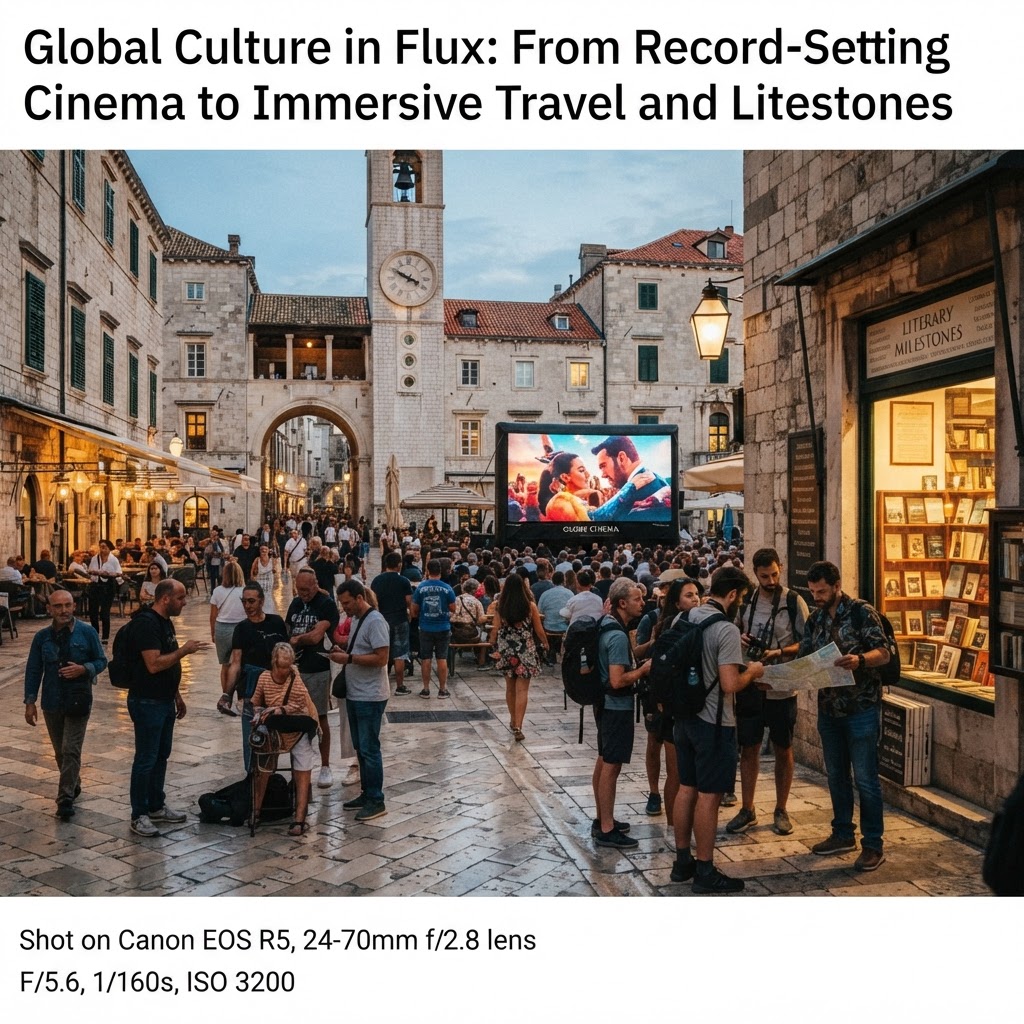
Global Culture in Flux: From Record-Setting Cinema to Immersive Travel and Literary Milestones
Recent cultural developments highlight a vibrant global landscape marked by major box office triumphs in Asia, groundbreaking literary honours, and an accelerating shift toward immersive travel and design.