Global Climate Policy Diverges as Regional Coalitions and State Regulators Forge Ahead
While national rollbacks and fossil fuel deregulations face fierce court battles in the United States, subnational actors and developing nations are accelerating carbon architecture and biome protections worldwide.
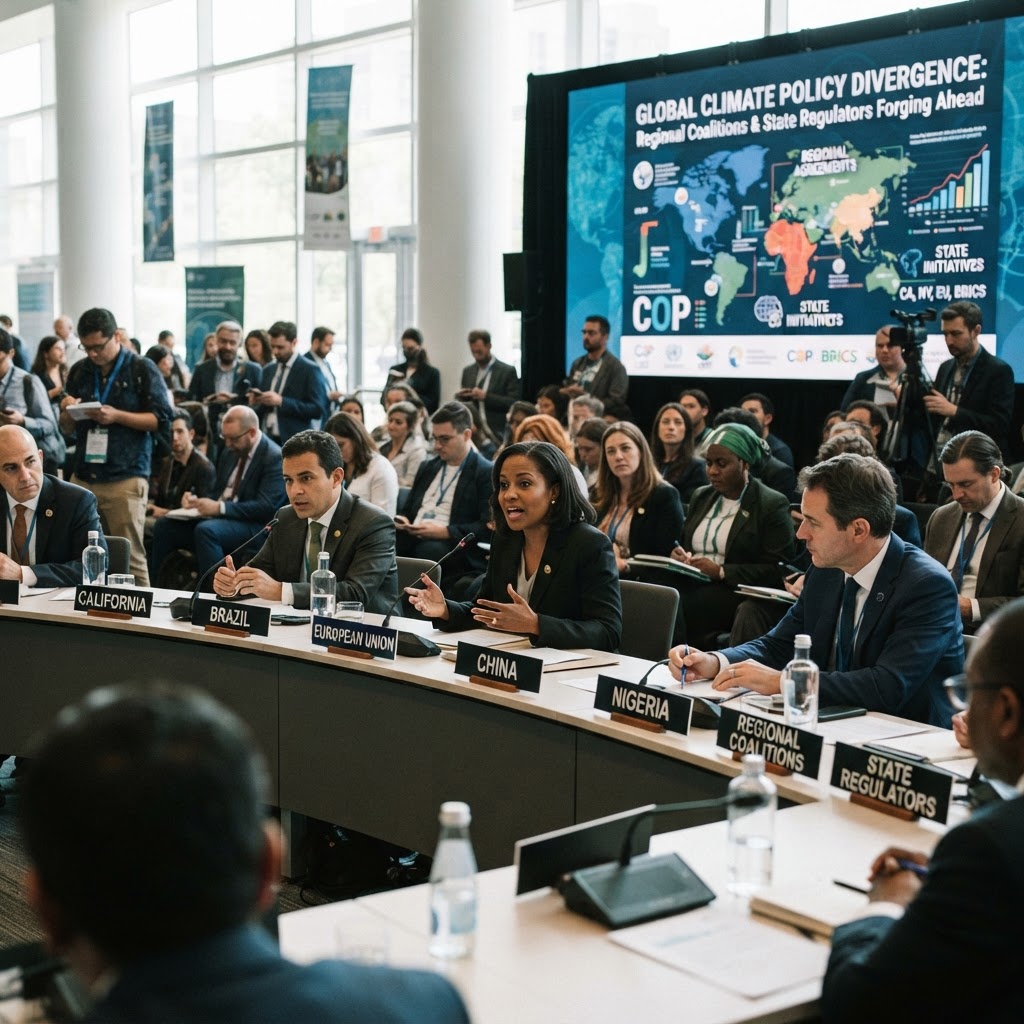
A Widening Divide in International Environmental Governance
Recent developments across global climate policy illustrate a starkly split international landscape. On one front, major economies are confronting institutional friction and regulatory retrenchment; on the other, localized jurisdictions, developing nations, and regional coalitions are quietly consolidating statutory frameworks to curtail greenhouse gas emissions and safeguard vital ecological strongholds. The contrast underscores a growing decentralization of environmental stewardship, where forward momentum is increasingly driven outside traditional central governments.
Panama Advances Carbon Architecture Aligned with Paris Goals
In Latin America, Panama has taken definitive steps to solidify its emissions mitigation governance. Moving forward from multi-year foundational initiatives supported by the United Nations Climate Change Regional Collaboration Centre for Latin America (RCC Latin America) and Germany’s Collaborative Instruments for Ambitious Climate Action, Panamanian authorities have presented a draft Executive Decree to institute a National Carbon Market System. This roadmap directly ties domestic corporate emissions accounting and voluntary offsetting frameworks into Article 6 mechanisms under the Paris Agreement.
Dozens of domestic entities have integrated into standard tracking systems, with twenty public and private bodies pledging carbon neutrality benchmarks for mid-century. For emerging economies across Central and South America, Panama's systematic implementation offers a replicable template: developing credible carbon accounting infrastructures demands sustained public-private consultations, structured institutional backing, and rigorous long-term verification rules rather than hurried market rollouts.
Subnational Decoupling and Legal Clashes in North America
In contrast to constructive multilateral efforts, federal environmental directives in the United States have pivoted sharply toward fossil fuel prioritization and administrative deregulation. Recent federal efforts by the Environmental Protection Agency to weaken emissions benchmarks for conventional power generation facilities have sparked intense legal resistance. Coalitions representing public health advocates, municipal bodies, and environmental organizations have filed federal appellate challenges, arguing that stripping clean energy and carbon capture mandates disregards statutory obligations under the Clean Air Act and ignores peer-reviewed climate data.
Simultaneously, individual state authorities are stepping into the void to enforce rigorous standards independently. Colorado recently broke ground by becoming the first oil- and gas-producing state to fully integrate the EPA’s comprehensive 2024 methane standards into its baseline air quality rules. Rather than carving out exceptions for low-yield fossil fuel sites, the state’s Air Quality Control Commission mandated strict leak detection and the complete phase-out of gas-venting pneumatic equipment across all wells regardless of output volume. This decision addresses recent findings by satellite atmospheric monitors demonstrating that low-producing wells contribute roughly half of total domestic oilfield methane escapes despite yielding less than five percent of aggregate production.
African Alliances Mobilize for Forest Conservation and Climate Diplomacy
Across the Atlantic, West African leaders have mobilized urgent appeals for ecological financing to halt the rapid loss of primary tropical canopies. The Environmental Protection Agency of Liberia hosted high-level talks focused on safeguarding the Upper Guinean Forest Biome—a critical carbon sink facing escalating pressures from commercial logging, agricultural conversion, and artisanal mining. Warning that piecemeal national strategies cannot preserve transboundary ecosystems, Liberian authorities called for unified cross-border conservation corridors, sustained multilateral capitalization, and targeted resource mobilization for ranger infrastructure and habitat monitoring.
Complementing these biome preservation efforts, African climate negotiators convened strategic planning sessions to formulate common positions for international climate diplomacy, focusing on Action for Climate Empowerment (ACE) and community-driven mitigation models. With African ecosystems enduring disproportionate disruptions from climate shifts and weather extremes, regional blocs are increasingly asserting structured, localized requirements within international climate negotiation agendas.
The Trajectory of Climate Mitigation
The convergence of decentralized state regulations, regional habitat treaties, and escalating legal disputes illustrates that global climate governance is transitioning out of a monolithic era. Even as central authorities in legacy economies shift policy priorities or dismantle emissions guidelines, local regulators, civil litigators, and developing countries are establishing alternative architectures designed to withstand political volatility and hold systemic polluters accountable.
Recommended for you
Similar to “Environment”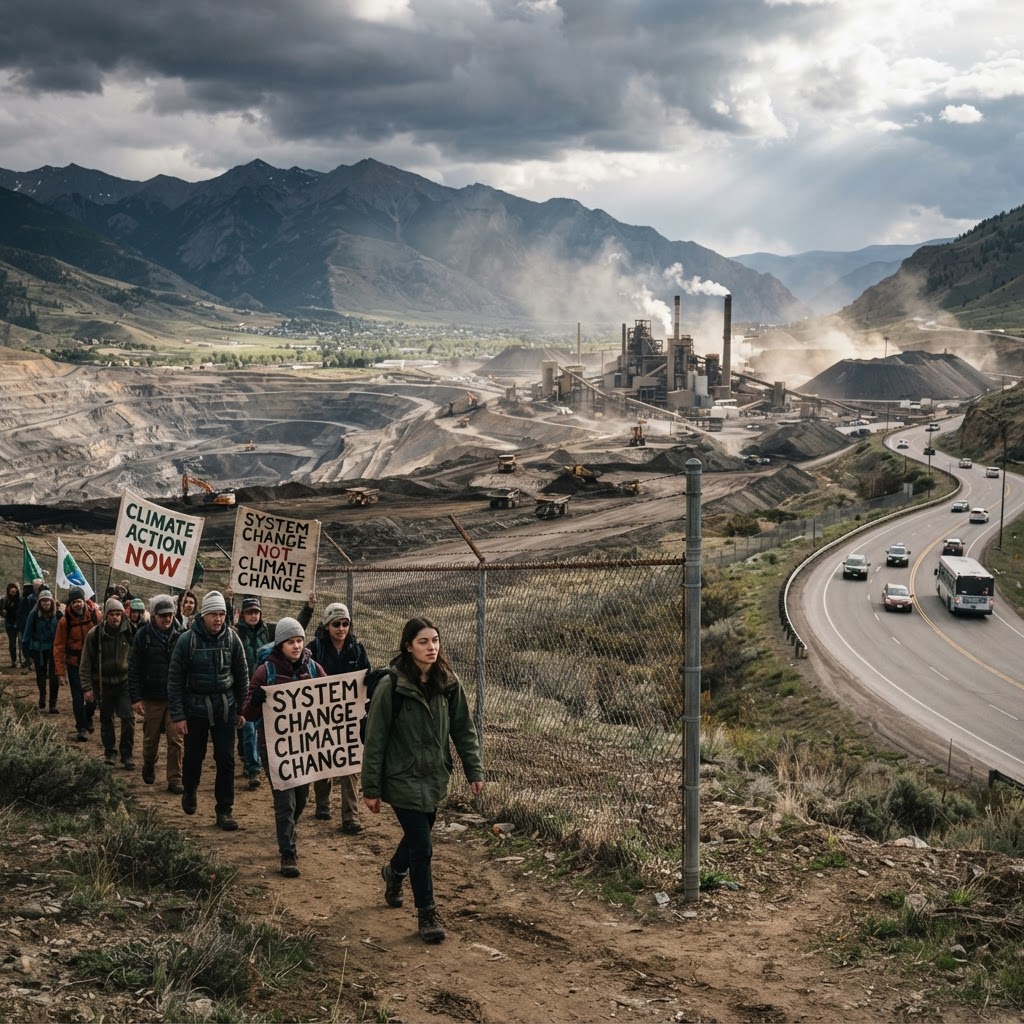
A Fractured Landscape: How Shifting Policies and Escalating Climate Realities Are Redefining Global Environmental Action
As federal rollbacks stall climate directives in the United States, subnational jurisdictions, civil society coalitions, and international bodies are stepping into the breach to confront intensifying environmental risks.
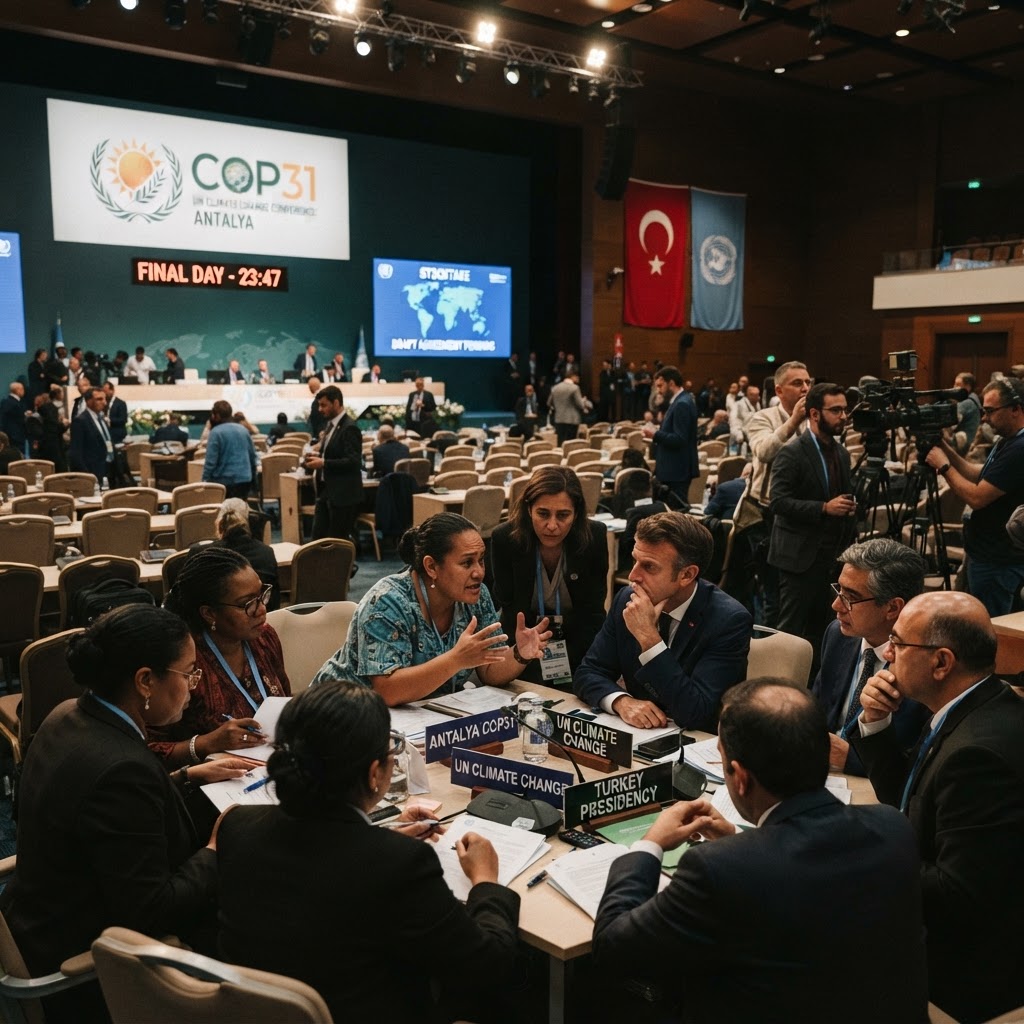
Diplomatic Deadlock and Ecological Momentum: Inside the Final Stretch of COP31 in Antalya
As high-level negotiations in Türkiye hit familiar political impasses over fossil fuel phaseouts and climate finance, parallel coalitions are pushing ahead on nature-based solutions, AI decarbonization, and regional resilience.
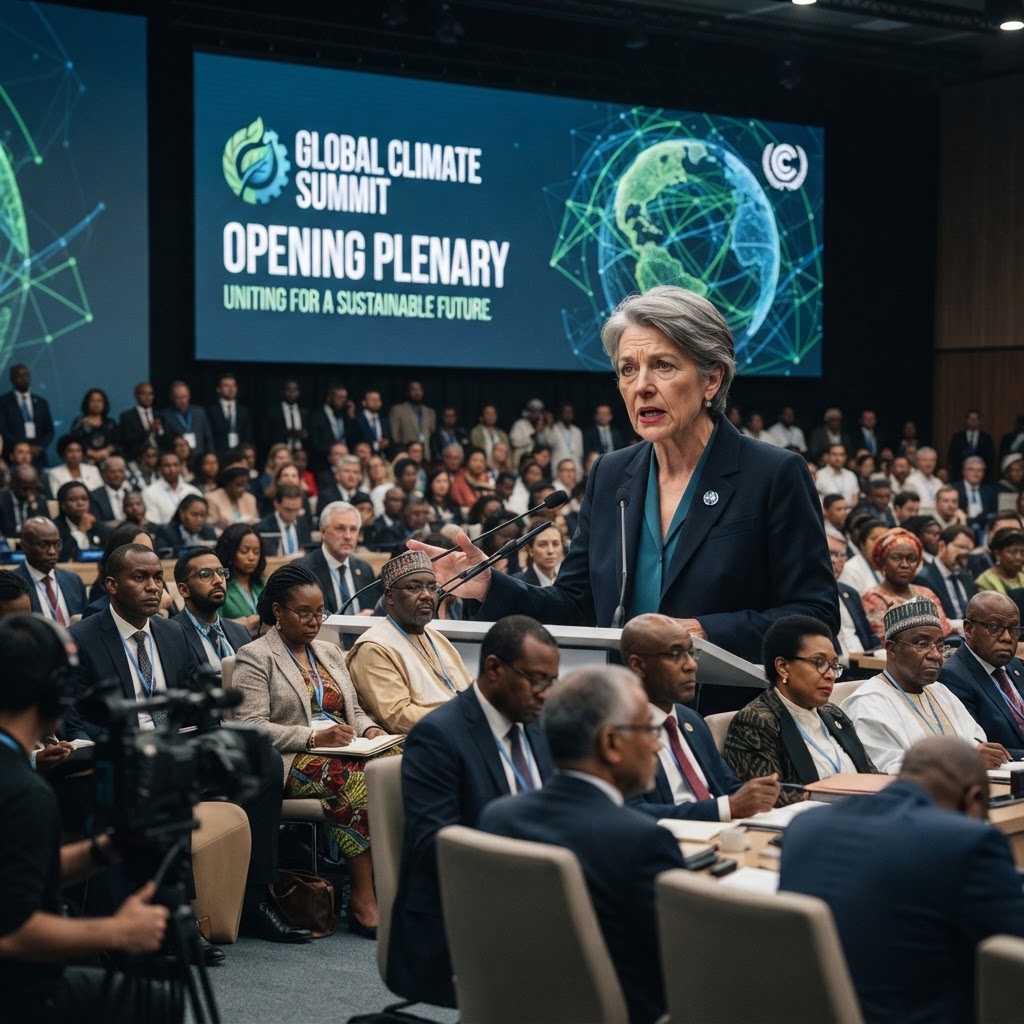
A World Under Compounding Pressures: Global Climate Summit Opens Amid Mounting Ecological and Meteorological Crises
As negotiators assemble at COP31 under warnings from the United Nations regarding sluggish adaptation and fossil fuel expansion, newly released research reveals how climate change is creating dangerous compound feedback loops in global weather systems.