Fragile Fronts and Fractured Treaties: How Converging Global Crises Are Reshaping World Order
As multifaceted security challenges, regional conflicts, and diplomatic realignments accelerate across Eurasia and the Middle East, the international community faces growing strain on its traditional multilateral architecture.
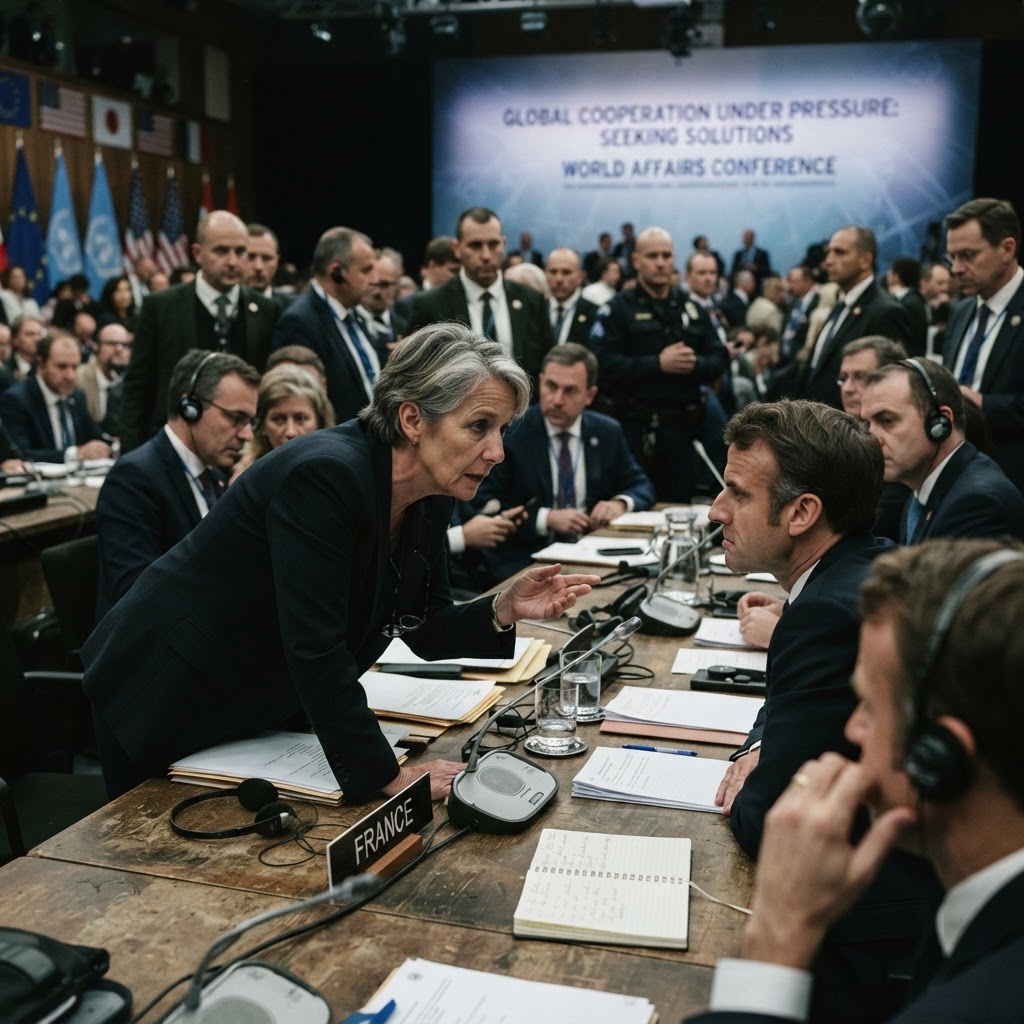
The Anatomy of Modern Geopolitical Strain
The contemporary landscape of international relations has entered an era defined by overlapping crises, strategic realignments, and mounting pressure on postwar diplomatic architectures. Over recent days, global flashpoints from Eastern Europe to the Middle East have demonstrated that local confrontations no longer remain siloed. Instead, they interact with global supply networks, sovereign security pacts, and multi-state alliances in increasingly volatile ways, challenging institutions from the United Nations to regional defense pacts.
As major global powers adapt to shifts in executive leadership and shifting foreign policy priorities, international diplomacy has grown more transactional. Traditional bilateral guardrails are frequently tested by sudden military actions, covert escalations, and contested border frontiers, leaving international bodies navigating a precarious tightrope between deterrence and de-escalation.
The Middle East: Regional Friction and Humanitarian Distress
In the Middle East, the cycle of conflict continues to defy sustained diplomatic mediation. Military strikes across borders, particularly involving operations extending into southern Lebanon, highlight the perpetual fragility of regional stability. Escalations involving state actors and regional non-state networks threaten to overwhelm humanitarian capacities while testing the perimeter of cross-border defense networks. Concurrently, diplomatic efforts spearheaded within international forums face paralysis as differing veto-wielding powers remain locked over resolutions regarding humanitarian pauses, hostage negotiations, and the enforcement of international sovereignty laws.
The diplomatic friction extends beyond active frontlines. Bilateral conversations between key allies have grown increasingly frank, as questions surrounding post-conflict governance, civilian protection, and the risk of broader regional conflict dominate high-level corridors. As economic fallout cascades into shipping disruptions and volatile energy benchmarks, neighboring regional states find themselves balancing internal economic demands with external defense obligations.
European Security and the Protracted War in Ukraine
Across the European theater, the protracted war in Ukraine remains the critical pivot point for Western defense policies. Kyiv’s continued calls for sophisticated anti-ballistic and air defense systems underscore a conflict characterized by persistent aerial bombardments, infrastructure attrition, and shifting frontlines. While European capitals struggle to accelerate domestic defense manufacturing pipelines, ongoing debates over financial aid, intelligence sharing, and ammunition stockpiles expose underlying fiscal tensions within Western coalitions.
At the same time, internal domestic political debates in major NATO member states continue to cast long shadows over future assistance guarantees. Lawmakers and executive officials face the dual pressure of domestic cost-of-living concerns and the long-term imperative to contain strategic aggression. The result is a dynamic wherein military planners must simultaneously prepare for prolonged conventional deterrence while addressing hybrid warfare—spanning cyber infiltrations to industrial espionage—that tests national resilience far away from physical trenches.
Resource Insecurity, Disasters, and Multilateral Paralysis
Compounding military and diplomatic conflicts are systemic structural strains that transcend national borders. Extreme weather patterns and catastrophic natural events across Asia and the Americas—from severe flooding along critical river basins to destructive seismic activity—have repeatedly exposed the limits of civil defense and humanitarian funding mechanisms. When climate-driven catastrophes intersect with political friction, vulnerable populations bear the heaviest brunt, frequently prompting new waves of displacement that place secondary strains on neighboring economies.
Moreover, modern defense considerations are increasingly shaped by technological competition. Advancements in autonomous systems, algorithmic military planning, and defensive cyber capabilities have ignited new battles over technology transfer rules, international data privacy, and critical semiconductor supply chains. The convergence of computational superiority with traditional statecraft has introduced an era where sovereign power is measured not solely by conventional armaments, but by technological insulation against external systemic shocks.
Toward a Multipolar Landscape
As the international community looks ahead, the presumption of a cohesive rules-based international order is being actively replaced by a pragmatic, fragmented multipolarity. Intermediate powers across the Global South and regional alliances are asserting greater autonomy, refusing to align strictly with traditional diplomatic blocs. Whether addressing bilateral trade policies, territorial disputes, or emergency international relief, world leaders must navigate a landscape where stability is sustained not through sweeping global consensus, but through ad-hoc pacts, delicate balance-of-power diplomacy, and rigorous crisis containment.
Recommended for you
Similar to “World Affairs”
Fragile Frontlines: Global Diplomacy Strains Under Shifting Balances of Power and Humanitarian Shocks
From escalating military frictions across the Middle East to deep security anxieties in Europe and worsening crises across the Global South, the international order faces a turbulent test of diplomatic resilience.
Diplomatic Realignments and Shifting Frontlines: How Energy Deals and Economic Tailwinds Are Reshaping Global Geopolitics
Recent policy reversals in Washington and escalating security friction across Eastern Europe and the Middle East highlight an increasingly fragmented international order, even as technology investment propels global trade forecasts.
Fragile Diplomacy and Escalating Fronts: Global Tensions Test International Order
High-stakes diplomatic negotiations in the Middle East and Eastern Europe face mounting strain as battlefield strikes, political shakeups, and maritime friction disrupt peace efforts across multiple continents.