A World in Climate Flux: Accelerating Clean Energy Confronts Ecological Strain and Financial Hurdles
As planetary warming and habitat degradation push ecosystems toward precarious thresholds, the surge in renewable energy capacity contrasts sharply with persistent diplomatic deadlocks over global climate finance.
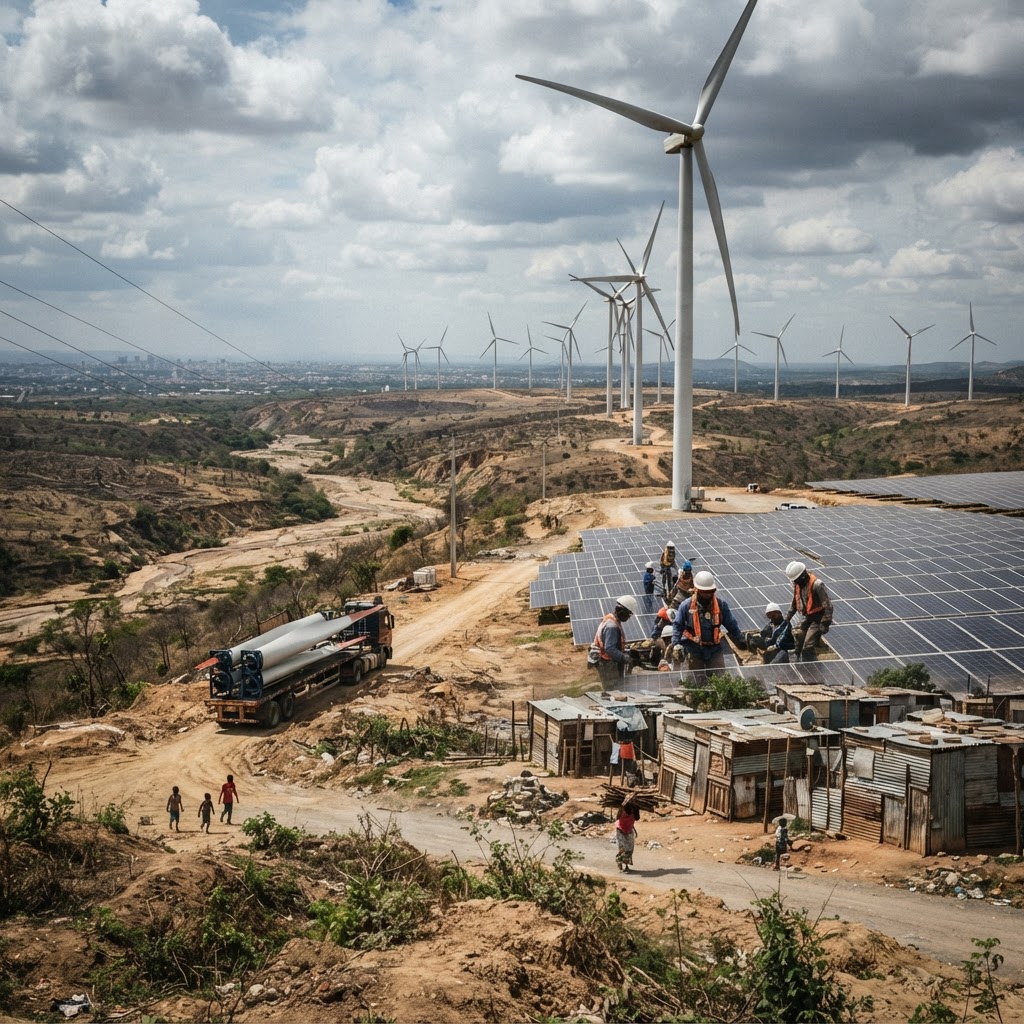
A Complex Balance of Planetary Tipping Points and Energy Expansion
The global environment stands at an unprecedented juncture defined by divergent realities: an accelerating shift toward zero-emission energy infrastructure set against mounting ecological crises, strained multilateral negotiations, and shifting judicial dynamics. Scientific monitors and international policy observers point to a pattern of record-breaking heat waves, escalating storm intensities, and ocean thermal anomalies that challenge the resilience of communities across the globe, as noted by Earth.Org. At the same time, the transition away from fossil fuel dependency has crossed critical commercial and technological milestones, reshaping national power sectors even as the broader trajectory of environmental diplomacy contends with diplomatic inertia.
The Clean Energy Expansion Outpaces Traditional Grids
The deployment of renewable energy has emerged as the most resilient pillar of the worldwide transition. Fueled by dramatic cost reductions in photovoltaic manufacturing and utility-scale battery storage, global capacity additions are outpacing original projections for the decade. Analysis indicates that global renewable installations are projected to exceed 5,500 gigawatts by 2030, according to data highlighted by Earth.Org. In major economies including the United States, China, and the European Union, clean power additions now constitute the overwhelming majority of newly commissioned electricity generation.
However, this rapid adoption presents structural hurdles for energy planners. The growth of distributed solar has begun to alter traditional load demand profiles, creating severe daytime depressions in demand—frequently referred to as the 'duck curve'—that require swift adaptation from transmission operators, as discussed in the National Law Review. Additionally, despite record installations, global capacity trajectories still risk falling short of the aggressive targets set during United Nations climate summits to triple renewable deployment, underscoring that infrastructure expansion must be matched by grid modernization, massive storage investments, and regulatory reform.
Ecological Pressures and Natural Feedback Loops
While the electricity sector shows clear indicators of decarbonization, broader planetary health measures are reaching critical inflection points. Observations from oceanographic networks reveal sustained elevated sea surface temperatures, which researchers have directly linked to heightened wind speeds and precipitation extremes in tropical cyclones, as detailed by Earth.Org. Marine heatwaves are also exacerbating coral bleaching and threatening biodiversity across fragile aquatic ecosystems.
Equally troubling to researchers are indications that natural biomes are undergoing shifts in their carbon cycles. Recent studies suggest that biological feedback mechanisms—such as methane releases from warming wetlands and altered agricultural soils—could turn historic carbon sinks into net sources of greenhouse gases, according to Earth Island Journal. This dynamic threatens to accelerate warming trajectories regardless of reductions in industrial combustion, compounding the challenges faced by conservationists struggling against the widespread decline of global wildlife populations.
Diplomatic Gridlock and the Adaptation Financing Gap
Against this scientific backdrop, international climate diplomacy continues to struggle with the challenge of mobilizing adequate financial aid for developing nations. During multilateral climate forums, debates over loss, damage, and adaptation funding have produced deep divisions between industrialized economies and climate-vulnerable states. Estimates from climate delegates indicate that the costs of building resilience to climate impacts among developing nations will exceed hundreds of billions of dollars annually by the end of the decade, as reported by ABC News.
Despite warnings from United Nations leadership that protracted negotiations threaten to undermine global adaptation, financial commitments have frequently been criticized by civil society groups as insufficient. Lingering disputes over whether funding should take the form of concessionary grants rather than debt-inducing loans have led to heightened friction, leaving vulnerable nations with inadequate resources to fortify coastal defenses, reinforce civil infrastructure, or transition local agriculture toward climate-resilient practices.
The Rise of Judicial Action and Community Resistance
Faced with diplomatic and legislative impasses, environmental activists and affected communities are increasingly turning to international tribunals and domestic judiciaries to compel substantive policy intervention. Over recent years, high-profile court rulings across multiple jurisdictions have affirmed that governments have a legal obligation to protect fundamental rights by mitigating greenhouse gas emissions, according to the United Nations Environment Programme (UNEP). The steady proliferation of climate litigation targets both public authorities and fossil fuel corporations, reflecting a strategic shift toward establishing legally enforceable accountability frameworks.
Simultaneously, grassroots defenders, Indigenous organizations, and environmental award laureates continue to champion local ecosystem restoration, from halting illegal deforestation to restoring degraded watersheds. As technological breakthroughs make renewable energy increasingly cost-competitive and the physical impacts of climate extremes become impossible to overlook, the interaction between judicial mandates, grass-roots leadership, and market momentum will determine whether the international community can realign its trajectory toward a sustainable future.
Recommended for you
Similar to “Environment”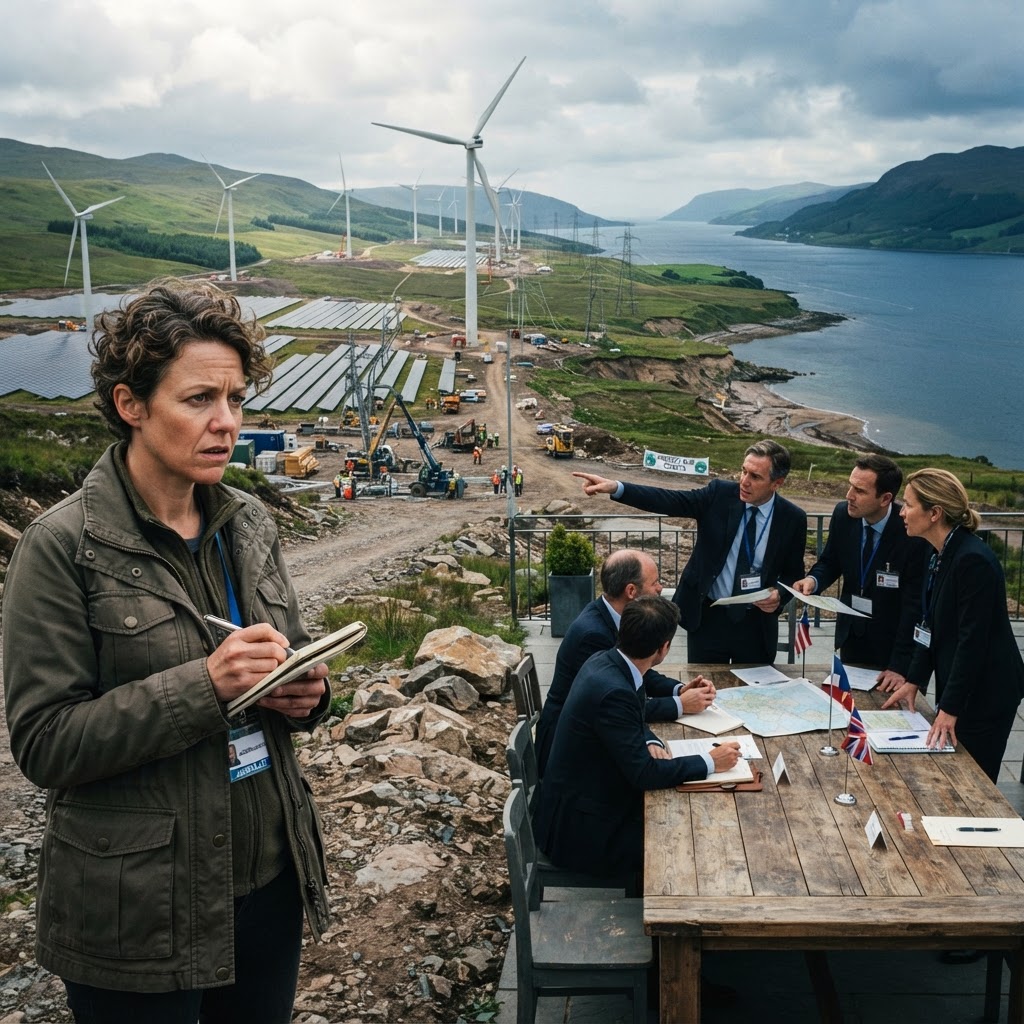
Navigating the Ecological Precipice: Accelerating Clean Energy, Diplomatic Bottlenecks, and the Fight for Earth's Health
As planetary indicators hit historic warning levels, rapid renewable energy deployment and judicial victories contrast sharply with fraught international negotiations over finance, plastics, and emissions targets.
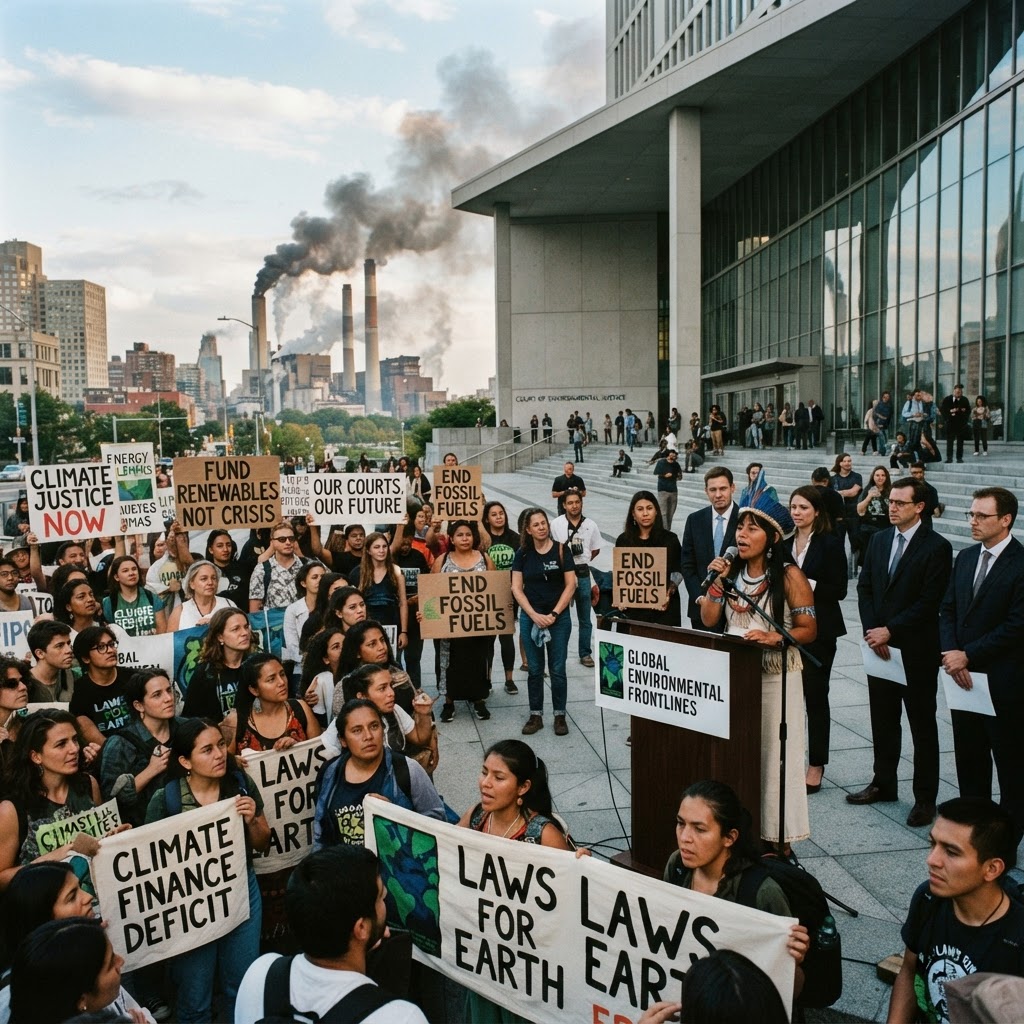
Global Environmental Frontlines: Finance Deficits, Energy Dilemmas, and the Rising Power of Climate Courts
As climate-fuelled weather extremes escalate worldwide, international efforts to confront ecological collapse face persistent funding shortfalls, uneven clean energy transitions, and an unprecedented surge in environmental litigation.
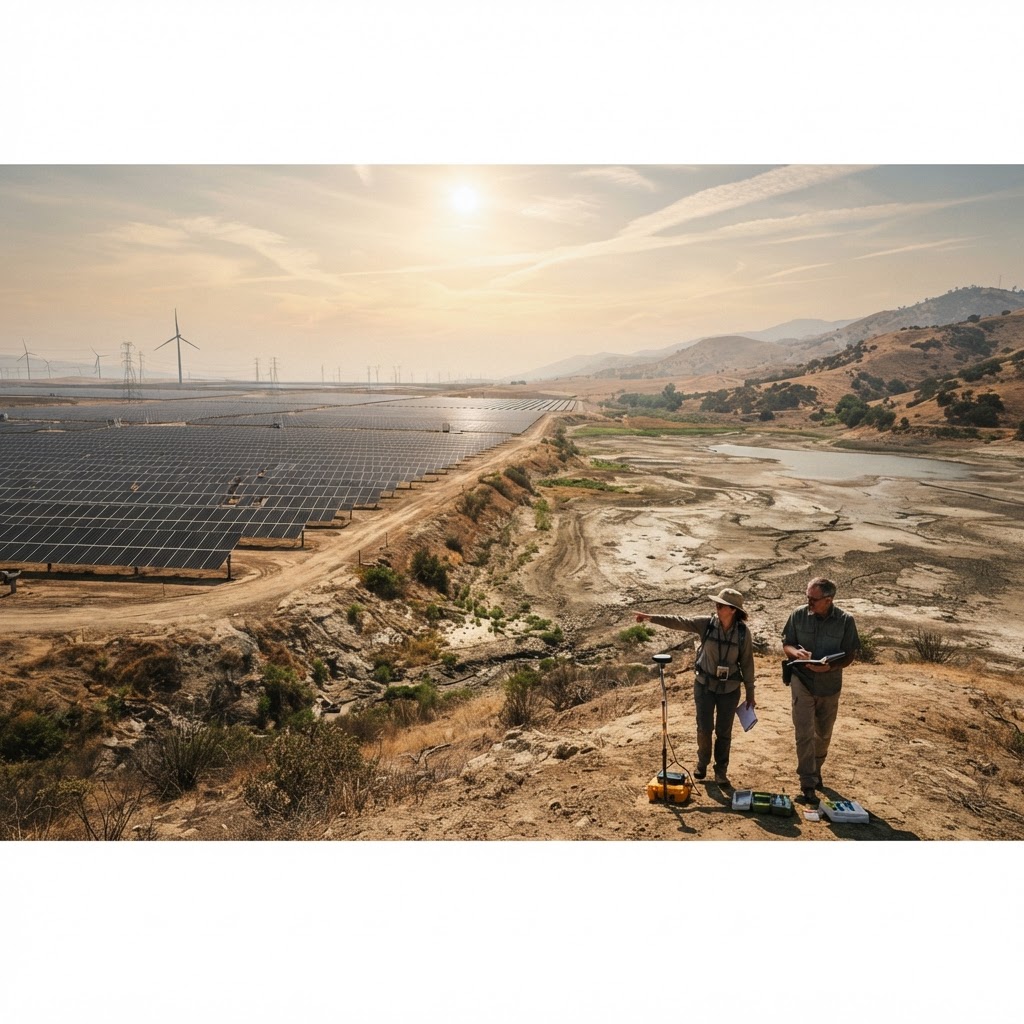
Navigating the Climate Threshold: Surging Clean Energy and Strained Conservation in an Overheating World
As global average temperatures touch historic thresholds and renewable installations reach record highs, world leaders and scientists face growing disputes over environmental financing and biodiversity enforcement.