The Fracture of Consensus: Navigating Geopolitics, Disinformation, and Economic Strain
Recent international commentary reveals growing skepticism toward high-stakes diplomacy, rising anxieties over machine-generated online discourse, and deep divisions over global trade and security alliances.

The Shifting Theater of High-Level Diplomacy
International commentary across major publications has converged on a clear theme: the widening gulf between symbolic diplomatic engagements and tangible geopolitical outcomes. From bilateral summits between Washington and Beijing to broader multilateral forums, prominent commentators note that high-level dialogue has increasingly become an exercise in managing public perceptions rather than resolving fundamental structural antagonisms. Observers examining trade policy, territorial rivalries, and technological hegemony argue that occasional high-level communiqués do little to alter the underlying friction between established and emerging superpowers. Instead, such encounters increasingly serve to define red lines and calibrate domestic messaging rather than foster genuine international reconciliation.
The Textpocalypse and the Erosion of Public Discourse
Beyond traditional statecraft, a profound transformation is reshaping opinion columns globally: the rapid degradation of digital information ecosystems. Intellectuals and media critics point to the unchecked expansion of artificial intelligence text generation as a catalyst for what many are describing as an information crisis. The proliferation of automated content threatens to sever human language from lived experience, undermining public confidence in independent journalism, scientific authority, and civic debate. As synthesized text floods digital platforms, editorial writers warn that societies risk losing the shared factual foundation necessary for democratic governance, making populism and disinformation far more entrenched.
Economic Strain and Protectionist Retrenchment
At the intersection of domestic politics and global commerce, opinion desks are sounding alarms regarding the return of aggressive trade unilateralism and escalating national debts. Analysts assessing the transatlantic alliance and North American trade relationships caution that punitive tariff structures and protectionist posturing frequently harm consumer purchasing power and alienate essential allies. Concurrently, commentary surrounding sovereign debt and fiscal deficits in both North America and Europe highlights growing vulnerability to economic shocks. Rather than addressing core productivity challenges or green energy transitions, political establishments are criticized for resorting to short-term populist remedies that exacerbate inflationary pressures.
A Fractured International Order
Regional disputes across Eurasia, the South China Sea, and Africa reflect a deeper fragmentation of global governance. Commentaries from global policy outlets emphasize that institutions designed in the 20th century are struggling to mediate 21st-century realities. Whether evaluating defense preparedness, regional security pacts, or the strategic race for critical mineral supply chains, opinion leaders are largely united in a sober diagnosis: the modern global order is no longer unified by universal rules, but defined instead by precarious tactical alignments, heightened sovereignty, and profound mutual distrust.
Recommended for you
Similar to “Global Affairs”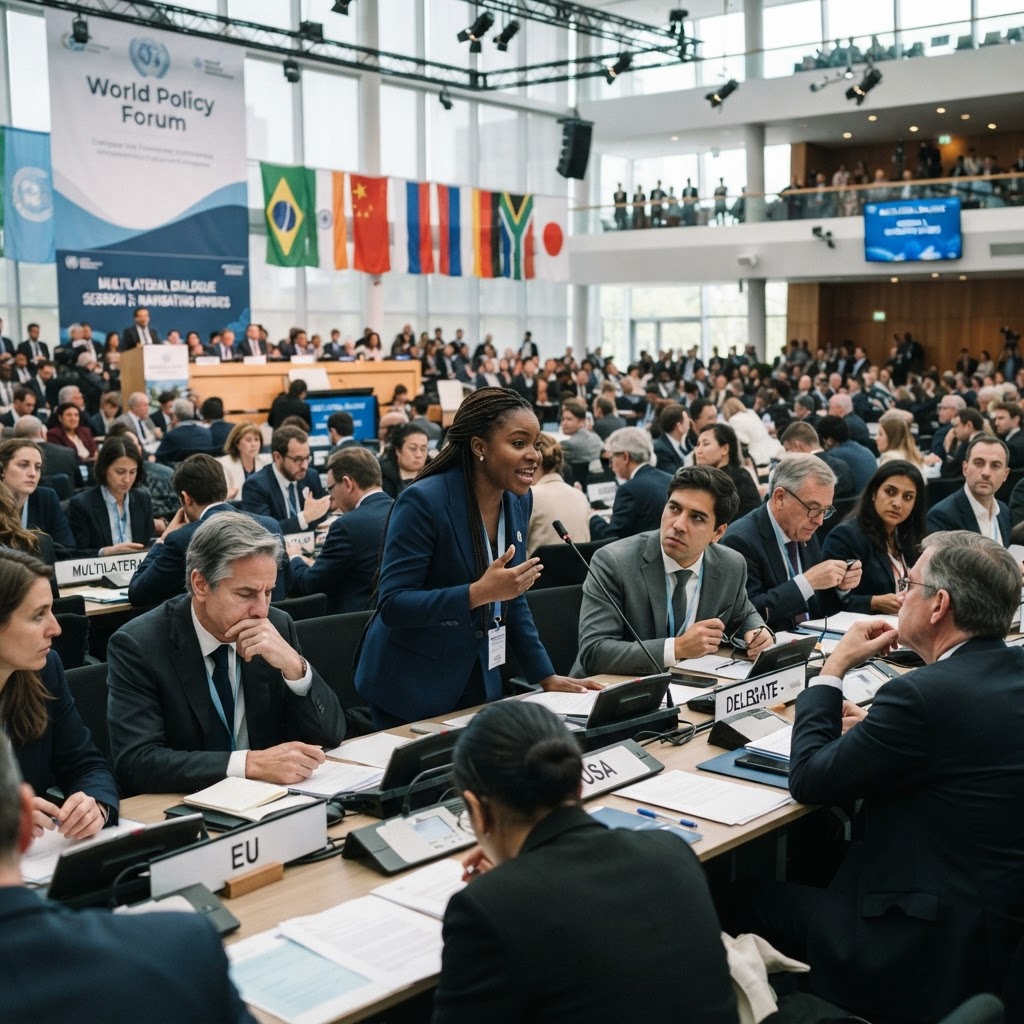
The Fracture of Consensus: How World Opinion Is Navigating a Multipolar Reality
Recent commentary across global editorial boards reflects deep anxiety over fractured alliances, economic protectionism, and the rise of an uncompromising multipolar diplomacy.

A Fractured Equilibrium: How Emerging Hotspots and Frontier Tech Are Reshaping the Global Op-Ed Arena
Recent international commentary reveals deep anxieties over escalating Middle East tensions, high energy prices, and the urgent necessity for stringent frontier artificial intelligence governance.
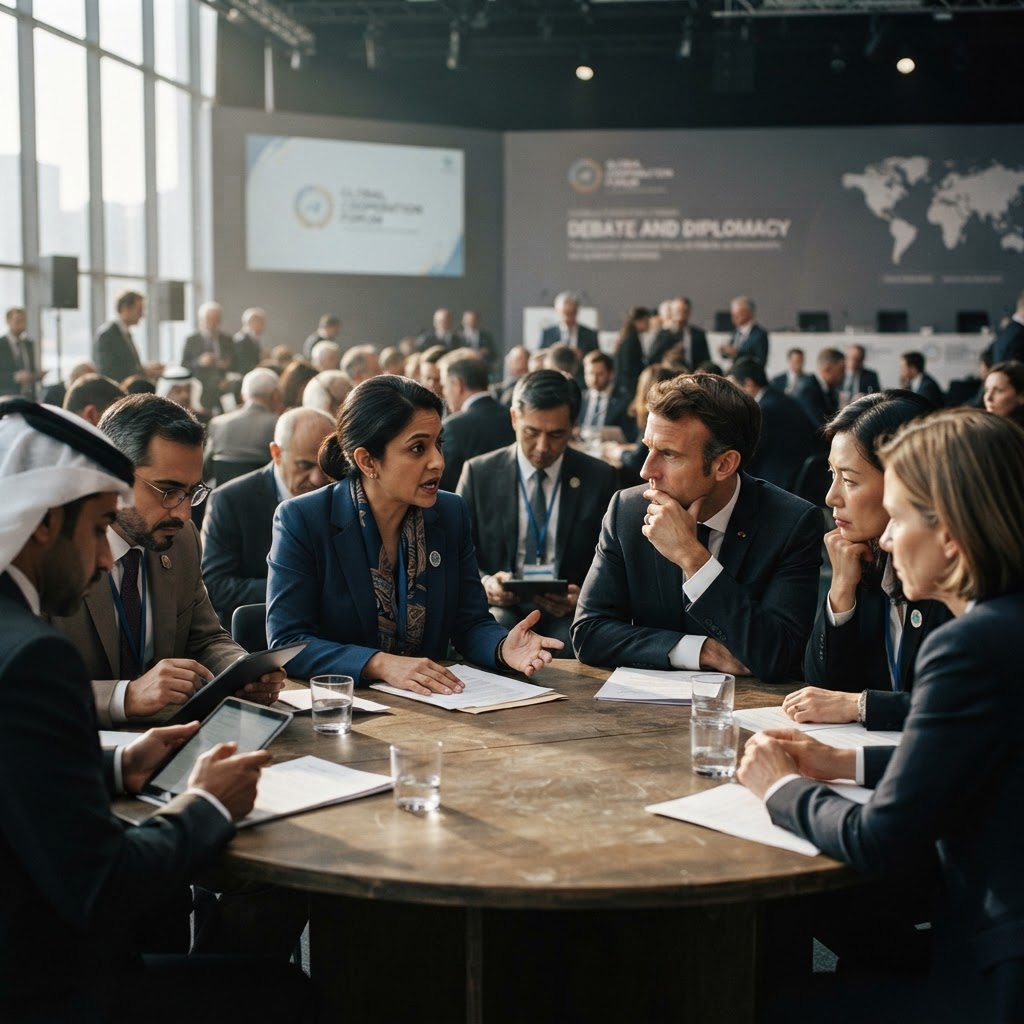
The Fracture of Multilateralism: Why Global Opinion Is Shifting Away from Hegemony Toward Pragmatism
Recent international commentary and worldwide opinion research reveal an escalating disillusionment with traditional Western leadership, as global publics increasingly demand measurable security and tangible economic development over ideological rhetoric.