The Fracture of Consensus: How World Opinion Is Navigating a Multipolar Reality
Recent commentary across global editorial boards reflects deep anxiety over fractured alliances, economic protectionism, and the rise of an uncompromising multipolar diplomacy.
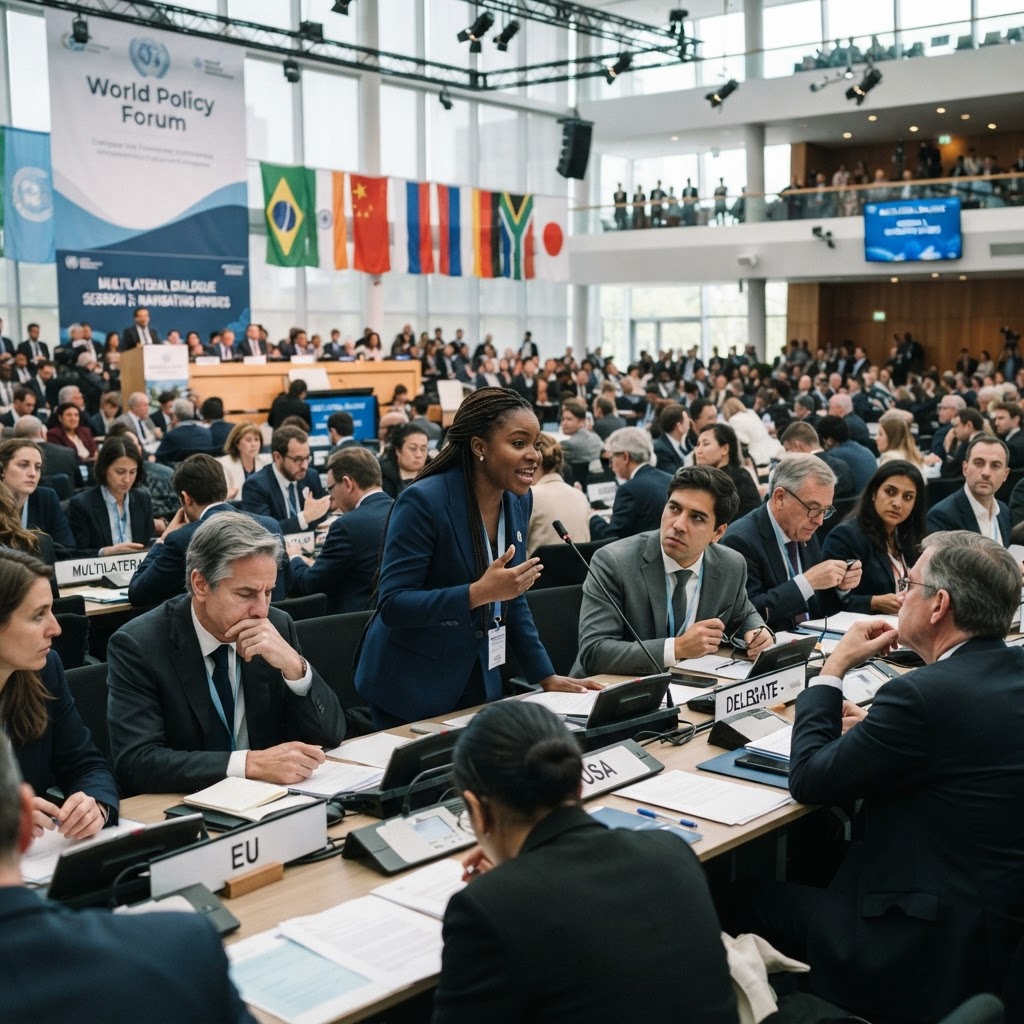
The Shifting Geography of Influence
In commentary sections across major global publications, a recurring theme has crystallized: the post-Cold War consensus built around unchallenged Western primacy and uninhibited free trade is rapidly dissolving. Editorial boards from Washington to Beijing are no longer merely reporting on tactical friction; they are grappling with structural realignment. As international summits unfold amidst domestic polarization in leading democracies, commentators are warning that the diplomatic architecture developed over the past eight decades is under acute strain.
Analysis from regional observers underscores that non-aligned nations and developing economies are increasingly navigating an arena where they are pressured to pick sides. From Southeast Asia to Central Asia, public opinion surveys and regional essays highlight an uncomfortable threshold: regional actors are evaluating relations with Washington and Beijing through practical economic resilience rather than ideological affinity. Commentary from Asian think tanks and media outlets has pointed out that a significant portion of regional diplomacy now favors hedging strategies, balancing Beijing's manufacturing and infrastructure footprint against traditional security commitments from the West.
Trade Defense or Trade Erosion?
Nowhere is this ideological rift more pronounced than in the opinion pages discussing transatlantic economic policy. For decades, Western European capitals served as the staunchest defenders of multilateral trade rules under institutions like the World Trade Organization. Today, European commentators and external critics alike are debating whether Brussels, Paris, and Berlin are abandoning their own principles in favor of economic nationalism and defensive tariffs.
Chinese state-affiliated editorialists, such as those writing for the Global Times, argue that European moves toward unilateral tariff structures and strict export barriers fundamentally tarnish the continent's self-proclaimed status as a champion of multilateralism. Conversely, domestic European analysts often counter that regulatory safeguards and industrial tariffs are necessary defensive reactions against subsidized overcapacity and unfair competitive practices. This editorial tug-of-war illustrates how the definition of 'free and fair trade' has fractured, leaving emerging markets and supply chain managers trapped in the crossfire of shifting trade regulations.
The Domestic Burden on Global Engagement
Meanwhile, in American and British opinion outlets such as The Washington Post and The New York Times, domestic political instability is viewed as a primary driver of unpredictable foreign policy. Commentators point to mounting national debt, partisan gridlock, and recurring electoral turbulence as significant impediments to sustained international leadership. Editorialists voice deep concern that erratic shifts between administrations prevent long-term strategic commitments, leaving traditional allies unsettled and rivals emboldened.
This sentiment is echoed in coverage across conservative and liberal outlets alike. Conservative commentary frequently highlights how runaway domestic spending and border management crises detract from strategic focus abroad, while progressive columnists fear that nationalistic rhetoric further isolates the United States from global climate and humanitarian initiatives. The overarching thread across these perspectives is that domestic political health directly dictates a nation's capacity for credible international stewardship.
Rethinking Non-Alignment in the 21st Century
In response to major power rivalry, opinion leaders in the Global South are reviving historical paradigms with a modern twist. Commentators writing for outlets like Al Jazeera have recently drawn parallels to historic milestones such as the 1955 Bandung Conference, arguing that contemporary developing nations must reaffirm collective self-determination. Rather than acting as pawns in great-power competition, these essayists argue, middle powers should build robust South-South cooperative networks through platforms such as BRICS and the Shanghai Cooperation Organisation.
Ultimately, today's editorial landscape demonstrates that the battle for global influence is no longer fought solely in cabinet rooms or battlefields; it is waged in the court of global public sentiment. Whether discussing tech export restrictions, debt burdens in frontier economies, or shifting diplomatic alignments, the global commentariat shares one unified conclusion: the era of unilateral dictates has ended, and an era of fragmented, pragmatic, and multi-vectored diplomacy has firmly arrived.
Recommended for you
Similar to “Global Opinion”
A World Turning Inward: How Fractured Alliances and Economic Nationalism Are Redefining Global Governance
Recent commentary across leading global editorial pages reveals an escalating anxiety over economic nationalism, shifting migration compacts, and the gradual disintegration of post-war international frameworks.
A Fractured Consensus: How Opinion Pages Worldwide Are Reckoning with a Shifting Global Order
Recent commentary across leading global publications reflects mounting anxiety over macroeconomic instability, shifting geopolitical alliances, and the disruptive emergence of artificial intelligence.

The Fracture of Consensus: Navigating Geopolitics, Disinformation, and Economic Strain
Recent international commentary reveals growing skepticism toward high-stakes diplomacy, rising anxieties over machine-generated online discourse, and deep divisions over global trade and security alliances.