A Rebounding World Faces a Changing Burden: Inside the New Era of Global Health
As global life expectancy rebounds to near pre-pandemic levels, public health systems are pivoting to confront a mounting wave of chronic conditions and an evolving landscape of clinical medicine.
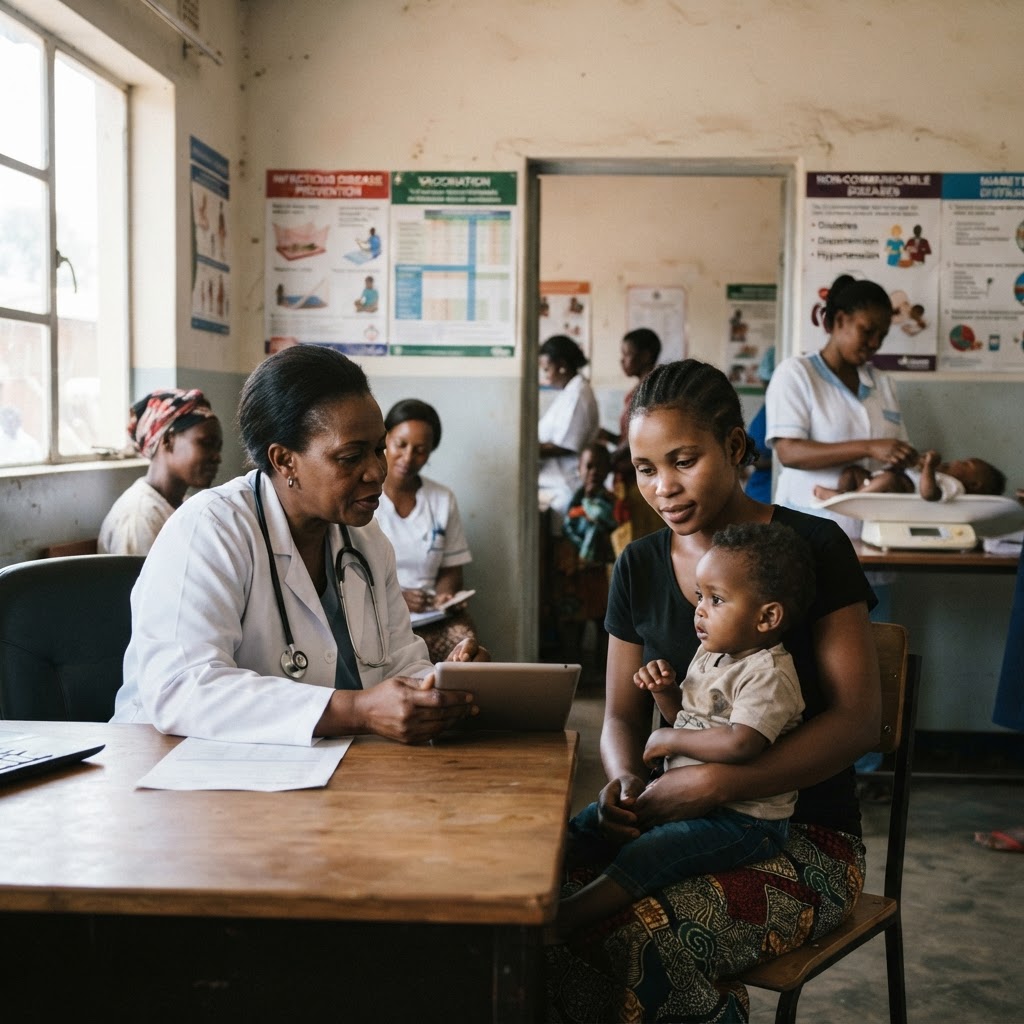
A Long-Awaited Demographic Recovery
The global trajectory of human longevity has reached a decisive milestone. According to the latest Global Health Estimates released by the World Health Organization (WHO), worldwide life expectancy has rebounded to 73.3 years, effectively recovering from the sharp declines experienced during the peak years of the COVID-19 pandemic and nearing the 2019 baseline of 73.4 years, as reported by the UN News. While public health officials celebrate the restoration of baseline longevity, the newly released data also underscores a profound and accelerating demographic transformation: people around the world are living longer, but they are doing so alongside a heavier and more complex burden of chronic illness.
The Shifting Scale Toward Noncommunicable Diseases
The stabilization in survival metrics masks significant shifts in the underlying causes of death and disability worldwide. Noncommunicable diseases (NCDs)—including cardiovascular conditions, type 2 diabetes, dementia, and substance use disorders—now constitute an ever-greater share of global morbidity and mortality. Rather than acute infectious surges alone, modern healthcare infrastructures must navigate lengthy, resource-intensive chronic conditions that necessitate decades of continuous disease management.
Metabolic conditions such as diabetes and related cardiovascular morbidities have seen dramatic upward trends in both developed economies and low-to-middle-income regions. In response to this transition, healthcare institutions and international bodies are urging governments to recalibrate public health expenditure away from purely reactive emergency protocols toward durable primary healthcare, preventative intervention, and early surveillance networks that identify risk factors before clinical escalation occurs.
Breakthrough Therapies and Incretin Multiagonists
In tandem with rising metabolic illness, pharmacotherapy is undergoing an unprecedented paradigm shift. For years, single-target glucagon-like peptide-1 (GLP-1) receptor agonists established a new standard in managing obesity and glycemic control. However, emerging multiagonist agents—such as dual and triple receptor agonists including combinations of cagrilintide and semaglutide, as well as investigational compounds like retatrutide—are reshaping clinical expectations, as highlighted in Medscape's analysis of transformative medical breakthroughs.
By simultaneously engaging multiple metabolic pathways—including GLP-1, GIP, and glucagon receptors—these multiagonist compounds have demonstrated substantial weight reduction and marked improvements in glycemic markers in extended clinical trials. Clinicians are increasingly recognizing these drugs not merely as lifestyle-adjacent weight interventions, but as central disease-modifying therapies capable of altering the trajectory of chronic metabolic syndrome, reducing downstream cardiovascular events, and alleviating strain on primary care providers.
Pioneering Surgeries and Gene Editing in Clinical Care
Beyond pharmacology, transformative advances are rapidly materializing in cellular therapy, genomics, and reconstructive surgery. Researchers and academic medical institutions have broken ground in personalized gene editing, deploying tailored molecular corrections for patients afflicted with rare, historically untreatable genetic diseases, according to clinical reporting from the Association of American Medical Colleges (AAMC). The expanding feasibility of bespoke gene correction offers a path toward durable clinical remissions where only supportive care once existed.
Equally historic milestones have emerged in surgical transplantation. Innovations such as the world's first whole bladder human transplant offer a functional alternative to conventional intestinal urinary diversions, mitigating high risks of infection, secondary kidney impairment, and long-term digestive complications. Together with next-generation cellular therapies expanding from hematologic malignancies into solid tumors and autoimmune disorders, modern medicine is rapidly redefining what constitutes a treatable pathology.
Persistent Infectious Vulnerabilities and the Equity Dilemma
Despite these technological strides, the dual burden of health inequality and localized infectious disease remains an urgent reality. Global monitoring networks, including the U.S. Centers for Disease Control and Prevention (CDC) and the WHO, continue to track localized infectious threats—from acute viral hemorrhagic fevers to outbreaks of re-emerging respiratory pathogens—highlighting that epidemic readiness cannot be sacrificed in the name of chronic disease initiatives.
Moreover, the tools protecting vulnerable populations from historic killers are continuously evolving. The ongoing deployment of malaria vaccines across sub-Saharan Africa demonstrates how novel biological tools can integrate into broader preventive ecosystems alongside insecticide-treated nets and vector controls. Yet, as research in major medical journals demonstrates, the ultimate barrier to health equity remains primary healthcare access. If advanced biological therapies, innovative surgical procedures, and essential preventive vaccines remain restricted to high-income settings, the gap between survival rates and healthy life years will continue to widen.
Looking Ahead
The emerging era of global health is characterized neither by pure triumph nor by insurmountable peril, but by a complex realignment of priorities. The recovery of global life expectancy signals resilience following acute worldwide disruption. However, realizing the promise of this rebound requires health systems worldwide to bridge the gap between cutting-edge clinical innovation and equitable frontline delivery—ensuring that added years of life are matched by sustained quality, mobility, and well-being.
Recommended for you
Similar to “Global Health”
A Turning Point for Global Health: Longevity Rebounds Amid Chronic Disease Surges and Next-Gen Therapies
Recent data from the World Health Organization shows global life expectancy rebounding near pre-pandemic levels, even as health systems confront an escalating burden of noncommunicable diseases and race to deploy next-generation metabolic and cellular therapeutics.
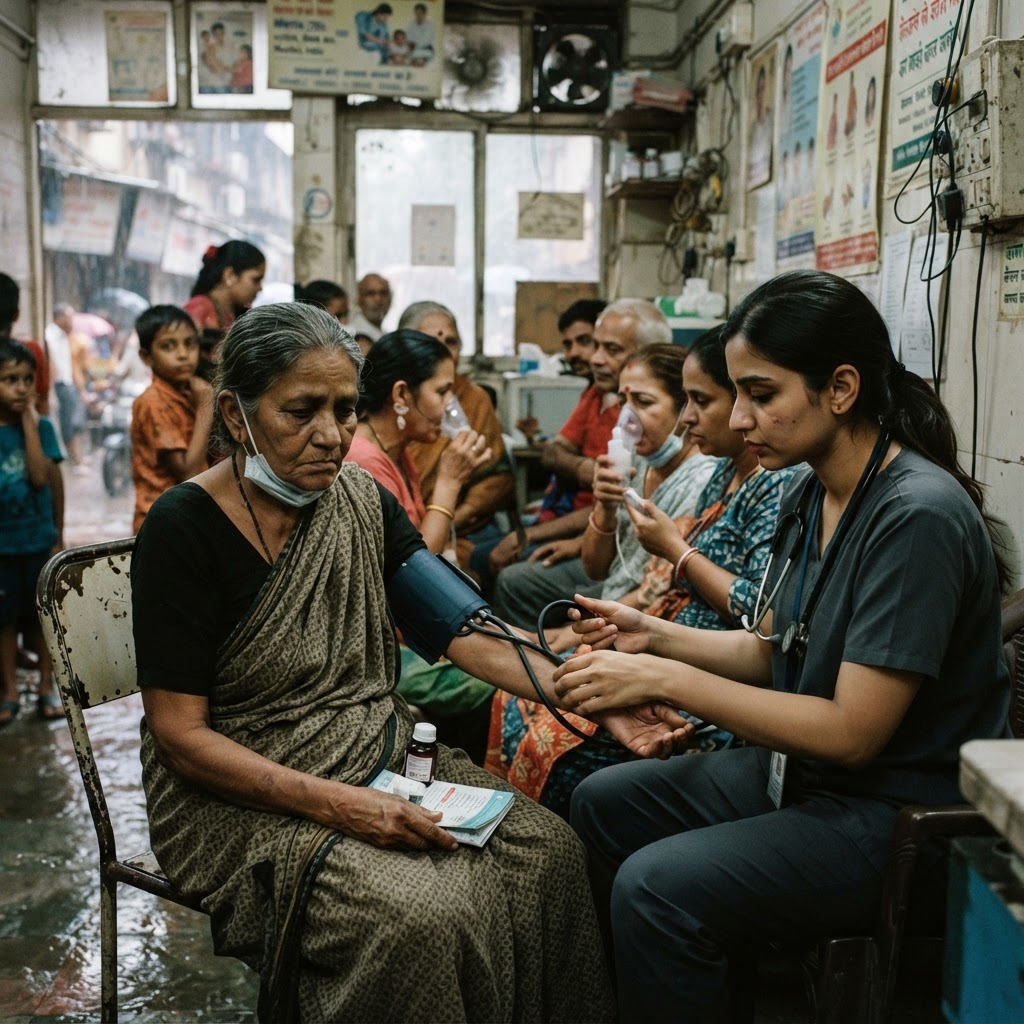
A Fractured Recovery: Emerging Global Health Trends Highlight Climate, Chronic Illness, and Inequity
As global life expectancy rebounds to near pre-pandemic levels, public health authorities confront an intensifying double burden: surging noncommunicable diseases and compounding climate-driven crises.
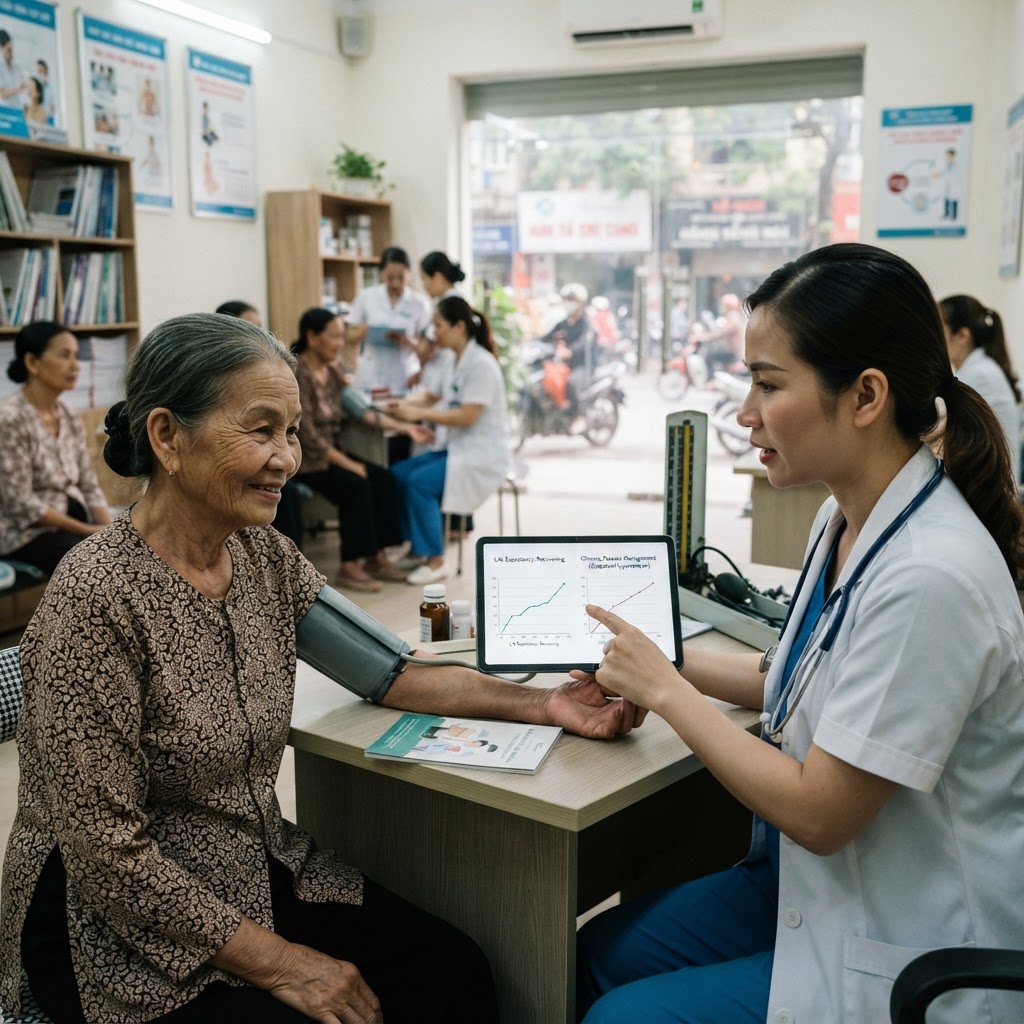
A Turning Point for Global Health: Recovering Life Expectancy Meets the Chronic Disease Surge
Recent data from international health organizations shows that worldwide life expectancy has rebounded to near pre-pandemic levels, even as health systems face a mounting burden of noncommunicable diseases.