A Turning Point for Global Health: Recovering Life Expectancy Meets the Chronic Disease Surge
Recent data from international health organizations shows that worldwide life expectancy has rebounded to near pre-pandemic levels, even as health systems face a mounting burden of noncommunicable diseases.
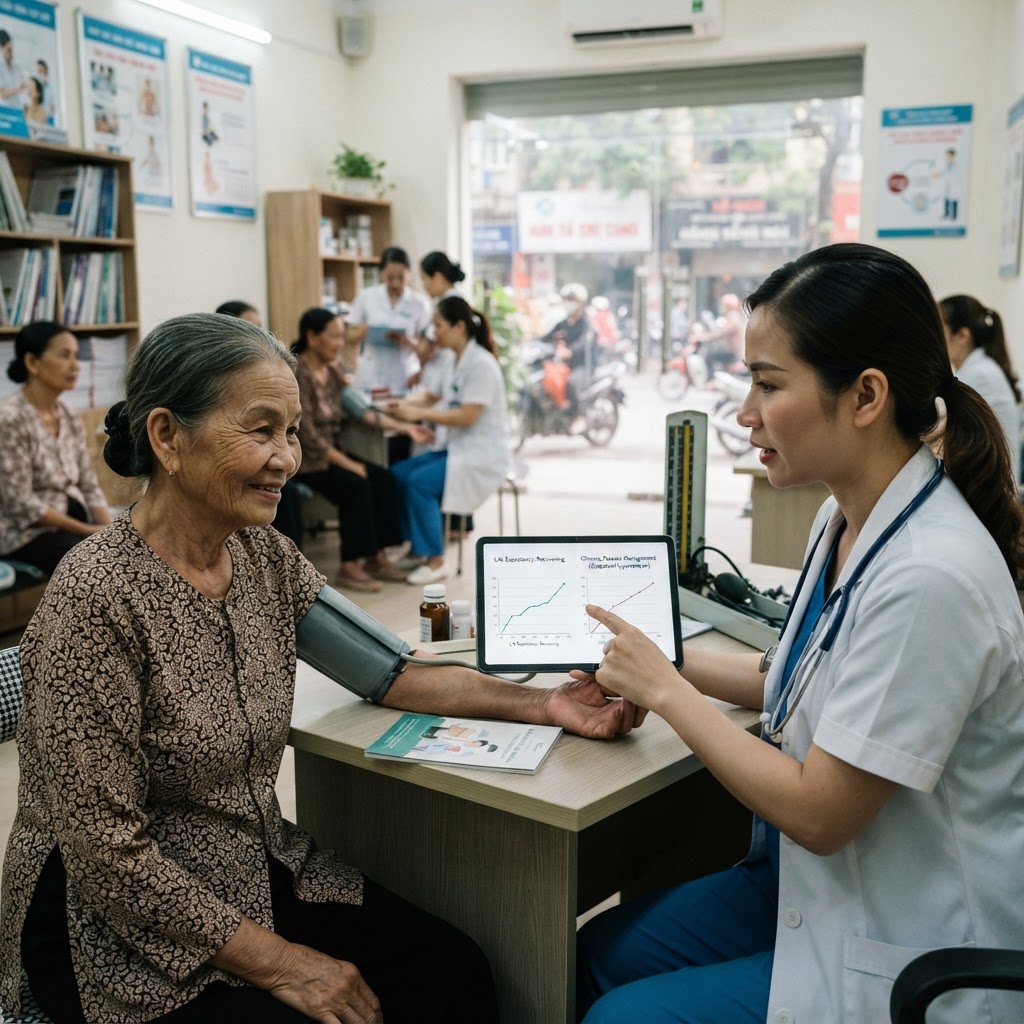
Global Life Expectancy Rebounds Toward Pre-Pandemic Baselines
In a milestone assessment of worldwide longevity, international public health authorities have revealed that global life expectancy has largely recovered from the severe setbacks inflicted during the height of the COVID-19 pandemic. According to the latest Global Health Estimates published by the World Health Organization (WHO) and highlighted by UN News, global life expectancy reached 73.3 years in 2023, coming within a fraction of the 73.4-year benchmark recorded in 2019. The resurgence marks a critical turning point for population resilience, demonstrating how expanded immunization campaigns, renewed primary care infrastructure, and the resumption of routine medical services have restored years of lost progress.
Dr. Alain Labrique, Director of the WHO's Department of Data, Digital Health, Analytics and AI, noted that while living longer represents one of public health’s crowning accomplishments, the global landscape has fundamentally shifted. The immediate threat of pandemic mortality has given way to an evolving matrix of chronic and long-term illnesses, demanding a comprehensive realignment of health systems that were traditionally optimized to handle acute infections.
The Growing Burden of Noncommunicable Conditions
Despite the rebound in aggregate survival rates, the composition of human disease is transforming rapidly. Noncommunicable diseases (NCDs)—including cardiovascular conditions, type 2 diabetes, dementia, neurodegenerative disorders, and mental health challenges—now account for an overwhelming share of both overall mortality and long-term disability worldwide. Populations are surviving childhood infections and pandemic waves, only to spend more of their later years managing multiple, concurrent chronic conditions.
This epidemiologic transition poses acute dilemmas for low- and middle-income countries. While high-income economies have spent decades constructing chronic disease management protocols, emerging regions are now shouldering a double burden: they must continue to manage lingering infectious threats, such as malaria and tuberculosis, while building specialized capacity for oncology, endocrinology, and geriatrics. Without major structural interventions, the economic and social strains associated with long-term care, lost workplace productivity, and medical debt threaten to outpace gains in overall lifespan.
New Frontiers in Metabolic Therapies and Clinical Care
As the chronic disease challenge deepens, clinical science has responded with unprecedented breakthroughs in metabolic medicine. The rapid evolution of multiagonist therapies—compounds designed to stimulate multiple hormone receptors simultaneously, such as GLP-1, GIP, and glucagon agonists like retatrutide—has transformed expectations for managing obesity and type 2 diabetes. As reported by clinical analyses in Medscape, these multi-target approaches achieve weight reductions and glycemic control previously thought unattainable without invasive surgery.
Concurrently, laboratory researchers are making headway against metabolic comorbidities. Investigations highlighted by ScienceDaily identify novel biochemical mechanisms—such as the protective role of specific enzymes like UBE2N—capable of counteracting the progression of fatty liver disease, a condition affecting tens of millions worldwide. Coupled with rapid strides in targeted gene-editing platforms and advanced surgical techniques, the therapeutic arsenal against debilitating chronic illnesses is expanding at an accelerated pace.
Bridging Innovation, Delivery, and Primary Healthcare Access
Technological and pharmaceutical innovation alone, however, cannot alter global health trajectories if access remains restricted. Health policy analysts and international organizations stress that sustaining gains in life expectancy requires equitable delivery mechanisms. In regions with fragmented ground transport, initiatives leveraging autonomous drones and decentralized logistics have begun closing delivery gaps for essential therapeutics, vaccines, and diagnostic supplies, as examined by the Center for Strategic and International Studies (CSIS).
Furthermore, population-level analyses consistently reaffirm that primary care remains the foundation of health security. Longitudinal data published across the JAMA Network underscores that resilient primary clinics are the single greatest determinant in preventing premature child mortality and curbing preventable adult deaths. Health authorities now emphasize that the defining objective of 21st-century medicine will not simply be extending the quantity of human life, but safeguarding its functional quality through universal prevention, equitable access, and durable public health infrastructure.
Recommended for you
Similar to “Global Health”
A Turning Point for Global Health: Longevity Rebounds Amid Chronic Disease Surges and Next-Gen Therapies
Recent data from the World Health Organization shows global life expectancy rebounding near pre-pandemic levels, even as health systems confront an escalating burden of noncommunicable diseases and race to deploy next-generation metabolic and cellular therapeutics.
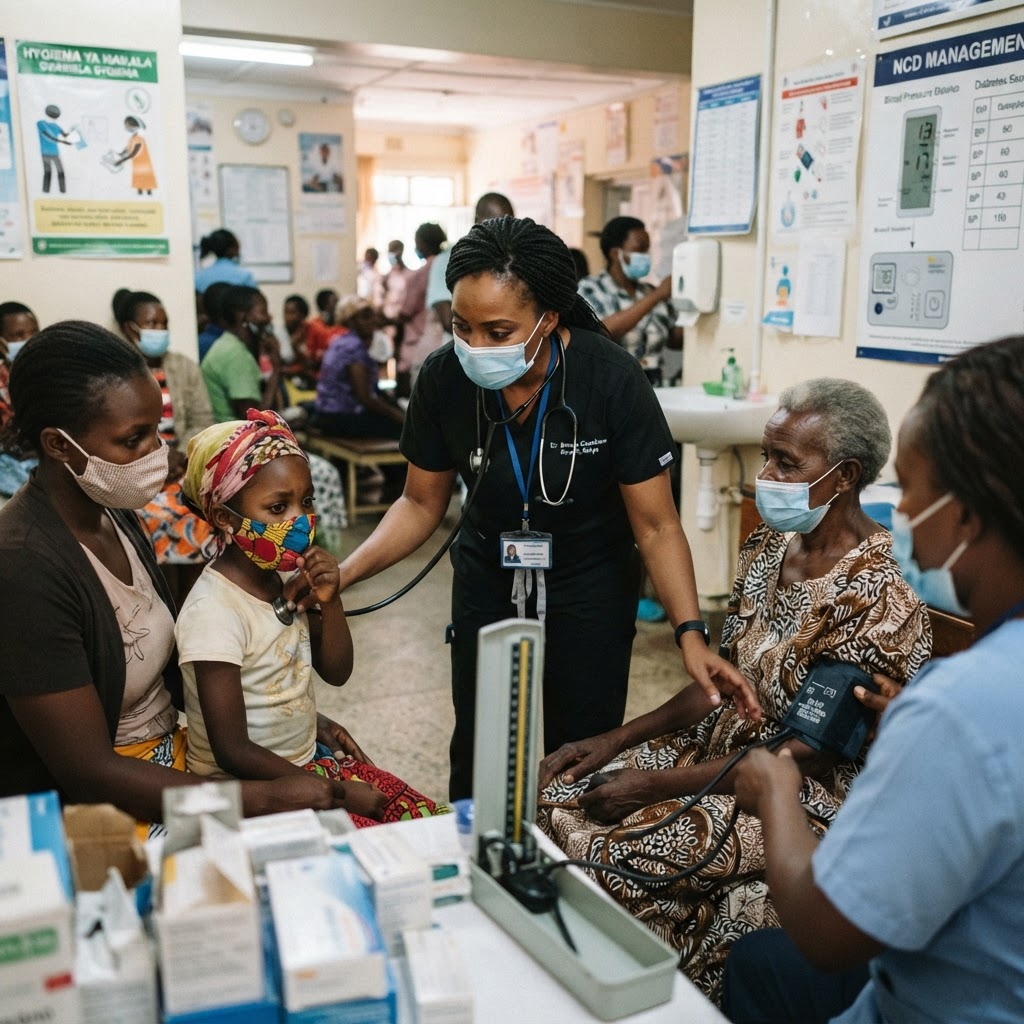
A Dual Challenge in Global Health: Balancing Epidemic Resurgence with a Rising Chronic Disease Burden
As global life expectancy rebounds toward pre-pandemic norms, international health organizations confront a precarious landscape defined by deadly localized outbreaks and an unprecedented surge in chronic noncommunicable illnesses.
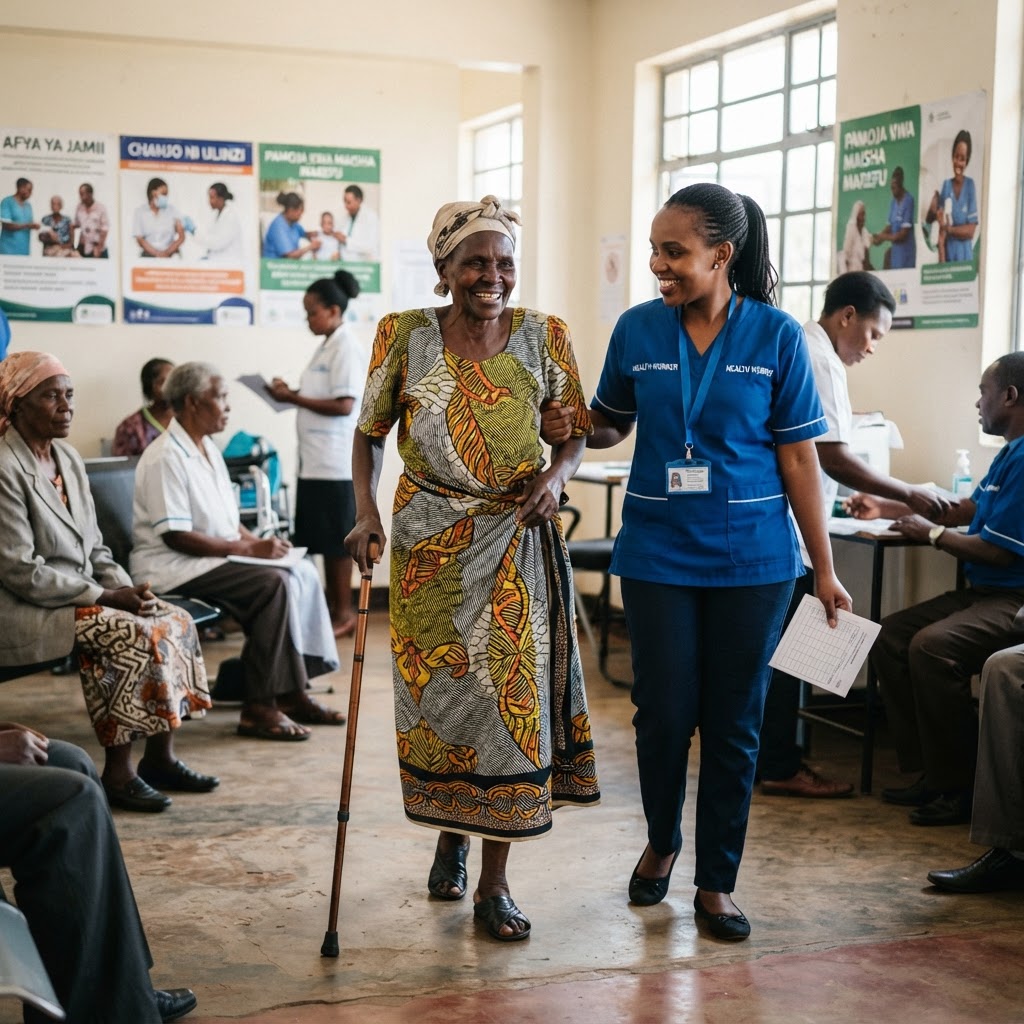
A Turning Point for Global Health: Longevity Rebounds Amid Chronic Burdens and Epidemic Vulnerabilities
Recent data from international health authorities reveal a post-pandemic rebound in life expectancy alongside rising noncommunicable diseases and active containment efforts against localized outbreaks.