A Fractured Consensus: How Energy Crises, Tech Hegemony, and Multilateral Strain Are Reshaping Global Commentary
Recent international opinion and commentary reflect a world grappling with escalating oil volatility, the destabilization of legacy multilateral institutions, and the complex societal challenges brought on by rapid artificial intelligence adoption.

The Strain on Global Governance and Economic Realities
In recent days, the editorial pages of leading global publications have coalesced around an unsettling theme: the post-World War II international architecture is struggling under unprecedented pressure. From maritime standoffs to shifting trade corridors, commentators are highlighting that long-standing assumptions about regional stability and market predictability are rapidly eroding. A prominent strain of international analysis, as captured in recent commentary across outlets like The Japan Times and strategic journals such as the Global Policy Journal, argues that the global arena is transitioning away from traditional paradigms toward a fragmented order where conventional diplomacy regularly falls short.
Nowhere is this friction more evident than in energy economics and geopolitical confrontation. Editorial debates have intensely focused on the Middle East, particularly maritime security in the Strait of Hormuz and escalating confrontations involving Iran. Commentators point to a paradoxical dynamic where assertions of tactical military strength fail to translate into economic assurance. As crude oil prices approach triple digits despite official declarations of containment, analysts warn that geoeconomic reality often contradicts strategic spin. Ilan Berman’s analysis for Newsweek emphasizes that strategies aimed at isolating regional adversaries frequently hit a wall due to shifting alliances, particularly Beijing’s enduring role as an economic lifeline for sanctioned regimes. This underscores the reality that unilateral pressure campaigns struggle when key global buyers offer alternative financial and trade outlets.
The Digital Dilemma: Journalism, Artificial Intelligence, and Big Tech
Parallel to traditional security debates, the opinion sphere has witnessed a surge of commentary on technological disruption and its institutional consequences. Editorialists and media executives are sounding alarms about the relationship between artificial intelligence and the future of information ecosystems. A recurring argument across international columns emphasizes that while generative AI platforms increasingly rely on verified, high-quality journalism for training and synthetic outputs, the economic model sustaining legacy newsrooms continues to deteriorate. The public debate, articulated by media theorists and industry leaders, underscores that without deliberate regulatory guardrails or equitable compensation frameworks, society risks eroding the very factual reporting that AI engines require to remain coherent and reliable.
This scrutiny of digital monopolies extends far beyond news creation. Commentators are increasingly questioning national dependencies on concentrated technology platforms. From debates in major emerging markets—such as analysis in The Print examining how foundational infrastructure like digital payments can become disproportionately dominated by foreign-owned platforms—to broader concerns regarding consumer data sovereignty, opinion pieces reflect deep public ambivalence. Rather than celebrating technological innovation uncritically, editorial consensus is calling for structural scrutiny, emphasizing that sovereignty and public safety demand greater oversight into corporate labs and digital gateways.
Public Sentiment and the Cost-of-Living Crisis
Beyond elite strategic commentary, public opinion research and analytical columns highlight a growing disconnect between political leadership and the everyday experience of citizens worldwide. Polling analysis from organizations like Ipsos and the Chicago Council on Global Affairs indicates that citizens across the globe remain acutely burdened by persistent inflation, surging housing costs, and an overarching sense of national decline. Editorials reflect widespread dissatisfaction as domestic populations prioritize economic resilience and basic standard-of-living concerns over ambitious, expensive foreign entanglements.
Recent data highlighted by the Institute for Global Affairs reveals noticeable generational divides on foreign policy interventions, with younger cohorts expressing strong skepticism toward military campaigns and protracted geopolitical conflicts. As national elections approach in multiple democracies, commentary boards are noting that political rhetoric centered on grand geopolitical narratives often fails to resonate with electorates seeking tangible relief from bread-and-butter economic anxieties.
Conclusion: The Demand for Grounded Pragmatism
Taken together, recent opinion across major global outlets presents a stark assessment of the contemporary landscape. Whether analyzing fragile supply lines, the rapid encroachment of autonomous algorithms into civic life, or mounting disillusionment among domestic workforces, the prevailing commentary calls for pragmatism over ideological posturing. The common thread linking international policy debates and grassroots opinion polls is a demand for institutional accountability and concrete solutions to the systemic vulnerabilities defining our era.
Recommended for you
Similar to “Global Opinion”
A Fractured Consensus: How Opinion Pages Around the World Reflect an Era of Distrust and Disruption
From growing scrutiny of multilateral institutions to domestic political friction and artificial intelligence debates, international opinion pages highlight a fractured global order navigating rapid technological and geopolitical transitions.

A Fractured Equilibrium: How Emerging Hotspots and Frontier Tech Are Reshaping the Global Op-Ed Arena
Recent international commentary reveals deep anxieties over escalating Middle East tensions, high energy prices, and the urgent necessity for stringent frontier artificial intelligence governance.
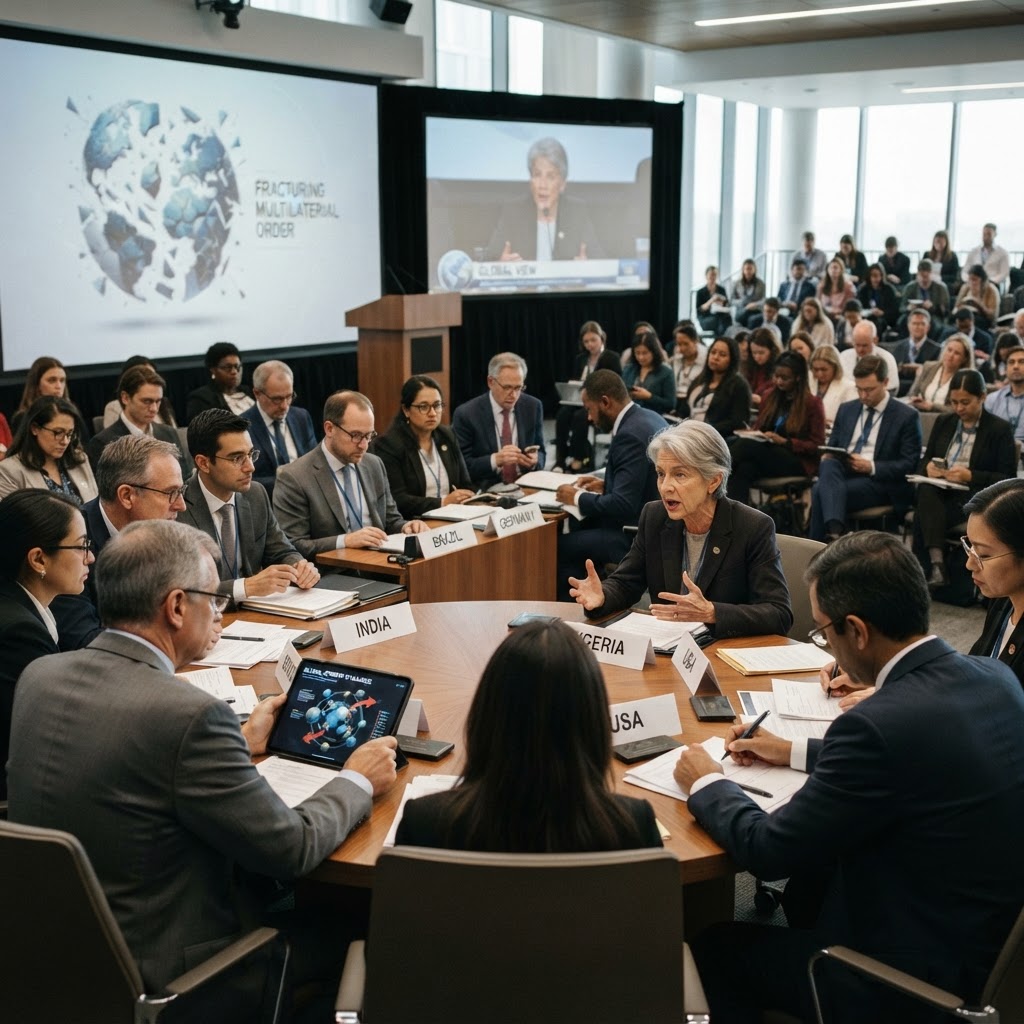
A World in Disjointed Motion: How Global Commentary Views the Fracturing Multilateral Order
Recent international opinion pages reflect growing anxiety over the retreat of major powers from climate commitments, shifting regional alliances, and the moral strains on global institutions.