Living Heritage and Modern Anxieties: How Global Culture Navigates Preservation and the Digital Age
From historical discoveries and community investments to the psychological impact of digital ubiquity, cultural institutions and societies are reshaping how art, heritage, and identity endure.
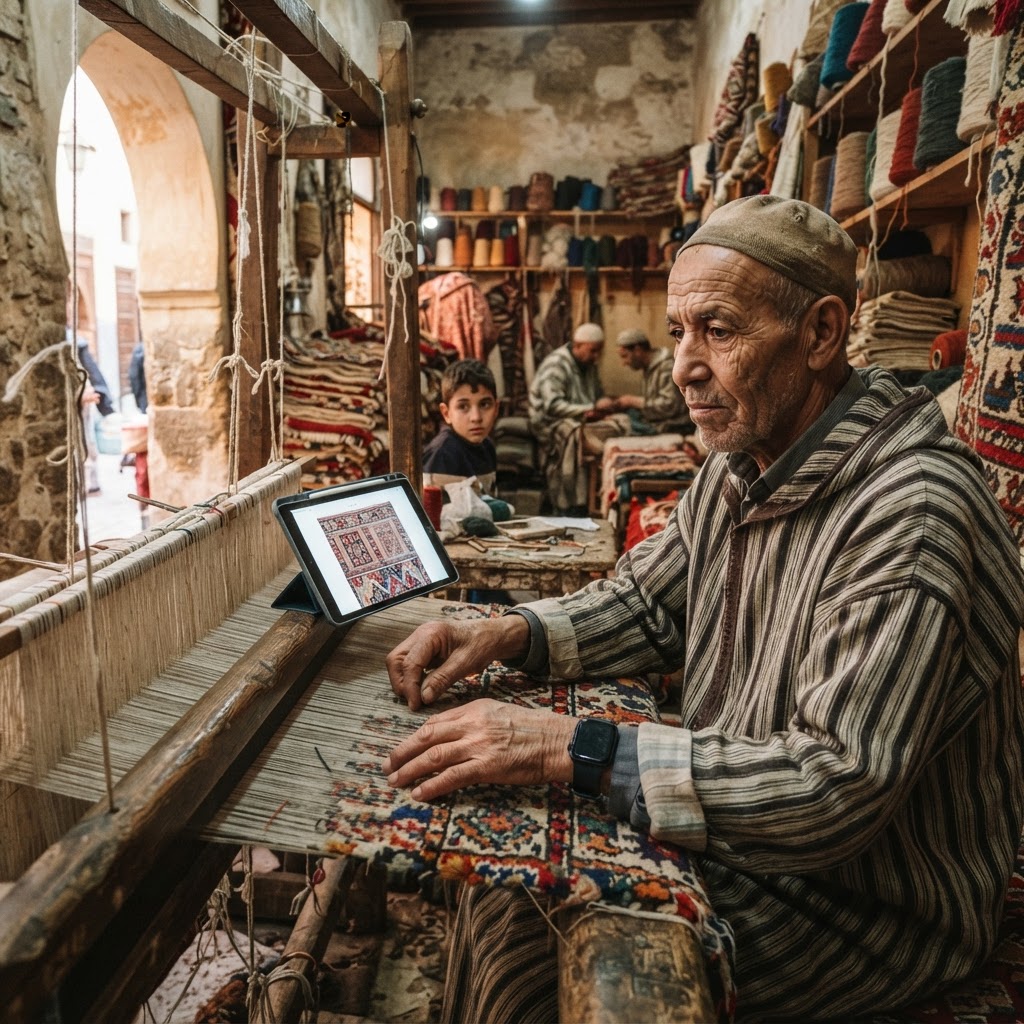
The Revival of Public Cultural Spaces
Around the world, cultural policymakers and community stewards are turning their attention toward localized heritage and accessible arts infrastructure. Across European cultural initiatives, the emphasis has shifted decisively from mega-institutions to hyper-local hubs. Recent municipal programs, including efforts in the United Kingdom to revitalize regional libraries into creative and music studios as reported by the inkl cultural news index, highlight a growing belief that cultural preservation begins at the neighborhood level. By turning traditional archives into living venues for musical experimentation, towns are combating cultural centralization and offering younger generations creative outlets outside of purely commercial spaces.
Simultaneously, grassroots community museums and historical landmarks are undergoing substantial renewal. From medical history institutions in northern England receiving targeted development grants as documented by BBC Culture to municipal architectural preservation drives, civic leaders recognize that tangible history builds community resilience. These initiatives demonstrate that culture is increasingly viewed not merely as recreational entertainment, but as vital civic infrastructure.
Unearthed History and the Debate Over Heritage Identity
While modern spaces evolve, ancient history continues to reshape contemporary identity. In Paris, the unearthing of a substantial Gallo-Roman wall beneath the historic Île de la Cité has reignited scholarly excitement about the origins of ancient Lutetia, illustrating how major urban centers sit atop layers of submerged pasts as noted by inkl cultural coverage. Discoveries of this magnitude consistently present contemporary societies with a delicate balancing act: how to modernize infrastructure while preserving the physical vestiges of early urban existence.
On the international stage, the contest for cultural recognition remains vibrant. Countries across Southeast Asia, for instance, continue to petition UNESCO to recognize traditional sporting arts and artisanal garments as Intangible Cultural Heritage. As seen in recent diplomatic dialogues surrounding Muay Thai and regional costumes documented by regional cultural monitoring, such designations are more than badges of honor; they are strategic assets that drive cultural tourism, cultivate soft power, and safeguard centuries-old techniques from economic obsolescence.
Navigating the Algorithmic Culture and Nostalgic Escapism
Parallel to the preservation of physical heritage, our daily cultural consumption is experiencing profound disruption from digital systems. Analysts examining macro cultural trends, such as those highlighted by Forbes, point to rising public friction against algorithmic curation, ubiquitous social media pressures, and hyper-commercialized online spaces. In response, audiences are actively retreating into tangible nostalgia—embracing vintage craftsmanship, analog formats, and community-centered dining experiences to anchor themselves against relentless technological turnover.
Moreover, the encroachment of generative tools and synthetic companions into the expressive arts has sparked widespread ethical and philosophical questions. Writers, filmmakers, and digital critics are grappling with what remains uniquely human about storytelling and visual arts. As digital spaces expand their reach, the cultural sphere is witnessing an organic countermovement: a collective longing for physical artifacts, communal gatherings, and authentic human imagination that algorithms cannot replicate.
Recommended for you
Similar to “Culture”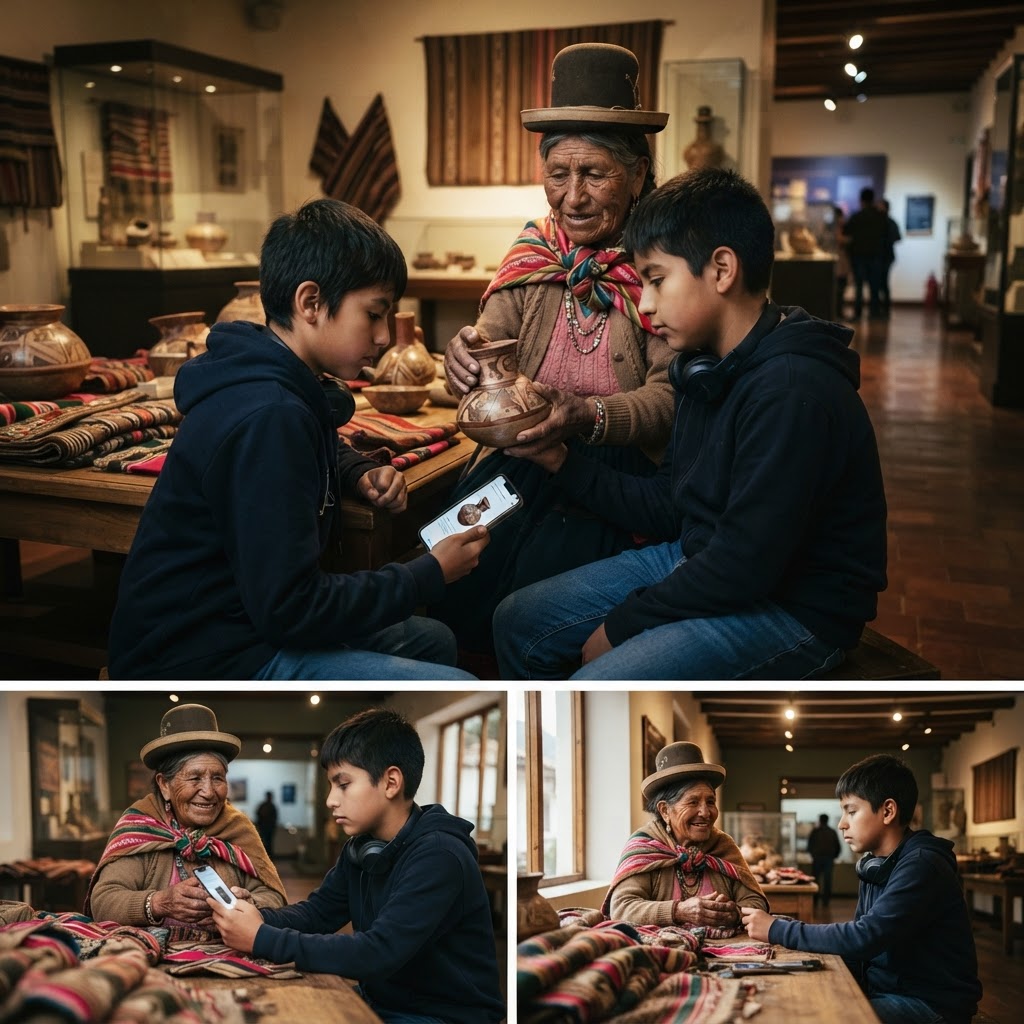
Between Sacred Roots and Digital Disruption: Cultural Heritage Meets Modern Anxieties
From historical commemorations in Assisi and renewed Parthenon diplomacy to controversies over artificial intelligence in literature and music, global culture navigates a delicate tension between heritage and high-tech evolution.
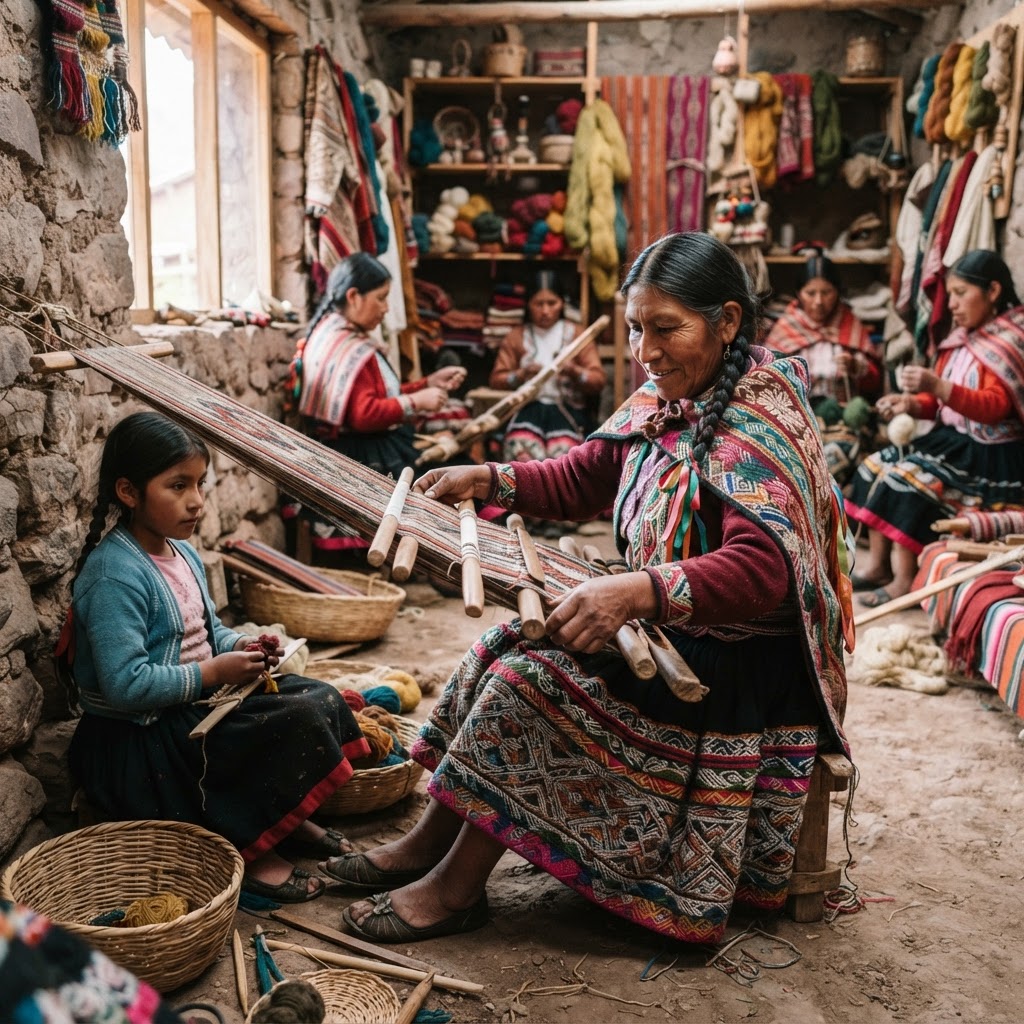
Weaving Continuity and Reclaiming Identity: The Global Resurgence of Living Heritage
Around the world, cultural institutions, artists, and indigenous craftspeople are reimagining centuries-old traditions to navigate modern creative and technological shifts.
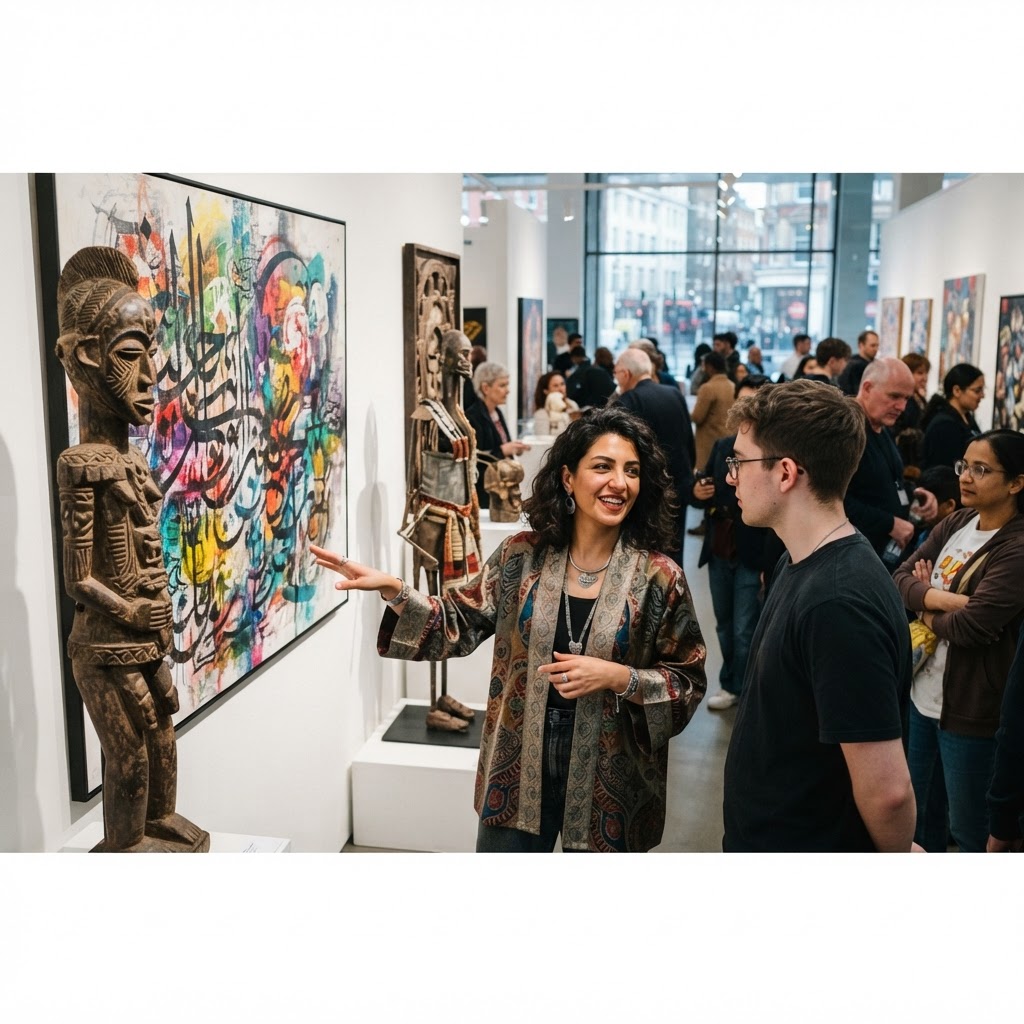
Global Cultural Shifts: Heritage Revival, Modern Art Markets, and the New Era of Cross-Border Expression
Recent cultural developments across East Asia, the Middle East, and the West highlight an era marked by the commercial evolution of modern art, historical preservation, and the friction of international cross-border creative industries.