Diplomatic Fractures and Chokepoints: Global Tensions Reshape Trade and Regional Security
Recent shifts across the international stage—spanning delicate maritime negotiations in the Persian Gulf, controversial energy deals, and ongoing legal battles—reveal an increasingly polarized global order. As multilateral frameworks face strain, nations are navigating high-stakes geopolitical brinkmanship and economic recalibration.
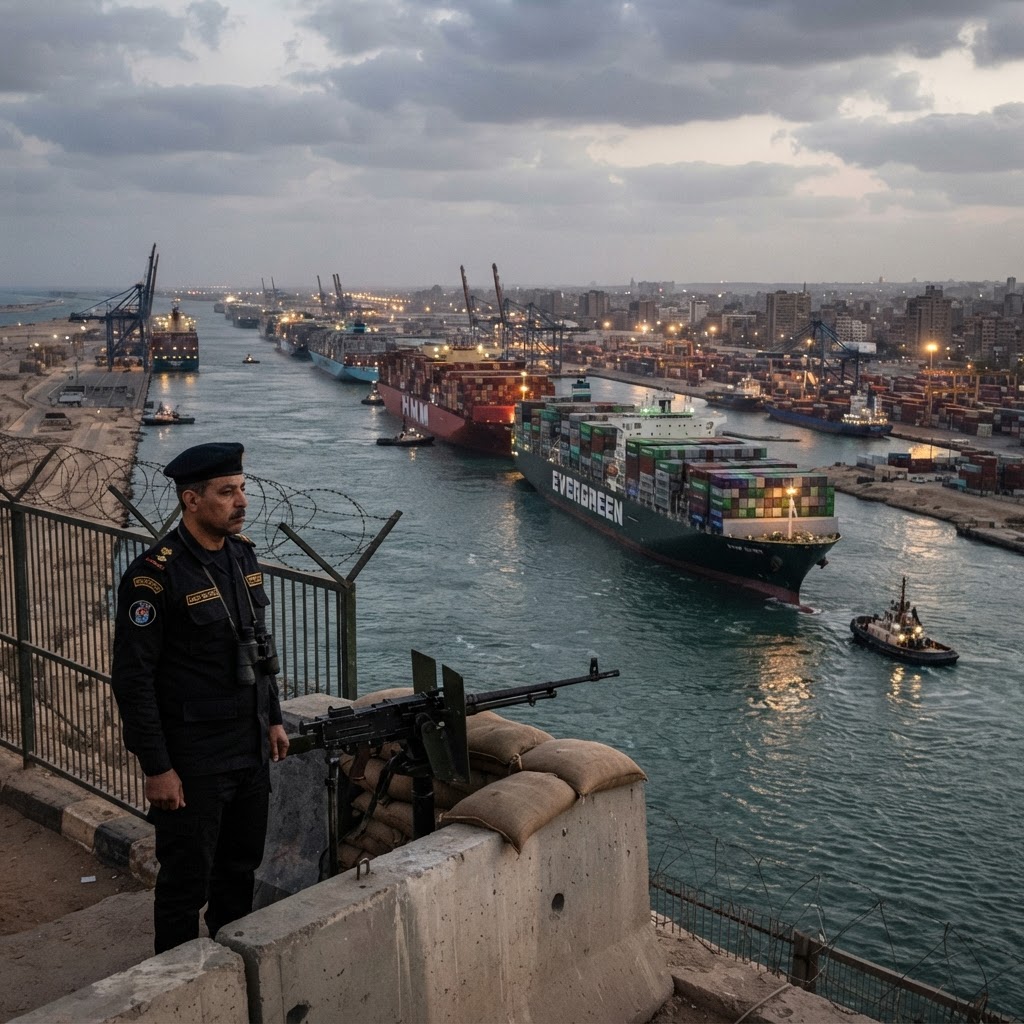
Turbulence Across Key Maritime and Energy Corridors
In recent days, the architecture of international diplomacy has faced acute stress tests across multiple fronts. Strategic maritime transit points and energy supply chains remain central to ongoing geopolitical maneuvering, as demonstrated by sudden openings and persistent flashpoints reported by international monitors such as CNBC World Politics. Tehran's recent diplomatic overtures—specifically concerning transit through the vital Strait of Hormuz alongside proposals to restart long-stalled nuclear talks—signal a critical juncture for Gulf stability and global commercial shipping. The economic ripple effects of maritime disruption in the region have prompted swift reactions from trade partners and security alliances eager to secure key commercial arteries while remaining wary of diplomatic posturing.
Energy Geopolitics and the Ukrainian Crisis
Simultaneously, international alignments surrounding the prolonged war in Ukraine continue to produce diplomatic friction across European and American political landscapes. Reports from outlets including the BBC World Service spotlight sharp divisions over bilateral trade and energy policies. Recent high-level announcements involving Russian energy supplies, notably diesel pacts, have drawn sharp condemnation from Ukrainian President Volodymyr Zelensky, who characterized such measures as concessions to Moscow. The debate underscores the deep dilemma confronting Western leaders: balancing domestic economic pressures and energy stability against the imperative to maintain uniform sanctions against the Kremlin.
Legal Precedents, Espionage, and Domestic Crackdowns
Beyond bilateral statecraft, the intersection of national security, global justice, and technology continues to evolve rapidly. Cross-border law enforcement actions have intensified, illustrated by recent indictments of corporate executives and foreign nationals charged with concealing covert state connections in sensitive technology sectors, as highlighted by CNBC. At the institutional level, international jurisprudence has garnered rare spotlight, with milestones such as international human rights figures receiving global accolades for defending statutory norms amid growing authoritarian tendencies, covered by sources like The Guardian. Concurrently, domestic civil liberties are facing renewed crackdowns in various global capitals, where demonstrations over socio-economic conditions and governance have met severe police pushback and mass detentions.
The Strained Multilateral Architecture
Underpinning these disparate events is an overarching systemic crisis within established international governance frameworks. Comprehensive assessments by bodies like the United Nations illustrate how escalating regional confrontations, humanitarian emergencies, and technological rivalries are outstripping traditional conflict-resolution mechanisms. With the multilateral consensus fragmenting along multipolar lines, middle powers and developing nations find themselves caught between competing geopolitical blocs, searching for strategic autonomy amidst shifting alliances and economic uncertainty.
Recommended for you
Similar to “World Affairs”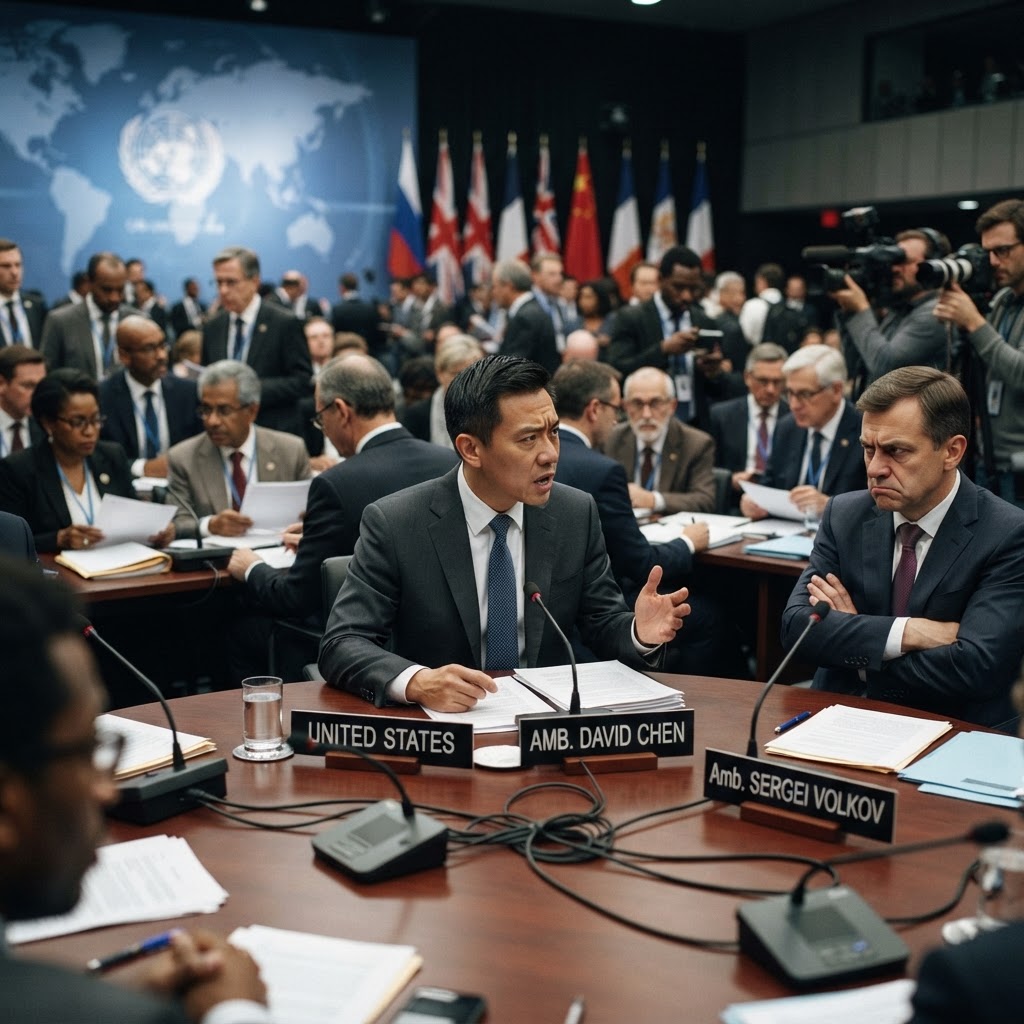
Diplomatic Deadlocks and Rising Brinkmanship: Global Flashpoints Converge on the World Stage
Escalating maritime and military skirmishes across the Persian Gulf, high-stakes arms control diplomacy in Asia, and contentious multilateral negotiations over autonomous weapons highlight a turbulent week in international relations.
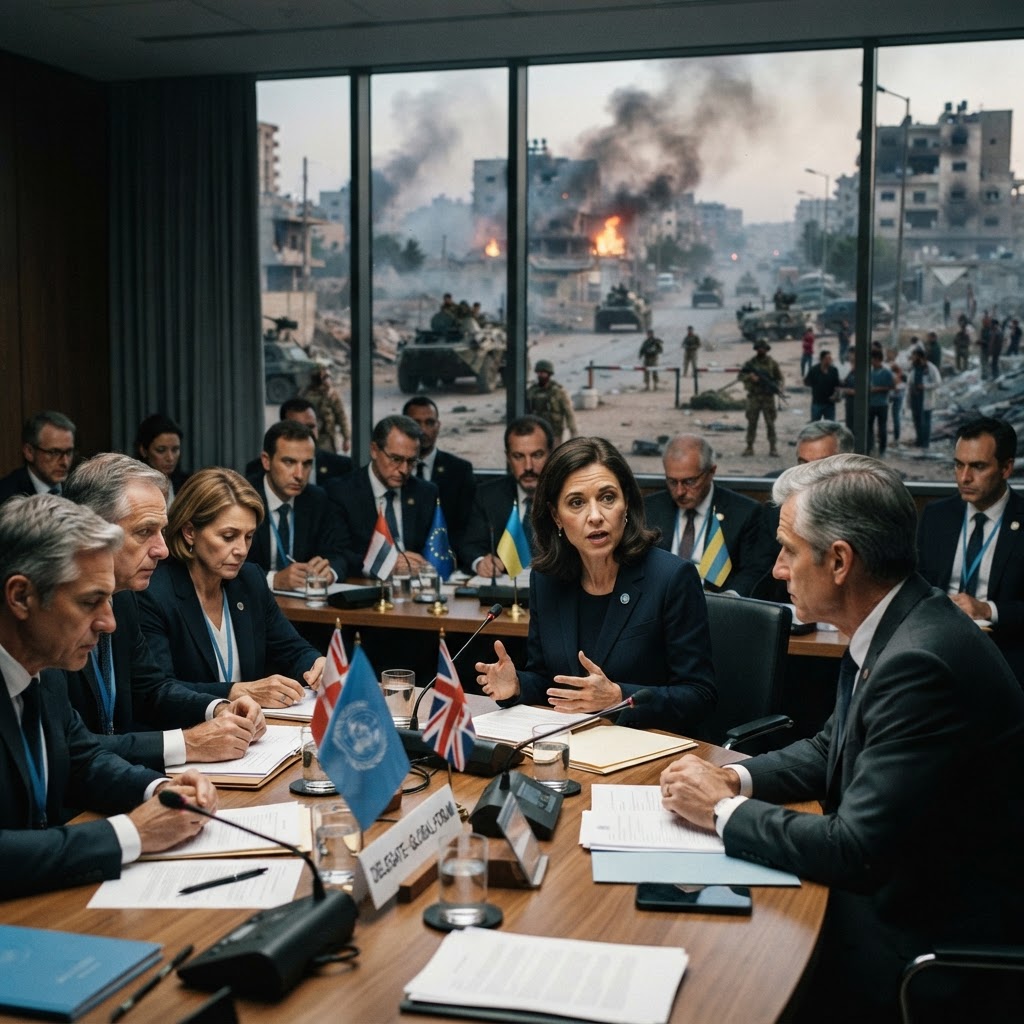
Fragile Diplomacy and Escalating Fronts: Global Tensions Test International Order
High-stakes diplomatic negotiations in the Middle East and Eastern Europe face mounting strain as battlefield strikes, political shakeups, and maritime friction disrupt peace efforts across multiple continents.
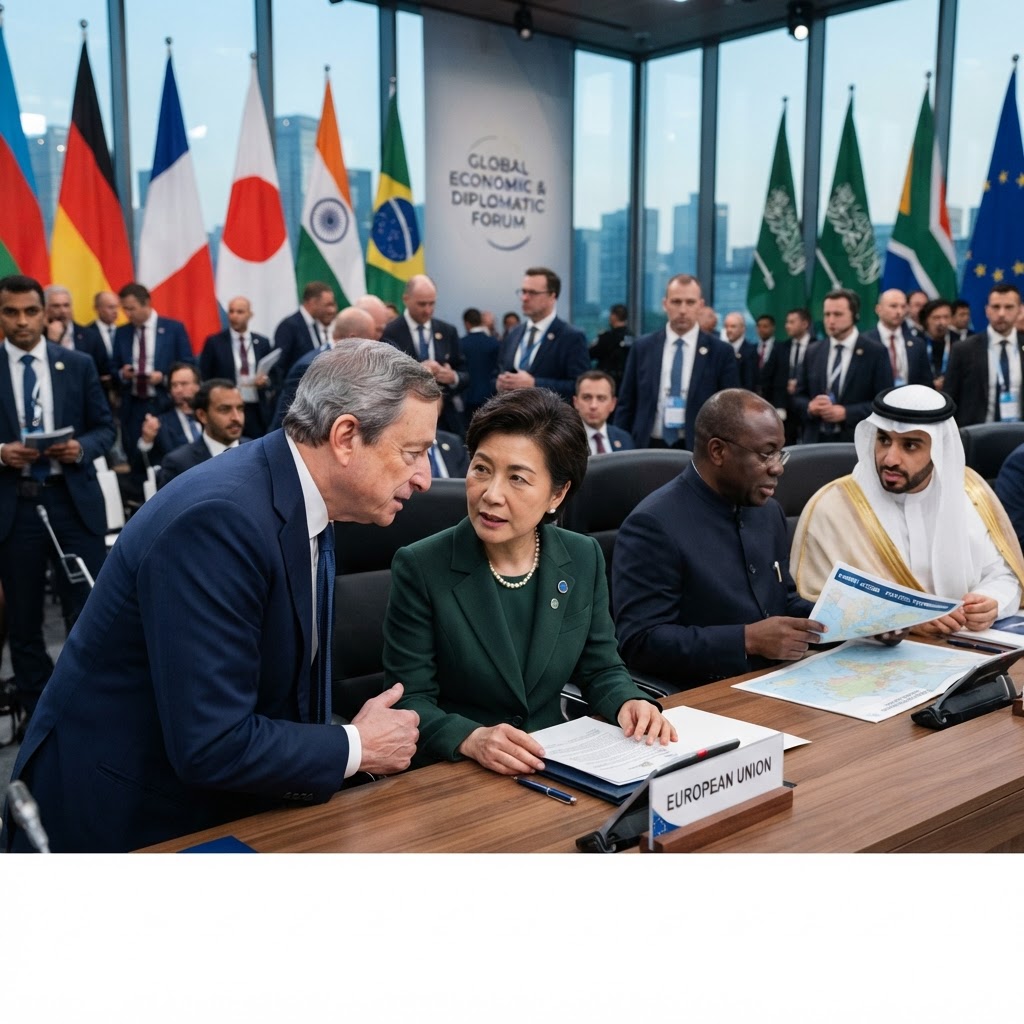
Diplomatic Realignments and Shifting Frontlines: How Energy Deals and Economic Tailwinds Are Reshaping Global Geopolitics
Recent policy reversals in Washington and escalating security friction across Eastern Europe and the Middle East highlight an increasingly fragmented international order, even as technology investment propels global trade forecasts.