The Fracture of Consensus: How Sinking Confidence and Geopolitical Friction Are Reshaping Public Opinion
Across the globe, collapsing institutional trust and intensified geopolitical competition are transforming public sentiment, leaving citizens skeptical of leadership and weary of multilateral paralysis.
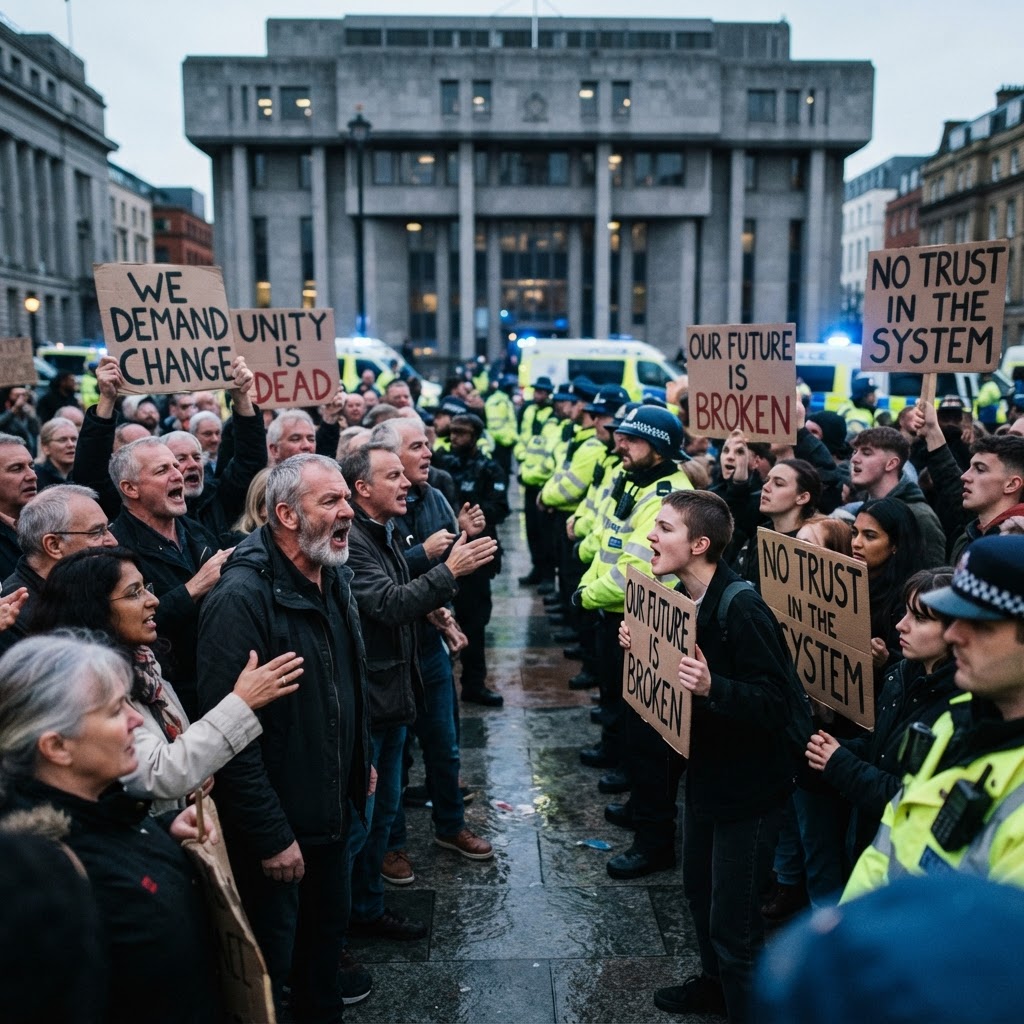
The Deepening Erosion of Institutional Faith
In communities around the world, an unmistakable mood of skepticism has taken root. Decades of economic volatility, recurring geopolitical confrontations, and political gridlock have eroded the conventional bedrock of civil society: public confidence in core institutions. Whether observing public confidence metrics tracked by major research bodies or examining the tone of international editorials, contemporary commentary points toward a shared sense of fracture.
In established democracies, the malaise is particularly visible. Polling indicators compiled by organizations like Gallup demonstrate persistent downward pressures across civic metrics, ranging from domestic economic sentiment to faith in foundational civic operations such as food safety and judicial reliability. Where citizens once presumed steady baseline governance, an atmosphere of constant precarity has taken hold. This internal disenchantment is not isolated to domestic policy; it ripples across the cultural fabric, cooling public enthusiasm even for corporate engagement in broader social dialogues as populations prioritize fundamental daily security over corporate signaling.
Geopolitics at an Inflection Point
Parallel to the collapse in domestic confidence is a dramatic repositioning in how global powers are perceived abroad. Commentary across Asia and beyond—highlighted by recent analyses in outlets such as Channel NewsAsia and regional think tanks—points to a strategic threshold where international perceptions of leadership are shifting. Long-standing assumptions regarding Western predominance are increasingly contested, with global surveys revealing that significant segments of regional populations, particularly across Southeast Asia, find themselves re-evaluating traditional alliances amidst intense Sino-American strategic competition.
As major powers alternate between high-profile bilateral posturing and unresolved diplomatic impasses, international observers increasingly characterize multilateral mechanisms as paralyzed. Editorials covering gatherings from the G20 to regional security summits, such as the Xiangshan Forum, lament that grand multilateral promises frequently dissolve into transactional rhetoric. The inability of leading nations to forge united frameworks on climate, conflicts, or economic stability has fostered cynicism among middle powers and developing nations alike.
The Dilemma of Multilateral Cooperation
This breakdown in cohesion arrives at a moment when global challenges demand unprecedented coordination. Fresh research, including multinational polling released in conjunction with international development groups, demonstrates a tragic paradox: while ordinary citizens in both wealthier and developing economies recognize the urgent moral and strategic imperatives of global solidarity—such as health resilience and humanitarian assistance—political leadership continues to retrench into nationalism and budget cuts.
When public opinion perceives international bodies as ineffective talking shops, domestic political appetites for international cooperation wither. The resultant vacuum leaves global public health and humanitarian aid vulnerable to sudden policy swings, threatening millions who rely on stable international aid pipelines. Commentators argue that the modern international architecture has become detached from the everyday anxieties of global citizens, who are preoccupied with the soaring cost of living, regional security threats, and shifting workforce dynamics fueled by rapid artificial intelligence adoption.
Navigating an Era of Polycrisis
The convergence of these trends—fragile domestic trust, great-power rivalries, and stalled multilateral action—suggests that the world has entered an era defined not by temporary political cycles, but by systemic transformation. Opinion leaders and editorial boards increasingly warn that treating these developments as isolated flare-ups overlooks the underlying crisis: the social contract between citizens and governing institutions is in dire need of renewal.
Restoring public faith will require more than symbolic summits or theatrical diplomatic overtures. If leaders hope to arrest the slide toward polarization and geopolitical fragmentation, they must deliver tangible, localized stability while addressing the structural roots of economic and physical insecurity. Until governance can demonstrably shield communities from overlapping crises, the prevailing tide of public skepticism is poised to define the global discourse for years to come.
Recommended for you
Similar to “Global Opinion”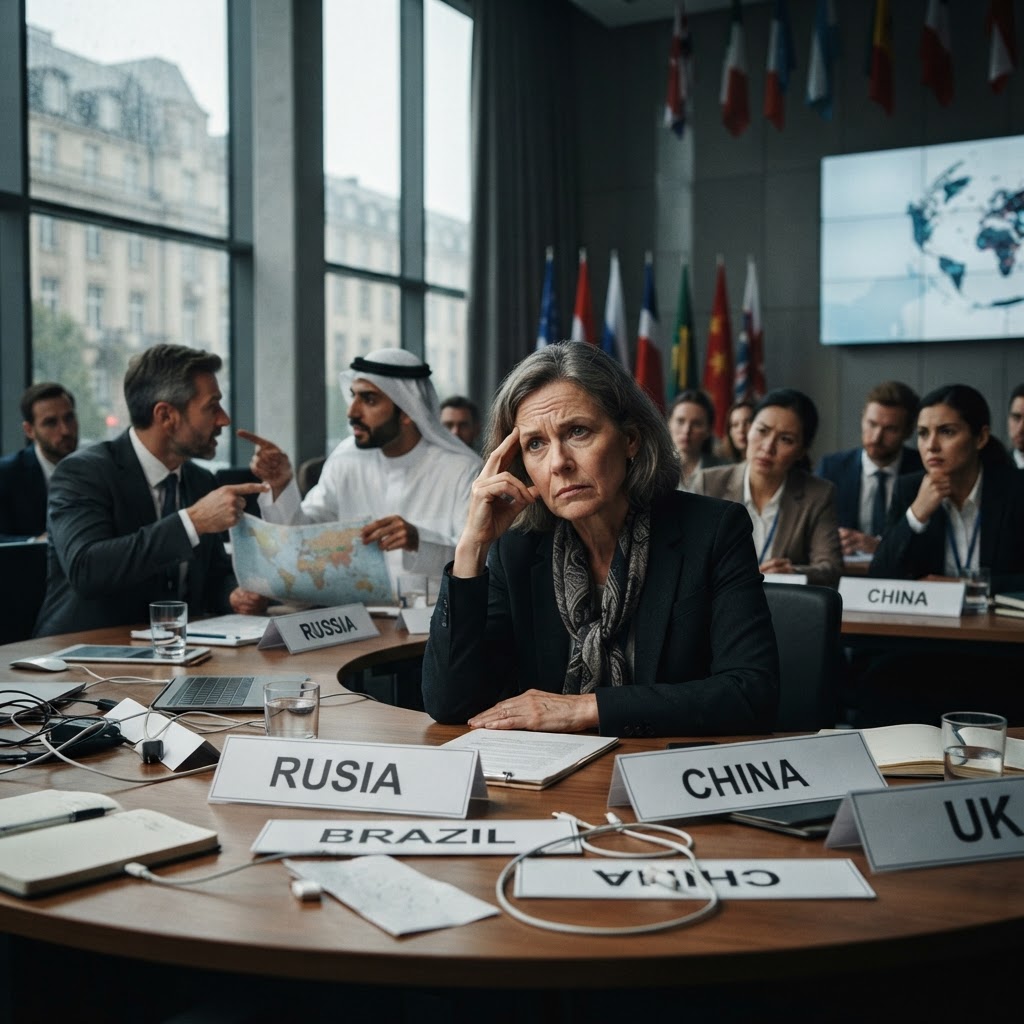
The Fracture of Consensus: How Institutional Distrust and Geopolitical Realignment Are Reshaping Global Opinion
Recent commentary across major international outlets reveals a deepening fragmentation of consensus, driven by historic declines in institutional trust, technological upheaval, and escalating geopolitical competition.
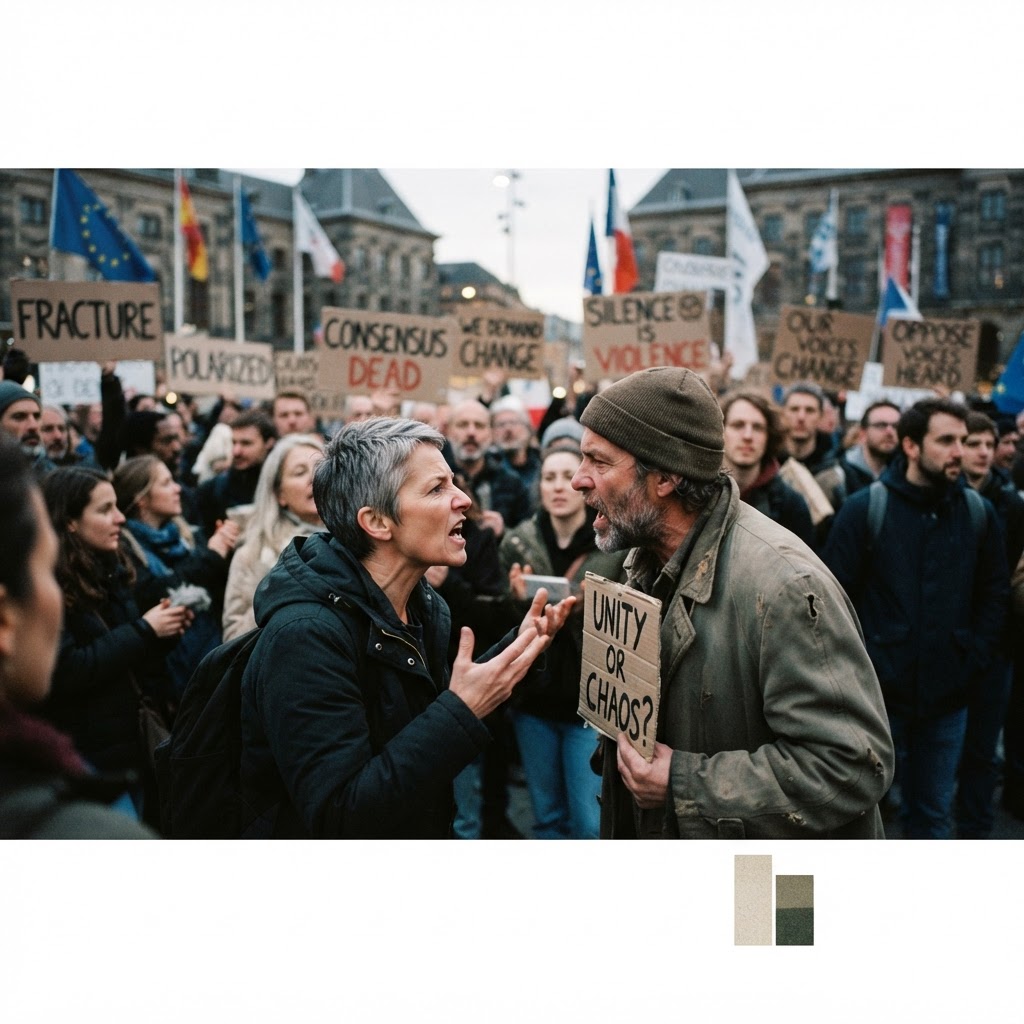
The Fracture of Consensus: How Polarized Commentary Reflects a Restless World
Recent opinion and analytical columns reveal growing friction across domestic politics, civil liberties, and global governance as citizens push back against institutional orthodoxy.

A Fractured Consensus: How Opinion Pages Are Wrestling With the Global Polycrisis
Editorial pages across the globe are grappling with simultaneous disruptions in technology competition, economic inequality, and institutional polarization. As traditional geopolitical frameworks buckle, commentators are urging structural shifts rather than piecemeal remedies.