The Fracture of Consensus: How Polarized Commentary Reflects a Restless World
Recent opinion and analytical columns reveal growing friction across domestic politics, civil liberties, and global governance as citizens push back against institutional orthodoxy.

The Shifting Landscape of Global Discourse
In commentary sections and public forums around the globe, an undeniable shift is taking place. Where international institutions and conventional party mechanisms once commanded broad consensus, opinion writers and public sentiment trackers are uncovering deepening fractures. From shifting voter sentiments in North America to contentious international development conferences in Asia, the prevailing tone in commentary today is one of friction, re-evaluation, and public restlessness.
Midterm Anxiety and Domestic Realignment
In the United States, political commentary is dominated by the approaching midterm elections, where traditional campaign alignments appear under unprecedented stress. Reporting and commentary from outlets like Politico and NPR underscore how economic volatility—ranging from tariff disputes to agricultural backlash over meat pricing—is challenging party playbooks in unexpected battlegrounds. Observers note that nationalized rhetoric often collides awkwardly with local bread-and-butter concerns, leaving both major parties struggling to maintain their traditional voting coalitions.
Meanwhile, fresh data from pollsters such as Ipsos suggests an underlying current of voter ambivalence and civil concern. While institutional issues like redistricting and speech rights generate impassioned editorializing—such as recurring debates in The New York Times regarding gerrymandering and minority representation—everyday voters appear increasingly wary of elite polarization. Commentary on the broader electorate highlights a growing fatigue with zero-sum politics, sparking debate over whether either party truly has a compelling roadmap for national renewal.
Global Institutions Under Scrutiny
Beyond domestic electoral cycles, opinion pieces addressing international affairs paint an equally fraught picture. A sharp divide has emerged between multilateral bodies promoting standard economic formulas and grassroots movements demanding fundamental reform. Critical analysis published by Global Issues surrounding major finance summits highlights the widening gulf between institutional mandates for budgetary austerity and public demands for equitable development, digital regulation, and climate accountability.
Environmental governance has also emerged as a battleground of competing narratives. As major summits address global conservation, regional opinion columnists in outlets like Al Jazeera have cast a critical eye on host nations, questioning whether high-profile diplomatic events serve to enact real reform or merely distract from ongoing extractive industries. Across Asia, commentators in outlets like the South China Morning Post are similarly balancing ambitious ecological agendas against harsh economic realities, warning that decarbonization targets risk stalling if economic burdens fall disproportionately on emerging sectors.
The Fight for Expression and Public Legitimacy
Threaded through these disparate debates is a recurring argument over the boundaries of free speech, technology, and public control. Commentary appearing in platforms such as The Guardian and RealClearWorld highlights unease over the influence of tech magnates, digital oversight, and government intervention in information ecosystems. Critics on both sides of the political aisle question the authority of centralized bodies to define acceptable debate, arguing that public confidence cannot be coerced through top-down moderation.
Ultimately, today's opinion pages do not point toward easy resolution. Instead, they demonstrate an era where the public's tolerance for institutional status quo is wearing thin. Whether the topic is the legitimacy of democratic representation, the economic cost of international mandates, or the fundamental right to dissent, opinion leaders are signaling that the era of uncontested policy orthodoxy has definitively closed.
Recommended for you
Similar to “World Opinion”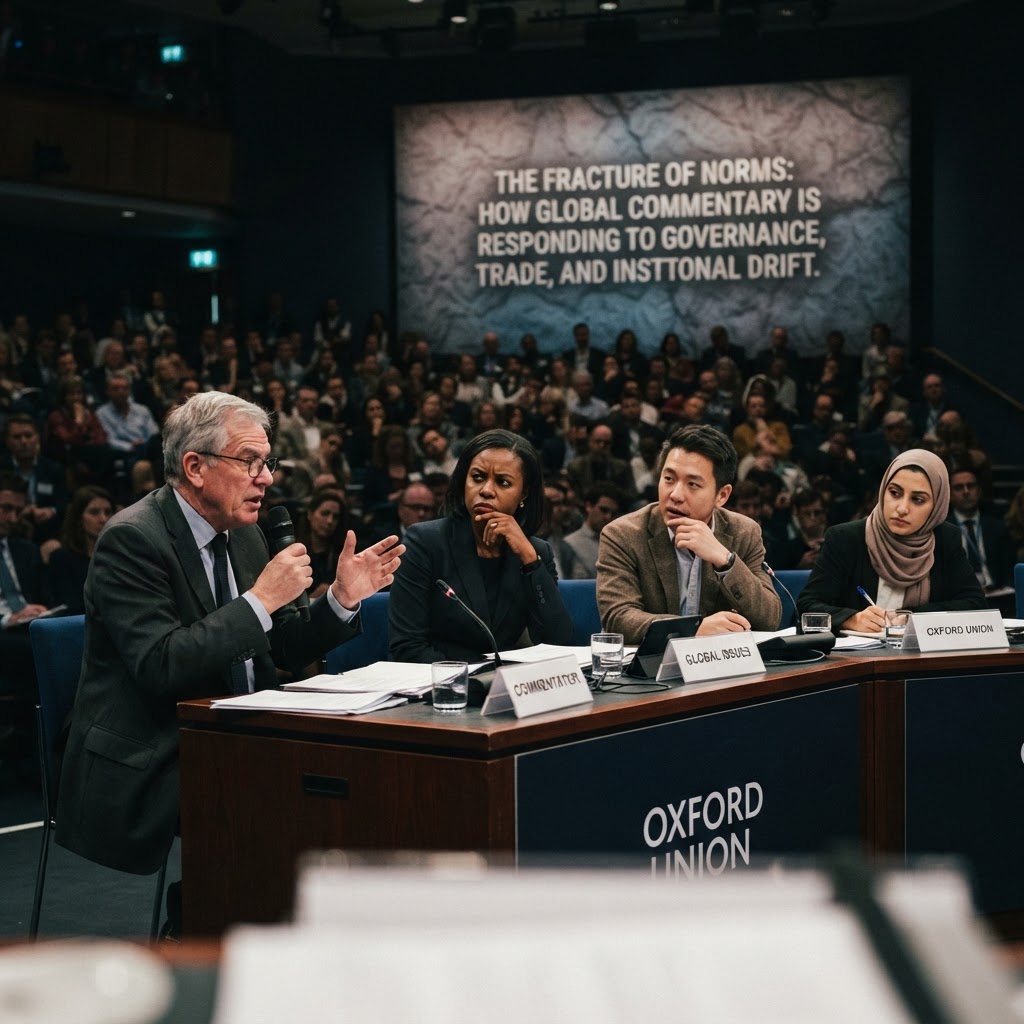
The Fracture of Norms: How Global Commentary Is Responding to Governance, Trade, and Institutional Drift
Around the world, recent editorial commentary highlights an intensifying pushback against erratic policymaking, administrative inertia, and democratic erosion. From debates over aggressive trade barriers in North America to environmental accountability in Eurasia, public commentators are demanding renewed institutional integrity.
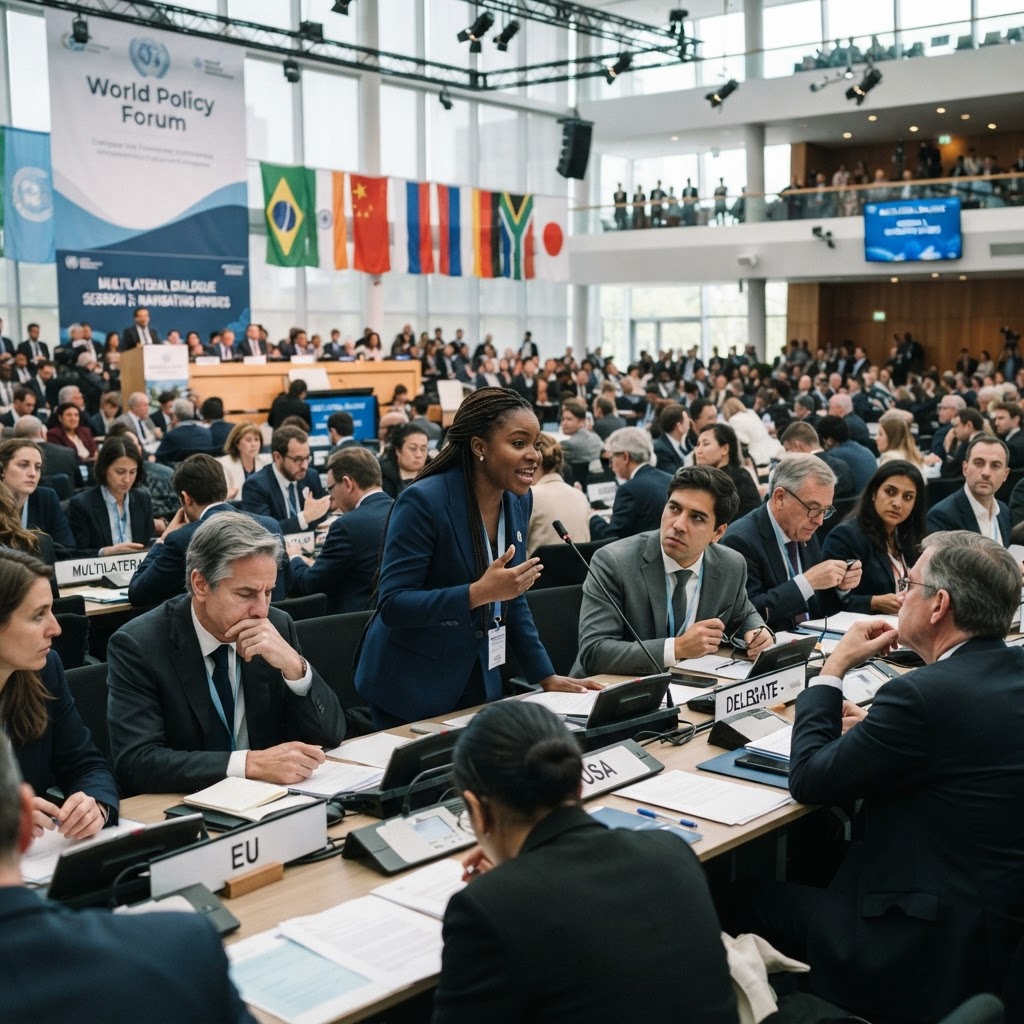
The Fracture of Consensus: How World Opinion Is Navigating a Multipolar Reality
Recent commentary across global editorial boards reflects deep anxiety over fractured alliances, economic protectionism, and the rise of an uncompromising multipolar diplomacy.

The Global Rethink: How Geopolitical Fractures and Artificial Intelligence Are Reshaping Opinion Columns
Recent commentary across leading global publications reflects a world reassessing core assumptions, from shifting balance-of-power dynamics in Europe and Asia to the compounding anxieties surrounding artificial intelligence and democratic resilience.