A New Horizon in Patient Care: From Precision Biology to Everyday Clinical Workflows
Recent advances across metabolic therapies, cellular biology, and specialized clinical artificial intelligence are converging to reshape the landscape of modern medicine and patient care.
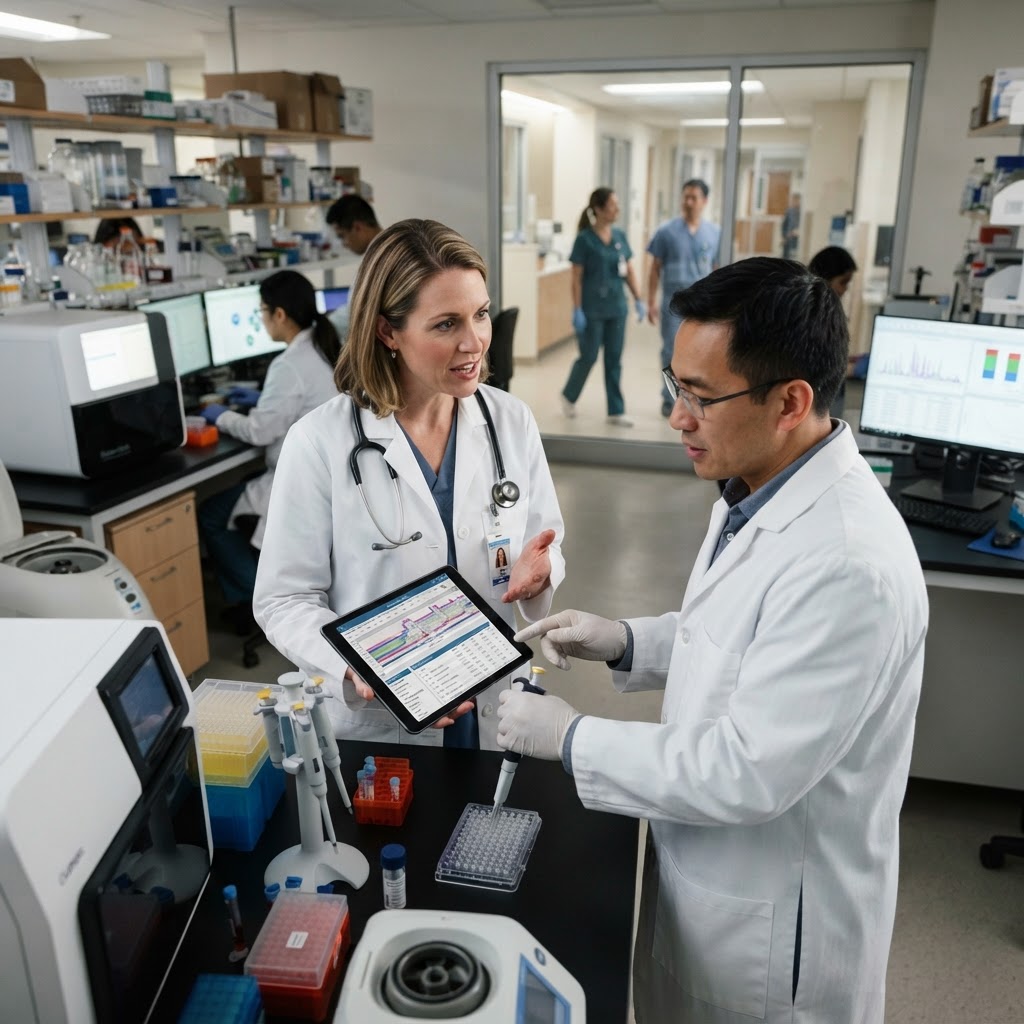
The Paradigm Shift in Metabolic and Genetic Therapies
Modern clinical medicine is witnessing rapid transitions from symptomatic management toward multi-targeted biological intervention. Among the most notable recent advancements highlighted by clinical evaluations, multiagonist therapeutics are changing the management landscape for type 2 diabetes and obesity. As detailed in reviews of emerging clinical approaches by Medscape, newer agents like retatrutide—an experimental incretin mimetic—and multi-hormone combinations are showing substantial clinical reductions in body weight alongside significant improvements in glycemic regulation. By addressing several physiological pathways simultaneously, multiagonists offer a broad metabolic reset that previous single-target therapies could not consistently match.
Parallel to these biochemical advances, tailored gene-editing therapies are moving beyond theoretical benchmarks to treat complex conditions and rare genetic disorders. Clinical reports compiled by the Association of American Medical Colleges point toward an era where personalized interventions are directly repairing genetic defects, paving the way for durable systemic relief. Simultaneously, groundbreaking surgical milestones, such as successful human bladder transplants, offer viable alternatives to traditional intestinal diversion surgeries, sparing patients the high incidence of infections and digestive complications that have historically plagued complex reconstructive procedures.
Rethinking Cellular Aging and Degenerative Disease
While translational breakthroughs are changing acute patient interventions, foundational discoveries are revising longstanding assumptions regarding how human cells age. According to fresh findings reported via ScienceDaily, researchers have uncovered an unexpected paradox in cellular recycling mechanisms. While heightened autophagy was broadly assumed to correspond directly with healthier longevity, newer evaluations suggest that elevated recycling activity in older cells can sometimes correlate with compromised physical performance and heightened vulnerability.
These discoveries are already beginning to inform preventative medicine and rehabilitation strategies. Subtle behavioral modifications, including controlled, low-impact exercise routines, demonstrate measurable potential to recalibrate cellular resilience without triggering harmful metabolic exhaustion. Understanding these nuanced biological responses provides clinicians with more precise frameworks for prescribing physical activity, anti-aging therapies, and personalized recuperation protocols for older demographics.
Cardiovascular Innovation and Targeted Interventions
Cardiovascular medicine is similarly undergoing a technological pivot away from permanent hardware toward minimally invasive, biology-preserving devices. Across clinical cardiology, trials such as the international SPARX study reported by PR Newswire UK are testing the broader application of drug-coated balloon technologies in treating complex coronary artery diseases. By providing therapeutic agents directly to the vessel walls without leaving permanent metal scaffolds, clinicians hope to reduce long-term arterial trauma, stent-related restenosis, and chronic reliance on dual antiplatelet therapies.
This push toward targeted intervention mirrors broader public health efforts to integrate high-efficiency clinical interventions with community-level prevention. As infectious disease programs around the world continue evaluating deployment strategies for pediatric malaria vaccines in high-burden regions, clinical leaders emphasize that medical innovations yield optimal results only when integrated systematically with foundational preventive measures, sanitation, and persistent diagnostics.
The Arrival of Specialized Workflow Intelligence
Beyond molecular treatments and mechanical devices, the operational framework of healthcare delivery is experiencing a quiet revolution powered by specialized artificial intelligence. Recent announcements across healthcare networks indicate that general-purpose generative models are steadily giving way to discipline-specific clinical copilots. Solutions such as ClinicalKey Nursing AI, documented via industry reports on PR Newswire APAC, reflect an acute focus on alleviating administrative strain for frontline staff by embedding evidence-based recommendations directly into nursing and hospital operations.
By reducing cognitive overload, organizing patient monitoring datasets, and streamlining clinical trial workflows, these specialized AI tools aim to return clinicians to direct bedside interaction. The integration of intelligent operational software with precision molecular therapeutics signals a comprehensive transformation in global health: one that balances biological ingenuity with enhanced clinical resilience and improved safety for patients across the continuum of care.
Recommended for you
Similar to “Health”
Redefining Patient Care: How Targeted Therapies, Multiagonists, and Microbiome Science Are Transforming Modern Medicine
Recent advances across metabolic pharmacology, tailored gene editing, and microbiome communication signal a fundamental transition toward precision treatments that restore rather than merely manage chronic disease.
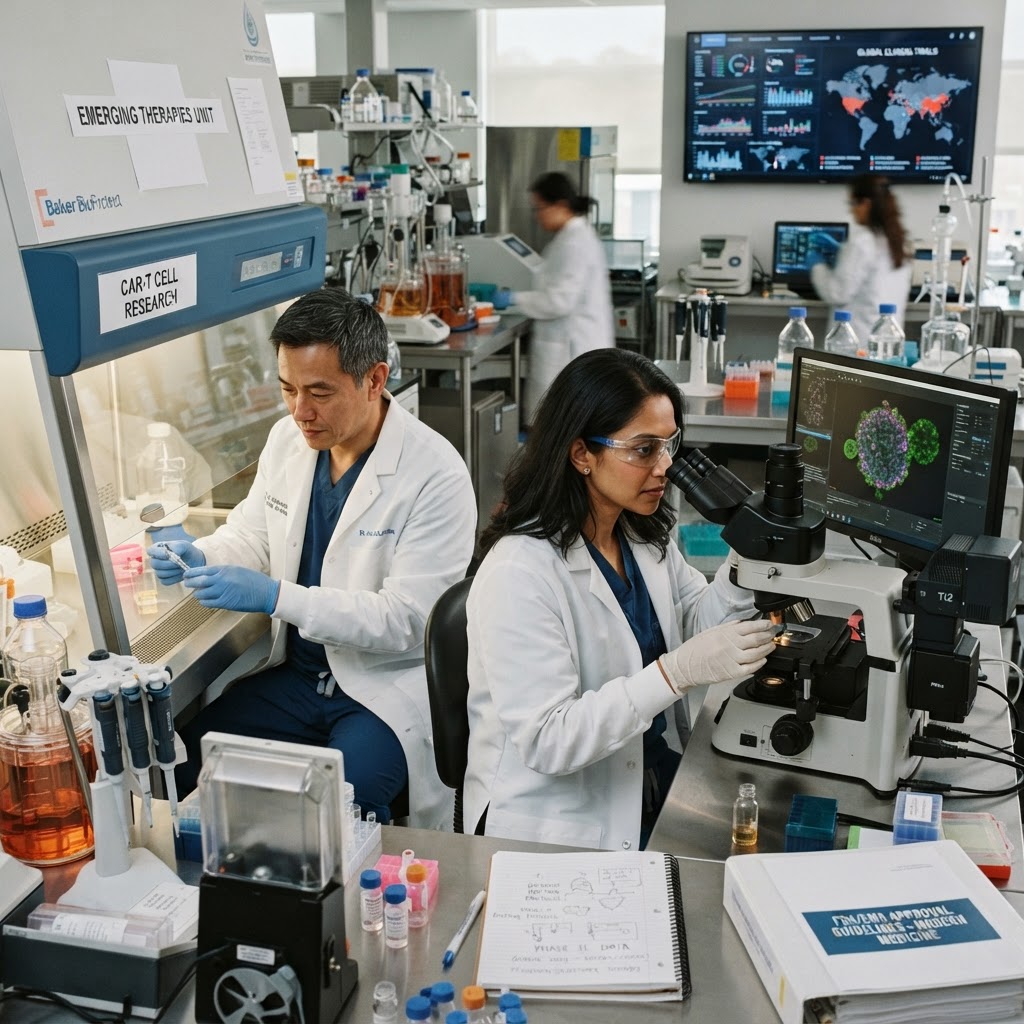
Frontiers of Modern Medicine: Emerging Therapies, Regulatory Milestones, and Shifting Global Priorities
Recent advances across biotechnology, drug safety investigations, and public health infrastructure are reshaping both clinical practice and global healthcare delivery.
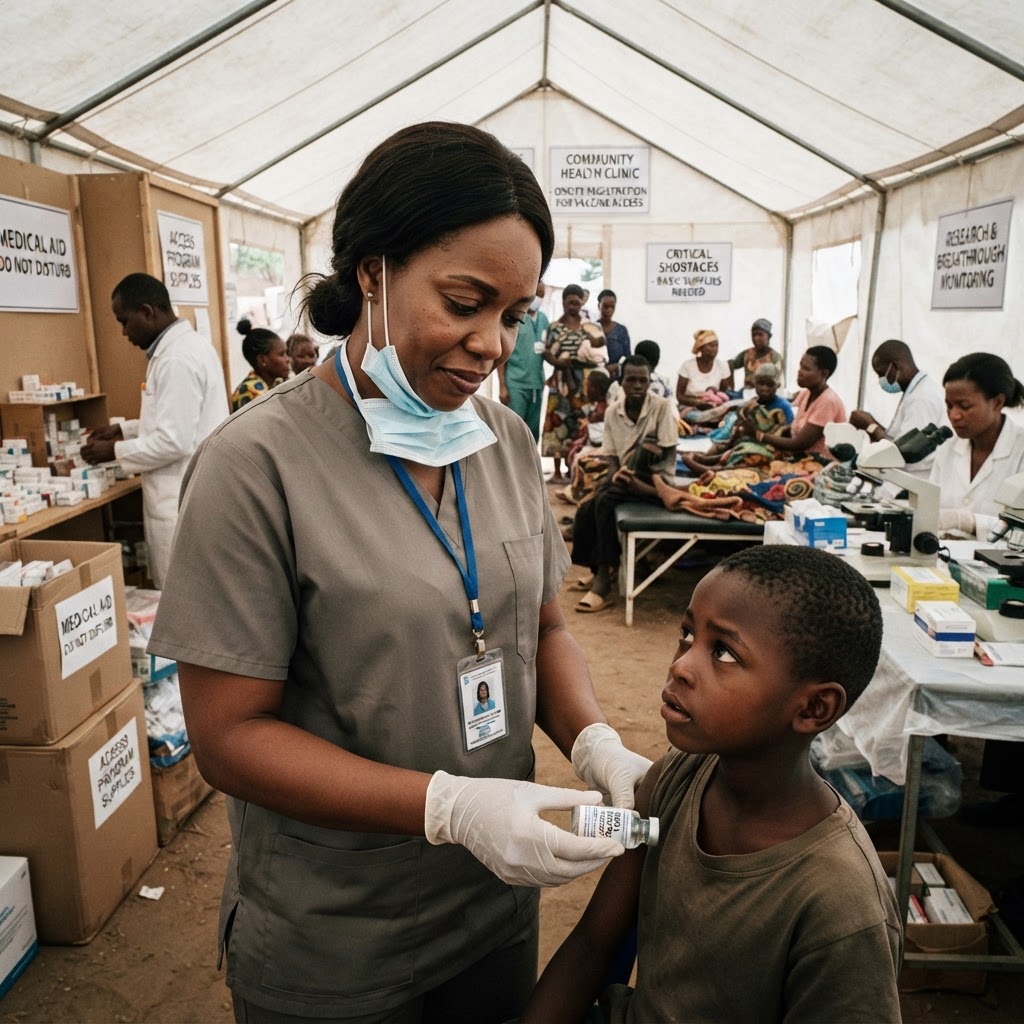
Global Health at a Crossroads: Breakthrough Therapies Emerge Amid Deepening Public Health and Access Crises
Recent advances in precision oncology and genetic medicine offer unprecedented clinical hope, yet resurgence of preventable infectious diseases and systemic healthcare disparities continue to test global resilience.